
In Southern Europe, dinner starts later than Americans expect because of a relaxed social culture that values connection and leisure. They prefer a substantial midday meal, which leads to lighter dinners in the evening. The warm climate also encourages dining later to avoid the heat. This late schedule helps people unwind after work and enjoy cooler evenings. If you keep exploring, you’ll discover more about how these traditions shape their lively, unhurried lifestyle.
Key Takeaways
- Cultural emphasis on socializing makes dinner a leisurely, late-evening event rather than a quick meal.
- Hot summer climate encourages dining later to avoid daytime heat and enjoy cooler evenings.
- Lunch is the main, substantial meal, leading to lighter, informal dinners later in the day.
- Relaxed lifestyle and unhurried routines prioritize conversation and social connection over punctuality.
- Traditional customs have been preserved, embedding late dinner times into regional cultural identity.
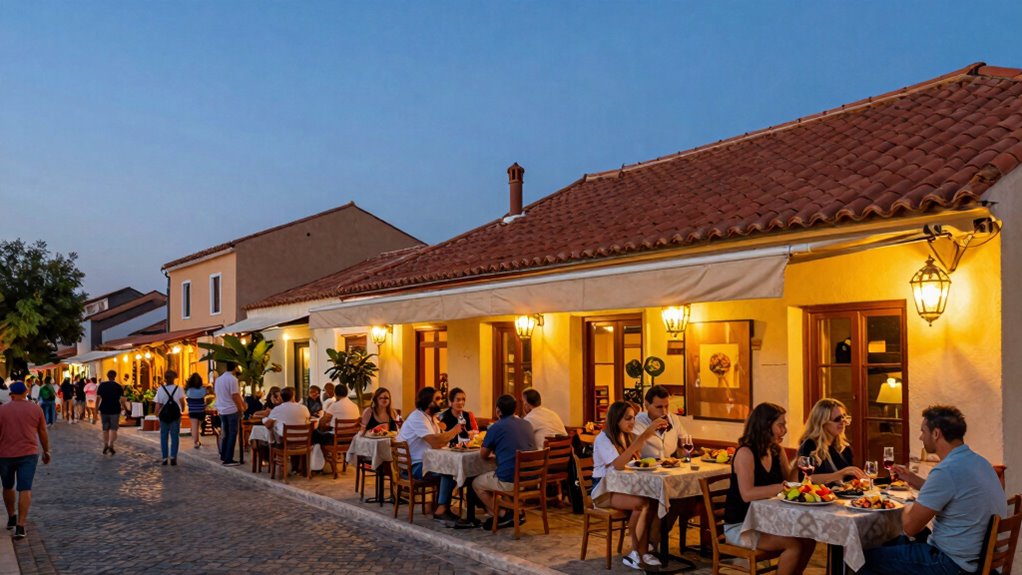
If you’re used to dining early in the evening, you might be surprised to find that in Southern Europe, dinner often doesn’t start until much later than in the United States. The difference in meal timing traditions is deeply rooted in local dining customs that have evolved over centuries. In many Southern European countries, dinner typically begins around 8 or 9 p.m., sometimes even later, especially during the summer months. This isn’t just a matter of personal preference but a reflection of cultural values that prioritize relaxed social gatherings and a more leisurely pace of life.
In Southern Europe, dinner often starts late, reflecting relaxed social customs and a leisurely lifestyle.
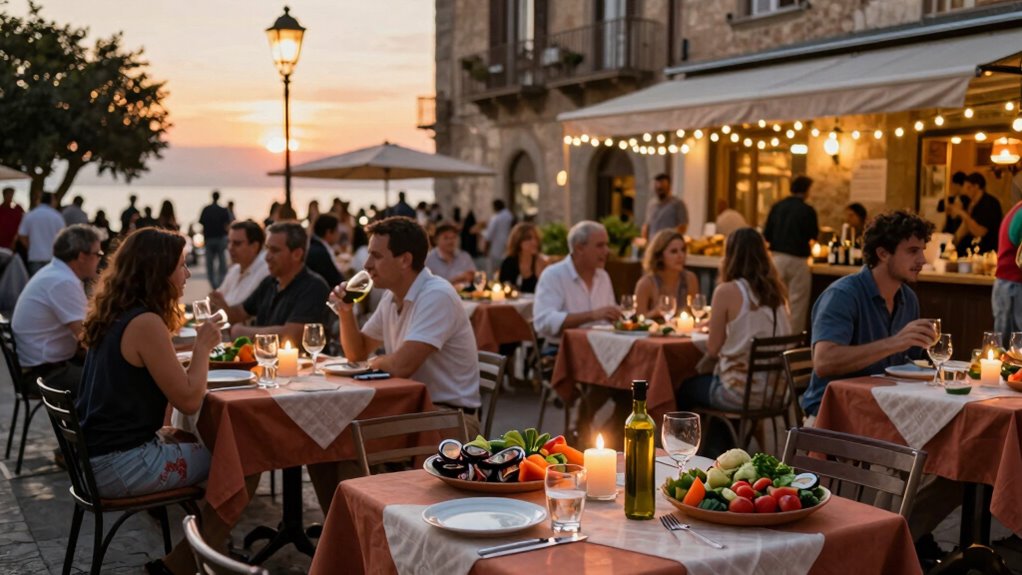
In these regions, lunch is often the main meal of the day, enjoyed with family around midday, usually between 1 and 3 p.m. This meal is substantial and considered the heart of daily eating routines, which then influences the timing of dinner. Because people have already eaten a hearty meal earlier, dinner becomes a lighter, more informal affair. It’s common to see locals gathering with friends or family in cafes or outdoor terraces well after sunset. This pattern aligns with traditional meal timing customs that emphasize social connection and the enjoyment of food, rather than just sustenance.
You’ll also notice that the late dinner schedule plays a role in the relaxed pace of life in these countries. People don’t rush through meals or eat on a tight schedule; instead, they take their time, savoring each course and engaging in conversation. This approach to dining is a key part of local dining customs and meal timing traditions that have been preserved for generations. The late start to dinner isn’t seen as unusual or inconvenient but as an opportunity to unwind after a day’s work and enjoy the cooler evening hours. Additionally, the climate in many parts of Southern Europe influences these meal timings, encouraging the late dining habits as a way to adapt to the heat and ambient conditions. During hot summers, people tend to dine later to avoid the heat, and this practice has become ingrained in the culture. In fact, many locals see dinner as a social event rather than merely a meal, which further explains the timing. Over time, meal timing traditions have shaped social expectations and daily routines, making late dinners a hallmark of the region’s lifestyle. So, when you visit, don’t be surprised if your dinner plans are pushed back into the evening hours—here, it’s simply part of the local way of life. Embracing this schedule can give you a richer experience of the culture, allowing you to enjoy the true rhythm of Southern European living.

Devoko 7 PCS Acacia Wood Patio Dining Set, Black Rattan
- Practical Patio Dining Set: Includes table and 6 chairs for outdoor gatherings
- Acacia Wood Table Top: 35×59 inch durable, anti-corrosion wood surface
- Sturdy Steel Frame: Provides strong support and stability
As an affiliate, we earn on qualifying purchases.
As an affiliate, we earn on qualifying purchases.
Frequently Asked Questions
How Do Dining Customs Differ Between Southern Europe and the U.S.?
In Southern Europe, dining customs focus on social dining, often involving multiple courses and late-night snacking, reflecting a relaxed pace. You’ll notice dinner starts later, allowing more time for conversation and connection. In contrast, Americans tend to eat earlier, with quicker meals and less emphasis on socializing during dinner. This difference highlights the Southern European preference for savoring meals and enjoying extended time with friends and family.
Do Europeans Typically Eat Dinner Alone or With Family?
Imagine a lively table where laughter echoes and dishes pass hand to hand—that’s typical in Southern Europe. You’ll find most Europeans prefer family meals over solo dining, especially in the evenings. They cherish these moments, sharing stories and savoring food together. It’s less common to eat alone, as the focus is on connection. This tradition fosters warmth and togetherness, making dinner a cherished part of daily life.
What Are Traditional Southern European Dinner Dishes?
You’ll find traditional Southern European dinner dishes rich in Mediterranean flavors and rustic recipes. Think of grilled seafood, flavorful pasta, and hearty stews in Spain’s gazpacho or Italy’s risotto. In Greece, you might enjoy moussaka, while Portugal offers bacalhau. These dishes emphasize fresh ingredients, simple preparation, and bold tastes, reflecting the region’s culinary heritage and love for sharing meals with family and friends.
How Does Climate Influence Dinner Times in Southern Europe?
You might notice that in Southern Europe, dinner times are later because climate-driven meal timing plays a big role. When the sun’s intense heat peaks, locals prefer to eat cooler, lighter meals later in the evening. Seasonal eating patterns also influence this, as summer’s longer daylight hours extend the time for socializing over food. So, it’s not just tradition—it’s nature shaping their daily rhythms, making dinner a pleasant, cooler affair.
Are There Regional Differences Within Southern European Countries?
Yes, there are regional variations within Southern European countries. You’ll notice that coastal areas often dine later due to warmer climates and vibrant social scenes influenced by cultural traditions. In contrast, inland regions might have slightly earlier dinners, shaped by local customs and historical practices. These regional differences highlight how cultural influences and climate shape dining habits, making Southern Europe’s dinner times diverse and uniquely adapted to each area.
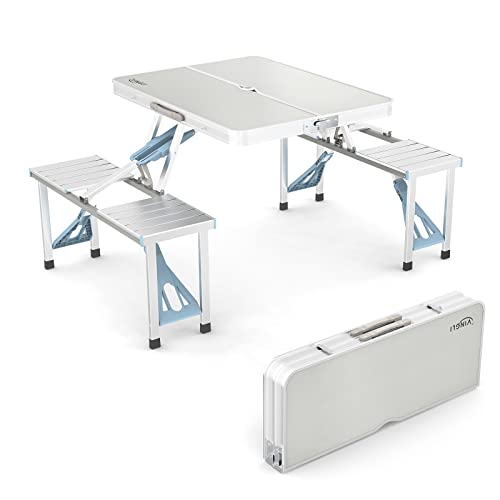
VINGLI 4Ft Folding Camping Picnic Table with Seats/Umbrella Hole-265 Lbs Support that Lightweight and Fold Up Card Suitcase Table Aluminum Alloy Frame, RV Tabletop with Soft Handl
- Compact Foldable Design: 34x4x13 inch suitcase size
- Spacious Table Surface: 34x53x26 inch when open
- High Weight Capacity: Table supports 110lbs, seats 265lbs each
As an affiliate, we earn on qualifying purchases.
As an affiliate, we earn on qualifying purchases.
Conclusion
So, next time you find yourself in Southern Europe, remember that dinner isn’t just a meal—it’s a dance that begins when the stars start to twinkle. Embrace the rhythm of their evenings, where meals unfold like a slow, elegant waltz rather than a hurried sprint. By adjusting your expectations, you’ll find yourself immersed in a culture that values savoring life’s flavors as much as life itself. After all, patience is the seasoning that makes their dinners truly special.

Gibson Home Folsom Shores 12 Piece Unbreakable Modern Melamine Plates and Bowls Dinnerware Set – Outdoor, Camping, & Everyday Use – White W/Black Rim
- Complete 4-Place Setting: Includes plates and bowls for four
- Durable Melamine Construction: Breakage-resistant for outdoor use
- Ideal for Outdoor Dining: Perfect for camping and picnics
As an affiliate, we earn on qualifying purchases.
As an affiliate, we earn on qualifying purchases.

Lauon Large Food Cover,6 Pack Mesh Food Tent,17"x17",White Nylon Covers,Pop-Up Umbrella Screen Tents,Patio Net for Outdoor Camping, Picnics, Parties,BBQ,Collapsible and Reusable
- Food Protection: Keeps food safe from bugs and debris
- Easy to Use: Simple to place and secure over dishes
- Durable Materials: Built to last with high-quality, lightweight materials
As an affiliate, we earn on qualifying purchases.
As an affiliate, we earn on qualifying purchases.