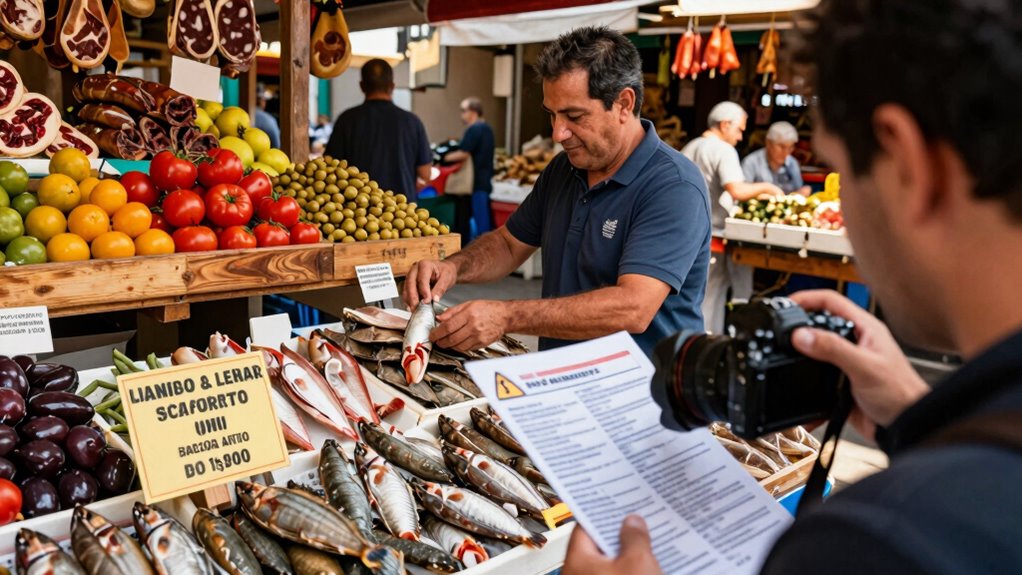

To handle food allergies in Spain, always read labels carefully for hidden allergens like nuts, soy, or gluten, and ask restaurant staff about ingredients and preparation methods. Carry your auto-injector and follow a personalized action plan during reactions. Communicate your allergies clearly to food providers and opt for safer dishes like gazpacho or plain rice. Staying informed about local labeling laws and resources helps you stay safe—discover more tips to manage your allergies effectively.

Get travel and outdoor gear delivered free — and shop member deals
- Fast, free delivery on millions of items
- Access to Prime Big Deal Days deals on October 6–7
- Prime Video, Amazon Music and more included
Key Takeaways
- Always read food labels carefully for allergen information and look for phrases like “may contain” or “processed in a facility with.”
- Communicate your allergies clearly to restaurant staff and request allergen-free modifications or dishes.
- Carry an epinephrine auto-injector and follow your personalized allergy action plan in case of severe reactions.
- Be vigilant about hidden allergens in processed foods, sauces, and cross-contact risks in Spain’s food environment.
- Join local allergy support groups and stay updated on Spanish food labeling laws and allergen regulations.
Epinephrine auto-injector for allergies
As an affiliate, we earn on qualifying purchases.
As an affiliate, we earn on qualifying purchases.
Understanding the Most Common Food Allergens in Spain
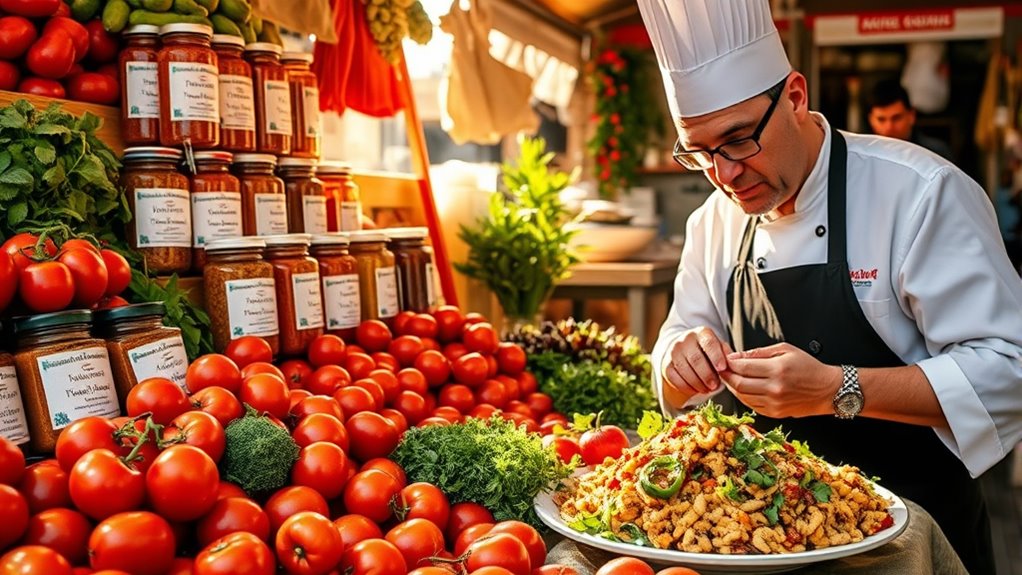
Understanding the most common food allergens in Spain is essential for effective allergy management. You should be aware that nuts and peanuts are the top triggers, responsible for over 85% of allergic reactions. Nuts account for 52.2%, while peanuts make up 32.8%. Milk and eggs follow as significant allergens, affecting around 30.6% and 22.4% of individuals, respectively. Fruit allergies, especially from apples, peaches, cherries, melons, and cucumbers, impact many adults. Children under five mainly react to eggs, milk, and fish, whereas adults tend to be allergic to nuts, vegetables, and celery. Additionally, soy is a hidden allergen in processed foods, making avoidance challenging. Knowing these common allergens helps you stay vigilant and better navigate food choices in Spain.
As an affiliate, we earn on qualifying purchases.
Recognizing Symptoms and When to Seek Emergency Care

Recognizing the symptoms of food allergies is essential for preventing severe reactions. Common signs include hives, swelling of the lips, face, or throat, difficulty breathing, stomach pain, vomiting, or dizziness. If you notice any of these symptoms shortly after eating, act quickly. In cases of mild reactions, antihistamines may help, but never ignore worsening symptoms. When symptoms escalate—such as throat tightness, difficulty breathing, or a sudden drop in blood pressure—you must seek emergency care immediately. Call emergency services or head to the nearest hospital. Using an epinephrine auto-injector can be lifesaving if prescribed. Prompt action can prevent an allergy from progressing into a life-threatening anaphylactic shock. Always carry emergency medication if you have known food allergies. Understanding food allergy management strategies is crucial for safety. Being aware of the importance of battery warranties can also help in creating optimal planning for maintenance and replacements, especially when considering reconditioned products. Additionally, staying informed about AI detection methods can help in identifying potential allergen presence in food products through emerging technology. Moreover, consulting with healthcare professionals about specialized allergy testing can improve your understanding and preparedness.
Allergy-friendly travel food containers
As an affiliate, we earn on qualifying purchases.
As an affiliate, we earn on qualifying purchases.
Navigating Food Labeling and Identifying Hidden Allergens
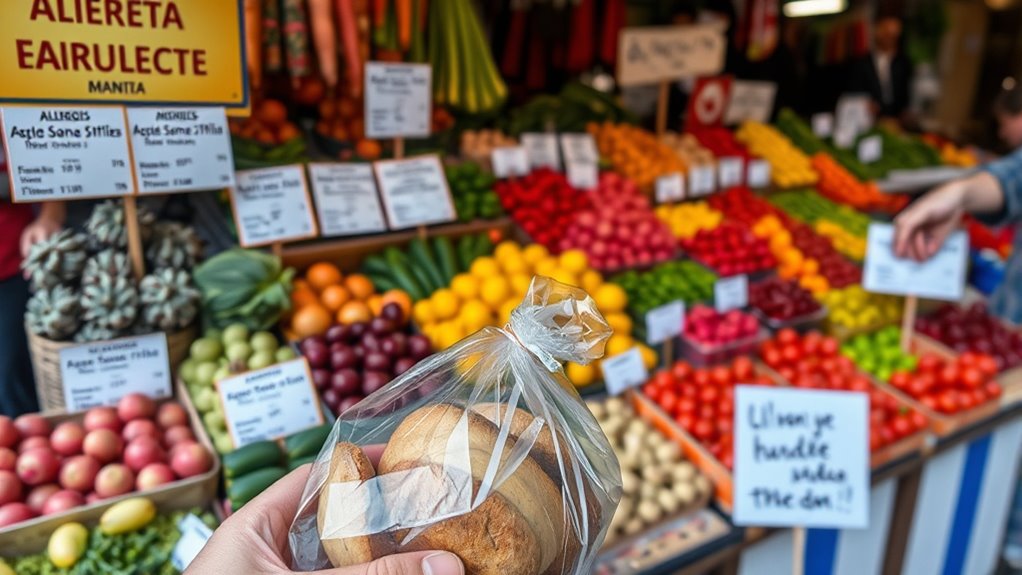
Interpreting food labels is essential for avoiding hidden allergens that can trigger reactions, especially since many processed foods contain ingredients you might not expect. Always read labels carefully, paying attention to allergen declarations and ingredient lists. Look for terms like “may contain,” “processed in a facility with,” or “produced on equipment that handles”—these phrases indicate potential cross-contact with allergens. Be aware that ingredients such as soy, nuts, or gluten might be hidden under confusing names or in additives. When shopping in Spain, familiarize yourself with local labels and allergen symbols. If you’re unsure about an ingredient or label, don’t hesitate to ask staff or contact the manufacturer. Staying vigilant helps you identify hidden allergens and avoid accidental exposure. Additionally, understanding the vetted brands and products available can help you make safer food choices while traveling, especially if you seek allergy-friendly options. Recognizing ingredient sources can further aid in avoiding unexpected allergens that are not clearly listed on labels. Being aware of allergen labeling standards in Spain can also assist in better understanding the information presented on food packaging. Moreover, learning about certified allergen-free products can provide additional reassurance for sensitive individuals.
As an affiliate, we earn on qualifying purchases.
Strategies for Avoiding Allergens in Spanish Cuisine
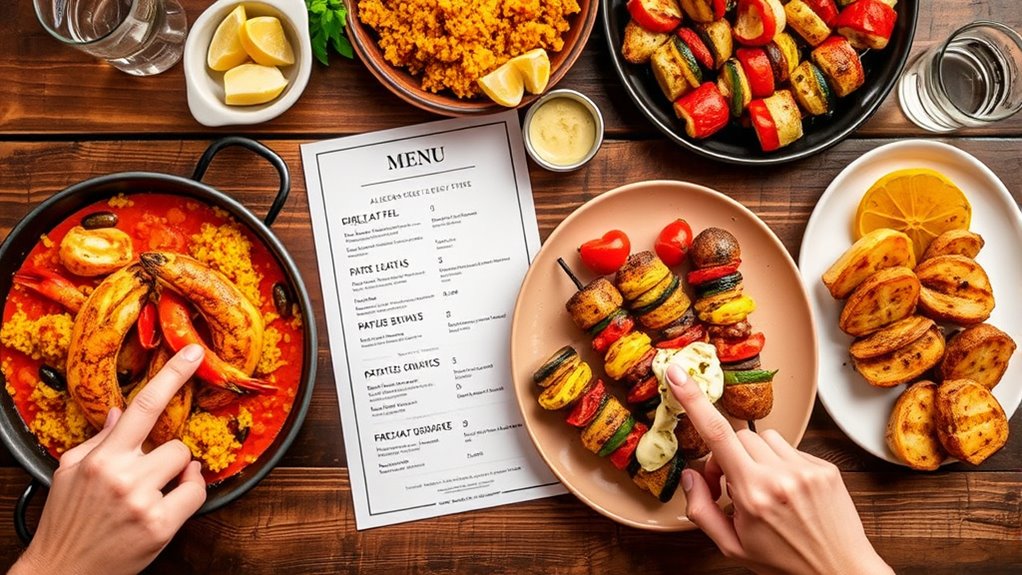
To effectively enjoy traditional Spanish dishes without risking allergen exposure, you need to adopt specific strategies tailored to the cuisine’s common ingredients and preparation methods. First, always communicate your allergies clearly to restaurant staff and ask about ingredients and cooking techniques. Second, request modifications, such as removing nuts, dairy, or seafood, when possible. Third, choose dishes with simpler ingredients, like gazpacho or paellas made without seafood or meat, to reduce risk. Additionally, be cautious with pre-made sauces, chorizo, and cured meats, which often contain hidden allergens. Being aware of water-related issues like the influence of environmental water quality on health can also be beneficial for managing allergies. By staying vigilant and proactive, you can enjoy authentic Spanish flavors safely. Recognizing the air quality in your environment is also crucial, as it can influence allergy symptoms and overall well-being. Furthermore, understanding the ingredients and cooking methods typical of Spanish cuisine can help you identify potential allergens before ordering. Incorporating knowledge about food safety standards in Spain can also guide you toward more allergy-friendly dining options.
Diagnosing Food Allergies: Tests and Medical Assessments

Diagnosing food allergies involves a combination of medical assessments and specialized tests to accurately identify the specific allergens causing reactions. You’ll typically start with a detailed medical history, where your healthcare provider reviews your symptoms and dietary patterns. Skin prick tests are common; they involve placing small amounts of allergens on your skin to observe reactions. Blood tests measure specific antibodies called IgE, indicating allergy presence. In some cases, an oral food challenge is performed in controlled settings, where you consume small amounts of suspected allergens under medical supervision. Elimination diets, systematically removing and reintroducing foods, also help pinpoint triggers. Incorporating unique textures can sometimes provide clues about sensitivities. Additionally, understanding the concept of Free Floating allergens can be important in identifying unexpected sources of allergens in your environment. Recognizing body piercing-related allergens, such as certain jewelry materials, is also crucial in allergy management. Being aware of hidden ingredients in processed foods can further aid in avoiding allergic reactions. Awareness of cross-reactivity between different allergens can also help prevent unexpected reactions. These assessments ensure precise diagnosis, guiding effective management strategies tailored to your allergy profile.
Managing Allergies at Home, School, and Dining Out

Managing food allergies effectively requires vigilance and preparation across all environments, whether at home, school, or when dining out. You need to communicate clearly with caregivers, teachers, and restaurant staff about your allergy. Always read ingredient labels carefully and carry allergy management tools like epinephrine auto-injectors. When at school, ensure that your child’s allergy action plan is understood and followed. In restaurants, ask detailed questions about ingredients and food preparation. To stay safe, consider these steps:
Stay vigilant—read labels, inform staff, and carry epinephrine to manage food allergies safely everywhere.
- Inform staff immediately about allergy restrictions before ordering.
- Keep allergen-free snacks handy for emergencies or delays.
- Educate family, friends, and caregivers about allergy triggers and safe practices.
Being proactive and informed helps prevent reactions and makes managing allergies more manageable.
Emergency Preparedness: Using Auto-Injectors and Action Plans
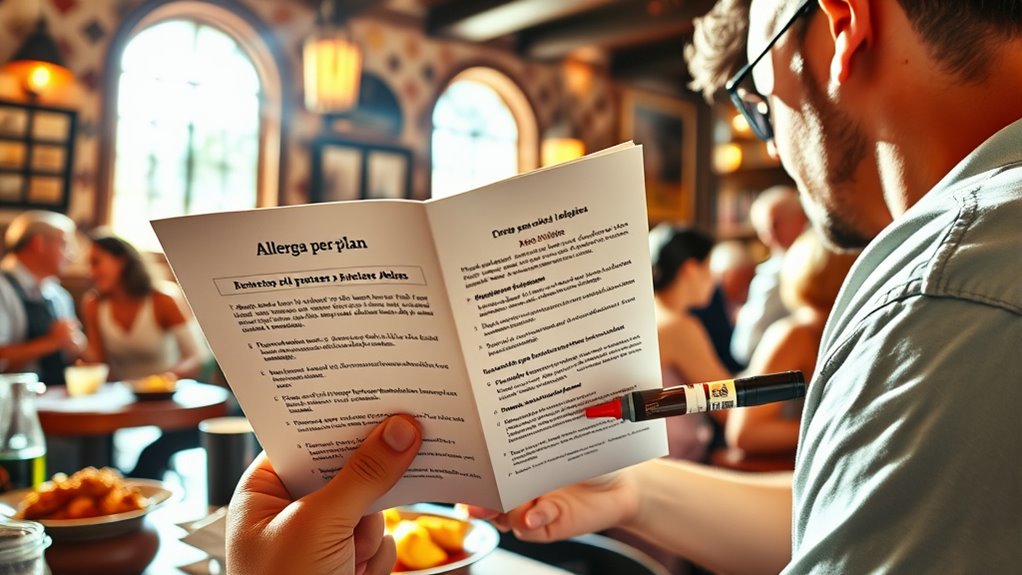
In an emergency caused by a food allergy reaction, quick action can be be lifesaving. You should always carry your auto-injector and know how to use it properly. Familiarize yourself with your action plan, which outlines steps to follow during a severe reaction. When symptoms appear—such as difficulty breathing, swelling, or dizziness—administer the auto-injector immediately. Call emergency services (112 in Spain) right after injection. Stay calm and lie down with your legs elevated if possible. Monitor your symptoms until help arrives. Keep your auto-injector accessible at all times, especially when dining out or traveling. Regularly review your allergy action plan with your healthcare provider to stay prepared. Being proactive can considerably improve your chances of a quick, effective response during a food allergy emergency. Additionally, understanding your net worth can help you access specialized medical services or travel options that might be necessary in emergency situations. Being aware of your knowledge of allergy triggers can also assist in avoiding accidental exposures and ensuring swift responses if they occur. Maintaining a balanced diet can support your overall health and potentially reduce allergy severity.
Staying Updated on Food Allergy Regulations and Support Resources

Staying current with food allergy regulations and support resources is crucial to guarantee your safety and well-being. Regulations in Spain are continuously evolving to improve allergen labeling, restaurant compliance, and public awareness. By keeping up-to-date, you can better avoid hidden allergens and access proper medical support when needed. Support resources, such as allergy organizations and patient networks, provide valuable information and community connections. To stay informed, consider the following:
- Regularly check official Spanish health authority websites for updates on food labeling laws and safety protocols
- Join allergy support groups or online forums for shared experiences and advice
- Subscribe to newsletters from trusted allergy organizations for the latest research, regulations, and support options
Remaining proactive ensures you’re well-prepared and protected in Spain’s dynamic allergy landscape.
Frequently Asked Questions
How Do Food Allergies Impact Daily Life in Spain?
Food allergies in Spain notably impact your daily life by making you cautious about what you eat, especially with common allergens like nuts, peanuts, milk, and fruits. You might need to read labels carefully, ask about ingredients when dining out, and carry emergency medication like epinephrine auto-injectors. Social activities and travel can become more challenging, requiring extra planning to avoid allergens and stay safe.
Are There Support Groups Available for Allergy Sufferers in Spain?
Yes, support groups for allergy sufferers are available in Spain. You can find local and online communities that offer advice, share experiences, and provide emotional support. Hospitals, clinics, and allergy organizations often host events or connect you with groups. Joining these groups helps you stay informed about allergy management, access resources, and connect with others facing similar challenges, making daily life with allergies a bit easier.
What Are the Latest Advancements in Food Allergy Treatments in Spain?
You won’t believe the groundbreaking advancements happening in Spain’s food allergy treatments! Cutting-edge immunotherapies now aim to desensitize your immune system, drastically reducing reactions over time. Researchers are developing personalized allergen-specific therapies and innovative oral desensitization protocols that could change everything. Plus, smarter emergency devices like auto-injectors are more reliable than ever. These breakthroughs are revolutionizing how you manage food allergies, making life safer and more manageable than you ever imagined!
How Do Spain’s Food Safety Regulations Protect Allergy Patients?
Spain’s food safety regulations protect allergy patients by enforcing strict labeling laws, requiring clear allergen information on packaging and menus. You’ll find regulations that mandate allergen declarations for pre-packaged foods and restaurant menus, helping you identify potential triggers easily. Additionally, safety protocols guarantee proper storage and handling of allergens, reducing cross-contamination risks. These measures aim to safeguard your health, giving you confidence while shopping and dining out across Spain.
Can Food Allergies Develop Later in Adulthood in Spain?
Yes, food allergies can develop later in adulthood in Spain. Though many people develop allergies during childhood, some adults experience new sensitivities, especially to nuts, vegetables, or fruits. Factors like changes in immune response, environmental exposures, or diet can trigger these late-onset allergies. Stay attentive to symptoms and consult healthcare professionals for proper testing and management, ensuring you’re protected regardless of age.
Conclusion
Managing food allergies in Spain might seem overwhelming, but with the right knowledge, you can stay safe and enjoy your meals. Stay vigilant about hidden allergens, always read labels carefully, and be prepared for emergencies. Remember, regulations and support resources are evolving—keeping yourself informed could make all the difference when it matters most. Are you ready to take control and guarantee your safety, even in the most unexpected culinary adventures?
Fall Picks
fall essentials
As an affiliate, we earn on qualifying purchases.