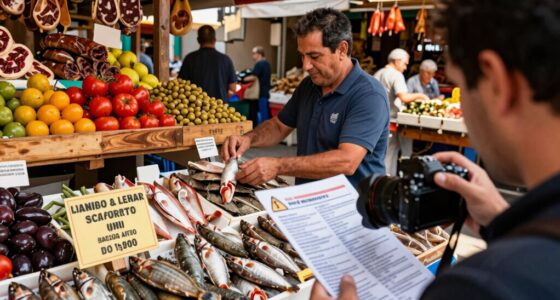
To handle food allergies in Italy, you should learn key Italian terms like *latte* (milk), *uova* (eggs), and *grano* (wheat). Always carefully check labels for allergen warnings, symbols, and bolded ingredients. Recognize symptoms like hives, swelling, or breathing issues, and know how to respond quickly with emergency medication. Staying informed about local food labeling laws and cultural practices helps you stay safe—more tips are ahead to support your journey.
Key Takeaways
- Learn Italian allergen terms like *latte* (milk), *uova* (eggs), and recognize symbols such as the crossed wheat icon.
- Always read food labels carefully, paying attention to bolded warnings and ingredient lists for allergens.
- Communicate your allergies clearly to restaurant staff using translated allergy cards or key phrases.
- Carry emergency medication (e.g., EpiPen) and recognize signs of severe reactions for prompt action.
- Stay updated on local regulations and trusted brands offering gluten-free, lactose-free, or allergen-free products.

THE GLUTEN-FREE TRAVEL GUIDE TO ITALY: Celiac-Safe Trattorias and Grocery Hacks for Stress-Free Organic Dining
As an affiliate, we earn on qualifying purchases.
As an affiliate, we earn on qualifying purchases.
Understanding the Prevalence of Food Allergies in Italy and Europe
Understanding the prevalence of food allergies in Italy and across Europe reveals a significant public health concern. Nearly 20% of Europeans report having a food allergy at some point in their lives, with about 13% experiencing symptoms at any given time. Sensitization, measured through specific IgE, affects roughly 17%, while skin prick tests show about 6% positivity. In Italy, 16% of adults report lactose intolerance, and 72% of respondents say they have no food intolerances or allergies. These statistics indicate that food allergies and intolerances are widespread, affecting a sizable portion of the population. The increasing trend in allergy diagnoses, along with stable food challenge results, highlights ongoing challenges in understanding and managing these conditions across Europe and Italy. Additionally, high-quality testing methods play a crucial role in accurately diagnosing and managing food allergies. Advancements in diagnostic tools continue to improve the precision of allergy detection and support better treatment strategies. Moreover, public awareness campaigns are essential for improving understanding and management of these conditions among the general population.

Italian Milk Allergy Card | Plastic Medical Alert Chef Card | Equal Eats Dairy Allergy Translation Card for Travel to Italy
- Compact Credit Card Size: Durable and portable design
- Double-Sided Language: Foreign language on one side, English on the other
- Professionally Translated: Verified by native speakers
As an affiliate, we earn on qualifying purchases.
As an affiliate, we earn on qualifying purchases.
Common Food Allergens and Their Impact on Italian Consumers

In Italy, certain foods consistently stand out as the most common allergens, affecting a significant portion of the population. Cow’s milk, eggs, and wheat top the list, with many Italians reporting sensitivities or allergies to these staples. Cow’s milk allergy has a reported lifetime prevalence of around 5.7%, and egg allergies affect approximately 2.4%. Wheat, a key ingredient in many traditional dishes, causes issues for some individuals, though verified allergies are less common. These allergens can impact daily life, prompting many to read labels carefully, ask about ingredients, and choose specialized products. As awareness grows, the food allergy market in Italy expands, emphasizing the importance of proper management and understanding of these common allergens to ensure safety and enjoy local cuisine responsibly. Additionally, understanding Piercing Care and Hygiene can be crucial for individuals with sensitive skin or allergies, as proper aftercare minimizes irritation and infection risks. Recognizing food labeling regulations is essential for consumers to make safe choices and avoid allergenic ingredients effectively.

SITHON EpiPen Medical Carrying Case Insulated, Travel Medication Organizer Bag Emergency Medical Pouch Holds 2 EpiPens, Asthma Inhaler, Anti-Histamine, Auvi-Q, Allergy Medicine Essentials, Pink
- Compact and Well-Organized: Securely holds allergy supplies and inhalers
- Travel-Ready Design: Includes hand strap, carabiner, and reflective strip
- Ample Storage Capacity: Holds 2 EpiPens, inhalers, and allergy meds
As an affiliate, we earn on qualifying purchases.
As an affiliate, we earn on qualifying purchases.
Recognizing the Symptoms and Risks of Food Allergies in Italy
You need to be aware of the common symptoms of food allergies, such as hives, swelling, or difficulty breathing, which can appear quickly after eating. Recognizing these signs early helps prevent severe reactions. Keep in mind that some reactions, like anaphylaxis, can be life-threatening if not treated immediately. Being prepared with knowledge about food allergy management can make a significant difference in emergency situations. Additionally, understanding common allergenic foods prevalent in Italy, such as nuts, shellfish, and dairy, can help you avoid potential triggers. Incorporating awareness of Free Floating concepts like natural, minimally processed ingredients can also assist in identifying safe food options.
Identifying Common Symptoms
Recognizing the symptoms of food allergies is essential for prompt diagnosis and effective management in Italy. You should be alert to signs that appear shortly after eating, as these often indicate an allergic reaction. Common symptoms include:
- Hives or skin rash
- Swelling of lips, face, or throat
- Abdominal pain, nausea, or vomiting
- Difficulty breathing or wheezing
- Dizziness or fainting
These symptoms can range from mild to severe, and timely recognition can prevent escalation. Keep in mind that reactions may vary depending on individual sensitivity and the allergen involved. Being aware of these indicators helps you seek immediate medical attention and communicate effectively with healthcare providers. Recognizing these signs is a crucial step toward managing food allergies safely in Italy. Proper air purifier maintenance can also ensure a healthier indoor environment, which is especially important for individuals with allergies or sensitivities. Understanding food labeling laws in Italy can further aid in avoiding hidden allergens and ensuring safer food choices.
Understanding Severe Reactions
Severe allergic reactions can develop rapidly and pose serious health risks if not identified and treated promptly. You might notice symptoms like difficulty breathing, swelling of the face or throat, and a sudden drop in blood pressure. Recognizing these signs early can save your life.
| Symptom | Risk Level |
|---|---|
| Breathing difficulty | Immediate emergency requiring EpiPen and medical attention |
| Swelling of face/throat | Can obstruct airway, life-threatening |
| Dizziness or fainting | Indicates shock, urgent response needed |
In Italy, understanding these symptoms helps you act quickly, avoiding life-threatening complications. Always carry your allergy medication and seek emergency care if you experience severe reactions. Prompt action saves lives.

Allergen Allergy Warning Labels Sticker Red Adhesive Allergies Stickers
- Contains 9 Common Allergens: Includes Dairy, Soy, Fish, Wheat, Eggs, Gluten, Shellfish, Peanuts, Tree Nuts
- Writable Allergen Labels: Use pen or marker to customize
- Bright Fluorescent Red Design: Eye-catching and easy to notice
As an affiliate, we earn on qualifying purchases.
As an affiliate, we earn on qualifying purchases.
Navigating Food Labels and Dietary Restrictions in Italy
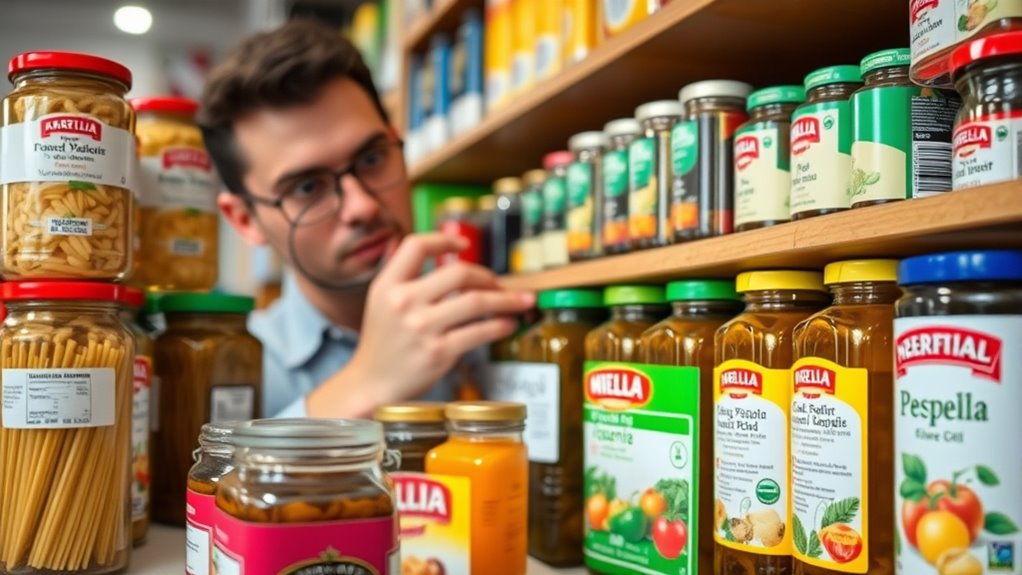
When you’re in Italy, reading food labels carefully is essential to avoid allergens and comply with dietary restrictions. Labels often list ingredients in Italian, so learning key terms can help you spot potential allergens quickly. Managing your diet becomes easier when you understand how to interpret labels and communicate your needs effectively. Additionally, being aware of common food allergy scams can help you avoid unsafe products and ensure your dietary safety while traveling. Familiarizing yourself with food labeling regulations can further enhance your ability to identify safe options and prevent accidental exposure to allergens. Knowing the proper terminology used on labels also empowers you to ask for assistance or clarification when shopping or dining out.
Reading Italian Food Labels
Ever find yourself puzzled by Italian food labels? Don’t worry—learning to read them is key to managing food allergies abroad. Focus on understanding common terms and symbols used on packaging. Look for ingredients lists, paying close attention to allergen warnings, often highlighted or bolded. Recognize the Italian phrases for allergens, such as *latte* (milk), *uova* (eggs), and *grano* (wheat). Check for symbols like the crossed-out wheat or dairy icons indicating allergen-free products. Always verify the expiration date and manufacturer details. Keep an eye out for labels in multiple languages, especially in tourist-heavy areas. Familiarity with these elements helps you make safe choices, avoid cross-contamination, and confidently navigate Italy’s vibrant food scene.
Managing Dietary Restrictions
Looking through food labels in Italy can seem intimidating, but understanding key terms and symbols makes it manageable. Look for words like “senza” (without) or “senza glutine” (gluten-free) to identify suitable options. Pay attention to allergen warnings, usually highlighted near ingredients or in bold, indicating presence of nuts, milk, eggs, or wheat. Italy uses symbols such as the crossed-out ear of wheat for gluten-free products. Always check the ingredients list carefully—ingredients may vary by brand and product. If labels aren’t clear, ask staff at restaurants or stores for clarification. Carry a translated allergy card if needed. Being vigilant about labels helps you confidently manage your dietary restrictions and enjoy Italy’s cuisine safely. Additionally, familiarizing yourself with water resistance ratings on food packaging can help you better understand the durability and safety of canned or bottled products during travel.
Advances in Diagnosis and Management of Food Allergies in Italy
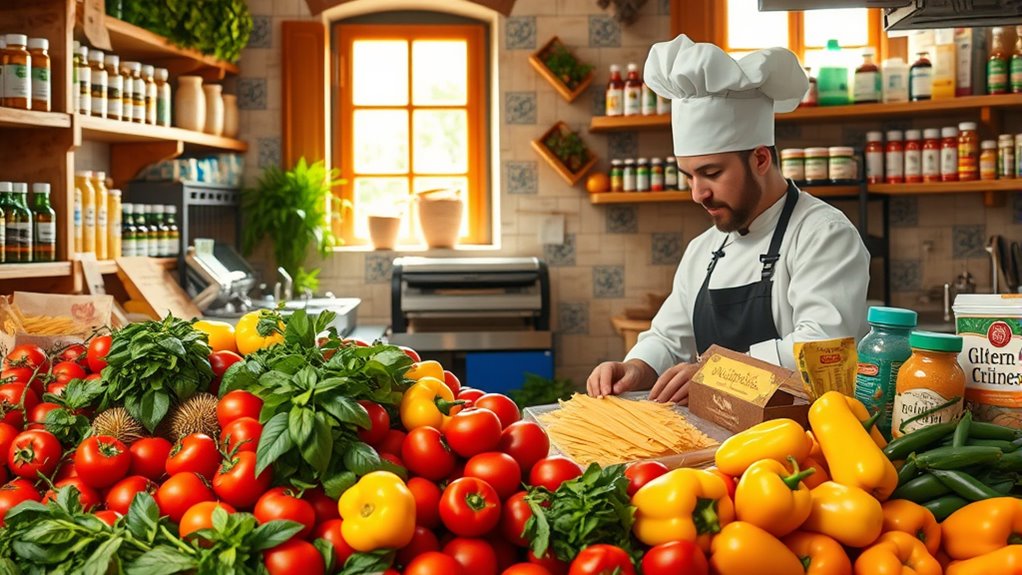
Recent advances in diagnosing and managing food allergies in Italy have considerably improved patient outcomes and safety. New diagnostic tools, like component-resolved diagnostics, enhance accuracy by identifying specific allergenic proteins. Skin prick tests and specific IgE measurements continue to evolve, offering quicker, more reliable results. Managing food allergies now emphasizes personalized treatment plans, integrating oral immunotherapy and tailored avoidance strategies. Italy’s healthcare system has adopted standardized protocols, reducing regional disparities. Additionally, increased awareness and training for healthcare providers ensure early detection and intervention. Cutting-edge research and international collaborations further refine management approaches. The adoption of standardized protocols across various regions helps ensure consistent and effective patient care, while ongoing studies into sound healing science may open new avenues for supportive therapies.
Market Trends and Opportunities for Allergy-Related Products in Italy
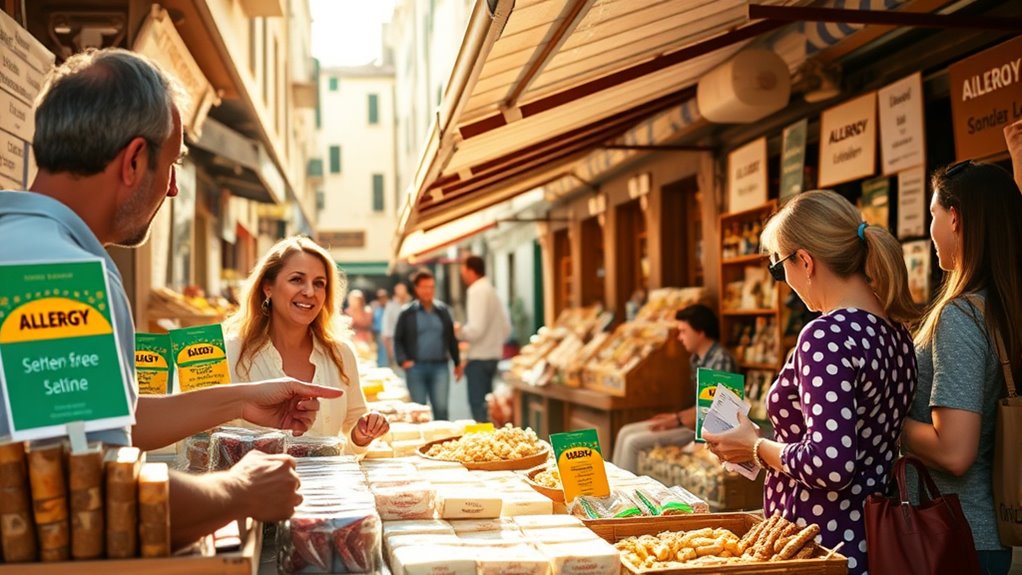
The allergy-related products market in Italy is experiencing rapid growth driven by rising awareness, increasing prevalence of food allergies, and expanding diagnostic and treatment options. You’ll find a surge in demand for specialized foods, such as gluten-free and lactose-free products, reflecting growing consumer awareness. You can see a shift toward innovative allergy management solutions, including wearable devices and digital apps to track symptoms and triggers. The market also sees expanding offerings in allergy testing kits, oral immunotherapy, and management tools designed for both children and adults. With projections reaching US$288.8 million by 2030 and a compound annual growth rate of 9.3%, opportunities abound for innovative brands. As awareness continues to grow, so does the need for reliable, accessible products that help manage allergies safely. Proper handling of food allergies is essential for ensuring safety and confidence among consumers, especially in diverse dining environments. Moreover, integrating Indonesian decor masks into healthcare environments can promote a calming atmosphere, which is beneficial for allergy sufferers. Additionally, the growing focus on natural and organic ingredients aligns with consumer preferences for healthier allergy-friendly options.
Frequently Asked Questions
How Prevalent Are Hidden Food Allergens in Italian Processed Foods?
Hidden food allergens are quite common in Italian processed foods. You should be aware that cross-contact during manufacturing can introduce allergens like milk, eggs, and wheat into products not obviously containing them. Since 16% of Italians report lactose intolerance and many others have sensitivities, always read labels carefully. Stay vigilant, ask questions when dining out, and consider consulting allergen information to avoid accidental exposure.
What Are the Most Common Misdiagnoses Related to Food Allergies in Italy?
Like a broken record, misdiagnoses often lead you astray in Italy. You might mistake food intolerances, such as lactose intolerance, for true allergies, causing unnecessary worry. Conversely, actual allergies, like egg or cow’s milk, can be overlooked or misclassified as other conditions. This confusion stems from inconsistent testing and subjective symptom reporting, making accurate diagnosis challenging. You should seek standardized testing and expert advice to prevent unnecessary dietary restrictions or health risks.
How Accessible Are Specialized Allergy Testing Services Across Italian Regions?
Specialized allergy testing services in Italy vary widely across regions. In urban areas, you’ll find more clinics offering detailed tests like skin prick, IgE blood tests, and food challenges. However, in rural or less-developed regions, access can be limited, requiring you to travel to major cities for proper diagnosis. It’s essential to consult local healthcare providers or allergy specialists to determine the availability and plan accordingly.
Are There Cultural Dietary Practices Affecting Allergy Management in Italy?
Cultural dietary practices in Italy influence allergy management considerably. You might find that traditional Italian cuisine, rich in dairy, wheat, and eggs, complicates avoiding allergens. Social dining customs and family recipes often include these ingredients, making it harder to navigate allergies. To manage effectively, you should communicate your allergies clearly, seek out local alternatives, and collaborate with restaurant staff to ensure safe meal options that respect cultural traditions.
What Legal Protections Exist for Italian Consumers With Food Allergies?
Italy’s got your back with some solid legal protections. You’re protected by strict food labeling laws that demand clear ingredient lists, making it tough for allergens to hide like a bad secret. Restaurants must also cater to special dietary needs, and penalties punish those who ignore these rules. So, if you’re allergic, you can breathe easier—Italy’s legal framework aims to keep you safe, even if your pasta doesn’t.
Conclusion
Exploring Italy’s culinary landscape with food allergies is like steering a delicate boat through unpredictable waters—you’ll need awareness, patience, and a keen eye for detail. By understanding common allergens and reading labels like a seasoned detective, you can savor Italy’s flavors without fear. Embrace the advances in diagnosis and management, turning challenges into opportunities. With careful planning, your allergy journey becomes a tapestry of safe, vibrant experiences—transforming Italy’s rich food culture into a haven of confident exploration.