

To use European pharmacies smoothly, learn the local regulations for prescriptions and medicine availability, and carry both digital and paper copies of your documents. Communicate clearly and in simple language, using translation tools if needed. Understand that pharmacists may suggest alternatives or generic options during shortages, so stay informed about safety alerts and product info. With some preparation and awareness, you’ll navigate pharmacy visits confidently and efficiently—more tips are waiting to help you avoid awkward moments.
Key Takeaways
- Learn basic medical terminology in the local language and carry a written list of your medications and symptoms.
- Carry both digital and paper copies of prescriptions and medical documents to facilitate pharmacy visits.
- Familiarize yourself with local pharmacy services, regulations, and medicine approval rules before traveling.
- Communicate clearly with pharmacists using simple language and translation tools to avoid misunderstandings.
- Know cross-border regulations, including medication quantity limits and documentation requirements, to prevent border crossing issues.
Top picks for "european pharmacy without"
Open Amazon search results for this keyword.
As an affiliate, we earn on qualifying purchases.
Understanding the Different Types of Pharmacy Services in Europe

Have you ever wondered about the range of services offered by community pharmacies in Europe? These pharmacies do more than just dispense medicines—they’re healthcare hubs. You can get advice on minor ailments, like colds or allergies, without visiting a doctor. Pharmacists can also perform health screenings, such as blood pressure or cholesterol checks, and provide vaccinations in many countries. Some pharmacies offer smoking cessation programs or weight management support. When you need over-the-counter remedies or generic medicines, pharmacists help you choose the right options. Additionally, they often prepare customized medicines when needed. Many community pharmacies serve as accessible points for health education and basic health interventions, making healthcare more convenient. Understanding these diverse services helps you utilize pharmacy resources effectively across Europe. Modern pharmacy services are designed to support your overall health and well-being beyond just dispensing medications. Furthermore, many pharmacies are now equipped with advanced automation and digital tools, improving the efficiency and safety of your healthcare experiences.
Navigating Prescription Requirements Across Countries
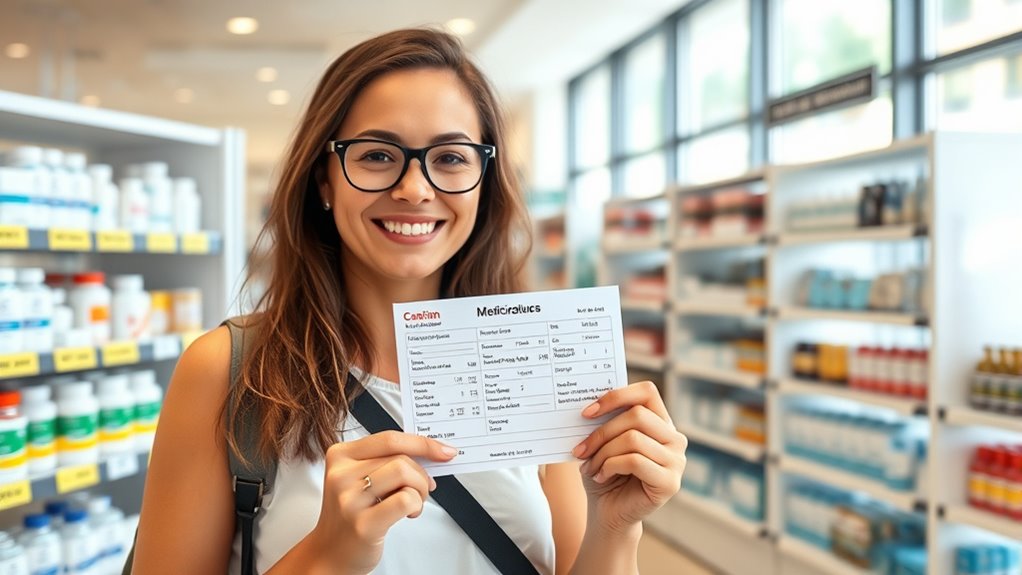
Understanding the wide range of services offered by community pharmacies across Europe naturally leads to questions about how prescriptions are managed in different countries. Each nation has its own rules for prescribing and dispensing medications. In some countries, a doctor’s handwritten prescription from your home country is accepted, while others require a local prescription from a local doctor. Many countries also recognize electronic prescriptions, but formats and procedures vary. Some pharmacies may request additional documentation or proof of legal status, especially for non-residents. It’s essential to check ahead whether your prescription needs to be translated or endorsed. Be prepared to provide identification and possibly some medical records. Additionally, being aware of European medication regulations can help you better understand the requirements and streamline your pharmacy visits abroad. Familiarizing yourself with cross-border healthcare laws can further prevent misunderstandings and ensure smoother medication access. Understanding medication regulations across borders can help you avoid delays and confusion when filling prescriptions abroad, especially when combined with knowledge of pharmacy procedural differences. Being aware of prescription validation procedures can also make the process more seamless and less stressful.
Recognizing the Role of Pharmacists in Medication Substitution and Advice

Pharmacists play a key role in ensuring your medication is safe and effective by offering expert advice and making substitutions when necessary. They quickly identify shortages and provide suitable alternatives, working closely with prescribers and you. Their proactive approach helps maintain consistent access to medicines and supports your overall health. Additionally, understanding medication substitution processes can influence how you perceive your healthcare options and interactions. Being aware of drug availability and how pharmacists manage it can also help reduce confusion and improve your confidence in healthcare decisions. Knowing how to assess medication needs can further empower you to engage effectively with your healthcare providers. Recognizing how pharmacists handle alternative medications ensures you are informed about potential changes to your prescriptions and their implications.
Substituting Medications Safely
Did you know that pharmacists play a crucial role in ensuring medication safety through substitution? They assess your prescriptions to find suitable alternatives, especially during shortages or when generics are available. Pharmacists consider factors like active ingredients, bioequivalence, and patient allergies before recommending substitutes. They also consult with prescribers to confirm safety and appropriateness. Here’s a quick overview:
| Role | Action | Focus |
|---|---|---|
| Medication assessment | Evaluates suitability of alternatives | Patient safety |
| Consultation with prescribers | Confirms substitution choices | Accuracy and safety |
| Patient communication | Explains differences and instructions | Proper medication use |
Additionally, understanding the regulations surrounding medication substitutions helps ensure that patients receive safe and effective treatments. Recognizing the importance of affiliate disclosure ensures transparency about potential influences on medication recommendations. Being aware of drug formulation differences can help prevent confusion when switching between brands or generics. Pharmacists also stay informed about medication guidelines to support safe substitution practices and optimize patient outcomes. Staying updated on pharmaceutical standards further enhances their ability to recommend appropriate alternatives safely.
Providing Expert Guidance
Recognizing the essential role pharmacists play in medication safety, they provide expert guidance to guarantee you receive the right treatment. Pharmacists assess your prescriptions for accuracy, potential interactions, and suitability. They can advise on generic alternatives or different formulations if your medication is unavailable or in short supply. When you have questions about side effects or proper use, pharmacists clarify complex information, ensuring you understand your treatment plan. They also stay updated on new medicines, regulations, and supply issues, helping you navigate changes with confidence. By collaborating with prescribers, pharmacists help optimize your therapy and minimize risks. Their guidance ensures you make informed decisions about your health, making pharmacy visits more than just dispensing—they’re crucial for your safety and well-being. Additionally, understanding the concept of free floating can help you better grasp how some medications or treatments are adaptable to your specific needs. Developing attention to detail can further enhance your interactions with healthcare providers and ensure your medication regimen is tailored accurately. Recognizing the role of pharmacists in medication substitution allows you to better appreciate the options available when your medication is limited or unavailable. Furthermore, awareness of automotive repair basics can help you identify potential issues early and communicate more effectively with professionals when repairs are needed. Being aware of regional pharmacy regulations can also assist you in understanding your rights and the procedures involved in medication management across different locations.
Reporting Shortages Promptly
When shortages occur, pharmacists play a vital role in maintaining patient safety by reporting these disruptions quickly and accurately. By alerting national authorities through established systems, you help guarantee that supply issues are documented and managed efficiently. Prompt reporting allows regulatory bodies to coordinate responses, identify alternative medicines, and prevent treatment delays. Your immediate communication also supports the European Shortages Monitoring Platform (ESMP), which tracks supply disruptions across the continent. When you notice a shortage, inform your pharmacy’s designated channels without delay, providing detailed information about the affected products. This proactive approach helps regulators and healthcare providers address shortages swiftly, ensuring patients receive safe and effective alternatives. Your vigilance in reporting shortages directly contributes to a resilient, transparent, and well-coordinated medication supply chain. Understanding the Gold IRA markets can also help you make informed decisions about financial safety during uncertain times.
How to Handle Medicine Shortages and Alternative Options

Managing medicine shortages effectively requires prompt communication and strategic planning. When you discover a medication is unavailable, ask your pharmacist about possible alternatives or equivalent products. Pharmacists can suggest authorized generics or comparable treatments, often based on the European Product Information and clinical guidelines. If a suitable substitute isn’t immediately available, consider asking your pharmacist to notify the pharmacy’s shortage reporting system or the national shortages platform. This helps regulators monitor supply issues and facilitates faster resolution. Always consult your prescriber before switching medicines, especially for critical treatments. Keep in mind that some shortages are temporary, while others may require exploring entirely different therapies. Staying proactive, informed, and open to professional guidance ensures you navigate shortages with minimal disruption to your health. For example, understanding the horsepower of electric dirt bikes can help in choosing appropriate transportation options during shortages. Additionally, being aware of thermal behavior in medicine storage can prevent spoilage and ensure medication efficacy. Recognizing the significance of well-sourced name coverage can also aid in verifying medication authenticity and safety.
Reading and Interpreting European Product Information and Leaflets
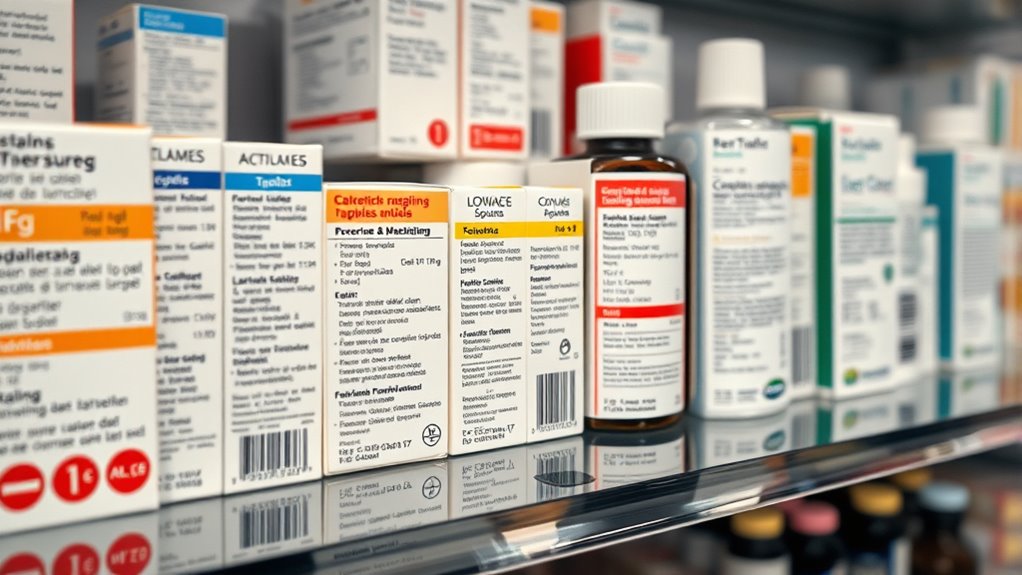
Understanding European Product Information and leaflets is essential for making informed decisions about your medicines. These documents contain crucial details like dosage, side effects, contraindications, and storage instructions. Learning to interpret them helps you avoid confusion and ensure safe use.
To get the most out of these leaflets, keep in mind:
- Focus on key sections like “Warnings,” “Dosage,” and “Interactions” to quickly find vital info.
- Check the language and symbols; European leaflets often include icons for precautions and storage.
- Compare with your prescription to confirm the medication matches your doctor’s instructions and check for any warnings specific to your health conditions.
Accessing and Using Digital Health Tools and Electronic Prescriptions

You can now access your prescriptions and health data through secure digital tools and electronic systems in many European pharmacies. These platforms make it easier to manage your medications and share information safely, but it’s crucial to understand data security measures. Online pharmacies also offer convenient options for purchasing medicines, provided you follow proper access procedures and safety guidelines.
Electronic Prescription Systems
Have you ever wondered how digital health tools are transforming prescription practices across Europe? Electronic prescription systems make getting your medicines simpler and faster. You can now receive prescriptions directly on your smartphone or pharmacy terminal, reducing errors and paperwork. This system allows seamless communication between your healthcare provider and the pharmacy, ensuring prescriptions are accurate and up-to-date. Plus, electronic prescriptions help prevent counterfeit medicines and improve tracking for safety.
- Save time by avoiding paper forms and waiting in lines
- Access prescriptions anytime through secure online portals
- Easily update or renew prescriptions without extra visits
These innovations streamline your pharmacy experience, making medication management more efficient and less confusing. Embracing electronic prescriptions means smoother, safer healthcare across Europe.
Digital Health Data Security
As electronic prescriptions become more common across Europe, ensuring the security of your health data takes on greater importance. You need to trust that your sensitive information is protected from unauthorized access. Use secure platforms and verify the authenticity of digital health tools before sharing data. Hospitals, pharmacies, and health apps must comply with GDPR and EU data privacy standards. Be cautious with third-party apps and always check their privacy policies.
| Security Measures | Your Responsibilities |
|---|---|
| Encryption of data in transit and storage | Use strong, unique passwords for health accounts |
| Regular security updates | Keep your devices and apps up-to-date |
| Multi-factor authentication | Enable two-factor authentication on health portals |
| Data access controls | Limit sharing of personal health info |
Accessing Online Pharmacies
Accessing online pharmacies has become an increasingly convenient way to obtain medicines, especially with the rise of digital health tools and electronic prescriptions. You can order your medicines from trusted platforms, often saving time and avoiding the need for in-person visits. To do this smoothly, guarantee your healthcare provider issues electronic prescriptions compatible with the pharmacy’s system. Many online pharmacies also provide secure messaging for consultations or advice.
- Verify the pharmacy’s licensing and reputation before ordering.
- Use official digital health platforms linked to your national health system.
- Keep your electronic prescriptions and health data secure and private.
Staying Informed About Medicine Approvals and Safety Alerts

Staying informed about medicine approvals and safety alerts is essential for guaranteeing safe and effective use of pharmaceuticals in Europe. You should regularly check official sources like the European Medicines Agency (EMA) website, which publishes approval decisions, safety updates, and recall notices. Sign up for alerts from national authorities or pharmacy platforms that provide real-time notifications. Pay attention to the Summary of Product Characteristics (SmPC) and safety communications, which detail approved uses and potential risks. This helps you understand new restrictions or warnings. Staying current prevents reliance on outdated or unsafe medicines. Additionally, participating in pharmacovigilance by reporting side effects contributes to public safety. By keeping yourself informed, you ensure your medication use remains safe, effective, and aligned with the latest regulatory standards across Europe.
Managing Cross-Border Pharmacy Visits and Regulations

Have you ever considered how traversing pharmacy regulations across European countries impacts your ability to obtain medicines during cross-border visits? Different countries have unique rules about medicine approval, dosage, and documentation, which can cause confusion. To manage this smoothly, stay informed about local regulations before your trip. Always carry prescriptions or official doctor’s notes, as they may be required for certain medicines. Know that pharmacy staff are trained to help you navigate these rules, but you should also be aware of key differences that could affect your access.
- Check if your medication is available or approved in the country you’re visiting.
- Keep digital or paper copies of prescriptions handy.
- Be aware of specific rules for bringing medicines across borders, including quantity limits.
Tips for Communicating Effectively With Pharmacists in Different Languages

Effective communication with pharmacists across different languages requires more than just speaking clearly; it involves understanding and adapting to local terminology and expressions. Learn basic medical terms in the local language, especially for common medications and symptoms. Use simple, straightforward language and avoid jargon that might not translate well. Bringing a translation app or phrasebook can help clarify uncertainties quickly. If possible, prepare a written list of your symptoms, allergies, and current medications, translated into the local language. Be patient and attentive, and don’t hesitate to ask for clarification if something isn’t clear. Remember, pharmacists are there to help, and showing willingness to understand their language can foster trust and ensure you get the right advice.
Frequently Asked Questions
How Do I Verify if a Pharmacy Is Licensed in Europe?
You can verify if a pharmacy is licensed in Europe by checking if it’s registered with the national competent authority (NCA) in that country. Look for official online directories or certification logos on their website, which indicate compliance with local regulations. Additionally, you can contact the NCA directly or visit their website to confirm the pharmacy’s licensing status, ensuring it operates legally and safely.
Are Over-The-Counter Medicines Interchangeable Between European Countries?
You see two pharmacies side by side, one bright and modern, the other traditional and quaint. Over-the-counter medicines are generally interchangeable across European countries, but it’s not always seamless. Variations in formulations, packaging, and branding exist due to national regulations. Always check the specific product’s information and consult your pharmacist. While many medicines can be swapped, verify compatibility to guarantee safety and effectiveness before making a switch.
Can I Use My Home Country’s Prescription in European Pharmacies?
You can usually use your home country’s prescription in European pharmacies, but rules vary by country. Bring a valid prescription, ideally translated or with international details, and check if the pharmacy accepts it. Some countries might require a local prescription or additional documentation. Always contact the pharmacy beforehand to confirm their requirements, and consider visiting a local doctor if needed to get a valid European prescription for smoother service.
What Should I Do if I Experience Language Barriers With Pharmacists?
When faced with language barriers at European pharmacies, remember that “a picture is worth a thousand words.” Use translation apps on your phone to communicate your needs clearly, and carry written notes or prescriptions in the local language. Don’t hesitate to ask for help from staff or seek a bilingual pharmacist. Your proactive approach makes overcoming language barriers easier, ensuring you get the right medicines safely and confidently.
How Can I Access Official Safety Alerts for Medicines in Europe?
You can access official safety alerts for medicines in Europe through the European Medicines Agency’s (EMA) website. They publish safety warnings, updates, and pharmacovigilance reports regularly. Additionally, national competent authorities’ websites provide local safety alerts. Sign up for email notifications or RSS feeds from these sources to stay informed. This way, you’ll receive timely, accurate information directly from trusted agencies, helping you stay safe and aware of any important updates.
Conclusion
Navigating European pharmacies is like sailing through a vibrant, ever-changing sea—each port offers new sights and protocols. With the right knowledge, you can steer confidently, avoiding confusion and making the most of your journey. Remember to understand local services, communicate clearly, and stay informed about safety updates. By staying prepared, you’ll turn potential waves into smooth sailing, ensuring your health needs are met seamlessly across Europe’s pharmacy waters.