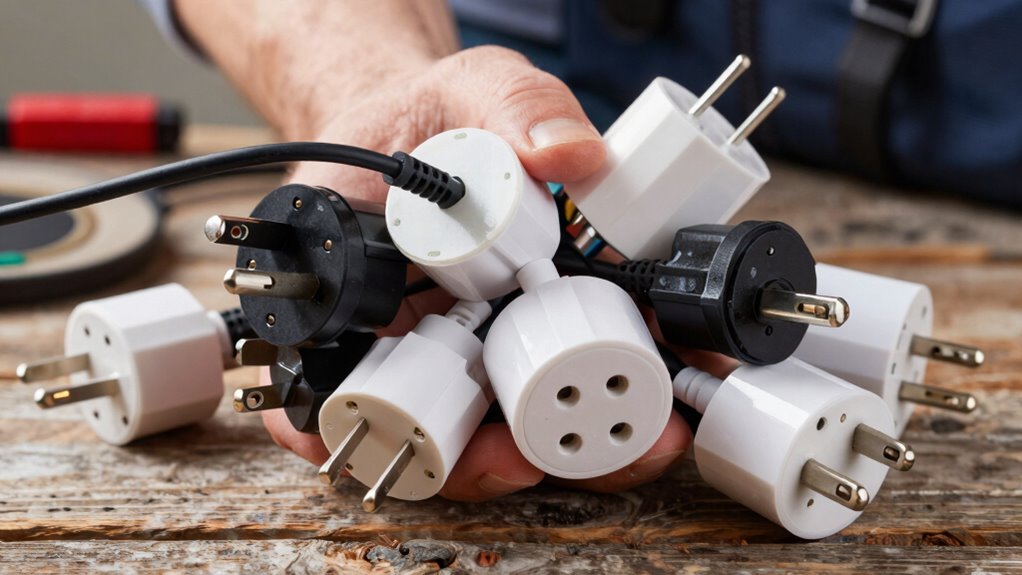

When traveling in Europe, using the wrong plug adapter can quickly ruin your first day. European outlets vary by country, with types C, E, F, and G, each with different shapes, grounding, and voltage standards. Forcing your device into the wrong socket or using incompatible adapters can cause damage or safety hazards. To avoid issues, make certain you use the right, certified adapter for each region and understand grounding and safety needs — more tips await to keep your trip smooth.

Get travel and outdoor gear delivered free — and shop member deals
- Fast, free delivery on millions of items
- Access to Prime Big Deal Days deals on October 6–7
- Prime Video, Amazon Music and more included
Key Takeaways
- European outlets vary in shape, size, and grounding, requiring specific adapters for safe and compatible connections.
- Using incompatible or ungrounded adapters can cause sparks, overheating, or electrical shocks.
- European plugs include Types C, E, F, and G, each with different grounding and pin configurations.
- Devices from North America need voltage converters besides adapters to operate safely at 230V.
- Always verify adapter certifications (CE, IEC) and match device voltage and current ratings before plugging in.
As an affiliate, we earn on qualifying purchases.
Understanding the Different European Plug Standards
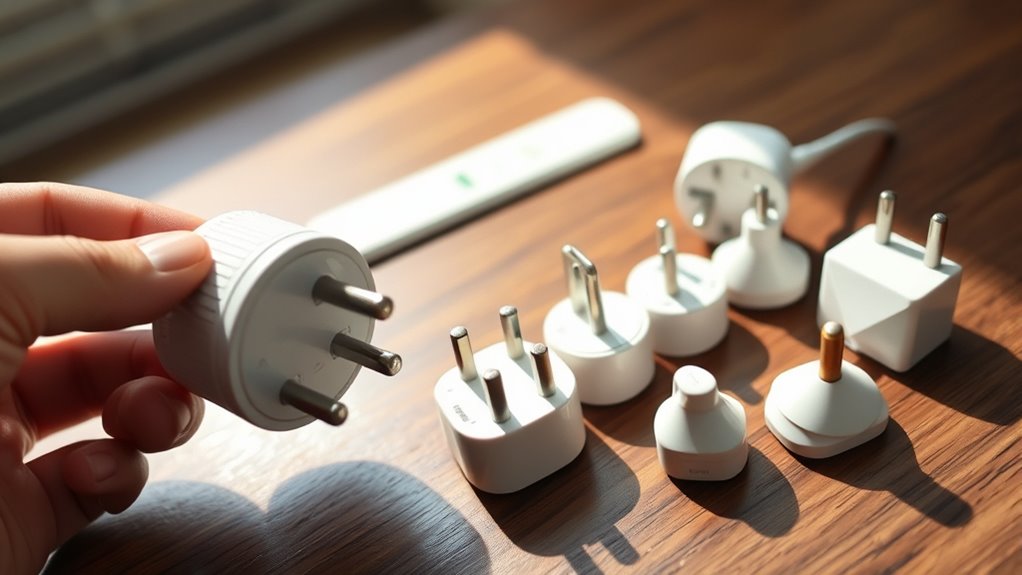
Grasping the different European plug standards is vital if you’re traveling or installing electrical devices across the continent. Europe employs several plug types, mainly Type C, E, F, and G, each with distinctive features. Type C, known as Europlug, is a flat, two-pin design compatible with most sockets except in the UK, Ireland, Cyprus, and Malta. Type E plugs have two round pins and a grounding hole, common in France and Belgium. Type F, or Schuko, features side grounding clips and is used in countries like Germany and Sweden. Type G, the British plug, has three rectangular pins with a safety shutter. These standards vary in voltage, current ratings, and safety features, so understanding them helps ensure proper connections and secure device usage across Europe. Additionally, plug compatibility considerations are essential to avoid damage or safety hazards when using devices from different regions. Being aware of European electrical standards can further prevent mishaps and promote safe, efficient device operation regardless of the country you’re in. Properly using adapters is crucial to ensure safe and reliable connections; choosing the right type can prevent electrical faults or damage. Familiarizing yourself with appropriate adapters can also facilitate seamless device connection across different plug types. Moreover, understanding the voltage and frequency differences is important to avoid malfunction or damage to your electronic devices.
multi-region European power adapter
As an affiliate, we earn on qualifying purchases.
As an affiliate, we earn on qualifying purchases.
The Compatibility Challenges of Europlug and Regional Outlets
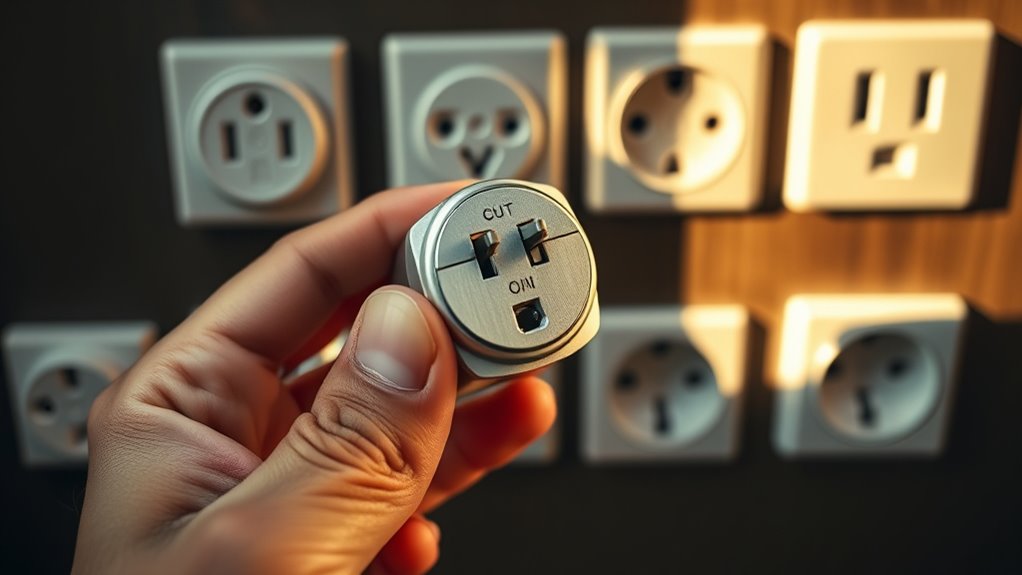
You’ll find that regional socket variations often make compatibility a challenge, especially when trying to use a Europlug across different countries. Grounding compatibility can also be tricky, as some outlets require specific grounding pins or features for safety. Additionally, voltage and current limits vary, so your devices may not work properly or safely if they’re not designed for the local standards. To ensure safety and functionality, consulting technological standards before traveling is highly recommended. Being aware of electric compatibility standards can help prevent damage to devices and ensure safe usage in various regions. Moreover, understanding plug types and their regional differences can significantly reduce the risk of connection issues.
Regional Socket Variations
Regional socket variations across Europe create significant compatibility challenges for travelers and device manufacturers alike. You’ll find that outlets differ in shape, size, and grounding methods, making plug compatibility tricky. For example, Type C sockets are common, but some countries use Type F Schuko or Type E French outlets, each with distinct pin configurations and grounding systems. British-style Type G sockets have a different rectangular pin layout, incompatible with Europlugs without adapters. Even within countries using the same socket type, variations like differing grounding pin placements can cause issues. These differences mean your Europlug or regional device might not fit directly or work safely without an appropriate adapter. Understanding these regional variations helps you avoid surprises and ensures your devices function properly across Europe.
Grounding Compatibility Issues
Grounding compatibility poses a significant challenge when using Europlugs across different European outlets. Many outlets have varying grounding configurations, making it difficult to ensure safe connections. Without proper grounding, your devices risk electrical faults or shocks. You might encounter the following issues:
- Incompatibility of grounding pins with non-standard sockets
- Use of adapters that bypass grounding for convenience
- Variations in grounding pin placement and size
- Difficulty ensuring a secure, conductive connection
- Increased risk of electrical shock or device damage
These issues highlight the importance of verifying grounding compatibility before plugging in. Relying on adapters that ignore regional grounding standards can jeopardize safety. Always check whether your device’s grounding pin aligns with the outlet’s grounding system to prevent dangerous situations.
Voltage and Current Limits
Are the voltage and current limits of your device compatible with European outlets? European standards typically supply 230V at 50Hz, with outlets rated for 2.5A to 16A depending on the socket type. Your device’s voltage rating must match this range to prevent damage or safety issues. Many devices from North America are designed for 110-125V, so using them directly can cause overheating or failure. Check your device’s label for voltage and current specifications. If your device exceeds these limits, you’ll need a step-up transformer or an appropriate adapter with built-in voltage regulation. Voltage compatibility is crucial to avoid electrical hazards. Ignoring these limits risks damaging your device, causing electrical hazards, or invalidating warranties. Always verify voltage and current compatibility before plugging in, especially across different regions. Additionally, understanding electrical standards can help prevent costly mistakes and ensure safety during international travel or relocation. Being aware of wave and wind standards can further aid in selecting the right equipment for safe and reliable operation.
European voltage converter for travel
As an affiliate, we earn on qualifying purchases.
As an affiliate, we earn on qualifying purchases.
Why the Type G Plug Is a Common Pitfall for Travelers
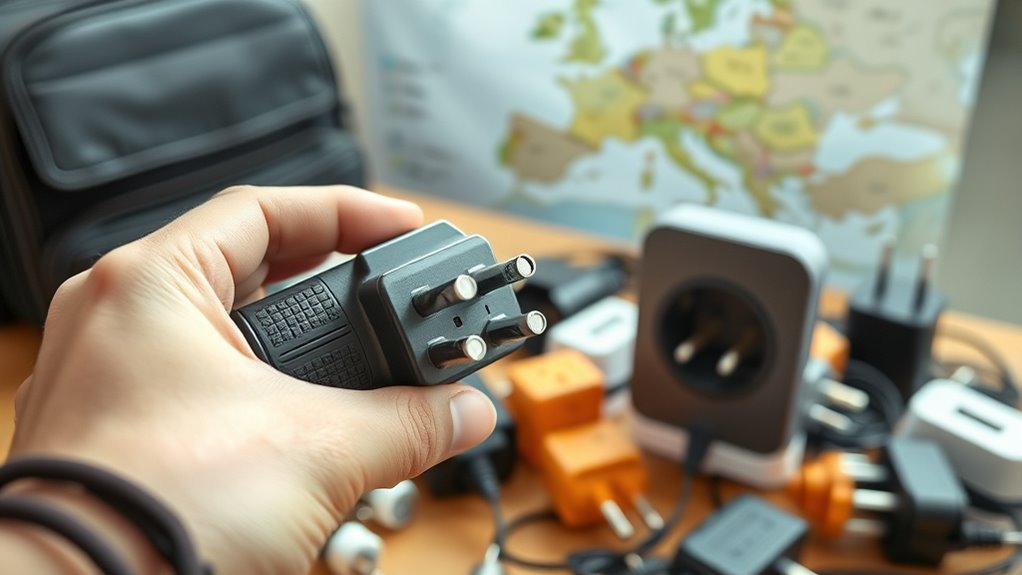
Many travelers assume that their UK or Irish plugs will fit European outlets, but the Type G plug often causes confusion and frustration. Its distinctive three rectangular pins and built-in safety shutters make it incompatible with standard European sockets without an adapter. You might find yourself unable to plug in devices directly, risking damage or malfunction. The type’s safety features, while essential, add complexity when trying to connect to non-UK outlets. Understanding Free Floating principles can help you better grasp why certain plug types are incompatible.
As an affiliate, we earn on qualifying purchases.
Common Adapter Mistakes That Can Damage Devices
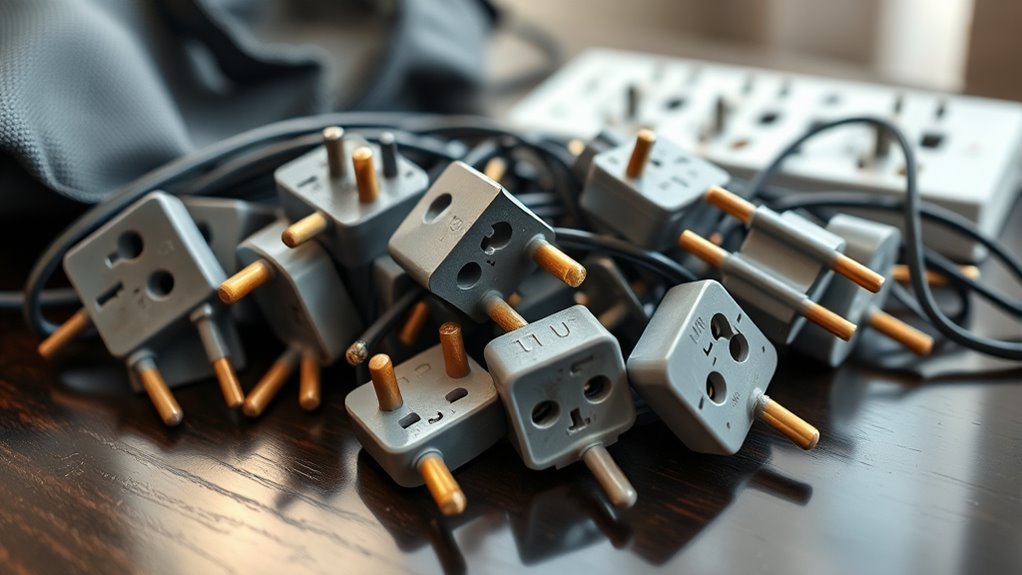
Using the wrong adapter can quickly lead to damaged devices or safety hazards. A mismatched adapter might supply incorrect voltage or current, risking burnout or fire. For example, plugging a Type C device into a Type G socket can cause issues if the adapter isn’t compatible. Imagine this:
| Adapter Type | Socket Compatibility | Damage Risk |
|---|---|---|
| Type C | E, F, J, L, some G | Overvoltage, short circuit |
| Type E/F | C, J, L, G | Grounding issues |
| Type G | G, some E/F | No earth connection |
| Improper fit | Any socket | Sparks, device failure |
Always check your adapter’s voltage, current, and compatibility. Using an incompatible adapter exposes your device to electrical faults that can ruin it instantly.
The Risks of Forcing Foreign Plugs Into Unfamiliar Sockets
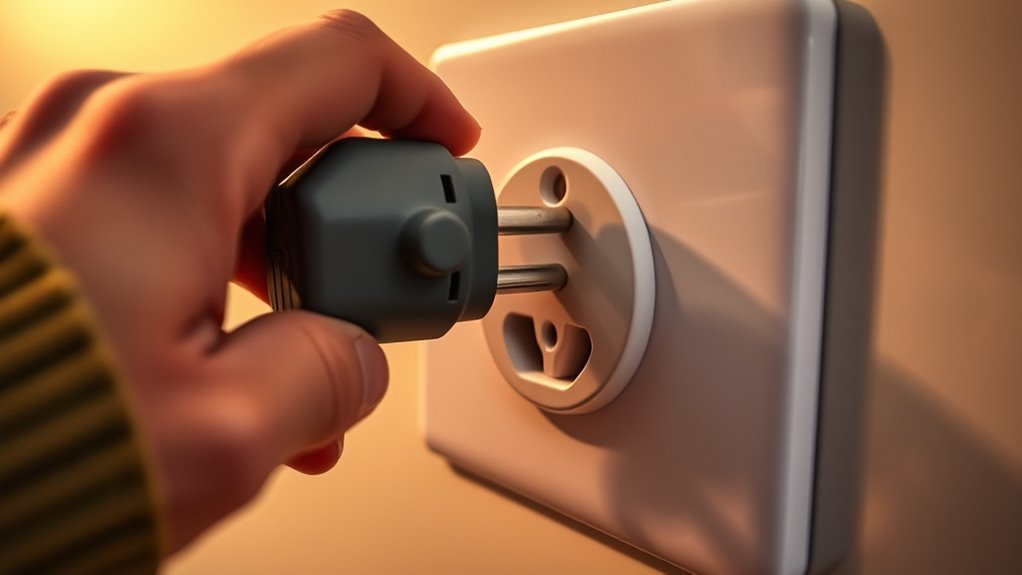
Forcing a foreign plug into an unfamiliar socket might seem like a quick fix, but it can cause serious electrical hazards. You risk damaging the plug, socket, or both, leading to short circuits or electrical fires. Misaligned pins or forcing incompatible shapes can compromise contact integrity, creating sparks or overheating. Unsafe connections may also cause electric shocks if insulation fails or contact is exposed. Additionally, improper insertion can damage the device’s internal wiring, reducing its lifespan or causing malfunction. Using the correct fabric decorating markers or adapters designed for specific plug types can help avoid these issues and ensure safety.
How to Choose the Right Adapter for Each Country
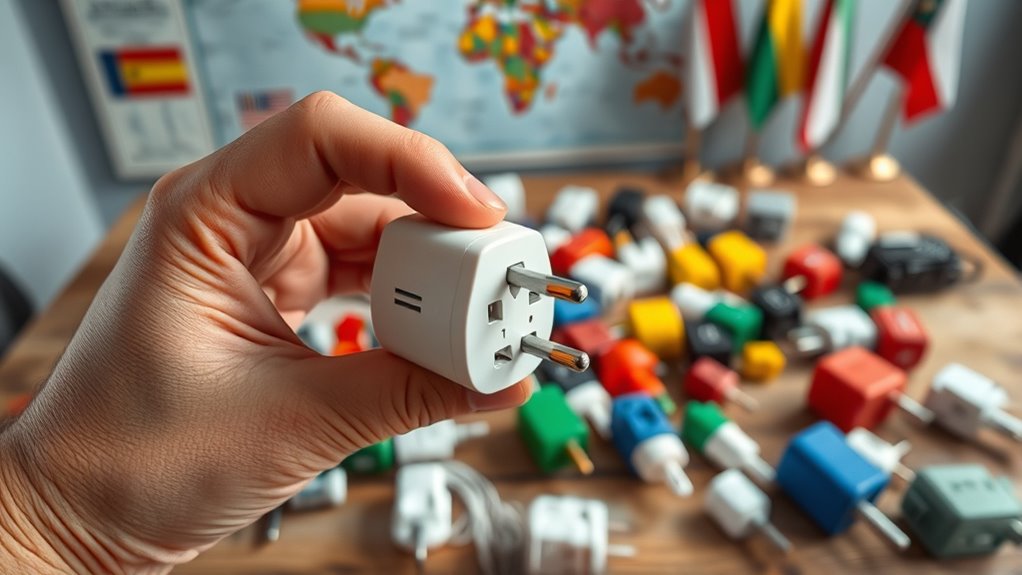
Choosing the right adapter for each country starts with understanding the specific plug types and voltage standards used there. Research each destination’s outlets—whether it’s Type C, F, E, or G—and verify compatibility with your device’s plug. For countries using Type C, F, or E, a universal European adapter usually suffices. However, if you’re visiting the UK or Ireland, you’ll need a Type G adapter with a grounded earth pin. Check your device’s voltage and wattage ratings, ensuring your adapter supports the voltage range—most European countries operate at 230V. Also, confirm if your device requires grounding; grounding adapters are essential for safety. Using a reliable, IEC-compliant adapter tailored to the country’s standards prevents damage and guarantees safe, hassle-free charging during your trip. Additionally, understanding the various dog bed options can help you prepare for your pet’s comfort if traveling with your dog.
The Importance of Grounding and Safety in European Plugs
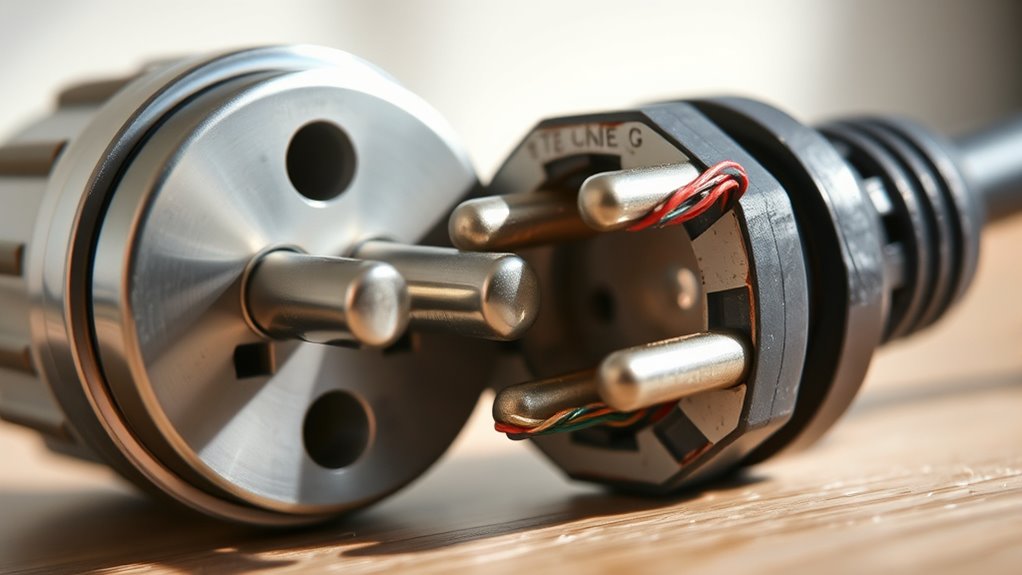
Grounding in European plugs is essential because it provides a safe path for electrical faults, reducing the risk of electric shocks and fire hazards. Proper grounding guarantees that excess current is directed safely away from you and your devices. European plugs like Type E and F are designed with grounding features, such as grounding pins or side clips, to enhance safety. Using ungrounded adapters or incompatible plugs can compromise this safety, increasing danger. Additionally, maintaining color accuracy ensures that the visual information conveyed is precise and reliable. Ensuring proper grounding procedures is vital for safe electrical use, especially when adapting plugs across different countries. Proper grounding is also crucial for electrical safety standards, which are established to protect users from potential hazards. Following grounding guidelines helps ensure compliance with these important safety regulations.
Tips for Avoiding Connection Failures on Day One
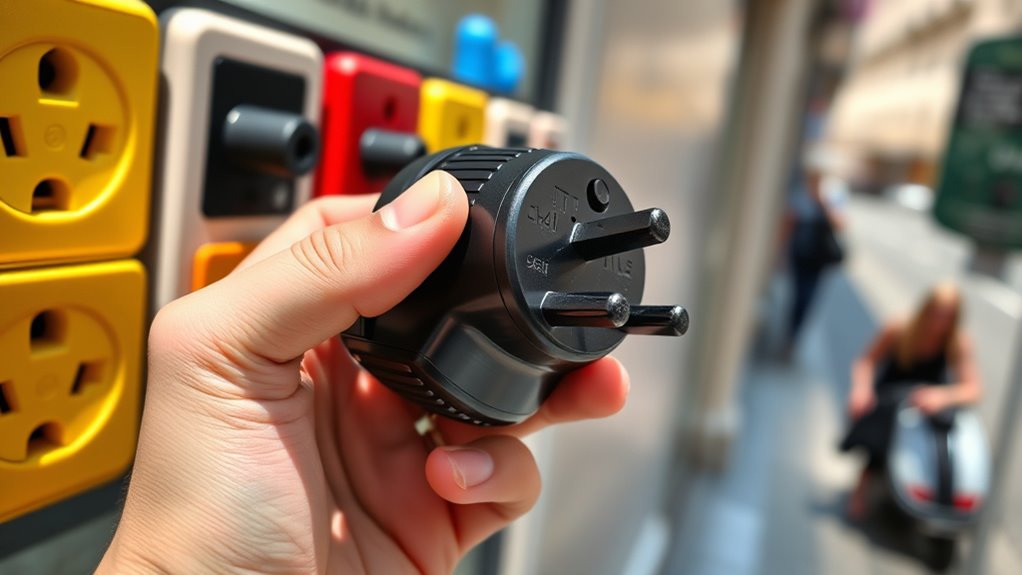
To prevent connection failures on your first day abroad, it’s crucial to verify that your plug and socket types match before plugging in your devices. First, identify the country’s socket type—whether it’s Type C, F, E, or G—and ensure your adapter fits securely. Carry a universal or region-specific adapter designed for European outlets. Check that your device’s voltage and frequency are compatible; most European outlets supply 230V at 50Hz. Avoid forcing incompatible plugs into sockets, as this can damage both your device and the outlet. Test connections with your adapter before fully plugging in your device. If an outlet feels loose or doesn’t fit properly, don’t force it—look for another socket or seek assistance. Being prepared and cautious prevents delays and potential equipment damage. Additionally, understanding the specific plug types used across Europe can help you select the right adapter and avoid common connection issues. Familiarizing yourself with European electrical standards can also prevent accidental mishaps during your trip. Knowing the correct outlet configurations for each country can further streamline your preparation process. Being aware of voltage differences and using appropriate converters if necessary can save you from unexpected device malfunctions. Moreover, carrying a multilingual adapter guide can assist in quick identification of outlet types in unfamiliar regions.
Recognizing Certified and IEC-Compliant Power Accessories
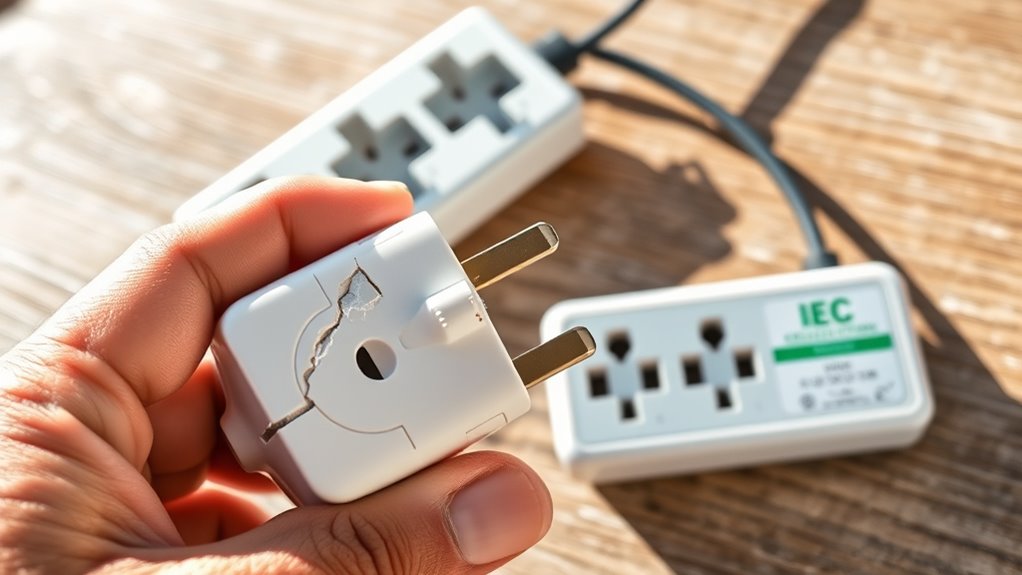
When selecting power accessories for use across European outlets, confirming their certification and compliance with IEC standards guarantees safety and reliability. Look for markings such as CE, IEC 60320, or other recognized certifications that verify adherence to safety protocols. Verified accessories are tested for voltage, current ratings, and grounding requirements, reducing risk of damage or electric shock. Additionally, choosing accessories with total‑cost clarity ensures you understand the long-term expenses associated with maintenance and replacements. Consider these indicators of certified IEC-compliant accessories: – Presence of official CE or IEC labels – Manufacturer’s certification documents – Compatibility with regional voltage standards – Durable, high-quality construction materials – Clear specifications matching your device’s power needs. Ensuring the correct plug type is essential to prevent connection issues and potential damage. Using certified accessories minimizes safety hazards and ensures your devices operate correctly without voltage or grounding issues. Always verify these marks before plugging in, especially when traveling or sourcing new adapters. Moreover, understanding market trends and insights can help you choose accessories that are more reliable and in line with current safety standards.
Frequently Asked Questions
Can I Use a Type C Europlug in UK Sockets?
No, you can’t directly use a Type C Europlug in UK sockets. UK outlets use Type G plugs with three rectangular pins, including a safety shutter. The Type C Europlug fits European sockets but lacks the necessary grounding pin and size to connect securely in UK outlets. You’ll need a proper adapter or a compatible plug designed for Type G sockets to guarantee safety and proper connection.
Do All European Countries Use the Same Voltage Standards?
Think of Europe’s voltage standards as a well-choreographed dance, but not all countries follow the same rhythm. Most European nations groove at 220-240V, creating a harmonious scene across the continent. However, some countries like parts of Eastern Europe or specific regions might have slight variations or different standards. So, before plugging in your device, check the voltage to avoid sparks and guarantee your tech dances to the right beat.
Is It Safe to Force a Europlug Into a Type G Socket?
You should never force a Europlug into a Type G socket. Doing so can damage the plug, socket, or both, and may cause electrical shorts or shocks. Type G sockets have a shutter mechanism that only opens when the plug’s earth pin is inserted correctly. For safety, always use the proper adapter or choose a plug designed for Type G outlets. Prioritize safety to avoid accidents or equipment damage.
Are There Adapters That Support Multiple European Plug Types?
Imagine a universal key fitting multiple locks—adapters do the same for European plug types. Yes, you can find multi-purpose adapters that support several plug standards like Type C, E, F, and G. These adapters simplify travel, letting you connect your device to different sockets seamlessly. Just guarantee they’re certified for safety and compatibility, so you avoid risks and enjoy your trip without hassle.
How Can I Tell if My Device’s Plug Is Iec-Compliant?
You can tell if your device’s plug is IEC-compliant by checking for specific markings on the plug. Look for the IEC logo, which resembles a circle with “IEC” inside, along with standards numbers like “60320” or “60320-1.” These indicate compliance with international safety standards. Additionally, verify the plug has sturdy construction, proper grounding, and meets regional voltage and current ratings. This confirms your device’s plug adheres to IEC safety requirements.
Conclusion
Did you know that over 80% of travelers experience issues with incompatible plugs on their first day abroad? By understanding European plug standards and choosing the right adapters, you can avoid costly mistakes and make certain your devices stay safe. Don’t underestimate the importance of proper grounding and certified accessories. Being prepared means smoother travels and fewer surprises—so double-check your gear before you go. It’s the best way to start your trip stress-free and fully powered.
Fall Picks
fall essentials
As an affiliate, we earn on qualifying purchases.