
Start your Europe trip planning by picking your travel dates and trip length, then set a budget and prioritize must-see destinations. Book flights early to get better deals, followed by accommodation close to key attractions. Next, research visa requirements and reserve transportation within Europe. Finally, plan activities and tours to fit your schedule. Staying organized now makes the rest easier—continue exploring to discover the full timeline for booking your trip smoothly.

Get travel and outdoor gear delivered free — and shop member deals
- Fast, free delivery on millions of items
- Access to Prime Big Deal Days deals on October 6–7
- Prime Video, Amazon Music and more included
Key Takeaways
- Determine your travel dates and flexibility early to plan around seasons and avoid peak crowds.
- Book flights and transportation first to secure the best deals and availability.
- Research visa requirements and entry protocols well in advance to prevent last-minute issues.
- Reserve accommodations after fixing your itinerary to ensure central locations and better rates.
- Finalize activities and tours ahead of time for smooth scheduling and to secure spots at popular attractions.
As an affiliate, we earn on qualifying purchases.
Determine Your Travel Dates and Duration

Before finalizing your plans, you need to decide when you’ll travel and how long you’ll stay. Your travel dates should align with the seasonal weather and local festivals to enhance your experience. For example, visiting in spring or fall often means milder weather and fewer crowds, making sightseeing more enjoyable. If you’re interested in cultural events, plan around local festivals that showcase traditions, music, or food. Keep in mind that peak seasons can be crowded and more expensive, while off-peak times might offer better deals and a more relaxed atmosphere. Decide how much time you want to spend in each destination to avoid rushing. Clear travel dates help you create a focused itinerary, ensuring you make the most of your trip. Additionally, considering free floating options can allow you more flexibility in your schedule and destinations. Being aware of seasonal trends can also help you choose the best times to visit popular spots and avoid the crowds, especially when planning around peak travel periods. Incorporating outdoor activities that are suitable for different seasons can further enhance your travel experience by giving you more options to enjoy the local environment year-round. Moreover, understanding local climate patterns can assist in packing appropriately and preparing for weather variations during your trip.
compact travel backpack for Europe
As an affiliate, we earn on qualifying purchases.
As an affiliate, we earn on qualifying purchases.
Set a Budget and Prioritize Destinations
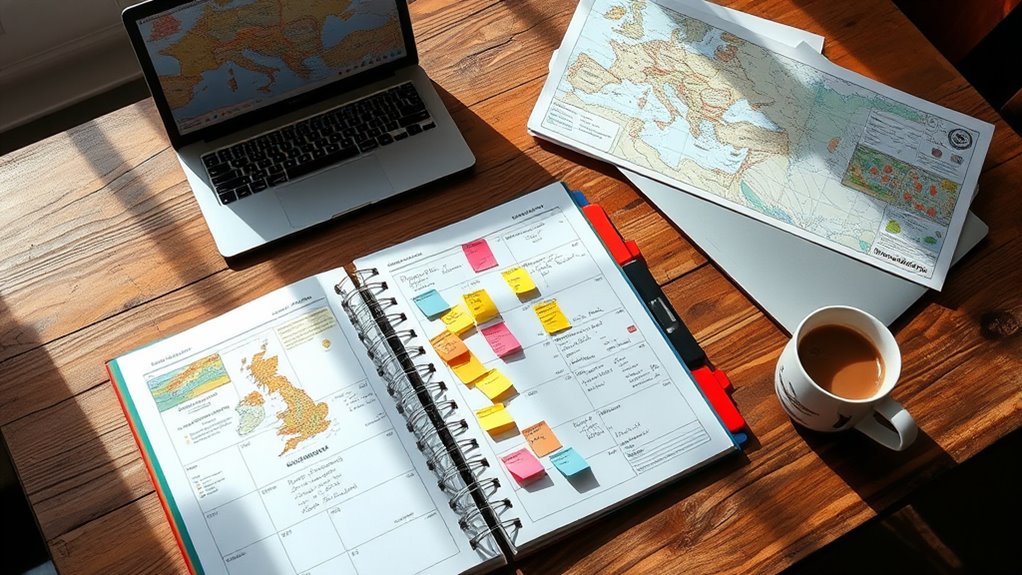
To make your trip planning smoother, you need to set a realistic budget and decide which destinations matter most to you. Start by estimating your travel expenses, including transportation, accommodation, and activities. Then, rank your must-see locations to ensure your priorities guide your choices and stay within your means. Additionally, considering the contrast ratio of your chosen accommodations can enhance your overall experience by ensuring comfortable and visually appealing environments. Incorporating electric bikes for local transportation can also add flexibility and eco-friendliness to your trip. Understanding the outdoor gear needed for different environments can further help you select suitable equipment and prepare for varying conditions during your journey. Exploring the science of sound healing can also provide insights into creating relaxing environments during your travels, making your trip more rejuvenating. Being aware of the fundamentals of trip planning can help you avoid last-minute stress and ensure a smooth experience from start to finish.
Determine Travel Expenses
Have you ever wondered how much your trip to Europe will cost? To make sure you stay on track, start with a clear cost estimation. Set a realistic budget by calculating expenses like flights, accommodation, and daily spending. Use expense tracking tools to monitor your spending as you go, preventing surprises. Prioritize destinations within your budget to maximize your experience. Here’s an idea of typical costs:
| Expense Type | Estimated Cost |
|---|---|
| Flights | $600 – $1,200 |
| Accommodation | $100 – $200/night |
| Food & Drinks | $40 – $80/day |
| Sightseeing | $20 – $50/day |
This approach helps you stay emotionally connected to your trip goals while managing finances effectively. Incorporating budget-friendly options can further enhance your experience without overspending. Additionally, understanding wiring basics can be useful if you plan to customize accommodations or electronic devices during your trip, ensuring safety and functionality. Remember that creating a personal budget can help you keep track of your finances and stay within your set limits throughout your journey. Being aware of wave and wind conditions can also help you plan outdoor activities and avoid weather-related issues during your trip. Moreover, considering astrological compatibility might offer unique insights into your travel companions’ personalities, enhancing your trip experience.
Rank Must-See Locations
Once you’ve estimated your overall trip budget, the next step is to rank your must-see locations based on importance and costs. Focus on must see landmarks and iconic attractions that truly define each destination. Consider their significance to your trip goals and how they fit within your budget, noting entrance fees and nearby accommodations. Prioritize sites that are non-negotiable and plan to visit them early in your itinerary. For less critical spots, look for affordable alternatives or free attractions. This ranking helps you allocate time and money efficiently, avoiding last-minute booking stress. By clearly identifying your top landmarks, you ensure the most memorable experiences while staying within your budget constraints.
As an affiliate, we earn on qualifying purchases.
Research Visa and Entry Requirements
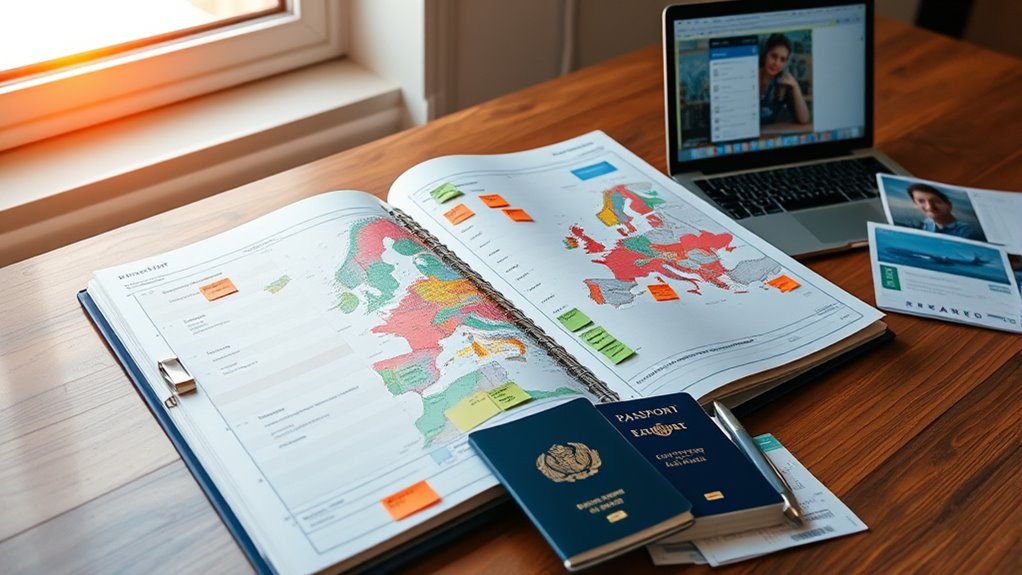
Are you aware of the specific visa and entry requirements for the countries you plan to visit in Europe? Understanding these details is essential before booking your trip. Research each country’s visa requirements early, as they can vary widely depending on your nationality and trip duration. Some nations may require you to apply well in advance, while others offer visa-free entry. Also, familiarize yourself with entry procedures, including necessary documents, health screenings, or travel authorizations like ETAs. Delays or misunderstandings here can disrupt your plans, so don’t skip this step. Checking official government websites or consulates ensures you get accurate, up-to-date information. Additionally, understanding visa regulations helps you avoid potential legal issues during travel. Staying informed about entry procedures can further prevent unexpected complications at borders. Considering nanotechnology advancements in medical or industrial fields might influence your travel interests and plans. By prioritizing visa requirements and entry procedures now, you prevent last-minute surprises and streamline your travel preparations. Being aware of health screening measures and the evolving treatments and protocols can also help you better prepare for potential quarantine or testing requirements during your journey.
As an affiliate, we earn on qualifying purchases.
Book Flights Well in Advance
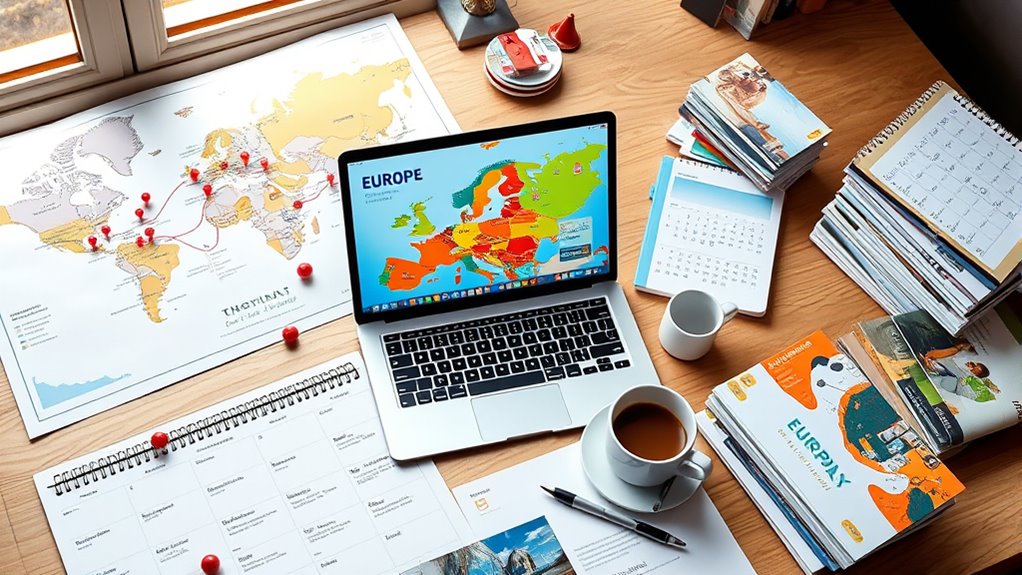
Booking your flights early can help you snag the best deals and save money. Being flexible with your travel dates increases your chances of finding cheaper options. Don’t wait until the last minute—plan ahead to get the most out of your trip. Additionally, understanding brewing methods can enhance your travel experience by motivating you to explore more about the destinations you’re visiting, making your trip more enriching. Incorporating modern booking tools can further streamline your planning process and ensure you get the best possible arrangements.
Early Flight Deals
Securing early flight deals can save you a significant amount of money and reduce stress as your trip approaches. Airlines often offer their best prices well in advance, especially during the off-peak season when demand is lower. Booking early allows you to take advantage of off-peak discounts before prices spike during peak season. If you plan your trip during popular travel times, such as summer or holidays, booking several months ahead is essential. This strategy not only helps you secure lower fares but also gives you more options for preferred flight times and seats. Keep an eye on airline promotions and fare alerts, as these can further help you lock in the best deal early on, ensuring you get the most value for your money.
Flexible Travel Dates
Planning your travel dates with flexibility can lead to significant savings, especially when you book flights well in advance. By remaining adaptable, you can take advantage of seasonal weather patterns, avoiding peak tourist times and securing better deals. Keep an eye on local festivals, which often attract large crowds and higher prices, or better yet, plan your trip to coincide with these events for a vibrant experience. Booking early gives you the opportunity to choose flights that align with your preferred dates, making it easier to adjust around seasonal weather conditions. Flexibility allows you to find lower fares, avoid holiday surcharges, and enjoy a smoother trip. Staying open to different travel dates ultimately puts you in control of your budget and itinerary.
Reserve Accommodation Based on Your Itinerary
As you finalize your travel itinerary, it’s essential to reserve accommodations that align with your planned activities and destinations. Choose places close to local attractions so you can maximize your sightseeing and avoid long commutes. Consider nearby dining options to ensure convenient meals and a better experience of local cuisine. If you plan to explore multiple cities, book centrally located accommodations in each area to save travel time. For quieter, more relaxing stays, look for options near parks or scenic spots that match your interests. Early booking secures better rates and availability, especially during peak seasons. By aligning your accommodations with your itinerary, you’ll enjoy a smoother trip with easy access to everything you want to see and do.
Plan and Book Tours and Activities
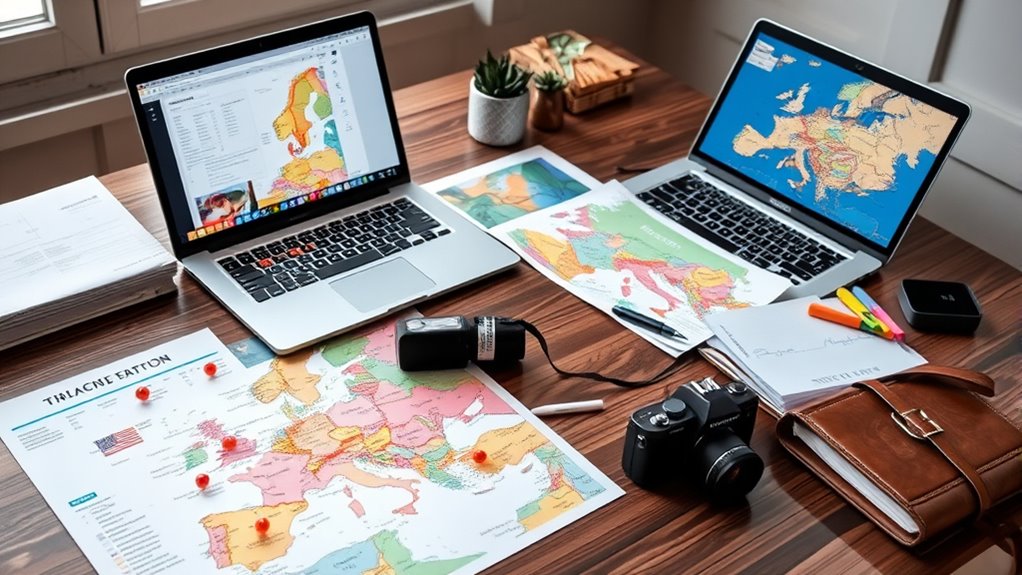
Once you’ve booked your accommodations, it’s time to focus on planning and reserving tours and activities. Exploring local tour options helps you experience the culture, history, and sights more deeply. Look for highly-rated guided activity bookings that match your interests, whether it’s a city walking tour, museum visit, or outdoor adventure. Booking these in advance guarantees availability and often secures better prices. Consider checking official tourism websites or trusted tour operators for authentic experiences. Keep your schedule flexible enough to accommodate popular tours, especially in peak seasons. By reserving your tours early, you avoid last-minute disappointments and make the most of your trip. Prioritize must-see activities and confirm your bookings before departure to streamline your travel experience.
Arrange Transportation Within Europe
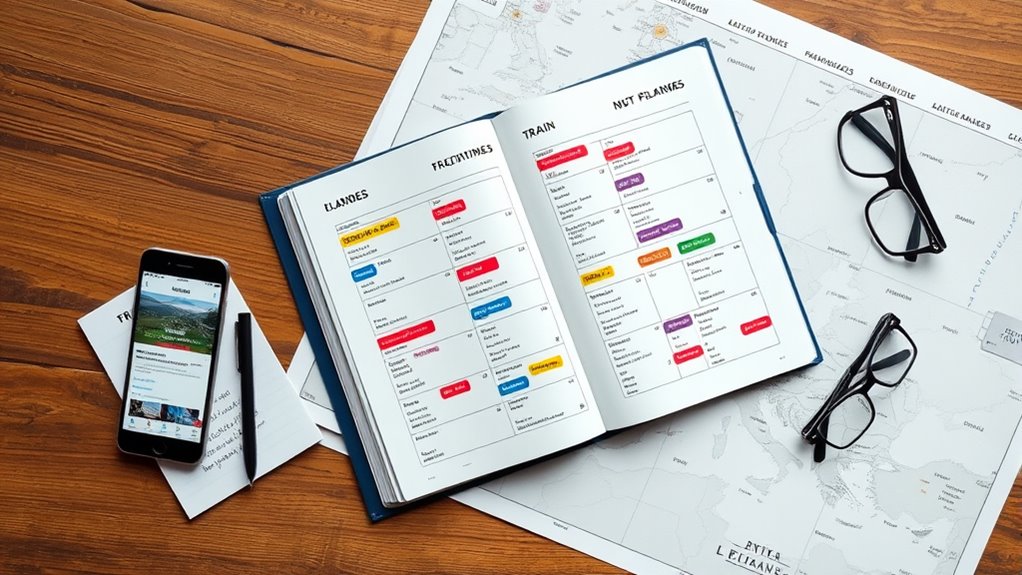
Arranging transportation within Europe requires careful consideration to guarantee smooth travel between destinations. You’ll want to book train connections early for popular routes, ensuring availability and better prices. Local transit options, like buses and metro systems, are essential for city travel and should be researched ahead of time. Use this table to compare options:
| Transportation Type | Tips |
|---|---|
| Trains | Book in advance for high-demand routes |
| Local Transit | Check schedules and passes beforehand |
| Rental Cars | Reserve early in busy areas |
| Buses | Confirm schedules for long-distance trips |
| Domestic Flights | Book early for cheaper fares |
Planning ahead guarantees seamless movement, saving you time and money during your trip.
Organize Travel Insurance and Important Documents
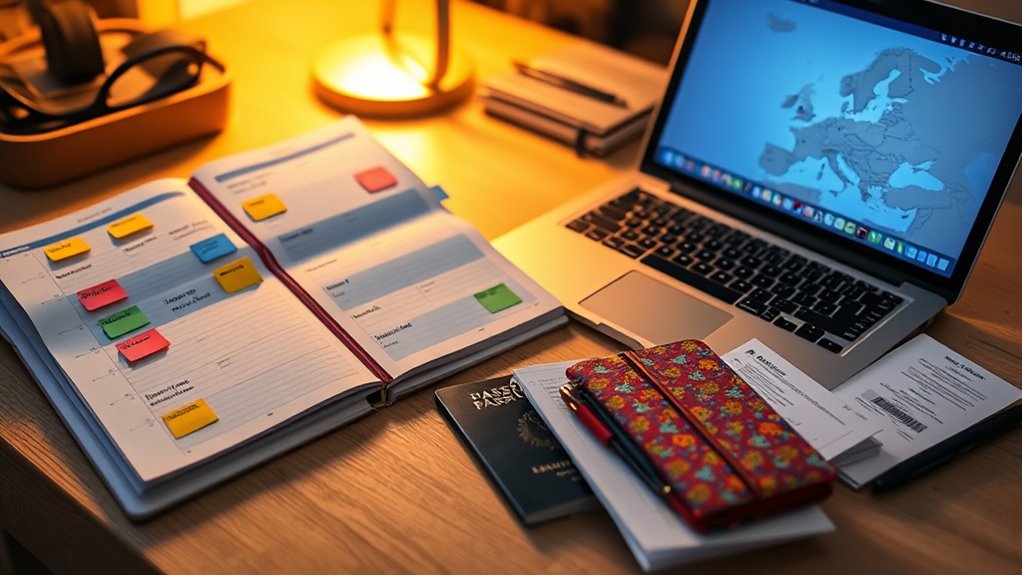
Having your travel insurance and important documents organized before your trip guarantees you’re prepared for any unexpected situations. Start by purchasing thorough travel insurance that covers medical emergencies, trip cancellations, and lost belongings. Keep digital and physical copies of your important documents, including your passport, visa, travel itinerary, insurance policy, and emergency contacts. Store digital copies securely in cloud storage and carry printed copies in a safe, accessible location. Confirm your passport is valid for at least six months beyond your travel dates. Double-check visa requirements for each country you’ll visit. Having these documents organized in advance minimizes stress and ensures quick access if needed. Being proactive now helps you focus on enjoying your trip without worrying about last-minute document issues.
Finalize Packing and Prepare for Your Trip
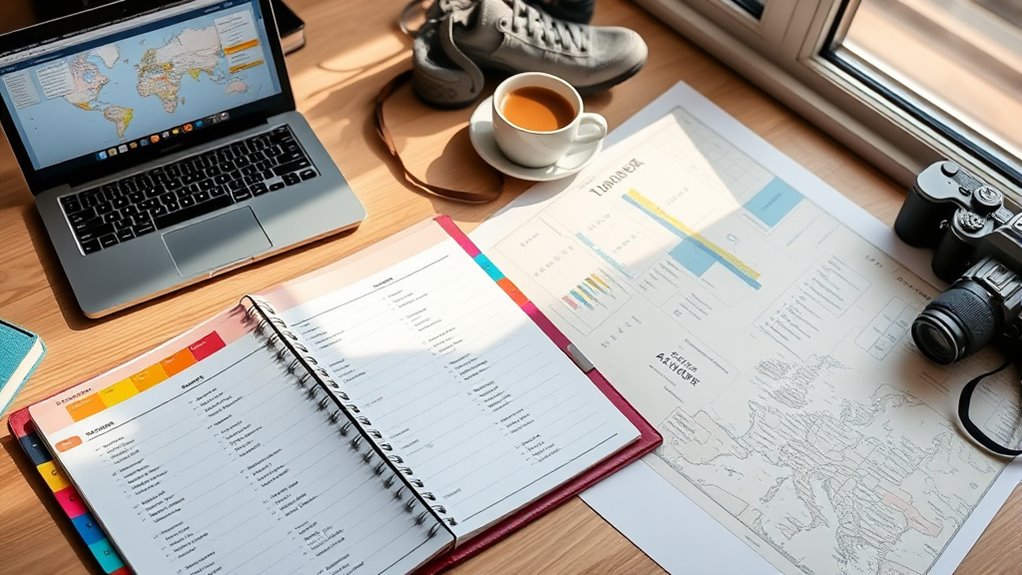
Preparing your packing list and gathering essentials now guarantees you’re ready to travel without last-minute stress. Start with a thorough packing checklist, making sure to include travel essentials like chargers, travel adapters, and comfortable clothing. Verify your list to avoid forgetting important items, such as medications or important documents. Organize your belongings by type and pack versatile items that can mix and match. Consider the weather forecast for your destinations to adjust your packing accordingly. Double-check your carry-on to ensure it contains essentials like your passport, travel insurance info, and a change of clothes. Preparing your packing now helps you spot missing items early, giving you ample time to purchase or replace anything necessary before departure. This way, you’ll step into your trip confident and stress-free.
Frequently Asked Questions
How Early Should I Start Planning My Europe Trip?
You should start planning your Europe trip at least six months in advance to snag the best deals on budget accommodation and secure your top travel itineraries. Waiting too long could mean missing out on affordable options and popular attractions. Early planning gives you ample time to compare prices, customize your trip, and avoid last-minute stress. Trust me, the sooner you start, the smoother and more budget-friendly your adventure will be!
What Is the Best Time to Find Last-Minute Deals?
You can find last-minute discounts by staying flexible with your travel dates and booking deadlines. Typically, the best time is a few weeks before your trip when airlines and hotels try to fill remaining spots. Keep an eye on last-minute deals websites and sign up for alerts. Act quickly once you spot a good deal, as these discounts tend to disappear fast. Being proactive increases your chances of snagging great savings.
How Do I Prioritize Destinations With Limited Time?
You should prioritize destinations based on your must-see spots and flexibility in your itinerary. Clustering nearby destinations conserves travel time and energy, giving you more time to explore each place. Keep your plans flexible to adapt if flights or accommodations change. Start with your top priority locations, then group nearby sites together. This approach ensures you maximize your limited time, enjoying more experiences without feeling rushed.
When Should I Buy Local Attraction Tickets?
Imagine stepping into a bustling piazza, enthusiastic to explore. You should buy local attraction passes early—sometimes months in advance—especially for popular sites. Use ticket booking tips like online reservations and early bird discounts to skip lines and secure your spot. This way, you avoid missing out on must-see experiences and make your trip smooth, memorable, and stress-free. Don’t wait; lock in your tickets when the time feels right.
Is Travel Insurance Necessary for Short Trips?
Travel insurance isn’t mandatory for short trips, but it’s highly recommended. It can protect you from unexpected events like trip cancellations, medical emergencies, or lost belongings. If your plans change suddenly, trip cancellation coverage helps you recover costs. For peace of mind, especially if you’re booking expensive flights or accommodations, investing in travel insurance guarantees you’re covered against unforeseen issues, allowing you to enjoy your trip worry-free.
Conclusion
By following this timeline, you’ll turn your Europe trip into an unforgettable adventure that surpasses even your wildest dreams. Stay organized, book early, and keep everything in check, so nothing slips through the cracks. With careful planning, you’ll conquer the continent’s wonders like a seasoned explorer, making memories that will last a lifetime. Trust the process, and soon you’ll be living your own epic European story—one for the history books.
Fall Picks
fall essentials
As an affiliate, we earn on qualifying purchases.