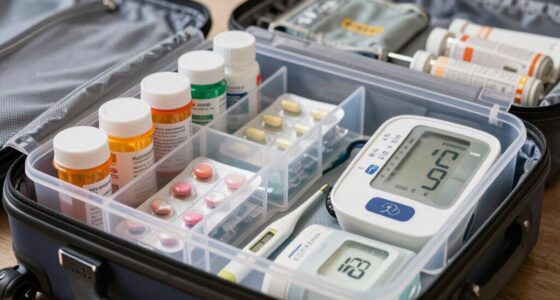

If you need medical help in Europe as an American tourist, make sure you carry valid travel insurance with at least €30,000 coverage and emergency evacuation. Dial 112 for emergencies, or visit the nearest hospital or clinic. Keep your insurance and ID handy, and learn some basic local phrases for medical assistance. To guarantee you’re prepared for all situations and understand how to access care smoothly, keep exploring these important tips.

Get travel and outdoor gear delivered free — and shop member deals
- Fast, free delivery on millions of items
- Access to Prime Big Deal Days deals on October 6–7
- Prime Video, Amazon Music and more included
Key Takeaways
- Carry valid travel insurance with at least €30,000 coverage for emergencies and medical evacuation in Europe.
- Dial 112 for emergency assistance, and be prepared to visit public hospitals or clinics.
- Keep digital and physical copies of your insurance card, passport, and emergency contacts readily accessible.
- Know the location of nearby medical facilities and learn basic phrases in the local language for assistance.
- Stay calm, communicate your needs clearly, and contact your insurance provider to confirm coverage and arrange care.
European travel medical insurance
As an affiliate, we earn on qualifying purchases.
As an affiliate, we earn on qualifying purchases.
Understanding European Healthcare Requirements for Visitors

If you’re visiting Europe, understanding the local healthcare requirements is essential to ensuring you’re protected in case of illness or injury. Many European countries, especially those in the Schengen Area, require visitors to have a minimum of €30,000 in medical coverage. This coverage must include emergency medical evacuation, so you can be transported to a facility if necessary. US health insurance typically isn’t accepted in Europe, and Medicare or Medicaid won’t cover your costs abroad. Travel insurance plans like Patriot International Platinum offer substantial coverage, often up to $8 million. For short trips near the US, a minimum of $50,000 in emergency medical coverage is recommended. For longer or more distant travel, aim for at least $100,000 in medical coverage and $500,000 for evacuation.
As an affiliate, we earn on qualifying purchases.
Choosing the Right Travel Medical Insurance Policy

Selecting the right travel medical insurance policy is essential for guaranteeing you’re protected during your European trip. You want coverage that keeps you safe when emergencies happen. To choose wisely, consider these key factors:
Choosing the right travel insurance ensures peace of mind and financial protection during your European journey.
- Does it meet Schengen requirements, including €30,000 minimum coverage and evacuation?
- Will it cover COVID-19 treatment and common medical needs like prescriptions?
- Is the plan affordable, costing as little as $1 per day but offering extensive protection?
- Does it provide direct payments to providers, so you’re not stuck paying upfront?
- Does the policy include coverage for medical technology such as advanced imaging or diagnostic tests that might be needed?
Making the right choice means peace of mind, knowing you’re financially protected no matter where your adventures take you. Carefully review policies to ensure they match your travel plans and health needs.
As an affiliate, we earn on qualifying purchases.
Navigating Medical Services and Emergency Care in Europe
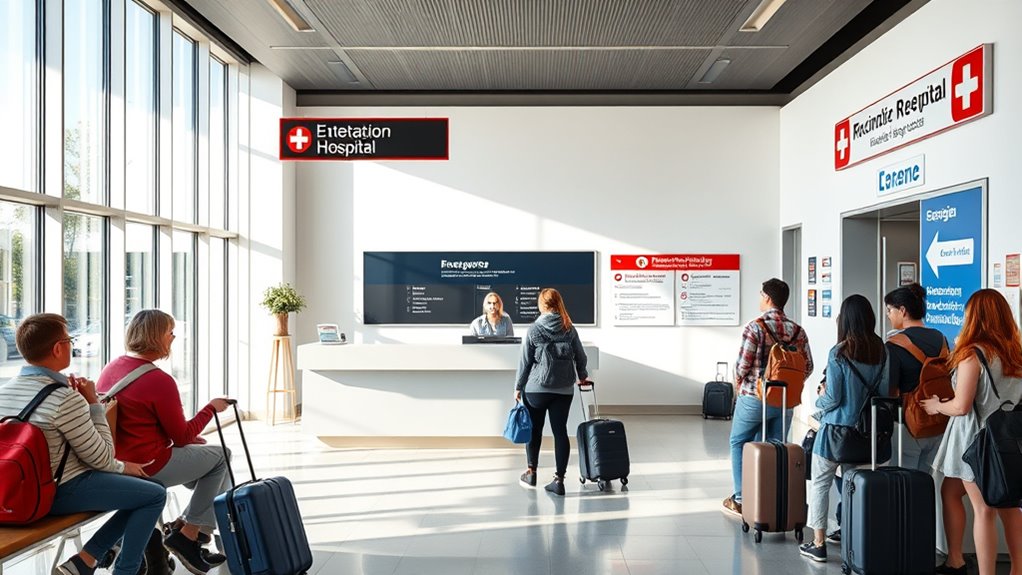
Navigating Medical Services and Emergency Care in Europe requires you to understand how the system operates and what to do in urgent situations. Typically, European countries prioritize emergency calls to 112, which connects you to police, fire, and medical services. In emergencies, you’ll often be directed to the nearest hospital or clinic. Use your insurance card or travel documents to access care. Be aware that public hospitals may require upfront payment, so having proof of insurance is vital. Emergency evacuations, whether by ambulance or air, can be costly, but your insurance plan should cover these expenses. Always carry your insurance details and a list of nearby medical facilities. Additionally, familiarize yourself with the concept of Free Floating healthcare options available in some regions, which can influence your choices in an emergency. Understanding how European healthcare systems operate can help you navigate options more effectively. It’s also helpful to know that some countries have specialized emergency services tailored to tourists, ensuring prompt and culturally sensitive care. Being aware of regional medical protocols can further improve your response in urgent situations. For example, knowing the typical procedures for urgent care visits can expedite treatment. Here’s a quick overview:
| Service Type | Key Details |
|---|---|
| Emergency Number | Dial 112 for urgent medical, fire, or police help |
| Medical Facilities | Public hospitals, clinics, and urgent care centers |
| Payment Process | May require upfront payment; insurance info helpful |
| Evacuations | Covered by insurance; can be ambulance or air transport |
| Documentation | Carry insurance card, ID, and local medical contacts |
As an affiliate, we earn on qualifying purchases.
Preparing Necessary Documentation and Travel Tips
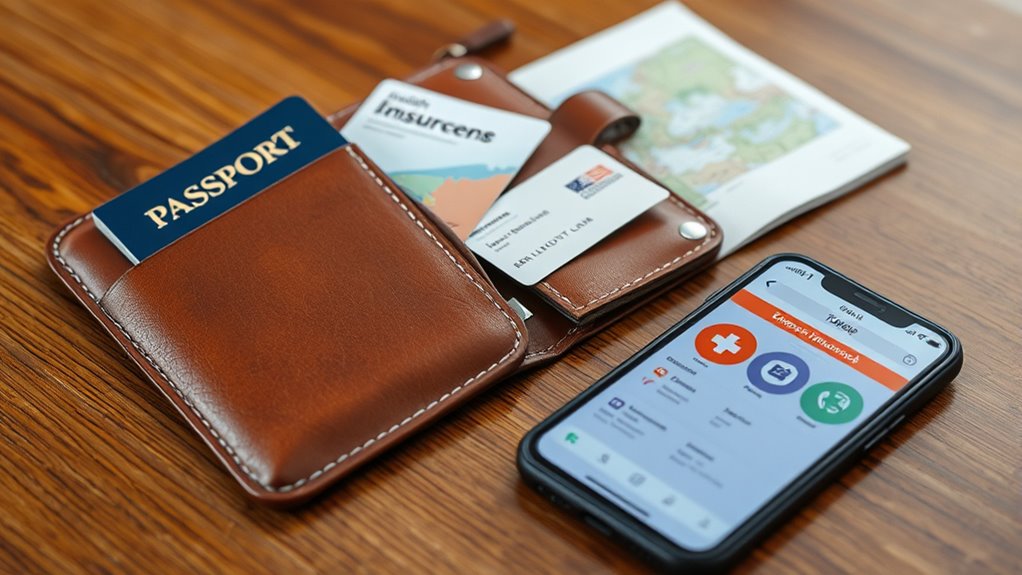
To guarantee you’re prepared for any medical emergencies during your trip, always carry essential documentation like your passport, travel insurance card, and a list of local medical facilities. These items assure quick access to care and smooth claims processing. Keep in mind these key tips:
Always carry essential documents and local contacts to stay prepared for medical emergencies abroad.
- Double-check your insurance coverage and carry proof of purchase.
- Save emergency contact numbers for local hospitals and your embassy.
- Keep digital copies of vital documents in a secure cloud storage.
- Learn basic phrases in the local language related to medical assistance.
- Familiarize yourself with medical system navigation and cultural beliefs that may influence your interactions with locals, enhancing your overall travel experience. Being aware of healthcare protocols can help you better understand the procedures and expectations in different European countries, reducing confusion during emergencies. Additionally, understanding patient rights and responsibilities can empower you to advocate for yourself effectively in unfamiliar healthcare settings. Being aware of medical documentation requirements can prevent delays in treatment and streamline the process for obtaining care.
Being organized and informed reduces stress during emergencies and helps you navigate healthcare systems confidently. Preparing these essentials beforehand makes all the difference in ensuring a safe, worry-free trip across Europe.
Managing Unexpected Medical Situations Abroad

Unexpected medical situations can arise suddenly, so maintaining composure and acting swiftly is vital. First, stay calm and assess the situation carefully. If you need immediate care, call local emergency services or head to the nearest hospital. Always have your travel insurance information ready, including policy numbers and emergency contacts. If possible, communicate your needs clearly and ask for assistance in English or use translation apps if language barriers exist. Keep your documentation, passport, and insurance details accessible. Avoid delaying treatment to find the perfect provider—prompt care is essential. Once stabilized, contact your insurance provider to confirm coverage and understand the claim process. Staying prepared and responding quickly can help guarantee you get the necessary help without unnecessary stress. Additionally, understanding medical facilities in Europe can improve your response time and ensure you receive appropriate care more efficiently.
Frequently Asked Questions
Can I USe My US Health Insurance if I Get Sick in Europe?
You can’t rely on your US health insurance if you get sick in Europe because most policies don’t cover international medical expenses. Medicare and Medicaid are not accepted abroad, and domestic plans generally won’t pay European providers. To guarantee you’re protected, you should purchase a travel medical insurance plan that offers at least $50,000 in emergency coverage, including medical evacuation, so you’re financially prepared for any health issues during your trip.
What Should I Do if My Travel Insurance Claim Is Denied?
If your travel insurance claim gets denied, don’t panic—about 70% of denied claims can be appealed successfully. You should first review the denial notice carefully, gather any supporting documents like medical reports or receipts, and contact your insurer directly. Clearly explain your case, and if needed, escalate to a supervisor or seek help from a consumer protection agency. Persistence often pays off in securing the coverage you’re entitled to.
How Can I Find English-Speaking Doctors in Europe?
You can find English-speaking doctors in Europe by searching online for local medical clinics or hospitals that list language options. Use platforms like Medigo or Doctolib to book appointments with English-speaking providers. Additionally, contact your travel insurance company for recommended doctors in your area. Embassies and consulates often provide lists of English-speaking healthcare providers. Remember to verify the doctor’s credentials before your appointment.
Is COVID-19 Treatment Covered Under Standard Travel Insurance Policies?
Yes, COVID-19 treatment is included in most standard travel insurance policies, and it’s a game-changer! You’ll be protected from sky-high hospital bills, quarantine costs, and emergency care if you catch the virus abroad. Plans like Patriot International Platinum and others cover COVID-19 like any other illness, ensuring you’re not left stranded or broke. Just check your policy to confirm coverage details and enjoy your trip worry-free!
Do I Need Additional Coverage for Adventure Sports or Activities?
Yes, you need extra coverage for adventure sports or activities. Standard travel insurance often excludes high-risk activities like skiing, scuba diving, or mountain climbing. To stay protected, purchase a specialized policy or add an adventure sports rider to your existing plan. This guarantees you’re covered for potential injuries, emergencies, and evacuation related to these activities, giving you peace of mind during your exciting European adventures.
Conclusion
Now that you know how to access medical help in Europe, you’re better equipped than a knight with a shield. Remember to carry your insurance details, stay calm in emergencies, and keep important documents handy. With these tips, steering healthcare abroad becomes a manageable journey rather than a stormy sea. So, embrace your adventure confidently—your health safety net is ready to catch you if needed, turning uncertainties into a smooth sailing experience.
Fall Picks
fall essentials
As an affiliate, we earn on qualifying purchases.