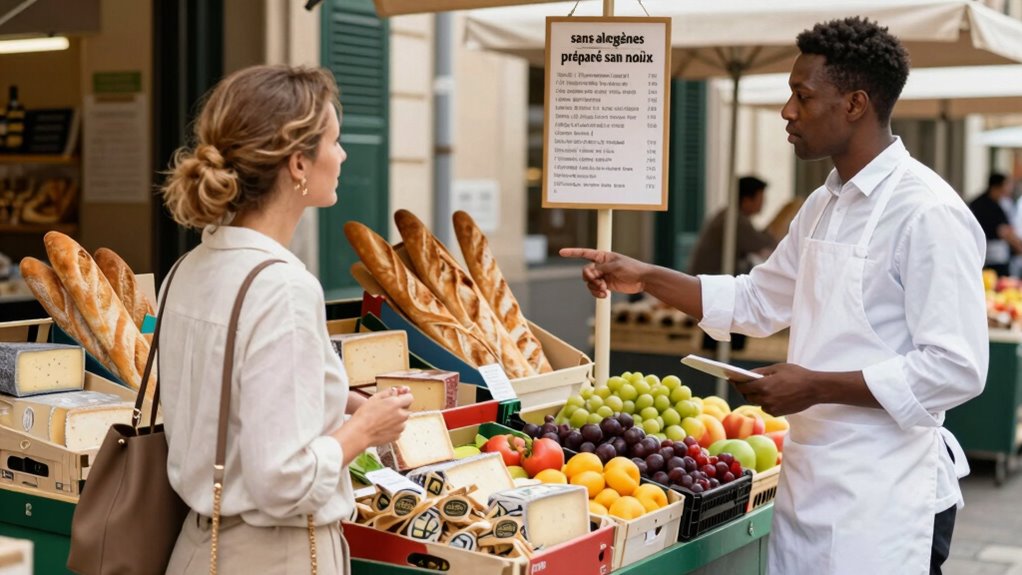

To handle food allergies in France, learn about local regulations and check labels carefully for common allergens like nuts, shellfish, and emerging ones such as buckwheat and pine nuts. When eating out, carry an allergy card in French and ask restaurant staff about hidden ingredients and cross-contamination. Stay informed on diagnostic options and personalized treatments to better manage your condition. With these tips, you can enjoy safer dining experiences—more helpful strategies await if you continue exploring.

Get travel and outdoor gear delivered free — and shop member deals
- Fast, free delivery on millions of items
- Access to Prime Big Deal Days deals on October 6–7
- Prime Video, Amazon Music and more included
Key Takeaways
- Clearly communicate your allergies using French allergy cards or phrases like “Je suis allergique à…”.
- Always read food labels carefully, paying attention to hidden allergens and complying with French and EU labeling laws.
- Ask restaurant staff about ingredients, cross-contamination, and hidden allergens before ordering.
- Use personalized management strategies, including allergy testing and tailored avoidance plans, for better safety.
- Stay informed on emerging allergens and regulatory updates to ensure safe eating practices in France.
As an affiliate, we earn on qualifying purchases.
Understanding the Prevalence of Food Allergies in France
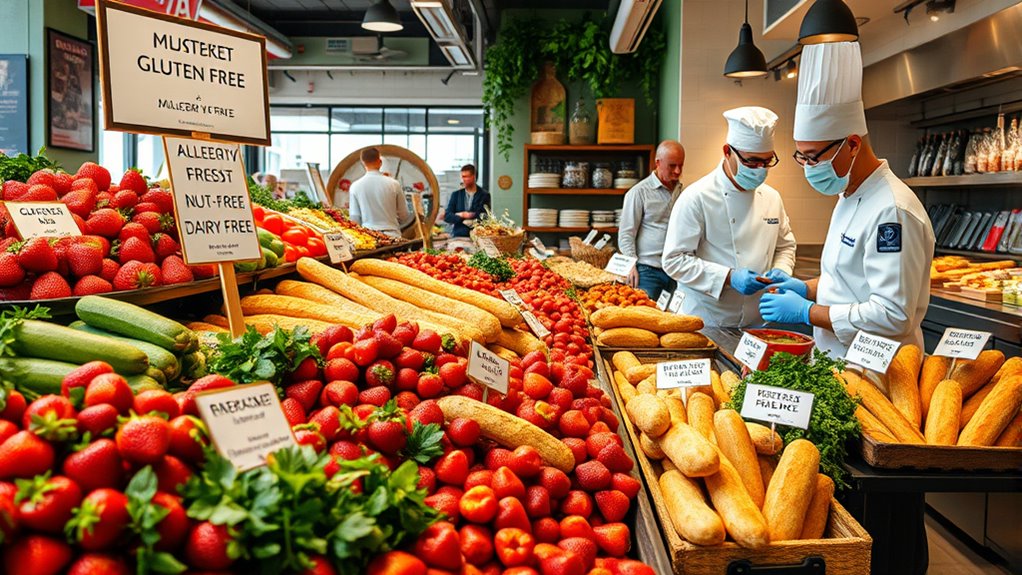
How common are food allergies in France? Food allergies affect about 3.61% of children and 2.98% of adults, making them a significant health concern. The prevalence is moderate compared to other EU countries like Spain and Italy but still warrants attention. The pediatric segment is the largest market for diagnostic testing because children are more vulnerable to severe reactions. Meanwhile, adults represent the fastest-growing group for personalized treatments, reflecting increased awareness and advancements in medical care. With over 270 million USD generated in the market in 2024, the industry is expanding rapidly. Rising prevalence and technological innovations are driving this growth, emphasizing the importance of understanding how widespread food allergies are in France to manage risks effectively. Additionally, the role of color accuracy in medical diagnostics is increasingly vital for developing more precise allergy testing methods.
As an affiliate, we earn on qualifying purchases.
Recognizing Common and Emerging Allergens in French Cuisine
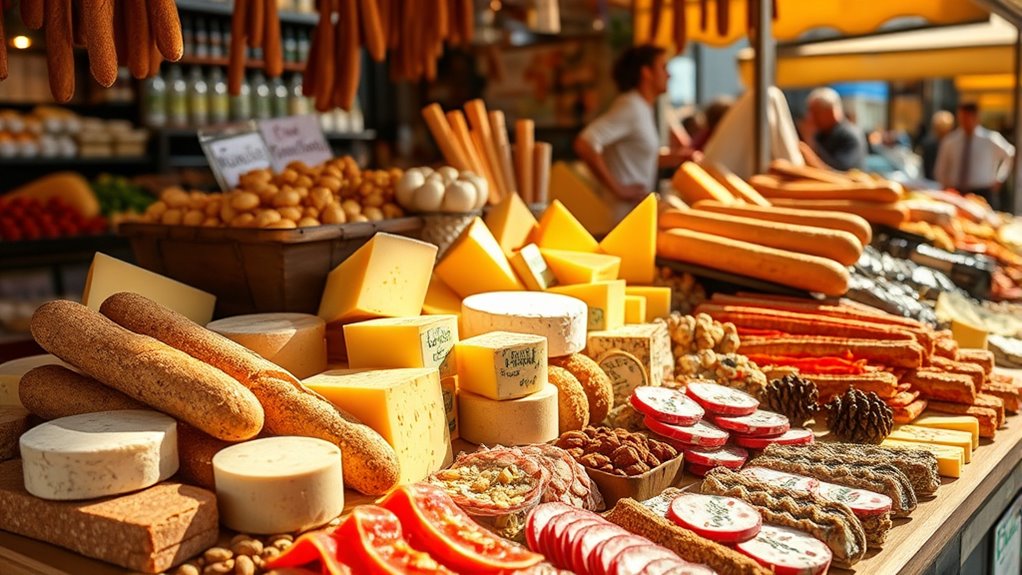
You need to be aware of both traditional allergens like nuts, shellfish, and dairy, which are common in French dishes. At the same time, emerging risks such as buckwheat, peas, and goat’s milk are increasingly connected to severe reactions. Recognizing these allergens helps you better manage risks and ensure safety in French cuisine.
Traditional Allergens in France
French cuisine is renowned for its rich flavors and diverse ingredients, but it also contains several traditional allergens that pose risks for individuals with food allergies. Common allergens include peanuts, tree nuts like walnuts and hazelnuts, milk and dairy products, eggs, wheat, and shellfish such as oysters and shrimp. These ingredients frequently appear in classic dishes like quiches, baked goods, sauces, and seafood preparations. Additionally, ingredients like mustard and celery are often used in sauces and seasonings, which can be hidden sources of allergens. While these allergens are well-known, some traditional ingredients can also cause severe reactions, such as goat’s milk in cheese or buckwheat in galettes. Recognizing these staples helps you better navigate French menus and avoid potential allergic reactions. Being aware of hidden sources of allergens in processed or prepared foods is also crucial for safe dining. Moreover, understanding traditional allergenic ingredients common in French cooking can help you communicate your dietary needs more effectively when dining out. It is also helpful to inquire about cross-contamination risks in restaurant kitchens to prevent accidental exposure. Additionally, learning about emerging allergens that are becoming more common in modern French cuisine can further enhance your safety measures.
Emerging Food Risks
As awareness of food allergies grows, emerging allergens in French cuisine pose new challenges for consumers and healthcare providers alike. While traditional allergens like nuts and shellfish are well-known, foods like goat’s and sheep’s milk, buckwheat, peas, lentils, and pine nuts are increasingly linked to severe reactions. Studies show about 14% of severe anaphylaxis cases involve foods outside the mandatory EU labeling list, highlighting gaps in safety. Goat’s and sheep’s milk can cause serious reactions, including fatalities. Hidden allergens in common dishes—such as goat cheese in pizza or buckwheat in bakery goods—add to the risk. Recognizing these emerging allergens is essential for safe dining, especially as their prevalence rises, making vigilance and accurate labeling more important than ever. Emerging food allergens continue to challenge traditional safety measures in French cuisine, emphasizing the need for heightened awareness and better consumer education. Additionally, ongoing research into food allergen prevalence reveals that many consumers remain unaware of these less obvious risks, underscoring the importance of comprehensive allergen information.
As an affiliate, we earn on qualifying purchases.
Navigating Diagnostic Testing Options for Food Allergies

Guiding diagnostic testing options for food allergies requires understanding the variety of methods available and their respective strengths. Skin prick tests are quick and reliable for initial screening, offering immediate results to identify potential allergens. Specific IgE blood tests measure allergen-specific antibodies, providing detailed information with minimal discomfort. Oral food challenges remain the gold standard for confirming allergies but should only be conducted under medical supervision due to potential risks. Component-resolved diagnostics can pinpoint specific allergenic proteins, improving accuracy, especially for emerging allergens. Technological advancements, such as molecular diagnostics, enhance detection sensitivity and safety. When charting these options, consult an allergist to determine the most appropriate tests based on your symptoms, history, and risk factors, ensuring accurate diagnosis and effective management. Attention to detail is essential for interpreting test results accurately and developing an effective allergy management plan. Additionally, understanding the diagnostic accuracy of each testing method can help optimize allergy detection and minimize misdiagnosis. Recognizing the impact of energyLast on diagnostic capabilities can further enhance testing precision and reliability, as recent innovations have improved the overall testing reliability in allergy diagnostics. Incorporating advanced glycolic acid benefits into skincare routines can also support skin health, which may be relevant for allergy sufferers with skin sensitivities.
personalized allergy testing kit
As an affiliate, we earn on qualifying purchases.
As an affiliate, we earn on qualifying purchases.
Adapting Your Diet: Tips for Safe Eating Out in France

Eating out in France can be enjoyable, but if you have food allergies, you need to be proactive to stay safe. Always carry a card with key phrases in French explaining your allergy, such as “Je suis allergique à…” and list your allergens. When ordering, clearly specify your needs and ask about ingredients, especially hidden ones like goat’s cheese or buckwheat. Opt for restaurants with good reviews and staff familiar with food allergies. Use phrases like “Sans… s’il vous plaît” to request allergen-free dishes. Consider visiting places that offer customizable menus or allergen-free options. Be cautious with shared dishes and cross-contamination. Staying vigilant and communicating clearly helps you enjoy French cuisine without risking your health.
Exploring Personalized Treatment and Management Strategies

You can benefit from tailored allergy management strategies that address your specific triggers and lifestyle. Advances in personalized therapy now offer more effective options, especially for adults with complex allergies. Exploring these approaches helps you gain better control and confidence in managing your food allergies daily. For instance, understanding your unique ethnicity and heritage can influence how your body responds to certain foods and allergens.
Tailored Allergy Management
Personalized allergy management is transforming how healthcare providers address food allergies by tailoring treatments to individual patient profiles. You can work closely with your doctor to develop customized strategies based on your specific allergies, severity, and lifestyle. You can also utilize detailed allergy testing** to gain a comprehensive understanding of your unique triggers, which allows for more precise management plans. This approach often involves detailed allergy testing, identifying unique triggers, and creating personalized avoidance plans. For some, it might include targeted immunotherapy or specialized medication plans. You’ll also receive tailored advice on reading labels, recognizing hidden allergens, and managing cross-reactivity. This individualized care helps reduce anxiety and improves safety, allowing you to navigate daily life with confidence. Implementing personalized treatment approaches ensures that your management plan is both effective and sustainable. As awareness grows in France, personalized management becomes more accessible, ensuring that your treatment aligns precisely with your needs and minimizes the risk of reactions. Embracing patient-centered care and staying informed about your condition can empower you to better understand and manage your allergies effectively. Additionally, understanding local food regulations** can help you make safer choices while dining out or shopping.
Advances in Personalized Therapy
Recent advances in personalized therapy are reshaping how food allergies are managed in France, offering more targeted and effective treatment options. You now have access to therapies tailored specifically to your allergy profile, improving safety and reducing reactions. Innovations like oral immunotherapy (OIT) and sublingual immunotherapy (SLIT) help desensitize your immune system gradually. These approaches are increasingly customized based on your age, allergy severity, and specific foods. Cutting-edge diagnostics enable precise identification of allergens, ensuring treatments are accurately directed. As awareness grows, healthcare providers are adopting these personalized strategies to optimize management and quality of life. The combination of technological progress and regulatory support makes personalized therapy a promising frontier for food allergy care in France. Smart design for comfortable, welcoming living spaces can also support overall well-being during allergy management. Additionally, personalized treatment options are becoming more accessible, making it easier for individuals to find solutions tailored to their unique needs.
Staying Informed About Regulatory Standards and Labeling Laws
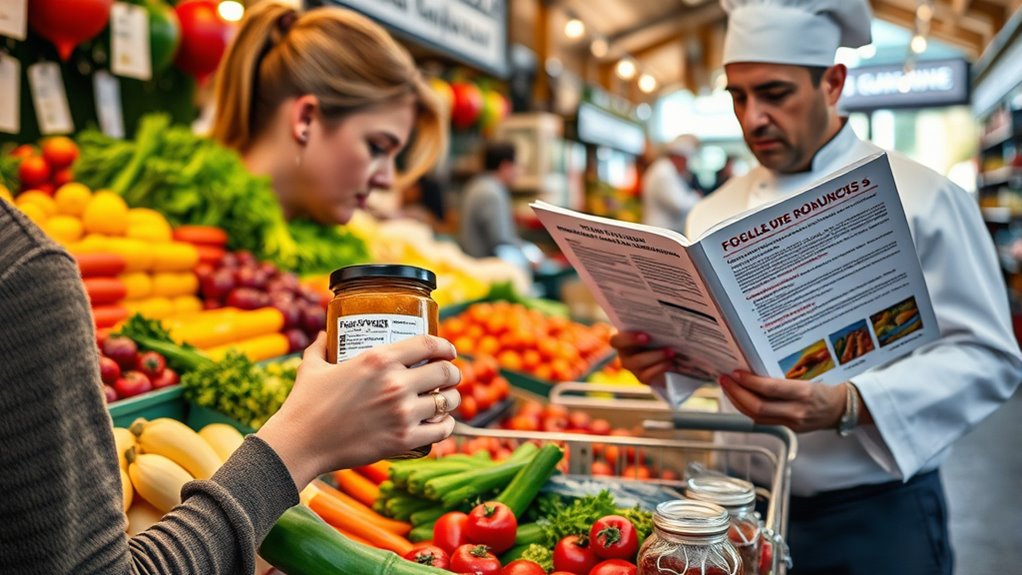
Staying informed about regulatory standards and labeling laws is essential for ensuring food safety and protecting consumers with allergies. French regulations require clear labeling of major allergens, but emerging allergens are often overlooked. To stay ahead, familiarize yourself with current laws and updates from agencies like the European Food Safety Authority (EFSA). Understanding which allergens must be listed helps you identify risks and avoid reactions. The table below highlights key aspects of French allergen labeling:
| Labeling Requirement | Commonly Regulated Allergens | Emerging Concerns |
|---|---|---|
| Mandatory listing | Milk, nuts, gluten | Buckwheat, pine nuts |
| Clear font size | Soy, eggs | Goat’s milk |
| Allergen in bold | Fish, shellfish | Peas, lentils |
| Cross-contact info | Sesame, celery | Goat’s cheese |
Stay vigilant, and regularly check for updates to stay protected. Awareness of regulatory standards is crucial for navigating food labels safely. Regularly reviewing labeling laws helps consumers stay informed about changes that could affect allergy safety.
Protecting Yourself From Hidden Allergens in French Food Products
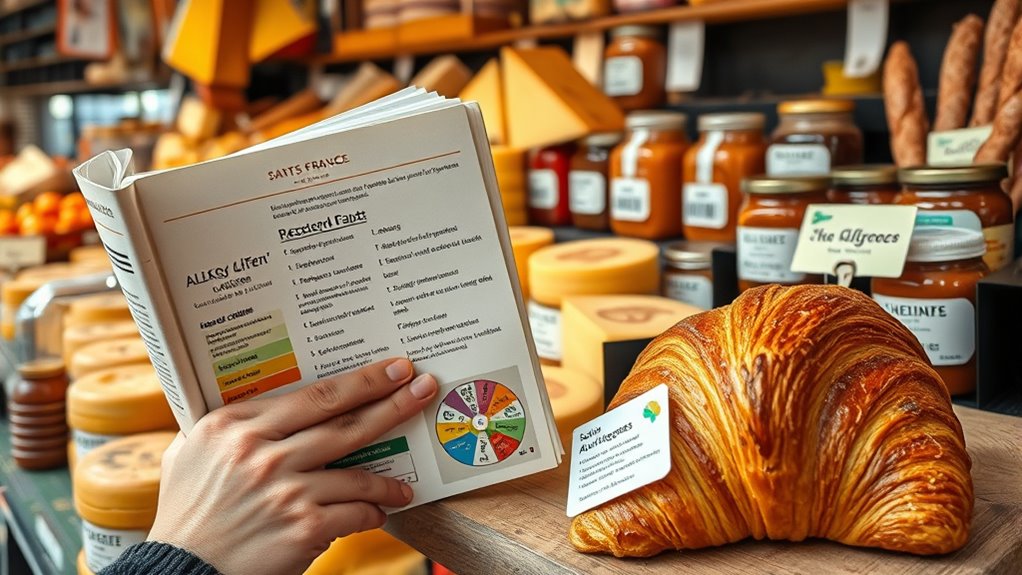
While clear labeling of major allergens is a vital step in food safety, many hidden allergens still pose risks in French food products. To protect yourself, always ask about ingredients when dining out, especially if dishes contain common hidden allergens like goat’s or sheep’s milk, buckwheat, or pine nuts. Read labels carefully, paying attention to less obvious ingredients in baked goods, sauces, and processed foods. Be aware that some foods, like pancakes or bakery items, may contain high-risk ingredients not listed explicitly. Carry an allergy card or translation if necessary, to communicate your needs clearly. Stay vigilant about cross-contamination in kitchens and markets, and don’t hesitate to double-check with staff to ensure your safety. Incorporating vintage-inspired kitchen tools can also help you better identify and manage allergen risks while preparing meals at home. Additionally, understanding food allergen labeling regulations can empower you to make safer choices when selecting packaged products.
Frequently Asked Questions
How Does France’s Food Allergy Prevalence Compare to Other EU Countries?
You’ll find that France’s food allergy prevalence is moderate compared to other EU countries like Spain and Italy. In 2023, about 3.61% of children and 2.98% of adults in France are affected. While not the highest, the rates are rising, especially among adults. The country’s growing awareness and advanced diagnostics mean you should stay vigilant, especially with emerging allergens not on mandatory labels, to manage risks effectively.
What Are the Latest Technological Advances in Food Allergy Diagnostics?
You’ll find that recent technological advances in food allergy diagnostics include highly sensitive and specific testing methods, such as component-resolved diagnostics and molecular techniques. These innovations allow you to pinpoint exact allergenic components, improving accuracy. Major providers like Thermo Fisher Scientific and Abbott Laboratories are leading this progress. Embracing these advancements helps you get faster, more reliable results, ultimately enhancing allergy management and safety for those at risk.
Which Emerging Allergens Should I Watch for in French Baked Goods?
In the intricate tapestry of French baked goods, emerging allergens are the hidden threads you need to watch. Buckwheat, peas, and lentils often hide within pancakes and bakery treats, quietly posing risks. Goat’s and sheep’s milk can sneak into cheese-filled pastries, while pine nuts may be concealed in pesto-based fillings. Stay vigilant—these subtleties can transform a delightful bite into a dangerous surprise, especially as awareness grows.
How Can I Identify Hidden Allergens in Complex French Dishes?
You can identify hidden allergens in complex French dishes by asking detailed questions about ingredients and preparation methods. Look for unfamiliar or regional ingredients like buckwheat, goat’s cheese, or specific oils. Check labels carefully, especially for baked goods and sauces, and consult chefs or staff about potential cross-contact. Using allergy translation cards and researching common hidden allergens in French cuisine also helps prevent accidental exposure.
What Personalized Treatments Are Available for Adult Food Allergy Patients?
You can access personalized treatments like immunotherapy, which gradually desensitizes your immune system to specific allergens, or tailored medication plans such as antihistamines and epinephrine auto-injectors. Your healthcare provider will assess your allergy profile through advanced diagnostic testing and develop a customized management plan. These approaches aim to reduce your allergy symptoms and improve your quality of life while considering your unique sensitivities and lifestyle needs.
Conclusion
Living with food allergies in France might feel overwhelming, but with the right knowledge, you can conquer even the most intimidating French menus! From recognizing hidden allergens to steering through local labels, you hold the power to enjoy authentic cuisine safely. Don’t let allergies turn your French adventure into a nightmare—arm yourself with awareness, stay vigilant, and embrace the culinary wonders safely. Your incredible journey through France’s flavors awaits, allergy-free and triumphant!
Fall Picks
fall essentials
As an affiliate, we earn on qualifying purchases.