
TL;DR

Get travel and outdoor gear delivered free with Prime
- Fast, free delivery on millions of items
- Prime Video, Amazon Music and more included
- Member-only deals all year
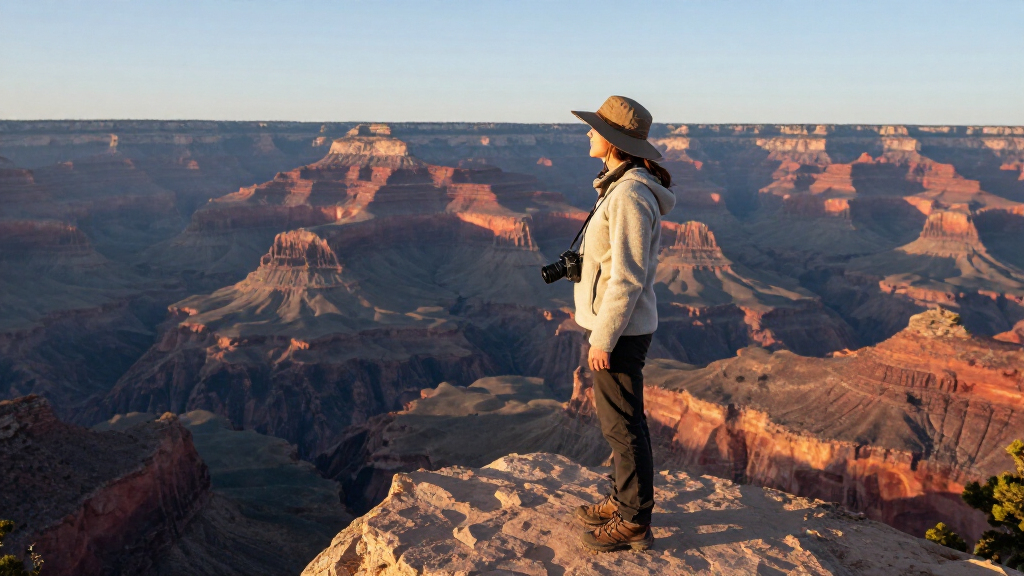
The Grand Canyon has experienced a significant surge in global media coverage and online mentions, with reports indicating a 17-fold increase. The cause of this spike remains unconfirmed, but it highlights growing international interest in the site.
The Grand Canyon in Arizona has seen a dramatic surge in global media coverage and online mentions, with reports indicating a 17-fold increase over recent days. This spike in attention is notable for its scale and timing, though the specific cause remains unconfirmed. The rise in coverage underscores the canyon’s ongoing significance as a major natural and tourist landmark, and signals heightened international interest that could impact tourism and public awareness.
According to the GDELT database, which tracks global media mentions, the Grand Canyon has been mentioned 40 times in the current reporting window, compared to a typical baseline of approximately 2.4 mentions. This represents a 17-fold increase in coverage, a substantial spike that has attracted attention from media outlets worldwide. The surge appears to be recent, with no clear event or announcement directly linked to the increase, and officials or sources have not yet identified a specific trigger for the heightened interest.
Experts suggest that such spikes in coverage can be driven by various factors, including environmental events, political developments, or viral social media activity. However, at this stage, there is no confirmed event or incident that explains the rise. The lack of an identifiable cause has led analysts to consider this as a trend signal rather than the result of a particular news story or crisis.
Tourism officials and local authorities have noted the coverage but have not issued statements linking the surge to any specific developments. The increased attention could potentially influence visitor numbers and international perceptions of the site, depending on how long the coverage persists and what narratives emerge from the media.
Implications for Tourism and Global Awareness
The sharp increase in coverage of the Grand Canyon signals a growing global awareness of the site, which could have implications for tourism, local economies, and environmental conservation efforts. Increased media attention often correlates with higher visitor interest, potentially leading to a boost in international tourism. Conversely, it may also raise concerns about environmental impact, infrastructure capacity, and the need for sustainable management of the site.
For local stakeholders, this surge may represent an opportunity to promote conservation initiatives or develop tourism strategies. For international audiences, the heightened coverage reinforces the Grand Canyon’s status as a natural wonder and a symbol of American natural heritage. However, without clarity on the cause of the coverage spike, it remains uncertain whether this is a temporary trend or the beginning of a sustained increase in global interest.
As an affiliate, we earn on qualifying purchases.
Recent Trends in Media and Search Interest
The current surge in coverage follows a pattern of fluctuating media attention to major natural landmarks, often driven by environmental reports, social media trends, or geopolitical factors. The GDELT database indicates that mentions of the Grand Canyon have historically been relatively stable, with occasional spikes tied to specific events or campaigns. The recent 17-fold increase is notable because it exceeds typical variations and suggests a new level of global attention.
Prior to this spike, the site regularly attracted international visitors and media coverage related to tourism, conservation, and cultural significance. The current trend, however, appears to be an anomaly in terms of volume, with no clear event or announcement yet identified as the trigger. Analysts emphasize that such surges can be transient or may mark the start of a longer-term trend, depending on the underlying drivers and media narratives that develop.
As an affiliate, we earn on qualifying purchases.
Unconfirmed Cause of Coverage Spike
At this stage, the specific reason for the surge in global coverage remains unconfirmed. No official statements or identifiable events have been linked to the increase, and analysts caution that it may be a temporary trend driven by social media virality, environmental factors, or unrelated geopolitical news that coincidentally mentions the site.
It is also unclear whether this surge will have a lasting impact on tourism or public perception, or if it will quickly subside. Researchers note that media attention can be highly volatile and sometimes driven by factors outside the site’s direct control, making it difficult to predict future developments with certainty.
Travel backpack for Grand Canyon trips
As an affiliate, we earn on qualifying purchases.
As an affiliate, we earn on qualifying purchases.
Monitoring Media Trends and Visitor Responses
Authorities and analysts plan to observe media coverage and online activity over the coming weeks to determine if the surge represents a short-term spike or a new pattern of sustained interest. Tourism officials may also prepare for potential increases in visitor inquiries or arrivals, depending on how the coverage evolves.
Further investigations or statements from media outlets, environmental groups, or local authorities could shed light on the underlying causes. Researchers and stakeholders will also likely examine social media trends and environmental reports that could be influencing public and media attention.
As an affiliate, we earn on qualifying purchases.
Key Questions
What caused the surge in coverage of the Grand Canyon?
It is currently unclear what triggered the spike in media mentions and online interest, as no specific event or announcement has been confirmed.
Could this increase in coverage impact tourism?
Potentially, yes. Increased media attention often correlates with higher visitor interest, but the actual impact will depend on how long the coverage persists and whether it leads to sustained interest.
There is no confirmed link to environmental or political events at this time, and analysts emphasize that the surge may be a trend signal rather than the result of a specific incident.
How long might this increased coverage last?
It is uncertain how long the surge will continue, as it depends on the development of media narratives and potential related events. Monitoring over the coming weeks is planned to assess this.
What should visitors or tourists do in response?
Visitors should stay informed through official channels and consider booking accommodations or tours early if interest continues to grow. Conservation and safety guidelines should also be prioritized.
Source: gdelt
Columbus Day / Indigenous Peoples' Day Picks
long weekend sales
As an affiliate, we earn on qualifying purchases.