To recover from a Europe red-eye flight, resist the urge to sleep straight away; stay awake until your local bedtime. Expose yourself to natural light or use a light therapy box to reset your internal clock. Keep hydrated, avoid alcohol and caffeine, and create a dark, cool, quiet sleep environment once you do sleep. Short naps can help without disrupting your schedule. Stay consistent with your routine, and you’ll find ways to bounce back faster—more tips are just ahead.
Open a free Amazon Business account
Business pricing, bulk buying and tax-exempt orders.
As an affiliate, we earn on qualifying purchases.
Key Takeaways
- Stay awake until your local bedtime to help reset your internal clock and reduce fatigue.
- Maximize exposure to natural light or use a light therapy box to adjust your circadian rhythm.
- Create a dark, cool, and quiet sleep environment to improve sleep quality during recovery.
- Take short naps (20-30 minutes) to manage fatigue without disrupting nighttime sleep.
- Hydrate well and avoid caffeine or alcohol to support better sleep and overall recovery.
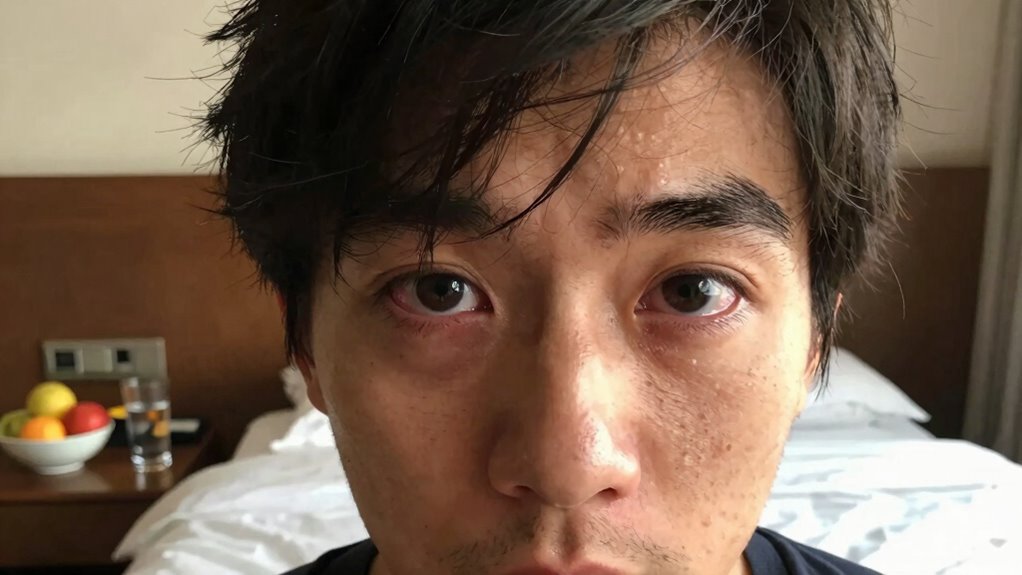
After a long Europe red-eye flight, you might feel exhausted and out of sync, but with the right approach, you can bounce back quickly. The key is to prioritize good sleep hygiene and manage jet lag effectively. Once you arrive, resist the urge to crash immediately, even if you’re tempted to sleep straight through the day. Instead, try to stay awake until the local bedtime. This helps your body adapt faster to the new time zone and reduces jet lag symptoms.
Stay awake until local bedtime to help your body adjust faster and minimize jet lag.
To support your recovery, expose yourself to natural light as soon as possible. Sunlight helps reset your internal clock, signaling to your brain that it’s time to be awake. If sunlight is limited, consider using a light therapy box. Also, stay hydrated by drinking plenty of water, as dehydration can worsen fatigue and jet lag. Avoid alcohol and caffeine, which can interfere with your sleep hygiene and make it harder to adjust.
When you do rest, aim for high-quality sleep. Create a sleep-friendly environment: keep the room dark, cool, and quiet. Use blackout curtains or an eye mask if necessary. Establish a calming pre-sleep routine, such as reading or listening to soothing music, to signal to your body that it’s time to wind down. If you’re feeling sleepy during the day, short naps of 20-30 minutes can help recharge you, but avoid long naps that could interfere with your nighttime sleep.
Adjusting your schedule gradually before your trip can make a significant difference. If you’re able, shift your sleep and meal times closer to the destination’s schedule a few days in advance. This pre-adjustment can ease the transition and reduce the severity of jet lag when you arrive. Incorporating light exposure strategies can further enhance your adjustment process.
Pay attention to your sleep hygiene habits. Stick to consistent sleep and wake times, even on weekends, to reinforce your body’s internal clock. Limit screen time before bed, since the blue light emitted from phones and laptops can disrupt melatonin production, making it harder to fall asleep. Being mindful of your sleep environment can also improve your overall rest and recovery during travel. Additionally, understanding how circadian rhythms influence your sleep patterns can help you better manage jet lag symptoms. Recognizing your body’s natural sleep-wake cycle can guide you in creating routines that support faster adaptation.
As an affiliate, we earn on qualifying purchases.
Frequently Asked Questions
How Long Does It Typically Take to Recover From a Europe Red-Eye?
It usually takes about one to two days to recover from a Europe red-eye. To speed up your recovery, focus on in-flight comfort and travel skincare. Stay hydrated, use eye drops to soothe irritation, and rest as much as possible once you arrive. Avoid screens and harsh lighting, and consider gentle eye massages. These steps help reduce redness faster and get you feeling more refreshed after your long journey.
Are There Specific Eye Drops Recommended for Red-Eye Relief?
Ever wondered if there’s an instant fix for red eyes after a long flight? Travel eye drops and red eye remedies like lubricating or antihistamine drops can help soothe your eyes quickly. Brands like Visine or Clear Eyes are popular options. Always check the ingredients and consult with a healthcare professional if you’re unsure. Do you want fast relief, or are you willing to wait for natural healing?
Can Dehydration Worsen Red-Eye Symptoms After a Flight?
Yes, dehydration can worsen red-eye symptoms after a flight because it reduces your eyes’ natural moisture, making irritation more noticeable. Staying hydrated is essential for eye health, as it helps prevent eye strain and keeps your eyes lubricated. Drinking plenty of water also aids in recovery, reduces discomfort, and supports overall hydration importance, making it easier to manage red-eye symptoms and prevent further irritation during your journey.
Is It Safe to Use Contact Lenses During or After a Red-Eye Flight?
It’s best to avoid wearing contact lenses during or immediately after a red-eye flight, as it can compromise contact lens safety and increase eye irritation. If your eyes feel irritated or dry, switch to glasses to prevent further discomfort. To promote eye irritation prevention, keep your eyes moisturized with preservative-free artificial tears and give your eyes time to recover before reinserting lenses.
What Are Signs of a More Serious Eye Infection Post-Flight?
Like a warning bell ringing, if you notice intense eye pain, blurred vision, increased redness, or pus, these are signs of a serious eye infection. Don’t ignore symptoms or downplay their severity. Such signs suggest the infection might be worsening, and delaying treatment could lead to complications. If you experience any of these, see an eye doctor promptly to prevent long-term damage. Your eye health can’t wait.
As an affiliate, we earn on qualifying purchases.
Conclusion
So, after all that fuss about staying awake and fighting jet lag, you finally land, only to find out the real trick is just getting some sleep. Ironically, the best way to recover from a Europe red-eye might be surrendering to exhaustion and crashing as soon as you can. Who knew that flight’s toughest challenge isn’t the jet lag itself, but resisting the urge to nap immediately? Sometimes, the simplest solution is just to give in and let your body do its thing.
As an affiliate, we earn on qualifying purchases.
As an affiliate, we earn on qualifying purchases.
Fall Picks
fall essentials
As an affiliate, we earn on qualifying purchases.