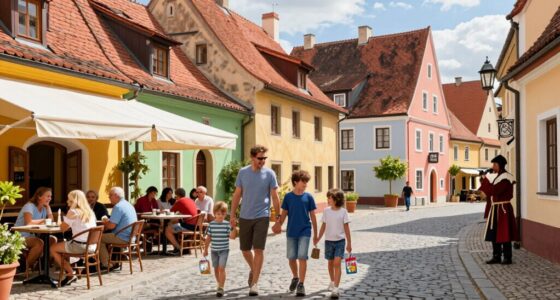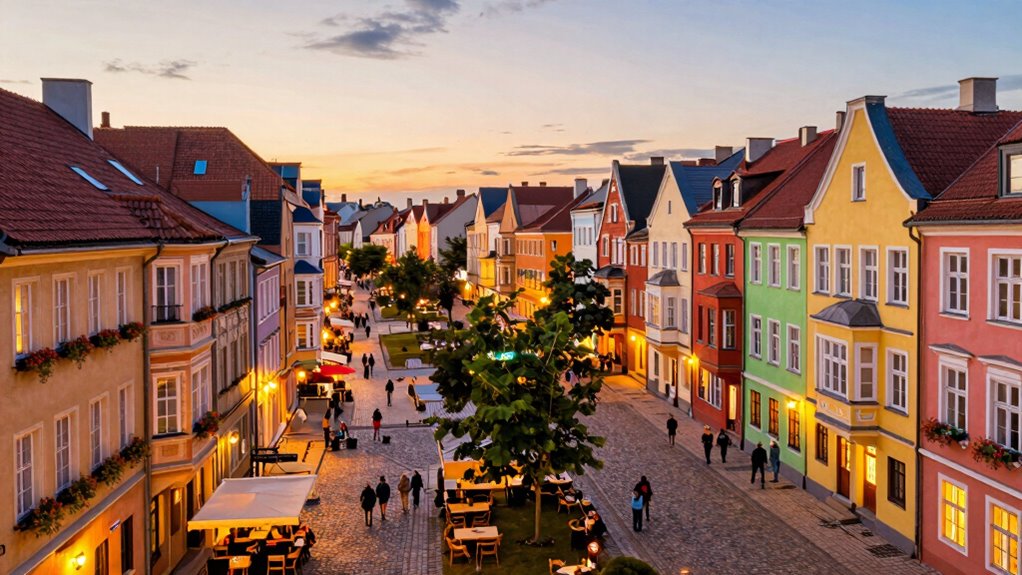

Choosing between staying in Europe’s city centers or neighborhoods depends on your travel style. City centers offer quick access to major sights, vibrant atmosphere, and convenience but can be crowded, noisy, and pricey. Neighborhoods provide authentic local experiences, relaxed environments, and often better value, though they may require longer transit to attractions. To understand which option suits you best and discover tips for an enjoyable trip, explore further.
Key Takeaways
- City centers offer easy access to major attractions, public transit, and vibrant urban life, ideal for sightseeing-focused stays.
- Neighborhoods provide authentic local experiences, quieter surroundings, and more affordable accommodations for immersive cultural exploration.
- Staying in city centers often means higher costs, smaller rooms, and busier, more tourist-heavy environments.
- Neighborhood stays typically feature larger, budget-friendly accommodations with a relaxed, community-focused atmosphere.
- Your choice depends on preferences for convenience and sightseeing versus authenticity, local culture, and tranquility.
Top picks for "stay europe city"
Open Amazon search results for this keyword.
As an affiliate, we earn on qualifying purchases.
The Advantages of Staying in City Centers
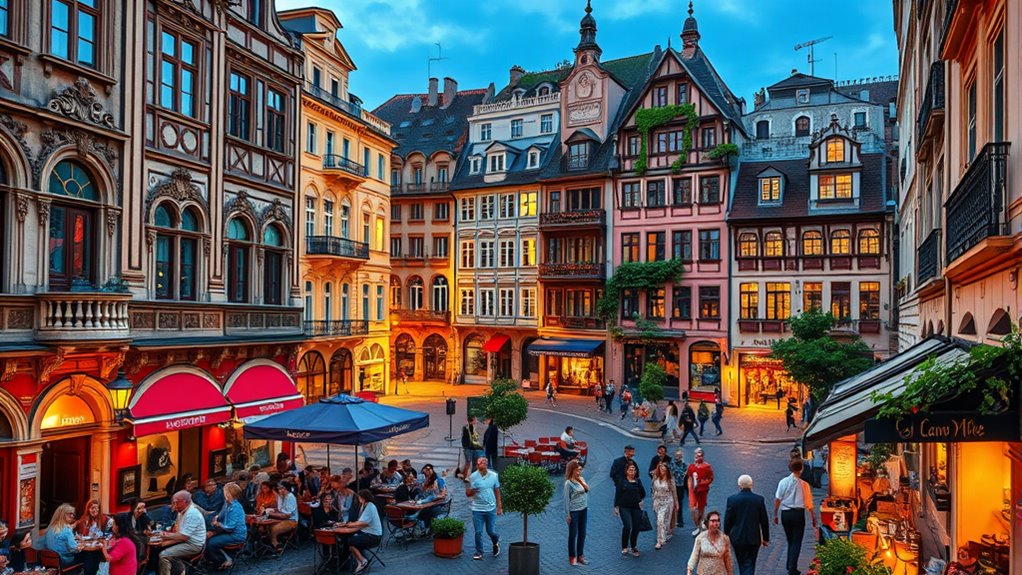
Staying in a city center puts you right in the heart of the action, making it easy to explore top sights without long commutes. You’re within walking distance of major landmarks, bustling markets, and cultural hotspots, so you can spend less time traveling and more time experiencing. Public transit hubs like train stations and trolley stops are nearby, simplifying your movement around the city. Plus, you’ll find plenty of cafes, bakeries, shops, and restaurants right outside your door, giving you quick access to local cuisine and shopping. The vibrant atmosphere keeps you immersed in the city’s energy, perfect for those wanting an authentic urban experience. While it can be crowded, staying here offers unmatched convenience and a lively, dynamic environment. Additionally, choosing accommodations in the city center often provides easy access to various brewing methods, enhancing your overall stay.
Furthermore, being close to water-based attractions or waterfront parks can add a refreshing dimension to your visit, especially if you enjoy floating on water or aquatic activities. The proximity to European cloud innovation hubs can also be beneficial if you’re interested in exploring local tech scenes or attending related events during your stay.
By staying in a city center, you also benefit from the compact layout of urban areas, making it easier to navigate and discover hidden gems at your own pace.
The Drawbacks of Urban Tourist Hubs
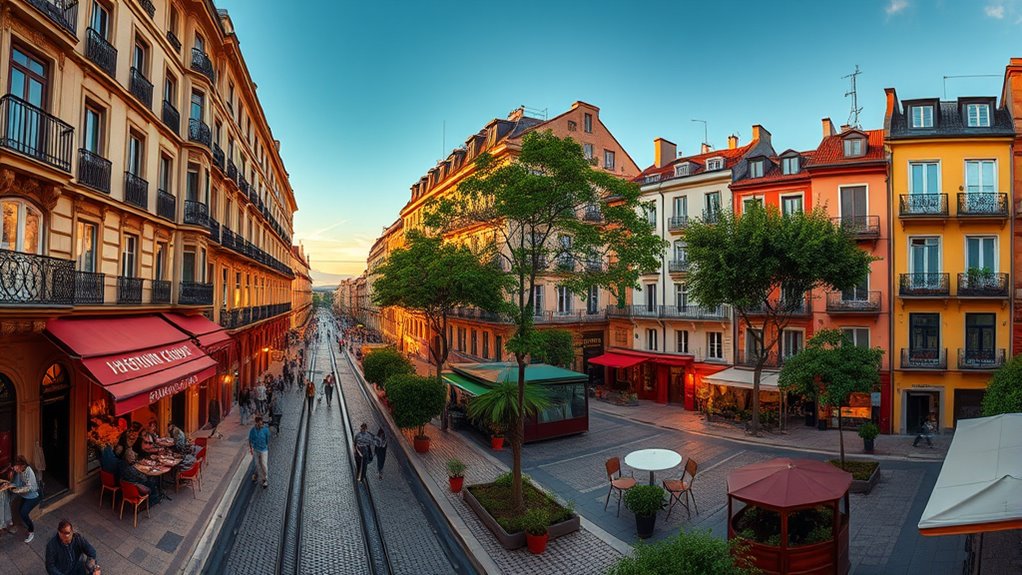
While exploring a city’s main attractions from a central location offers convenience, it also comes with notable downsides. You might find yourself overwhelmed by crowds, making it hard to enjoy the sights peacefully. Tourist-heavy areas often feature tacky souvenir shops and inflated prices, increasing your costs. The bustling environment can lead to noise and urban density, reducing your comfort. Smaller hotel rooms and limited authentic local experiences are common in these hubs. Additionally, the constant influx of tourists can make the area feel impersonal and commercialized. You might also struggle to find tranquility or genuine neighborhood charm, especially if you’re seeking an immersive local vibe. Moreover, these popular spots can sometimes be overrun with tourists, diminishing the quality of your visit. Choosing a neighborhood away from the tourist centers can provide a more authentic and relaxed experience. Exploring local districts allows you to experience the true character of the city without the overwhelming crowds, and discovering hidden gems can lead to more memorable adventures. Being aware of the tourist density can help you plan smarter, more enjoyable trips.
Benefits of Choosing Neighborhood Accommodations
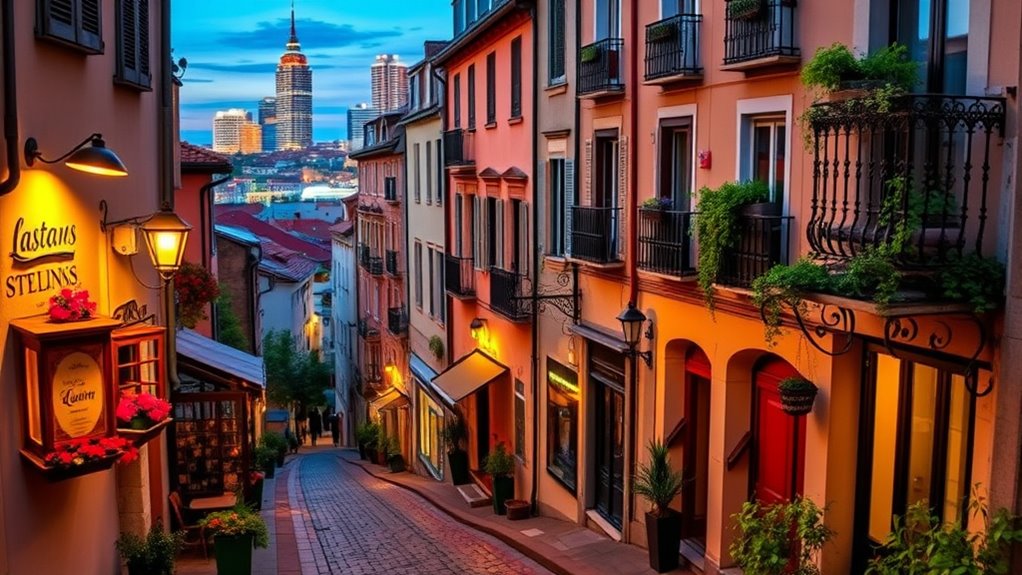
Opting for neighborhood accommodations offers a more authentic and relaxed experience, allowing you to immerse yourself in local culture away from the tourist crowds. You’ll enjoy charming, historic areas with a residential feel, often at a lower cost. Quieter surroundings mean you can unwind and truly connect with the neighborhood’s character. Plus, you’ll find access to local markets and community spots that give you a taste of everyday life. Public transport links make it easy to reach major sights without staying in the center. Here’s a quick comparison: exploring local neighborhoods can enhance your travel experience by providing deeper cultural insights. Additionally, staying outside the city center often grants better color accuracy in your daily interactions and surroundings, enriching your overall experience. This approach also aligns with eco-friendly travel principles by reducing your environmental impact. Embracing this approach aligns with the principles of creative storytelling, making your journey more memorable and meaningful. Exploring local traditions can further deepen your connection to the area and create lasting memories.
Limitations of Residential Areas for Tourists
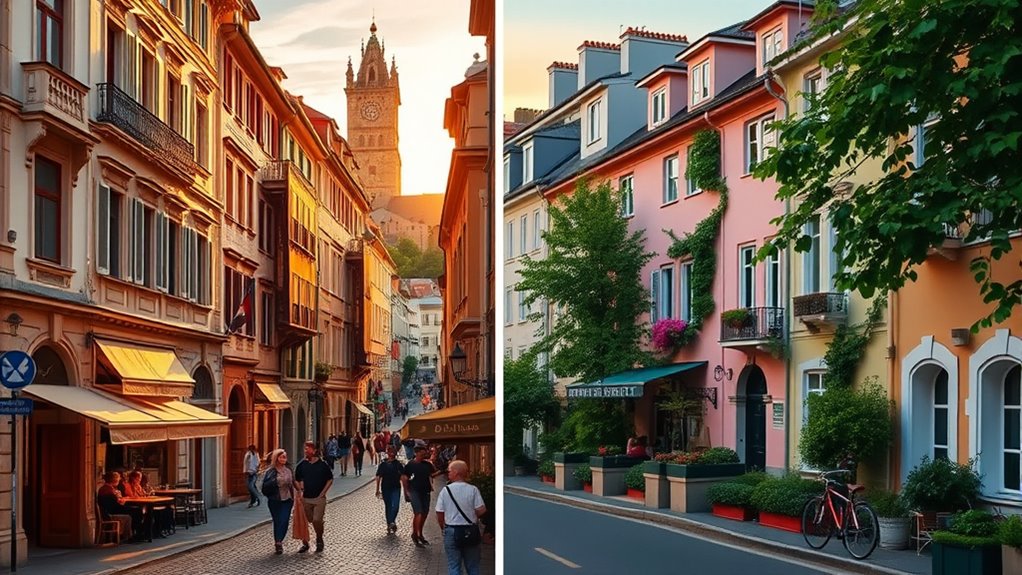
Although residential neighborhoods offer an authentic and peaceful atmosphere, they can also present certain challenges for tourists. You might find that getting to popular sights requires extra planning and time, as these areas are often farther from main attractions. Public transportation options can be less frequent or less direct, meaning longer commutes. Additionally, some neighborhoods lack the vibrant nightlife or trendy eateries you might crave. You may also encounter limited amenities like 24-hour services, and some areas can be pricey if they’re upscale. Quiet streets and local charm are great, but they might not suit those who want quick access to major sights or bustling city life. Limited amenities such as 24-hour services can also impact your convenience during your stay. Moreover, some neighborhoods may lack the specialized services found in central areas, making it harder to find certain conveniences or assistance when needed. Incorporating community-based support can help mitigate some of these limitations. Furthermore, the availability of local attractions might be fewer or less well-known compared to city centers. Additionally, exploring these neighborhoods often requires more effort to find tourist-friendly facilities, which can be essential for a comfortable visit.
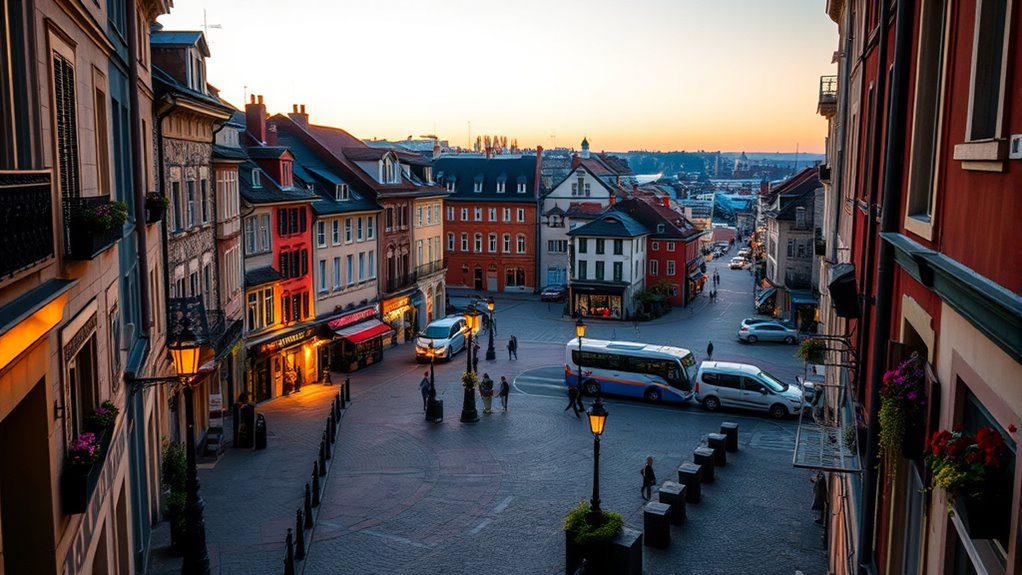
Traveling through transportation in European cities varies considerably between staying in the city center and choosing a neighborhood. In the city center, you benefit from dense public transit hubs, making it easy to walk to major sights, markets, and cultural spots. Buses, trams, and metro lines are often nearby, so getting around is quick and convenient. However, expect crowded stations and busy streets, especially during peak hours. Choosing a neighborhood usually means you’ll need to rely more on public transit for longer trips. While this can mean longer commutes to tourist attractions, neighborhoods often offer quieter streets and less congestion. Many neighborhoods are well-connected, with metro or bus lines providing reliable access, but you might spend more time traveling rather than exploring on foot. Additionally, Support Breakfast options can be found in many European districts, offering a convenient start to your day. Being aware of public transit networks and their coverage areas can help you plan your routes efficiently and make the most of your stay. Understanding the local transportation options can also enhance your overall experience and convenience during your visit. A good understanding of transportation planning can significantly improve your travel efficiency and comfort.
Authentic Local Experiences in Neighborhoods
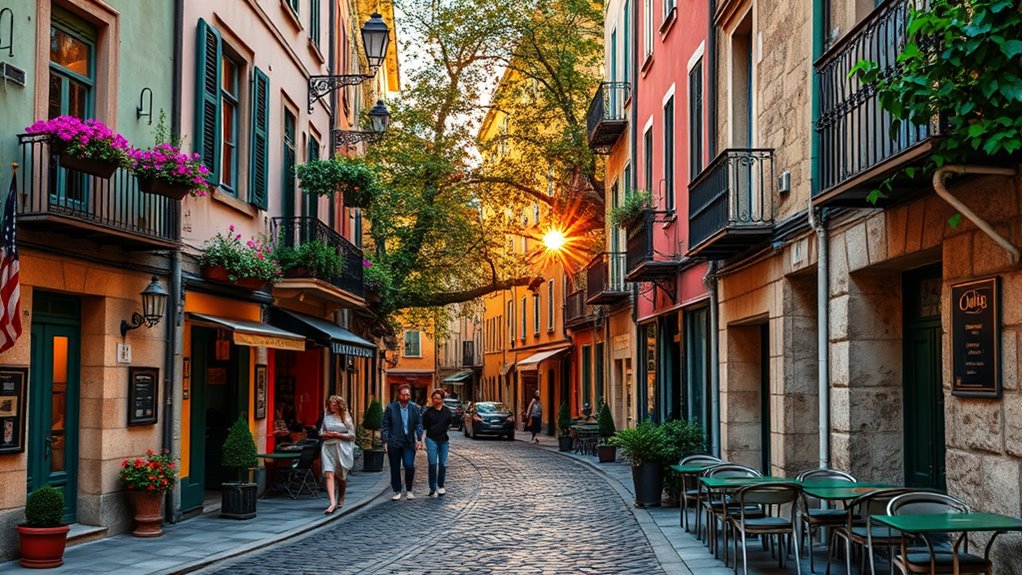
Staying in neighborhoods gives you the chance to meet locals and experience daily life firsthand. You can join community markets, chat with shop owners, or enjoy authentic eateries away from tourist crowds. These interactions make your trip truly memorable and enrich your understanding of the local culture. Embracing eco-friendly practices during your stay can also enhance your connection to the community and support sustainable tourism. Incorporating biodiversity-friendly habits, such as supporting local, organic markets, can further contribute to preserving the environment and promoting conservation efforts. Engaging with community-led initiatives that showcase cultural heritage can deepen your appreciation of the area’s history and traditions.
Genuine Local Interactions
Living in a neighborhood offers the best chance to experience genuine local interactions that go beyond typical tourist spots. You’ll naturally engage with residents, discover hidden gems, and get insider tips. These areas foster authentic connections through daily exchanges at local markets, neighborhood cafes, and community events. You might join a cooking class with locals or strike up conversations in a quiet park. This immersion helps you understand local customs and lifestyle more deeply.
- Chat with shop owners and neighbors about their lives
- Visit local markets for fresh, regional produce
- Attend neighborhood events or festivals
- Share meals at family-run restaurants
- Join community activities or classes
Immersive Cultural Encounters
Immersing yourself in a neighborhood’s daily life opens authentic cultural encounters that go beyond the typical tourist experience. You’ll have the chance to chat with locals at markets like Rue Cler in Paris or browse family-run shops in Amsterdam’s Jordaan. These areas often host neighborhood festivals, street art, and traditional eateries that showcase genuine local flavors. Staying in a quieter, residential area lets you observe daily routines, from morning coffee rituals to evening strolls, providing deeper insights into the community’s way of life. You might even join a cooking class or attend a local event, forging connections that create memorable cultural exchanges. Such experiences allow you to see a city’s true personality, far from the crowds and commercialized attractions.
Accessibility to Attractions and Landmarks
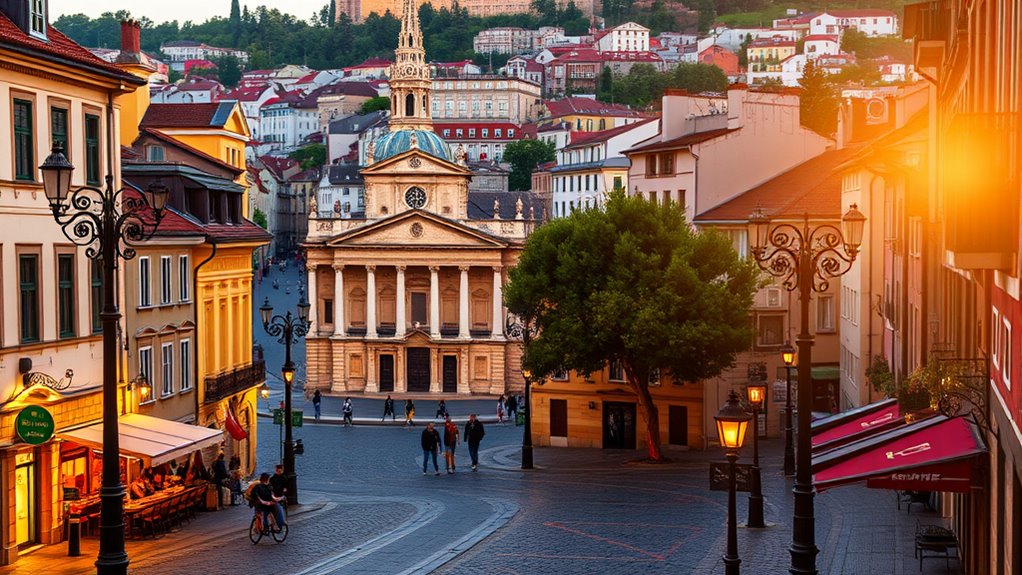
Choosing a location close to major attractions considerably simplifies your sightseeing plans. Staying in the city center means you’ll be within walking distance of landmarks, museums, and vibrant markets, saving time and transit costs. Public transportation hubs nearby make it easy to explore further afield or visit hidden gems. In contrast, neighborhoods often require longer commutes to reach key sights, which can eat into your sightseeing time. Consider your priorities—if quick access to popular sites matters most, city centers are ideal. Conversely, neighborhoods offer charm and quieter surroundings, though at the expense of convenience.
- Walkable distances to major landmarks
- Proximity to public transit stations
- Shorter travel times between sights
- Easy access to guided tours and hop-on-hop-off buses
- Central locations reduce reliance on taxis or rideshares
Cost Considerations: Budget-Friendly Options in Both Areas
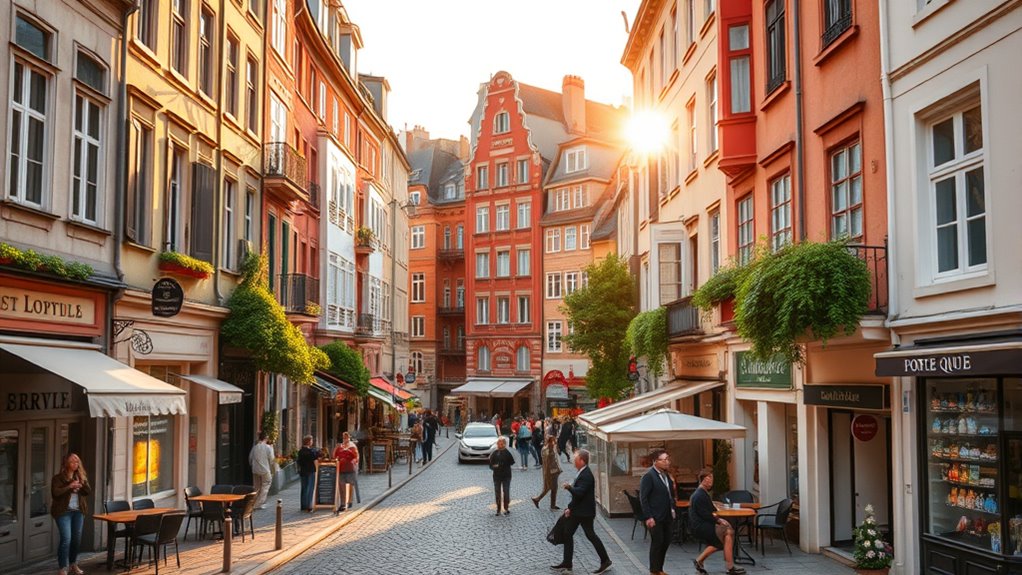
Finding budget-friendly options in Europe means exploring affordable accommodations that won’t break the bank. You can score great deals at local markets, where bargain finds and fresh produce help you save on meals. Plus, choosing budget dining spots lets you enjoy authentic flavors without overspending.
Affordable Accommodation Choices
Are you looking to save money while experiencing Europe’s vibrant cities? You can find affordable accommodations in both city centers and neighborhoods. City center hostels and budget hotels often offer competitive rates and prime locations close to attractions. In neighborhoods, look for guesthouses, serviced apartments, or local inns that provide cozy, budget-friendly options away from tourist crowds. Booking in advance can secure better deals, and consider staying slightly outside the main areas for lower prices. Utilizing public transportation and choosing accommodations with kitchen facilities can further cut costs.
- Hostels with private rooms or dorms
- Budget hotels in less touristy areas
- Guesthouses and local B&Bs
- Serviced apartments with kitchenette
- Vacation rentals on platforms like Airbnb
Local Market Bargain Finds
Exploring local markets is a smart way to score budget-friendly finds in Europe. Whether you’re in the city center or a neighborhood, markets often offer affordable fresh produce, handmade crafts, and unique souvenirs that won’t break the bank. In city centers, vibrant markets like Budapest’s Great Market Hall or Florence’s Mercato Centrale provide fresh food and local products at reasonable prices, saving you money on meals. Neighborhood markets, such as Rue Cler in Paris or Riquier in Nice, tend to be less touristy and more affordable, offering authentic goods directly from local vendors. Visiting these markets allows you to experience local culture without overspending. Plus, shopping at markets helps you avoid tourist trap prices and discover special items at bargain rates, making your trip more budget-friendly.
Budget Dining Options
Budget dining in Europe offers plenty of delicious options that won’t drain your wallet, whether you’re in the city center or a quieter neighborhood. You can enjoy flavorful meals without overspending by seeking out local markets, street food stalls, and casual eateries. These spots often serve authentic dishes at a fraction of restaurant prices, giving you a taste of local cuisine without the hefty bill. Exploring neighborhood cafes or small bistros can also provide affordable, hearty meals. Additionally, many cities have student-friendly spots or fast-food chains that offer budget-friendly options. To save more, look for daily specials, set menus, or buy food from markets and prepare simple meals in your accommodation.
- Street food stalls with regional specialties
- Local markets with ready-to-eat options
- Casual cafes with daily specials
- Takeaway joints offering quick bites
- Supermarkets for easy, inexpensive meals
The Atmosphere and Cultural Vibe Differences

The atmosphere and cultural vibe in Europe’s city centers often pulse with energy, showcasing vibrant markets, historic architecture, and bustling streets that reflect the city’s heartbeat. You’ll feel immersed in lively scenes, with street performers, cafes, and locals going about their day. In contrast, neighborhoods exude a more relaxed, authentic charm, with quieter streets, local markets, and a sense of community. This difference shapes your experience: city centers are lively, tourist-heavy hubs, while neighborhoods offer a cozy, genuine atmosphere.
| Aspect | City Center | Neighborhoods | Key Experience |
|---|---|---|---|
| Atmosphere | Energetic, bustling | Calm, authentic | Vibe you feel daily |
| Architecture | Historic, grand | Residential, charming | Style and character |
| Crowds | Large, tourist-heavy | Smaller, local | Intensity of activity |
| Local Feel | Less genuine | More authentic | Connection to community |
| Pace of Life | Fast, vibrant | Slow, relaxed | Daily rhythm |
Making the Right Choice for Your Travel Style

Think about how fast you want to explore and what pace feels right for you. Your budget and comfort needs also shape where you should stay, whether it’s a bustling city center or a quieter neighborhood. Matching your travel style with these factors helps you choose accommodations that truly enhance your trip.
Travel Pace and Preferences
Your travel pace and personal preferences play a crucial role in choosing the right place to stay in Europe. If you prefer a fast-paced itinerary with sightseeing packed into each day, staying in the city center keeps you close to major attractions and minimizes transit time. On the other hand, if you enjoy a relaxed, immersive experience, neighborhoods offer quieter streets, local cafes, and a more authentic vibe. Consider your energy levels and how much time you want to spend commuting versus exploring at your own pace.
- Opt for city centers if you want quick access to sights and vibrant urban life
- Choose neighborhoods for a slower, more local experience
- Prioritize city centers if you love walking and immediate sightseeing
- Select neighborhoods if you prefer relaxing, less crowded areas
- Balance your pace with transportation options when planning your stay
Budget and Comfort Needs
When balancing your travel plans, considering both your budget and comfort needs can make all the difference in choosing where to stay. If you’re looking to save, neighborhoods offer affordable lodgings and a more relaxed, authentic vibe. You’ll find historic apartments with charm and fewer crowds, often at lower prices than city centers. However, keep in mind that neighborhoods may require longer commutes to main attractions and have fewer trendy eateries. On the other hand, city centers provide convenience and quick access to top sights, but they come with higher costs and smaller rooms. If luxury and proximity are your priorities, city centers might fit better. Ultimately, your choice hinges on whether you value budget-friendly comfort or urban convenience and vibrant surroundings.
Frequently Asked Questions
How Do I Choose Between City Centers and Neighborhoods for My Stay?
You should choose based on what matters most to you. If you want easy access to top sights, lively markets, and vibrant nightlife, stay in the city center. But if you prefer a quieter, more authentic atmosphere with charm and affordability, neighborhoods are better. Consider your budget, desired pace, and what kind of experience you want. Balancing convenience with local flavor helps you pick the perfect spot.
Are There Safe Neighborhoods Suitable for Tourists in Europe?
Yes, many neighborhoods in Europe are safe havens for tourists, like a cozy fortress protecting you from worries. Areas like Amsterdam’s Jordaan, Paris’ Rue Cler, or Nice’s Riquier offer friendly atmospheres, good public safety, and welcoming locals. Always check recent reviews, avoid poorly lit streets at night, and stay aware of your surroundings. With these precautions, you can enjoy exploring charming, secure neighborhoods that feel like a home away from home.
Can I Find Authentic Local Experiences Outside City Centers?
Yes, you can find authentic local experiences outside city centers. By exploring neighborhoods like Jordaan in Amsterdam, Rue Cler in Paris, or Riquier in Nice, you’ll enjoy real local life, traditional markets, and charming streets away from tourist crowds. These areas often have historic character, local eateries, and a laid-back vibe, giving you a genuine taste of daily life and culture that’s often missing in crowded city centers.
How Do Transportation Options Differ Between City Centers and Neighborhoods?
Transportation options differ quite a bit between city centers and neighborhoods. In city centers, you’ll find dense public transit hubs like trolleys, trains, and buses that make sightseeing easy and quick. In neighborhoods, public transport is still accessible but less frequent, so you might rely more on metro rides or buses to reach attractions. Walking is often more feasible in city centers, while neighborhoods may require longer commutes for sightseeing.
What Budget-Friendly Lodging Options Are Available in Both Areas?
You can find budget-friendly lodging options in both city centers and neighborhoods. In city centers, look for hostels, budget hotels, or shared accommodations near major attractions. In neighborhoods, opt for guesthouses, family-run inns, or affordable apartments that offer more charm and local flavor. Booking early and considering alternative accommodations like Airbnb can help you save money, regardless of where you choose to stay.
Conclusion
So, whether you nestle into the bustling city center or hide away in a quiet neighborhood, remember—your choice shapes your entire trip. Want to wake up to tourist crowds or sip coffee among locals? Either way, you’re just a metro ride or a hefty price tag away from experiencing Europe’s magic. Ultimately, it’s about what kind of chaos or calm you crave—because nothing screams ‘authentic experience’ like paying a premium for a quieter street.