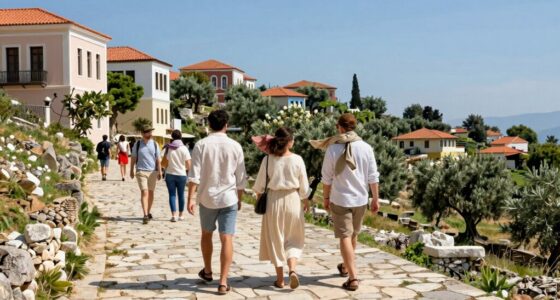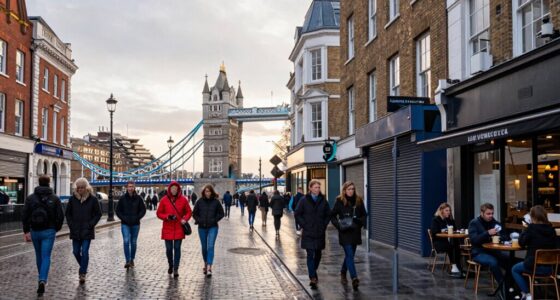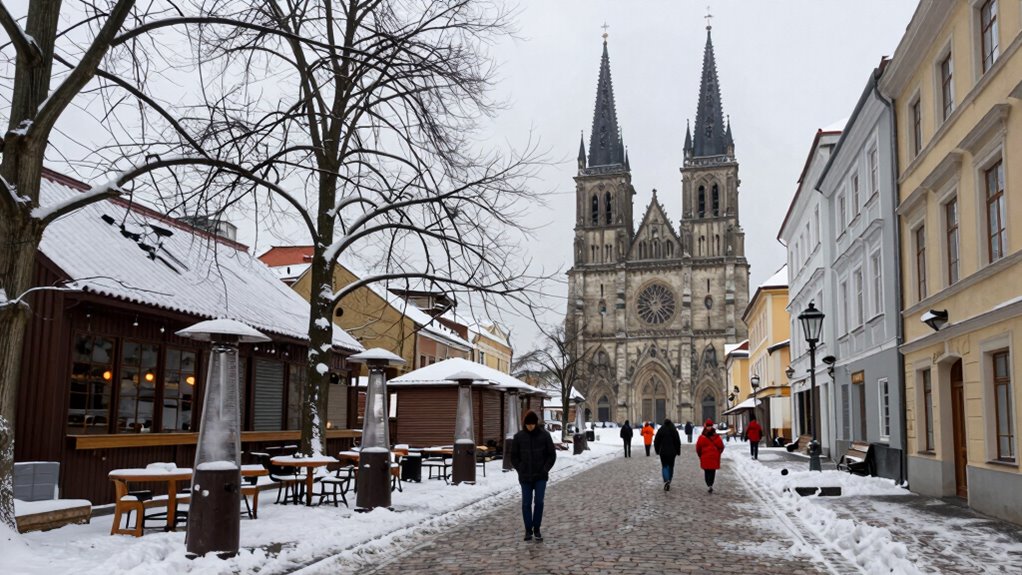

In winter, most museums, historical attractions, and many indoor cultural sites stay open across Europe, but outdoor monuments and heritage sites may close early or be weather-dependent. Christmas markets thrive from late November to December but often close early during bad weather. Ski resorts operate from December to March, with some extending to April, though travel can be tricky due to snow and ice. Urban transport is usually reliable but can face delays; for a smoother trip, learn more about seasonal closures and tips.

Get travel and outdoor gear delivered free with Prime
- Fast, free delivery on millions of items
- Prime Video, Amazon Music and more included
- Member-only deals all year
Key Takeaways
- Most museums and indoor cultural sites remain open year-round, but outdoor heritage sites may have limited hours or close early due to weather.
- Christmas markets and outdoor festivities operate from late November to early January, often with shortened hours during bad weather.
- Ski resorts and winter sports facilities typically run from December to March, with snow conditions influencing opening dates and lift operations.
- Travel disruptions are common in winter, with snow and ice causing delays or closures of roads, railways, and flights, especially in northern regions.
- Urban public transit and smaller attractions may have reduced hours or close on holidays, requiring travelers to check schedules in advance.
As an affiliate, we earn on qualifying purchases.
Major Cultural Attractions and Museums
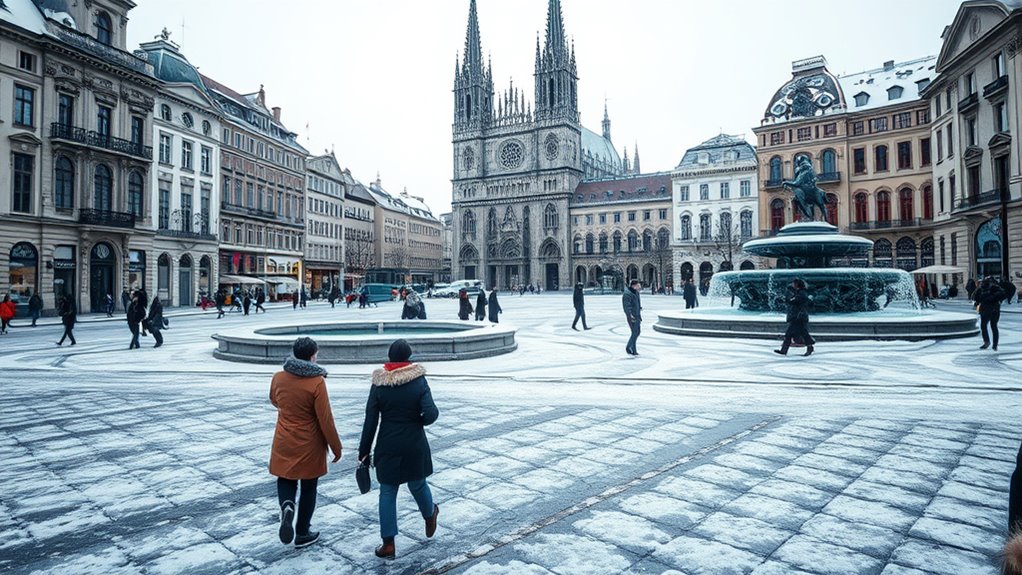
Major cultural attractions and museums in Europe remain accessible during winter, though their operating hours often shift around the holiday season. You’ll find that most major museums in capital cities like London, Paris, Rome, and Madrid stay open year-round, but hours may be shorter on public holidays and around Christmas and New Year’s. Visitor numbers tend to drop in winter, which makes it easier to explore popular sites without crowds. Some outdoor heritage sites, such as archaeological ruins or hilltop castles, may close early or reduce hours due to weather conditions. Keep in mind that weather can cause delays or disruptions, especially in northern and alpine regions. Always check opening times in advance and consider booking tickets ahead of time to guarantee smooth access during your visit. Additionally, tanning tips can help you maintain healthy skin even during the colder months when skin may be more prone to dryness.
As an affiliate, we earn on qualifying purchases.
Christmas Markets and Seasonal Festivities
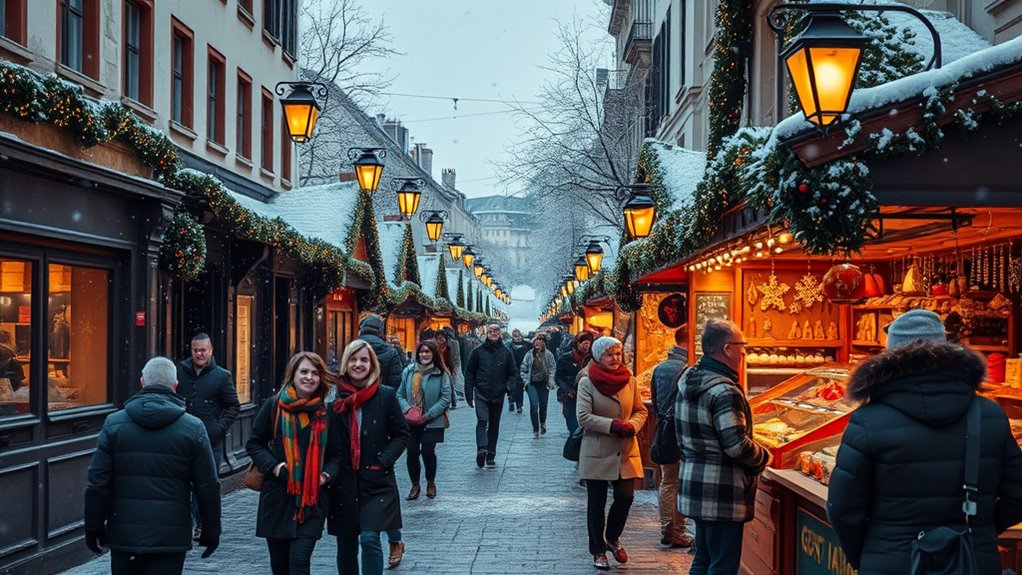
During winter, Europe’s festive spirit comes alive through countless Christmas markets and seasonal events that draw visitors from around the world. These markets offer a charming mix of local crafts, seasonal foods, and holiday cheer, often set against historic city backdrops. Many markets in Germany, Austria, and Czechia operate from late November through December, sometimes extending into early January. You’ll find twinkling lights, mulled wine stalls, and handcrafted gifts that create a magical atmosphere. Be aware that some markets and outdoor festivities may close early or have reduced hours during holidays or bad weather. The color accuracy of the decorations and lighting can significantly enhance the visual appeal of these seasonal displays. Seasonal sustainable practices are increasingly being adopted to reduce environmental impact during these festivities.
Experience Europe’s enchanting Christmas markets with twinkling lights, festive treats, and holiday cheer amid historic cityscapes.
- Explore iconic markets in Berlin, Vienna, and Prague, bustling with holiday decorations and local delicacies
- Attend festive light shows and winter parades that add a splash of color to dark evenings
- Experience seasonal traditions like caroling, ice skating, and holiday concerts in city squares
As an affiliate, we earn on qualifying purchases.
Mountain Resorts and Winter Sports Facilities
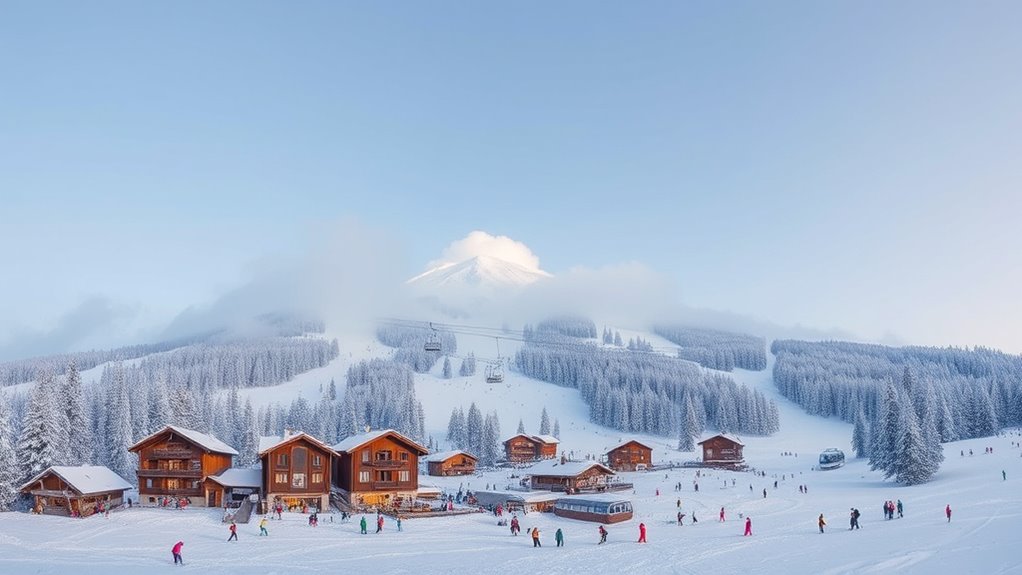
You’ll find that ski resorts across the Alps and Dolomites typically run from early December through March, with higher elevations extending into April if snow conditions hold. Mountain access, including cable cars and railways, operates seasonally, though some lower-demand lifts may close mid‑season for maintenance. Keep in mind that weather and snowfall can affect opening dates, so checking current conditions before planning your trip is essential. Additionally, many resorts are incorporating sustainable transportation options like electric shuttles to reduce their environmental impact. Implementing eco-friendly practices such as these can help preserve the natural beauty of winter destinations. Incorporating creative storytelling into your travel experience can enhance your appreciation of the region’s unique culture and history. Proper ventilation considerations within resort facilities are also important to ensure guest comfort and safety during the busy season. Being aware of seasonal operations and planning accordingly can make your trip more enjoyable and stress-free.
Ski Season Timelines
Ski season timelines across mountain resorts in Europe generally start in early December, once enough snow has accumulated to make certain of safe and sustainable skiing conditions. Typically, high-altitude resorts open then, with lower-altitude areas waiting for more snow. The main season usually runs through March, with some resorts extending into April depending on snowpack and glacier coverage. You’ll find that:
- Many resorts in the Alps and Dolomites stay open into April, especially at higher elevations.
- Nordic and Arctic destinations operate from December to March, depending on winter conditions.
- Smaller resorts and lower-altitude areas may open later or close earlier if snowfall is insufficient.
- The availability of waterproof running watches can help travelers stay prepared for winter weather while enjoying outdoor activities.
- The historical significance of winter sports in Europe has driven the development of luxurious mountain resorts, attracting visitors seeking both adventure and comfort.
Mountain Access Operations
How do mountain access operations adapt to winter conditions across Europe’s resorts? They rely on seasonal adjustments, maintaining key transportation links while scaling back in low-demand areas. Cable cars, mountain railways, and lifts operate on winter schedules, with higher elevations open longer. Some lower-altitude lifts close mid-season for maintenance. Snowmaking extends operational days when natural snowfall is insufficient. Groomed trails and cross-country routes are maintained until snow melts, typically late March or April. Weather disruptions can delay or suspend services, especially on mountain passes and secondary roads. Load calculations help operators plan for winter energy needs and ensure safe operation during varying conditions. Additionally, winter weather planning involves contingency measures to respond to unexpected storms or temperature fluctuations. Proper maintenance protocols are essential to keep equipment functioning safely in cold and snowy conditions. Implementing real-time monitoring systems can further enhance safety and operational efficiency during winter months. Furthermore, snow removal techniques are employed to keep access routes clear and safe for travelers. The table below highlights regional differences:
| Region | Access Methods | Seasonal Notes |
|---|---|---|
| Alps (France, Switzerland) | Cable cars, ski lifts, railways | Extend into April with glaciers |
| Nordic (Lapland) | Snowmobiles, husky sleds, lifts | Operate Dec–Mar, dependent on snow |
| Pyrenees | Ski lifts, artificial snow systems | Variable opening, reliant on snow |
| Mediterranean | Limited mountain access, scenic drives | Mostly closed in winter |
| Coastal regions | Ferries, seasonal tours | Suspended outside peak seasons |
As an affiliate, we earn on qualifying purchases.
Outdoor Heritage Sites and Historical Monuments
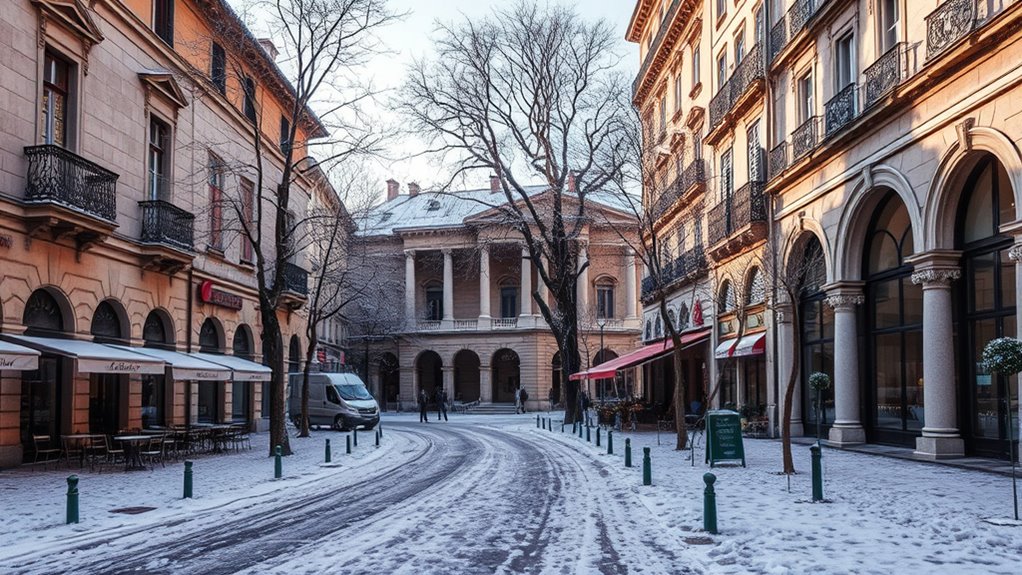
Are outdoor heritage sites and historical monuments accessible during Europe’s winter months? Not always, as weather and seasonal closures affect visibility and access. Many archaeological ruins and hilltop castles reduce hours or close during harsh weather, especially in northern and alpine regions. However, some sites remain open with winter-friendly hours, offering unique winter views. Additionally, some sites utilize specialized lighting techniques to enhance visibility and ambiance during shorter winter days. These lighting methods can create a magical atmosphere that compensates for the limited daylight hours. Some sites also incorporate climate-controlled environments to help preserve artifacts and structures during colder months, ensuring year-round enjoyment. Furthermore, seasonal preservation efforts are often implemented to maintain the integrity of outdoor sites during winter conditions. Some castles and ruins incorporate winter lighting, creating magical evening experiences. Certain cities keep outdoor monuments open year-round, but access may be limited during snowstorms. Weather-related closures are common during severe winter storms, so planning ahead is essential. Winter festivals often feature outdoor historical reenactments or displays, attracting visitors despite cold conditions. Check ahead with local tourism boards or site websites for updated schedules, and prepare for cold, potentially icy conditions to enjoy Europe’s outdoor heritage this season.
Coastal and Island Tourism Services
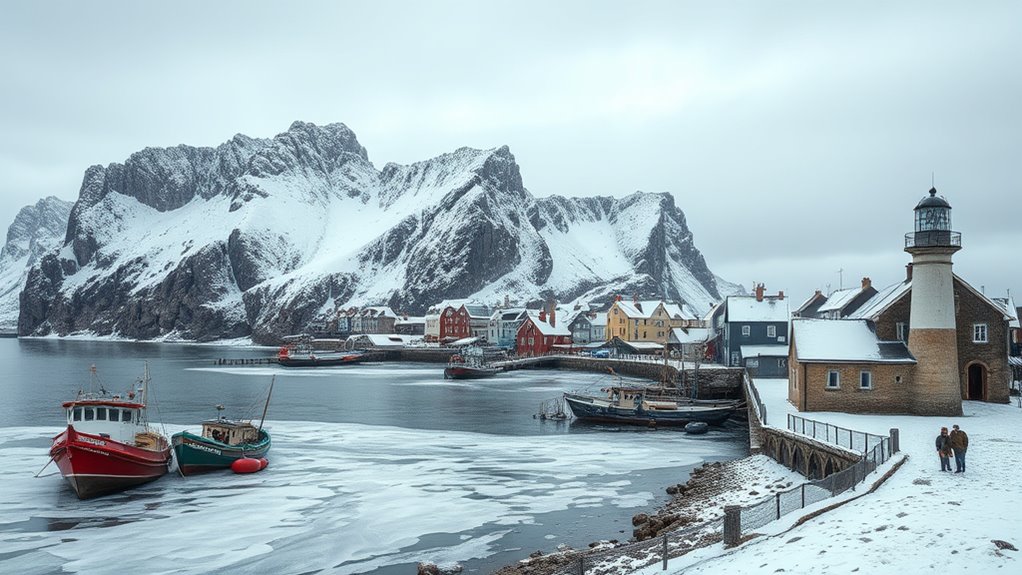
Coastal and island tourism services in Europe often follow a different seasonal rhythm compared to inland attractions, with many operating year-round or adjusting their offerings based on weather conditions. During winter, some ferries, boat tours, and seaside activities suspend operations due to rough seas and lower demand. Coastal towns may reduce services or close seasonal attractions, especially in rural or less-populated areas. However, popular destinations like the Canary Islands, Malta, and southern Mediterranean resorts remain lively with mild weather, offering beaches, coastal walks, and outdoor cafes. Some resorts switch to winter-specific activities like spa retreats or cultural festivals. Be aware of local closures and seasonal service reductions, especially on smaller islands or remote coastal villages. Weather patterns can significantly influence the availability of these services during the colder months. Additionally, seasonal adjustments in operating hours are common to accommodate changing visitor numbers and weather conditions. It’s also helpful to understand how local regulations and safety standards may influence service schedules and safety protocols during winter.
Rural Accommodations and Agritourism

During winter, many rural accommodations and agritourism sites in Europe scale back operations or close temporarily, often outside holiday periods. You’ll find that smaller guesthouses, farm stays, and remote B&Bs often close for staff holidays or maintenance, limiting lodging options in low-demand areas. Seasonal closures also impact outdoor activities like farm tours, horseback riding, or local craft workshops, which may be unavailable or operate on limited schedules. Mountain-area agritourism spots, especially in the Alps or Pyrenees, tend to shut down or reduce services during heavy snow or extreme weather. Additionally, rural infrastructure such as roads and public transport may be less reliable or limited, making access more challenging during winter months. These closures are often influenced by seasonal demand fluctuations, which make some rural attractions less viable in winter. Moreover, the off-season period typically results in fewer staff members available to assist visitors, further affecting service availability.
Seasonal Transportation and Travel Conditions
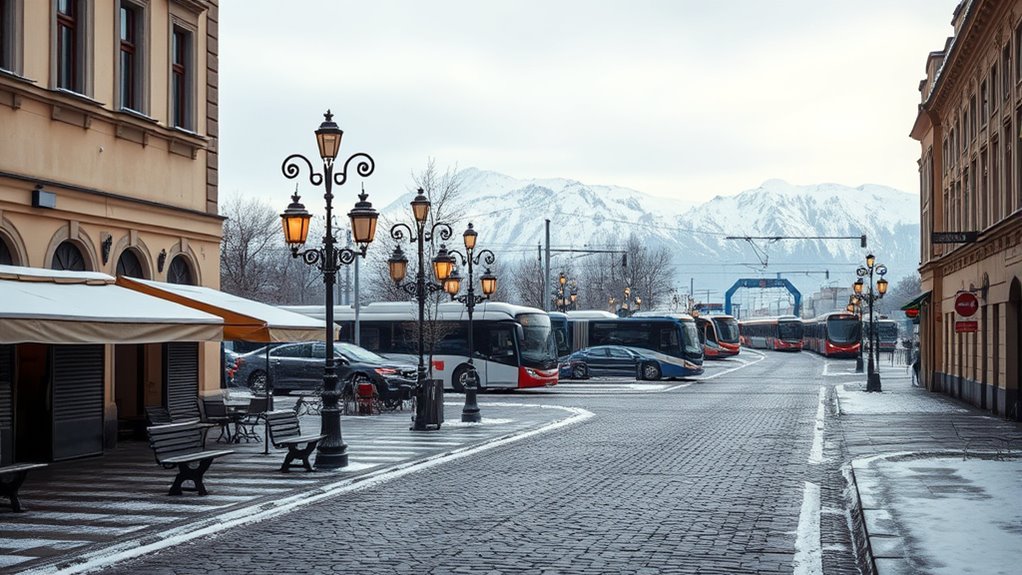
Seasonal changes profoundly impact transportation options across Europe in winter. Snow, ice, and freezing temperatures can cause delays and cancellations on roads, railways, and air travel. In northern and inland regions, you’ll need winter tires or snow chains, and be prepared for slower driving conditions. Weather disruptions like snowstorms and fog are common, especially around December and January, so flexible travel plans are essential. Mountain areas see seasonal closures of cable cars and mountain railways, with some lifts shutting down mid-season for maintenance. Coastal and island ferry routes often suspend service between late autumn and early spring due to rough seas and reduced demand. Always verify schedules beforehand, carry appropriate gear, and consider alternative routes or transport modes to stay on schedule.
Urban City Life and Public Transit

In winter, you’ll notice that museums and cultural sites often adjust their hours or close on public holidays, making planning essential. Public transit schedules tend to run on reduced or holiday timetables, so staying updated helps you avoid surprises. During holiday events and festivals, expect crowded streets and increased transit demand, but also unique seasonal experiences that brighten city life.
Museum Hours and Access
Museums in European cities generally stay open year-round, but winter hours often see slight reductions around the holidays. You might find shorter opening times on Christmas and New Year’s, so plan accordingly. Major institutions in capital cities like London, Paris, and Rome usually keep their doors open, though some exhibits may close early. During the low season, you’ll experience lighter crowds, making it easier to enjoy the collections. Keep in mind that:
- Many smaller or rural museums close for staff holidays or maintenance.
- Special winter exhibitions or holiday-themed events may cause temporary closures or extended hours.
- Popular attractions like Christmas markets and light displays may impact nearby museum access or create pedestrian congestion.
Always check official websites for updated hours before your visit to avoid surprises.
Public Transit Schedules
Public transit schedules in European cities typically operate year-round, though winter months can bring some adjustments. During this season, you might notice reduced frequencies on bus, tram, and metro lines, especially in early mornings and late evenings. Some services run on holiday or Sunday timetables, so check schedules in advance. Snow and icy conditions may cause delays or temporary route changes in northern and alpine regions. Mountain-area transit like cable cars or mountain railways usually follow seasonal schedules, often closing during heavy snow or maintenance periods. Major city systems—London, Paris, Rome—generally maintain reliable service, but disruptions from weather or strikes can occur. Planning ahead and staying updated through transit apps or official websites helps guarantee smooth travel during winter.
Holiday Crowds and Events
Do holiday events and festive celebrations considerably influence urban city life and public transit during winter? Absolutely. During December and early January, cities buzz with Christmas markets, light displays, and cultural festivals that draw crowds and boost transit demand. Expect crowded metro stations, longer wait times, and rerouted bus lines as authorities manage increased foot traffic. Major events, like winter light shows or parades, often cause temporary pedestrian closures and traffic restrictions. Public transit schedules may be adjusted, with some routes extended or shortened to accommodate festivities. You’ll notice:
- Increased public transport usage, especially near markets and event venues
- Partial road closures and pedestrian zones in central areas
- Higher demand for taxis, rideshares, and alternative transportation options
Being prepared guarantees smooth travel amid the seasonal hustle.
Practical Tips for Winter Travel in Europe
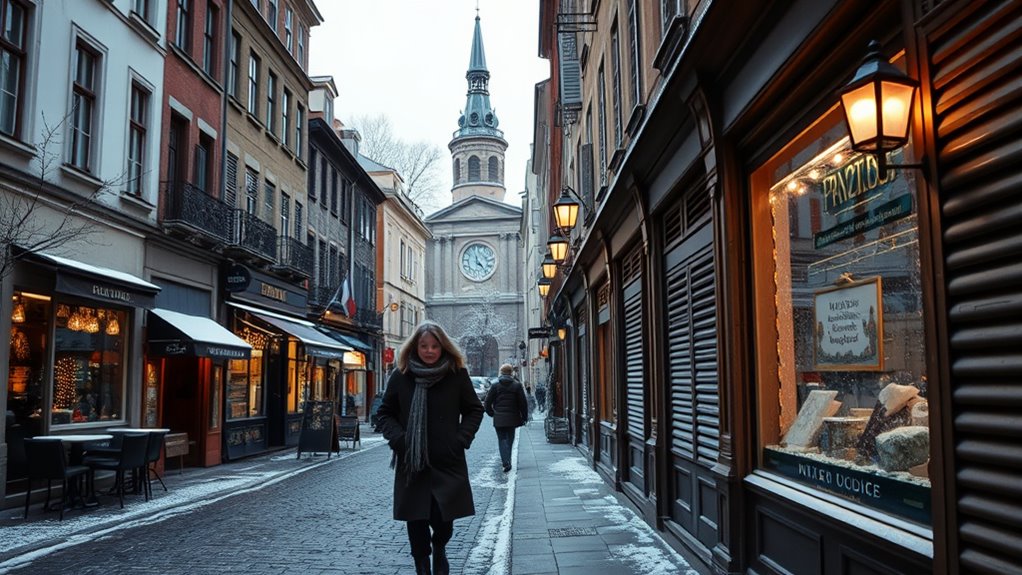
Traveling in Europe during winter requires careful planning to avoid weather-related surprises and guarantee a smooth trip. Always check official websites for updated opening hours and seasonal closures, especially for small operators or outdoor attractions. Book popular activities, like Christmas markets, ski passes, or northern lights tours, well in advance to secure your spot. Pack layered clothing, waterproof gear, and sturdy footwear to stay comfortable in changing conditions. Carry proof of your car’s winter tires and familiarize yourself with local driving regulations if renting a vehicle. Monitor regional weather and transportation advisories, especially in mountain areas where snow can disrupt travel plans. Purchase extensive travel insurance covering weather delays, activity cancellations, and mountain evacuations for added peace of mind.
Frequently Asked Questions
Are Tourist Attractions Fully Accessible During Christmas and New Year Holidays?
During Christmas and New Year holidays, many major tourist attractions in Europe stay open, especially in capitals like London, Paris, and Rome, which maintain full services year-round. You’ll find museums, galleries, and cultural sites often operate with shorter hours, but holiday programming and special events boost their appeal. However, some smaller or seasonal attractions, particularly in rural or alpine areas, may close or reduce hours. Always check ahead to confirm opening times.
Do Ski Resorts Operate During Early December and Late March?
Yes, ski resorts generally operate during early December and late March, but availability depends on snow conditions and elevation. In early December, many resorts open as soon as there’s enough snow, especially at higher altitudes. By late March, some resorts may close or reduce hours as snow melts, but higher-elevation areas often stay open until April. Always check specific resort schedules and snow reports before planning your trip.
Are Outdoor Heritage Sites Open in Winter or Do They Close for Weather?
Outdoor heritage sites in winter often close or reduce hours due to weather conditions, especially in northern and alpine regions. Heavy snow, ice, and freezing temperatures make access unsafe or impractical, prompting closures for maintenance or safety reasons. However, some sites with sheltered areas or indoor components remain open year-round. Always check ahead with local tourism offices or site websites to confirm current access and avoid disappointment during your winter trip.
Do Coastal Ferry Routes Run Year-Round in Southern Europe?
Coastal ferry routes in southern Europe often run year-round, but their schedules can vary depending on weather and demand. During winter, some routes may operate less frequently or suspend service temporarily, especially on smaller or more exposed islands. You should check the specific ferry operator’s schedule in advance and be prepared for possible delays or cancellations due to rough seas or adverse weather conditions to avoid disruptions.
Are Rural Guesthouses Open During the Winter Off-Season?
Rural guesthouses often close during the winter off-season, especially outside holiday periods, but some remain open if they target winter travelers or offer seasonal activities. Don’t assume they’re all closed; verify directly with each property beforehand. You might find cozy, quiet stays in rural areas with fewer crowds. Booking early and confirming availability ensures you won’t miss out on these hidden gems, especially in popular winter destinations.
Conclusion
While some attractions may take a quiet pause, Europe’s winter charm still invites you to explore its hidden gems and cozy corners. Embrace the quieter moments as a gentle reminder that the season offers subtle beauty and unique experiences, even when the bustling crowds are elsewhere. With a bit of planning, you’ll discover that winter’s softer pace allows for a more intimate and memorable journey through this enchanting continent.
Halloween Picks
halloween
As an affiliate, we earn on qualifying purchases.