
Refilling your travel water bottle in Europe helps you stay hydrated, save money, and cut down on plastic waste. Many countries have accessible water fountains and taps, making refilling easy and eco-friendly. Plus, it connects you with local customs and supports sustainability efforts. By choosing to refill, you’re not only protecting the environment but also embracing cultural habits. Keep exploring, and you’ll discover even more ways to make your trip greener and more meaningful.
Key Takeaways
- Refill strategy reduces reliance on costly and plastic-packaged bottled water while traveling in Europe.
- It aligns with local customs of drinking tap water and refilling at fountains or water stations.
- Reusing bottles minimizes plastic waste, supporting environmental conservation efforts across tourist destinations.
- It ensures consistent hydration during outdoor activities, saving time and enhancing travel convenience.
- Embracing local hydration habits fosters cultural connection and promotes sustainable, eco-friendly travel practices.

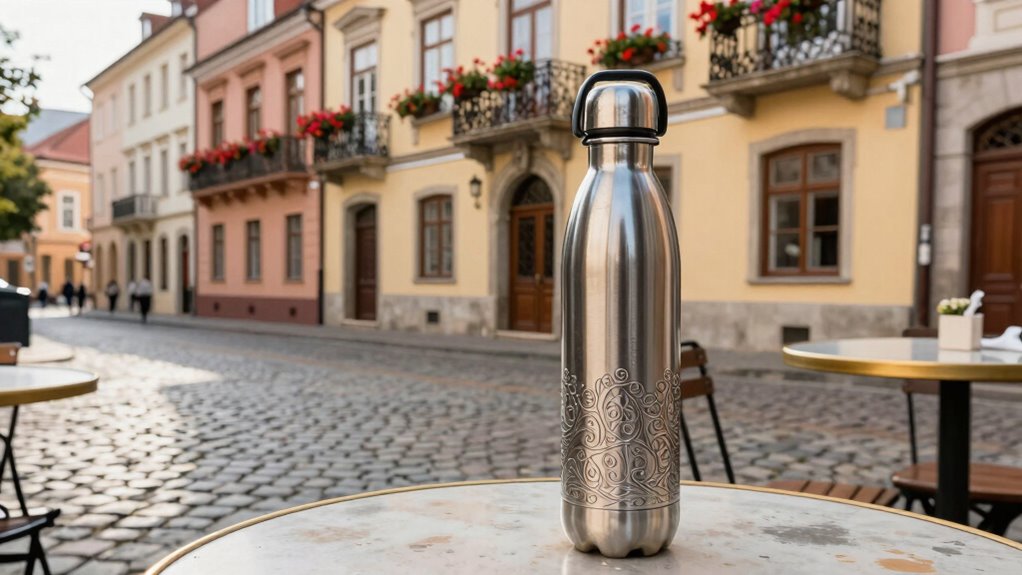
Are you tired of constantly buying plastic bottles while exploring Europe? If so, switching to a travel water bottle can transform your journey. Not only does it save you money, but it also helps reduce plastic waste, making your travels more eco-friendly. When choosing a water bottle, look for one made from eco friendly materials like stainless steel, glass, or BPA-free plastics. These materials are durable, safe, and better for the environment. They also often keep your water tasting fresh, unlike some cheap plastic bottles that can impart a strange flavor over time. By carrying a reusable bottle, you align with a growing awareness of environmental issues and contribute to lessening plastic pollution across popular tourist destinations.
Switch to an eco-friendly travel water bottle to save money and reduce plastic waste on your European adventures.
Understanding cultural hydration habits is equally important. In many European countries, drinking tap water is common and widely accepted, especially in places like Germany, France, and the Netherlands. You might find that locals often refill their bottles at cafes, fountains, or public water stations. Embracing these habits not only enhances your cultural experience but also encourages sustainable practices. When you see a fountain or a tap, don’t hesitate—refill your bottle and stay hydrated. This simple act keeps you connected to local customs and minimizes your environmental footprint. It also helps you appreciate how different cultures approach hydration, which can be a fascinating part of your travel story. Additionally, many European cities have embraced cultural hydration habits as part of their environmental initiatives, making it easier and more natural to adopt these practices. Incorporating local hydration customs can deepen your understanding of regional attitudes toward sustainability.
Refilling your bottle regularly also means you stay well-hydrated without constantly searching for bottled water. It’s a practical habit that keeps you energized while sightseeing, walking through historic streets, or enjoying outdoor adventures. Plus, many European cities have embraced eco-friendly initiatives, installing water refill stations in parks, squares, and transportation hubs. Using your refill strategy, you reduce waste and support these local efforts, contributing to cleaner streets and waterways. Being mindful of your environmental impact is essential in making sustainable choices during your travels and encourages others to follow suit. It’s a small act with a big impact, helping you travel more consciously.
Additionally, being aware of local practices can help you better understand the environmental impact of your choices and inspire others to adopt sustainable habits. Ultimately, the refill strategy isn’t just about convenience—it’s a way to connect with the environment and cultural norms. By choosing a sustainable, eco friendly travel water bottle and embracing local hydration habits, you make a positive difference. You’ll save money, reduce plastic waste, and deepen your cultural understanding—all while staying refreshed on your European adventure. So, next time you’re planning your trip, pack your reusable bottle and make refilling a routine. It’s a simple step that makes your journey more sustainable, meaningful, and enjoyable.
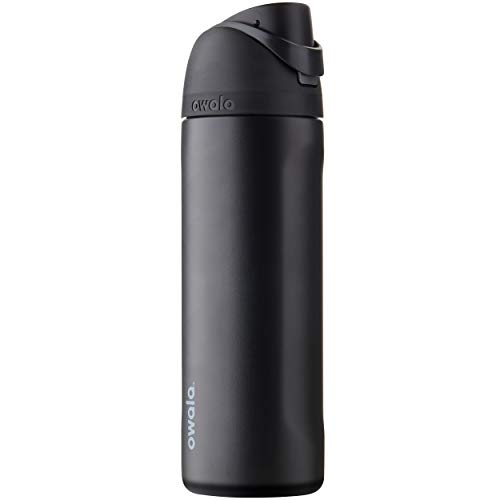
Owala FreeSip Insulated Stainless Steel Water Bottle with Straw, BPA-Free Sports Water Bottle, Great for Travel, 24 Oz, Very, Very Dark
24-ounce insulated stainless-steel water bottle with a FreeSip spout and push-button lid with lock
As an affiliate, we earn on qualifying purchases.
As an affiliate, we earn on qualifying purchases.
Frequently Asked Questions
Are All European Countries Equally Accepting of Reusable Water Bottles?
Not all European countries are equally accepting of reusable water bottles. You might find that local customs and hydration etiquette vary, with some places more open to refilling bottles in public spaces than others. In countries like Germany or the Netherlands, people generally embrace sustainability efforts, while others may be less familiar. It’s smart to observe local practices and ask politely to guarantee you’re respecting customs while staying hydrated.
How Do Water Refill Stations Vary Across Different European Cities?
Think of water refill stations as the veins of urban infrastructure; they pulse differently across European cities. In some, they’re abundant and modern, making refilling seamless, thanks to high tap water quality and well-planned infrastructure. Elsewhere, stations might be scarce or less user-friendly, reflecting varied investments. Your experience depends on how cities prioritize sustainable practices and infrastructure, influencing how easily you can refill your bottle and stay eco-friendly during your travels.
What Safety Standards Do Travel Water Bottles Need to Meet in Europe?
You need to guarantee your travel water bottle meets European safety standards by checking for water purification features and safe bottle materials. Look for bottles made from BPA-free, food-grade plastics or stainless steel, which resist contamination. These materials, combined with built-in water purification systems, help keep your water safe and clean while traveling. Always verify that your bottle complies with European regulations to avoid health risks and ensure safe hydration on your journey.
Can I Refill My Water Bottle at Historical Landmarks or Museums?
Yes, you can refill your water bottle at historical landmarks or museums, but it’s best to look for designated hydration stations or water fountains. These spots support historical hydration and help reduce plastic waste. Always ask staff if you’re unsure about museum refills. Carry a reusable, safe, and leak-proof bottle to stay hydrated while exploring Europe’s rich history without contributing to environmental harm.
Are There Any Cultural Considerations When Using Refill Stations in Europe?
When using refill stations in Europe, you should be mindful of local customs and environmental awareness. Some places may appreciate your effort to reduce plastic waste, while others might prefer you to use specific bottles or follow particular etiquette. Always observe signage, ask locals if unsure, and respect cultural norms. Showing consideration for local customs demonstrates respect and helps support eco-friendly practices, making your travel experience more positive and responsible.

Sahara Sailor Water Bottle 32oz, Durable and Leakproof Water Bottles Motivational with Time Marker, Tritan, BPA Free, Wide Mouth with Easy Clean Brush for Gym, Travel, Home, School, Office (1 Bottle)
Stay Hydrated Throughout the Day: staying hydrated is often easier said than done. With the Sahara Sailor clear…
As an affiliate, we earn on qualifying purchases.
As an affiliate, we earn on qualifying purchases.
Conclusion
As you journey through Europe’s vibrant streets, let your refill strategy be the steady rhythm of your adventure. Embrace your water bottle as a trusted companion, a clear stream flowing through your travels, nourishing both body and soul. By choosing to refill, you weave sustainability into your story, leaving behind footprints of mindful exploration. Remember, every sip is a drop of change—transforming your voyage into a ripple that echoes far beyond your footsteps.

POWCAN 26 oz Insulated Water Bottle with 2-in-1 Straw and Spout Lid, Keep Cold 24H, Leak-Proof, Fits in Car Cup Holder, Stainless Steel Water Bottle for Sports, Travel, and School (Cotton Candy)
Cold for 24h, Cozy for 12h: POWCAN's double-wall vacuum insulation keeps drinks ice-cold for a full day and…
As an affiliate, we earn on qualifying purchases.
As an affiliate, we earn on qualifying purchases.

Nefeeko Collapsible Water Bottle,17oz(500ml) Reuseable BPA Free Silicone Foldable Water Bottles for Travel Gym Camping Hiking, Portable Leak Proof Sports Water Bottle with Carabiner
Healthy & Safe Material: Made of food-grade platinum silicone, to ensure safe drinking and odorless. Suitable for water…
As an affiliate, we earn on qualifying purchases.
As an affiliate, we earn on qualifying purchases.