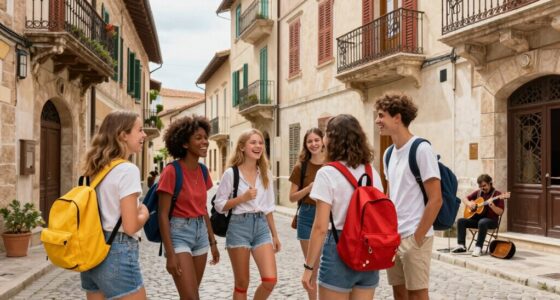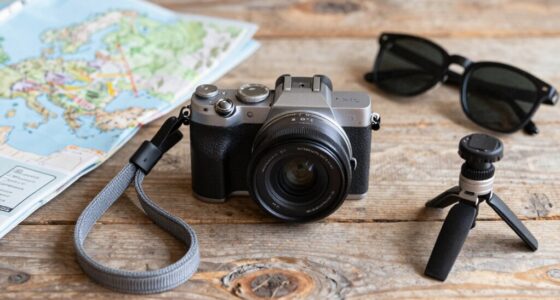

Focusing on fewer stops allows you to immerse yourself fully in each place, creating richer, more authentic experiences. You can savor local cuisines, explore hidden gems, and connect with the culture at a relaxed pace. Slowing down means less stress and more spontaneous adventures, making your trip more meaningful. By prioritizing quality over quantity, you’ll deepen your understanding and appreciation of each destination. If you keep exploring, you’ll discover even more ways to enjoy a truly rewarding journey.
Listen free for 30 days with Audible
Thousands of audiobooks and originals — cancel anytime.
As an affiliate, we earn on qualifying purchases.
Key Takeaways
- Fewer stops allow for deeper cultural immersion and meaningful interactions with local communities.
- Slower travel enhances the ability to savor regional cuisines and authentic culinary traditions.
- Concentrating on fewer destinations provides a richer, more memorable experience rather than superficial sightseeing.
- It offers flexibility for spontaneous exploration and unplanned encounters, increasing travel authenticity.
- Prioritizing quality over quantity fosters personal connections and a greater appreciation of each place.

Have you ever wondered how to truly experience Europe beyond its iconic sights? The secret often lies in slowing down and embracing a different way of traveling—one that values depth over speed. When you take your time, you get the chance to immerse yourself in local culture, savor authentic tastes, and discover hidden gems that quick tours might overlook. Instead of rushing from one major attraction to the next, consider focusing on fewer stops, allowing yourself to enjoy each place fully. This approach not only enriches your journey but also creates more meaningful memories.
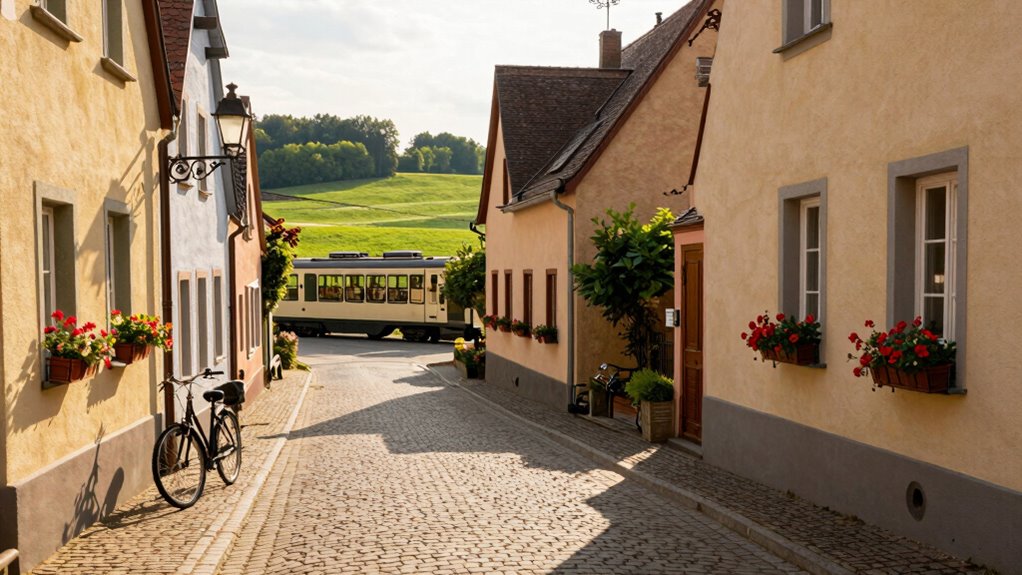
By adopting a slow travel mindset, you open the door to exploring scenic routes that might otherwise be missed. Instead of sticking to highways and touristy corridors, take winding country roads or picturesque rail lines. These scenic routes reveal the true character of the landscape, from rolling vineyards in France to rugged coastlines in Greece. As you meander through these areas, you get a chance to see local life unfold at a relaxed pace. Small villages, local markets, and quiet cafes become part of your experience, giving you a taste of everyday life that’s often absent from hurried trips. Additionally, paying attention to environmental factors like indoor air quality ensures you stay comfortable and healthy as you explore.
Explore scenic country roads and rail lines to discover authentic local life and hidden gems in Europe.
Focusing on fewer stops also grants you the opportunity to indulge in local cuisine. When you’re not rushing, you can seek out family-run restaurants and street food stalls that serve authentic dishes. Sampling regional specialties becomes more than just a quick bite; it turns into a cultural experience. You might learn how a traditional dish is prepared or hear stories from the locals who have kept these culinary traditions alive. This deeper engagement with local cuisine makes each meal memorable and helps you connect more intimately with the places you visit. Embracing slow travel can also lead to discovering lesser-known cultural traditions and crafts that are often missed on hurried visits. Moreover, taking the time to research local customs beforehand can further enrich your understanding and appreciation of the areas you explore. Being mindful of environmental factors, such as sustainable travel practices, further enhances your experience and minimizes your impact on these beautiful destinations.
Moreover, traveling slowly allows you to be more spontaneous and flexible. You can linger longer in a charming town or take an unplanned detour down a scenic route that catches your eye. This flexibility often leads to unexpected adventures and genuine interactions with residents. Because you’re not bound by tight schedules, you can truly savor the moment, whether it’s watching a sunset over a vineyard or chatting with a craftsman in a workshop.
In essence, slower travel transforms your trip from a checklist of sights into a rich, immersive experience. It’s about valuing quality over quantity and allowing yourself to connect deeply with the places you visit. When fewer stops become your strategy, each stop becomes more meaningful, and your overall journey in Europe becomes far more rewarding.
European scenic train travel accessories
As an affiliate, we earn on qualifying purchases.
As an affiliate, we earn on qualifying purchases.
Frequently Asked Questions
How Does Slow Travel Impact Local Communities?
When you choose slow travel, you foster cultural immersion and support local communities. By spending more time in fewer places, you connect genuinely with local people, learn customs, and understand their way of life. Your presence encourages community support, boosts local economies, and promotes sustainable tourism. This approach helps preserve cultural heritage and guarantees that communities benefit directly from your visit, creating a positive, lasting impact on their way of life.
What Are Best Slow Travel Destinations in Europe?
You should explore destinations like Tuscany, where you can enjoy cultural immersion in charming villages and savor authentic local cuisine. The Cotswolds offer picturesque scenery and a chance to connect deeply with local traditions. Provence combines beautiful landscapes with regional flavors, perfect for slow travel. These places let you truly experience local culture, relax, and avoid rushing, making your trip more meaningful and memorable.
How Can I Plan a Slow Travel Itinerary?
Plan a slow travel itinerary by choosing a few key destinations, allowing ample time to explore each deeply. Pack essentials that suit your activities, ensuring convenience and comfort. Build in travel flexibility by leaving room for spontaneous discoveries and relaxing days. Prioritize quality experiences over quantity, and create a balanced schedule that minimizes rushing. This approach helps you immerse yourself in local culture and truly enjoy the journey.
What Equipment Is Essential for Slow Travel?
Your essential travel gear includes a lightweight backpack or suitcase, comfortable walking shoes, and versatile clothing. Packing tips emphasize bringing only what you need—think layers, a reusable water bottle, and travel-sized toiletries. Don’t forget a power bank, a good map or app, and a camera to capture moments. Staying minimal with your travel gear helps you move easily between stops, making your slow travel experience more enjoyable and stress-free.
Are There Any Safety Concerns With Slow Travel?
You might be surprised to learn that slow travelers report fewer accidents, thanks to better safety precautions and planning. While risks are lower, it’s crucial to stay prepared with emergency preparedness strategies like carrying a first-aid kit and knowing local emergency numbers. Being mindful of your surroundings, keeping valuables secure, and having a plan for emergencies help ensure your trip remains safe and enjoyable, even with fewer stops.
compact travel guidebooks for Europe
As an affiliate, we earn on qualifying purchases.
As an affiliate, we earn on qualifying purchases.
Conclusion
Imagine rushing through Europe like a hurried train, missing the vibrant scenery and hidden gems. Instead, slowing down lets you truly savor each moment, turning travel into a rich story rather than a hurried chapter. Studies show that travelers who spend more time in fewer places often leave with deeper memories. So, embrace the slow journey—like a gentle river winding through landscapes—because sometimes, fewer stops make the trip all the more meaningful.
local cuisine travel tours Europe
As an affiliate, we earn on qualifying purchases.
As an affiliate, we earn on qualifying purchases.
slow travel luggage and packing accessories
As an affiliate, we earn on qualifying purchases.
As an affiliate, we earn on qualifying purchases.
Fall yard work Picks
leaf blowers
As an affiliate, we earn on qualifying purchases.