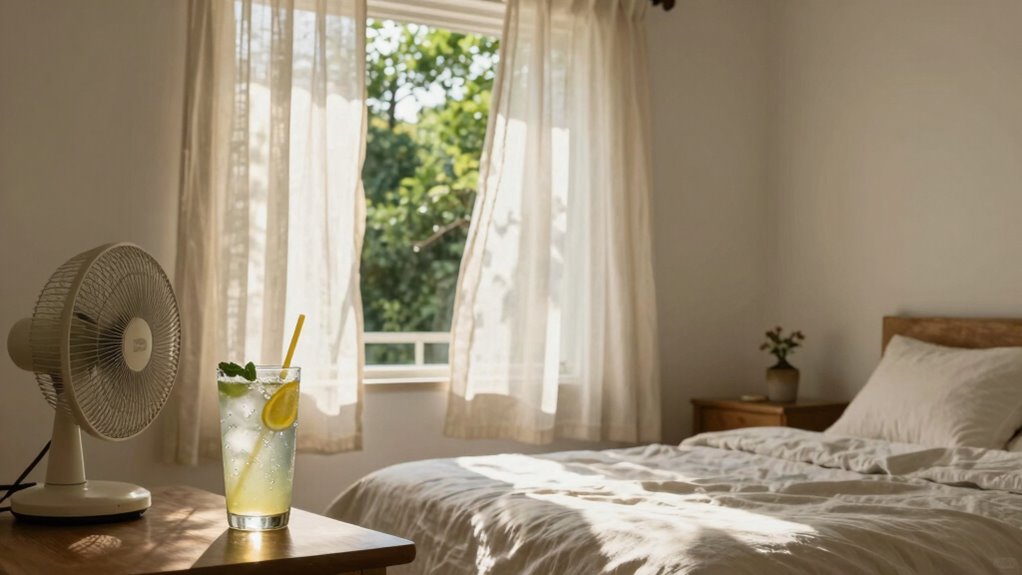

To stay cool in Europe when your room isn’t truly cold, you should open windows during cooler times like early morning or late evening to promote natural ventilation. Create cross-ventilation by opening windows on opposite sides and draw blinds or shutters during hot daylight hours to block sunlight. You can also use moisture tricks, like hanging wet sheets or placing damp cloths near fans, to help cool the air. Stay comfortable by trying these traditional methods—there’s more to discover for effective relief.

Get travel and outdoor gear delivered free with Prime
- Fast, free delivery on millions of items
- Prime Video, Amazon Music and more included
- Member-only deals all year
Key Takeaways
- Open windows during cooler times and create cross-ventilation to promote airflow and remove hot indoor air.
- Use damp cloths or bowls of cold water in front of fans for evaporation cooling.
- Keep blinds or reflective films drawn during the day to block sunlight and reduce indoor heat.
- Wear light-colored, loose-fitting clothing and stay hydrated to help regulate body temperature.
- Incorporate traditional practices like siestas and use indoor plants to naturally cool your space.
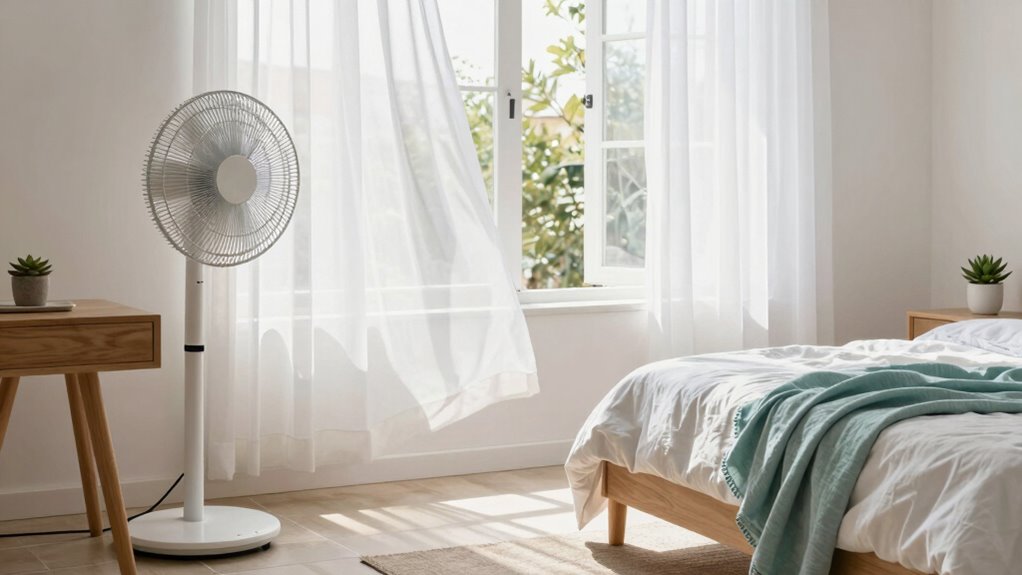
When the summer heat hits Europe, staying cool becomes essential for enjoying your trip. You might find yourself in a room that’s warm, even with the air conditioning on, but don’t worry—you can still beat the heat using simple strategies rooted in local cooling methods and an understanding of historical climate trends. Over the years, Europe’s climate has shown a clear trend toward hotter, more prolonged heatwaves, making it vital to adapt with effective techniques. While many older buildings lack modern cooling systems, residents have relied on traditional methods for centuries to stay comfortable during the hottest months.
One of the most effective ways to stay cool is to harness the power of natural ventilation. Open windows during the cooler parts of the day—early morning or late evening—and create cross-ventilation by opening windows on opposite sides of your room. This allows a breeze to flow through and push out hot, stagnant air. During the day, keep blinds, curtains, or shutters drawn to block direct sunlight, which can greatly raise indoor temperatures. Historically, many European homes used thick walls and small windows to keep interiors cool, a technique that still works today. You can mimic this by installing temporary shades or using reflective window films to reduce heat gain.
Open windows early or late, create cross-ventilation, and use shades to keep indoor heat at bay.
Another traditional local cooling method involves moisture. Placing a damp cloth or a bowl of cold water in front of a fan can help lower the room temperature through evaporation. Hanging wet sheets outside during the hottest part of the day and then bringing them inside to dry can also provide some relief, as the evaporation cools the air. Additionally, if you have access to a garden or balcony, placing plants near windows can help reduce indoor temperatures—plants naturally cool the air through transpiration, a technique dating back centuries in many Mediterranean regions. Recognizing historical climate trends can also help you better anticipate and adapt to the changing heat patterns in Europe, which is crucial as climate change continues to influence summer temperatures.
Clothing also plays a vital role in keeping your body temperature down. Opt for loose, lightweight, and light-colored fabrics, which reflect sunlight rather than absorb it. Drinking plenty of water and avoiding heavy meals will help your body regulate its temperature more effectively. Remember, many European cities have a long history of communal cooling practices, like siestas or afternoon breaks, to avoid the hottest part of the day. Embracing these traditions not only keeps you comfortable but also connects you to local culture. Being aware of local cooling practices can enhance your experience and help you stay comfortable during heatwaves.
In the end, understanding the historical climate trends and local cooling methods allows you to adapt effectively, even when your room isn’t truly cold. By combining natural ventilation, shading, moisture tricks, and appropriate clothing, you can enjoy your trip in Europe without succumbing to the heat.
Products Worth Considering

Apple AirPods Pro

Kindle Paperwhite Kids (2024), 16 GB, 7-inch Display, Cyber City Cover

GoPro Wireless Mic Complete Kit with 2 Transmitters, 2 Receivers, and Charging Case
As an affiliate, we earn on qualifying purchases.
Frequently Asked Questions
Can Opening Windows Help Reduce Indoor Temperature Effectively?
Yes, opening windows can help reduce indoor temperature effectively. To maximize cooling, guarantee your window insulation is good to prevent warm air from entering. Create cross ventilation by opening windows on opposite sides of your room, allowing cooler air to flow through and push out warm air. This natural airflow can considerably lower indoor temperatures, especially during cooler mornings and evenings, making your space more comfortable without relying on air conditioning.
Are There Specific Foods That Help Keep You Cool?
Did you know that eating hydrating fruits can help lower your body temperature? You should focus on cooling beverages like iced herbal teas or chilled water infused with lemon, cucumber, or mint. Hydrating fruits such as watermelon, oranges, and berries are also excellent choices to stay cool. These foods help replenish fluids and keep you refreshed, especially during hot days, making them perfect for beating the heat.
How Can I Stay Cool Without Using Air Conditioning?
You can stay cool without air conditioning by practicing meditation techniques like deep breathing to lower your body temperature and reduce stress. Drink cooling beverages such as cold water, herbal teas, or infused waters to hydrate and refresh. Keep curtains closed during the hottest parts of the day, wear light clothing, and sit in shaded areas. These strategies help you stay comfortable and cool despite the heat.
Do Fans Actually Lower Room Temperature?
They say, “A little fresh air goes a long way,” and fans do help, but they don’t actually lower room temperature. Instead, they boost ventilation strategies, creating a cooling sensation by moving air across your skin. For real relief, combine fans with cooling technology like damp cloths or ice in front of the fan. While fans won’t cool the air itself, they make your environment feel noticeably cooler.
What Clothing Is Best for Hot Weather in Europe?
For hot weather in Europe, opt for lightweight, breathable clothing. Choose fashion choices made from natural fabric materials like cotton, linen, or chambray, which allow air to circulate and keep you cool. Loose-fitting styles also help prevent overheating. Avoid dark colors that absorb heat. By dressing in these fabrics and styles, you’ll stay comfortable while exploring during the warmest days.
Conclusion
Just like a sunflower turns to face the sun on the hottest days, you can find your own way to stay cool in Europe’s warm rooms. Remember the story of a traveler who, instead of sweating it out, soaked a cloth in cool water and draped it over her neck—she stayed refreshed and comfortable. Small tricks like this are your personal breeze, turning a stuffy room into a cool sanctuary. Stay creative, stay cool!