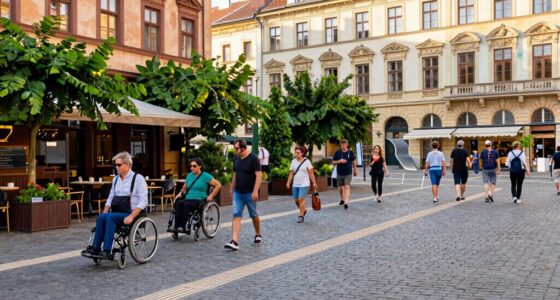
When you visit Europe’s historic sites, you might not realize that installing modern elevators is a complicated challenge. Preservation laws protect old buildings, making upgrades difficult, costly, and sometimes impossible. Outdated lifts and limited space can cause delays, affecting your accessibility and comfort. Many sites prioritize maintaining their charm over modernization, which means some visitors face inconvenience or barriers. If you want to understand why upgrading elevators in these treasured landmarks takes time, there’s more to uncover below.
Key Takeaways
- Installing modern elevators in historic buildings often conflicts with preservation laws and architectural integrity.
- Retrofitting elevators is costly, complex, and can take years due to strict heritage regulations.
- Outdated or manual lifts frequently malfunction, causing inconvenience and safety concerns for visitors.
- Accessibility improvements are limited, restricting mobility for travelers with disabilities in historic sites.
- Balancing safety, modernization, and preservation presents ongoing challenges that travelers rarely consider.
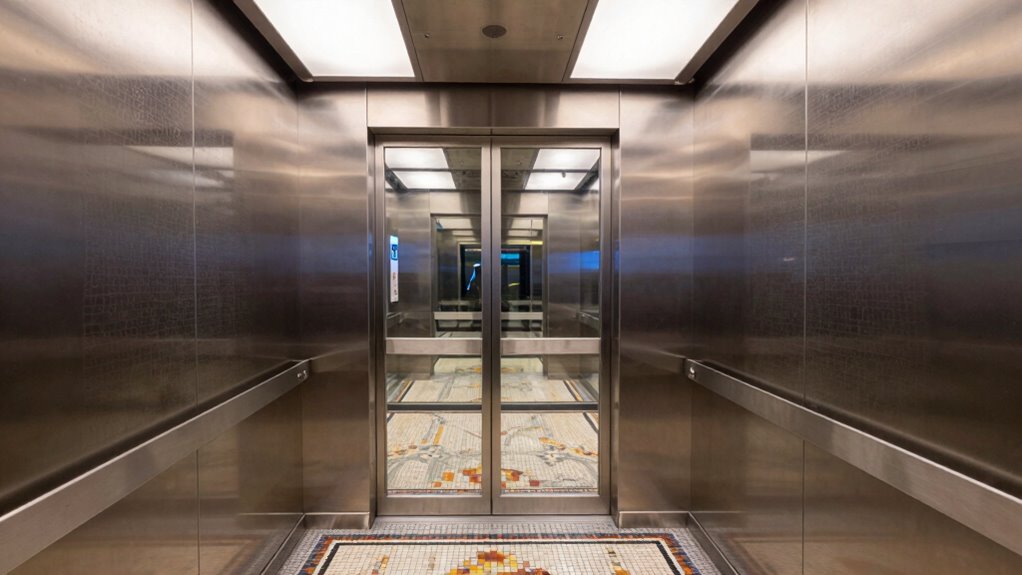
Have you ever experienced the frustration of waiting endlessly for an elevator that seems to be perpetually out of service? If so, you’re not alone—especially when traveling through Europe, where the mix of historical architecture and modern infrastructure often creates unique challenges. In many historic buildings, elevators are a relatively recent addition, and their presence can sometimes clash with centuries-old design. These structures, from grand cathedrals to ancient city halls, were never originally built to accommodate elevators, and installing them today can be a complex, costly endeavor. You might find yourself squeezed into a tiny, outdated lift that’s had its days, or waiting for a modern elevator that’s still working on a long-overdue upgrade. This blend of old and new creates inconsistencies in elevator reliability and accessibility, often catching travelers off guard.
While modern infrastructure aims to streamline travel and improve comfort, the preservation of historical architecture often complicates these efforts. Many European cities have strict regulations protecting their heritage sites, which means installing or upgrading elevators isn’t always straightforward. You could be in a beautiful, centuries-old palace or a medieval tower where space is limited, and retrofitting an elevator becomes a logistical puzzle. As a result, some buildings rely on outdated or manually operated lifts that can break down unexpectedly, leaving you stranded or forcing you to climb stairs. It’s easy to overlook how much effort goes into maintaining these structures, and how their historic significance sometimes takes priority over modern conveniences. Additionally, the complex regulations surrounding heritage preservation further complicate modernization efforts, making elevator upgrades a slow process. This often results in delayed upgrade process that can span years, further complicating accessibility improvements.
Preserving historic sites often limits elevator upgrades, leaving travelers with outdated lifts and steep stairs.
This tension between preserving history and providing modern amenities isn’t just a European issue, but it’s particularly prominent there. When you’re rushing to catch a train or trying to navigate a busy city center, the elevator can become a source of stress rather than relief. You might wonder why such an important part of daily life remains so unreliable in places that pride themselves on their heritage. It’s worth considering that many of these elevators are not just transportation devices—they’re part of the building’s story, a symbol of how Europe balances its past with its present. Moreover, heritage preservation often requires careful planning and approval from multiple authorities, which can delay modernization projects significantly. This can also lead to restricted access, making some historic sites less accessible to visitors with mobility challenges. The ongoing struggle to upgrade or replace old elevators in historic structures highlights the broader challenge of maintaining authenticity while ensuring safety and convenience for visitors.
In the end, the elevator problem in Europe isn’t just about mechanics; it’s about respecting history while embracing progress. As a traveler, you may not always see the complexities behind those slow or malfunctioning lifts, but they’re a reminder of the delicate dance between preserving the past and building the future.
portable wheelchair lift for historic buildings
As an affiliate, we earn on qualifying purchases.
As an affiliate, we earn on qualifying purchases.
Frequently Asked Questions
How Do Elevator Regulations Vary Across European Countries?
You’ll find that elevator regulations across European countries vary, especially regarding safety and maintenance standards. Some nations enforce strict safety protocols and regular inspections, ensuring elevators are reliable and secure. Others may have more lenient regulations, which can affect overall safety. As a traveler, it’s smart to be aware of these differences, especially in older buildings, since maintenance standards directly impact elevator safety and your overall experience.
Are There Eco-Friendly Elevator Options in Europe?
You’ll be amazed to find that eco-friendly elevator options in Europe are transforming buildings into green marvels! Green technology and eco innovations are revolutionizing lifts, making them energy-efficient and environmentally conscious. These elevators use regenerative drives, LED lighting, and smart controls to drastically cut carbon footprints. By choosing these innovations, you actively support sustainability, helping reduce energy waste and protect our planet—one eco-friendly ride at a time.
How Do Elevators Accommodate Disabled Travelers in Historic Buildings?
Elevators in historic buildings accommodate disabled travelers through accessible design, like wider doors and lower controls, ensuring easier access. However, retrofitting challenges arise due to the building’s age and structure, making it difficult to install modern elevators without damaging the heritage. You’ll notice many places adapt creatively, balancing preservation with accessibility, but some sites still face limitations that can affect your experience.
What Are Common Elevator Maintenance Challenges in Europe?
You’ll often face elevator maintenance challenges in Europe, like managing elevator noise and scheduling maintenance efficiently. Noise can disturb residents and visitors, so regular inspections are essential to identify issues early. Maintenance scheduling becomes complex in historic buildings, where you must balance preserving the structure and minimizing disruptions. Proper planning guarantees elevators stay safe and functional, preventing unexpected breakdowns that could inconvenience travelers and staff alike.
How Do Cultural Differences Influence Elevator Etiquette in Europe?
You’ll notice that cultural gestures and personal space influence elevator etiquette in Europe. In some countries, people greet each other with a nod or a quick hello before entering, while others prefer minimal interaction. Personal space also varies; in places like Germany, folks respect strict boundaries, whereas in Spain, closer proximity is common. Being mindful of these differences helps you navigate elevator conversations and behavior respectfully across European cultures.
As an affiliate, we earn on qualifying purchases.
Conclusion
As you step into Europe’s elevators, remember they’re more than just moving platforms—they’re symbols of progress and connection. Overcoming their quirks reminds you that even in our advanced world, small obstacles test patience and resilience. Each ride is a reminder that progress isn’t always smooth, but persistence lifts us higher. Embrace these moments as part of your journey, knowing that every elevator’s pause is a symbol of patience and the continuous climb toward understanding and progress.
manual stair lift for narrow spaces
As an affiliate, we earn on qualifying purchases.
As an affiliate, we earn on qualifying purchases.
heritage building elevator upgrade
As an affiliate, we earn on qualifying purchases.
As an affiliate, we earn on qualifying purchases.