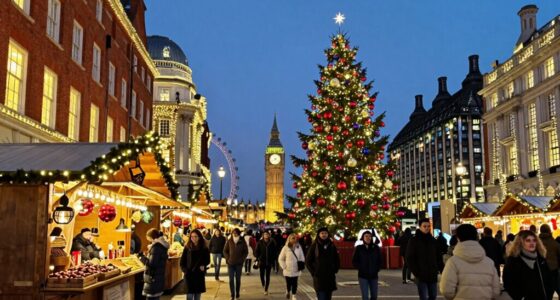

Discover that traveling in Europe during the off-season surprises Americans with fewer crowds at iconic sites, better deals, and authentic local experiences. Shoulder seasons like September offer milder weather and relaxed atmospheres, making sightseeing more enjoyable. Lesser-known destinations become more accessible, and overall costs tend to drop. With steady growth in international visitors and emphasis on sustainable travel, exploring beyond peak months reveals a richer, more personalized European adventure—if you keep exploring, you’ll find even more benefits.

Get travel and outdoor gear delivered free — and shop member deals
- Fast, free delivery on millions of items
- Access to Prime Big Deal Days deals on October 6–7
- Prime Video, Amazon Music and more included
Key Takeaways
- Off-season travel offers fewer crowds at iconic sites like Venice and Rome, allowing for more intimate exploration.
- Travelers find lower prices on accommodations and tours, making European trips more affordable outside peak months.
- Milder weather in shoulder seasons creates comfortable conditions for sightseeing and authentic experiences.
- Less crowded natural parks and hidden gems provide tranquility and unique perspectives away from busy tourist hubs.
- Americans are surprised by the increased availability of spontaneous, personalized experiences during Europe’s quieter months.
As an affiliate, we earn on qualifying purchases.
The Rise of Shoulder Season Travel
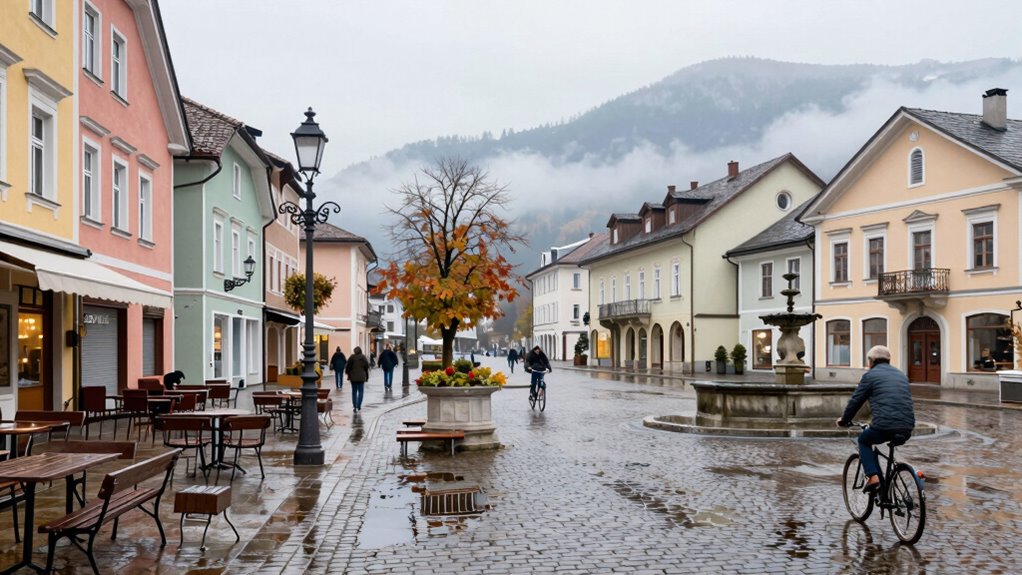
As more travelers seek to avoid crowded peak months, shoulder season travel is gaining popularity across Europe. You’ll find fewer tourists, making popular sights more accessible and enjoyable. September, in particular, has become a favorite, with 22% of travelers choosing it as their travel month—almost matching July and August’s 25%. The milder weather in these months offers a comfortable climate without the summer crowds. Plus, travel costs often drop during shoulder seasons, giving you better value for your money. This shift is driven by travelers wanting authentic experiences without the hustle and bustle of peak season. As a result, destinations are less congested, and you can explore cultural sites, outdoor attractions, and cities at a relaxed pace, making your trip more memorable. Incorporating seasonal variations into your planning can help maximize the benefits of shoulder season travel. Additionally, understanding off-season travel safety can ensure a smooth and enjoyable experience, especially since local customs and traditions may differ from peak season practices. Being aware of seasonal weather patterns can also help you pack appropriately and plan activities accordingly, enhancing your overall experience. Travelers might also find that local transportation options are less crowded and more flexible during these times, further enriching their journey.
compact travel backpack for Europe
As an affiliate, we earn on qualifying purchases.
As an affiliate, we earn on qualifying purchases.
Preference for Less Crowded Destinations
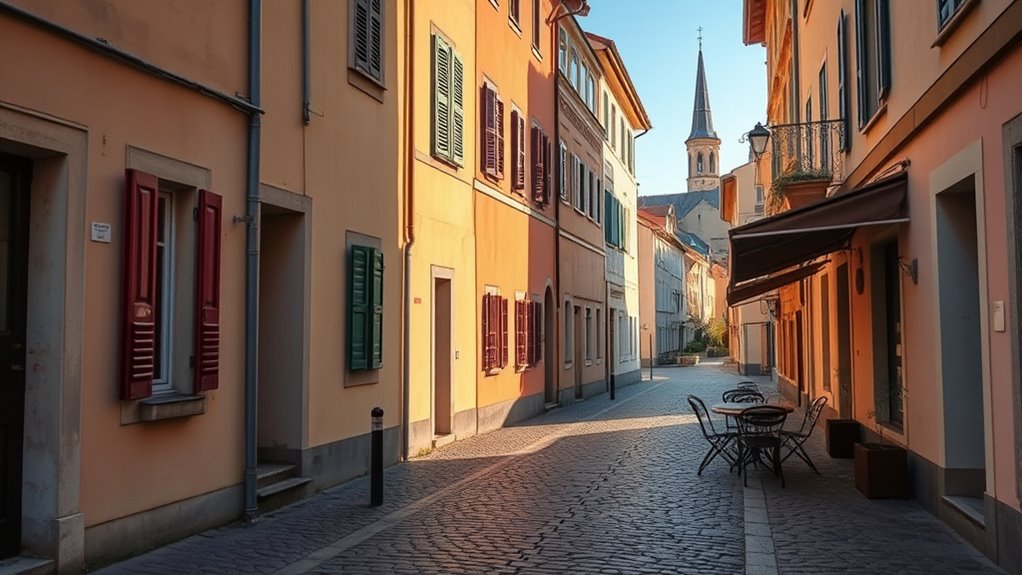
You’re increasingly seeking out quieter destinations to avoid the crowds and enjoy a more authentic experience. Travelers now prioritize unique spots that aren’t overwhelmed with tourists, especially during the shoulder seasons. This shift lets you explore hidden gems and create memorable trips away from the busy tourist hubs. Embracing eco-friendly production processes can also reflect a preference for sustainable and innovative solutions in your travel plans. Incorporating Free Floating options, such as natural pools or unobstructed outdoor spaces, can further enhance your off-season adventures by providing serene environments away from crowded resorts. Additionally, choosing destinations that promote sustainable tourism aligns with these values and helps preserve the natural beauty for future travelers.
Avoid Tourist Crowds
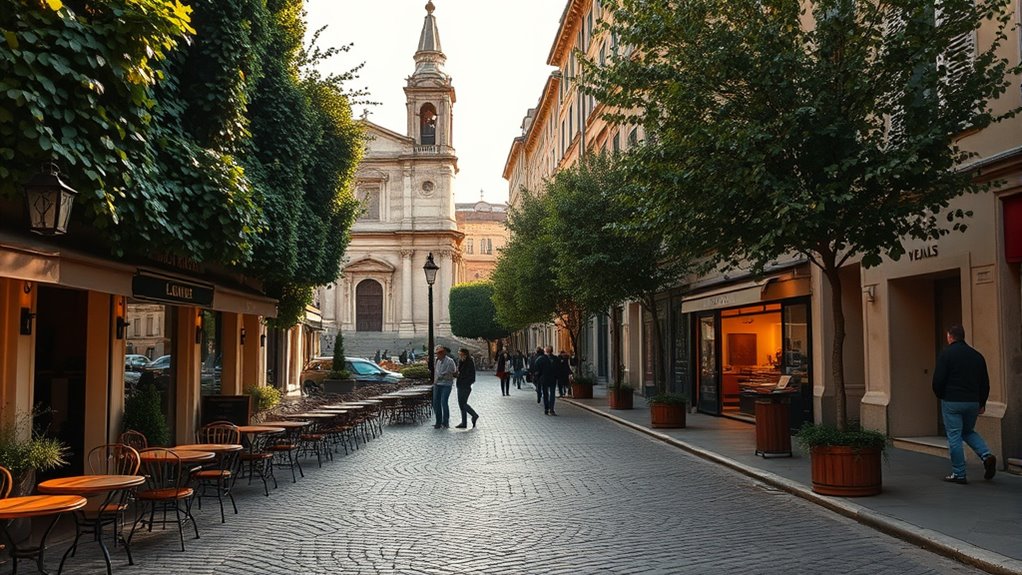
Why do more travelers seek out less crowded destinations in Europe? It’s mainly to enjoy a more authentic experience and avoid long lines and busy sights. Off-season travel means you get to explore popular spots like Venice, Rome, or Barcelona without jostling crowds. You’ll find local vendors more approachable, museums less packed, and your photos clearer. Traveling during quieter times also means better availability and often lower prices on accommodations and tours. Plus, you can truly savor the ambiance of a place without the noise of peak season. This shift toward less crowded destinations helps you connect more deeply with local culture and history, making your trip memorable for all the right reasons. Additionally, understanding the digital distractions phenomenon can enhance your experience by encouraging you to be more present and engaged during your travels. Embracing Off-season travel can also reduce stress and make spontaneous discoveries more likely, enriching your overall journey. Moreover, visiting during the off-season often allows travelers to consider alternative destinations, which can offer equally enriching experiences away from the typical tourist spots.
Seek Unique Experiences
Seeking unique experiences in Europe often means venturing off the beaten path to discover hidden gems and authentic local culture. During the off-season, you can explore lesser-known destinations that offer rich history, stunning scenery, and fewer tourists. This approach provides an opportunity to deepen your connection with inner wisdom and enjoy a more relaxed atmosphere.
Choose Quieter Spots
As concerns about overtourism grow, travelers are increasingly opting for quieter spots to enjoy more authentic and relaxed experiences. You might choose lesser-known destinations like Latvia, Lithuania, or Hungary, which are seeing rising visitor numbers but still remain less crowded than mainstream hotspots. These places offer rich culture, stunning landscapes, and genuine local interactions without the overwhelming crowds. By shifting your focus, you get to explore hidden gems, avoid long lines, and appreciate the region’s true character. Off-season travel makes this easier, with milder weather and fewer tourists. You’ll find better value for your money and more personalized experiences. Choosing quieter spots not only enhances your trip but also helps distribute tourism more evenly across Europe’s diverse destinations. Embracing Off-season travel further amplifies these benefits by offering a more relaxed and intimate experience. Additionally, traveling during the off-season allows for more authentic local interactions, as smaller crowds make it easier to connect with residents and immerse yourself in the local culture. Recognizing the importance of sustainable tourism can also lead to a more responsible and fulfilling travel experience. Moreover, opting for less popular destinations often means access to quieter spots, which can significantly improve your overall travel enjoyment. Exploring less crowded areas encourages more meaningful cultural exchanges and helps preserve the unique character of these regions.
reusable water bottle for sightseeing
As an affiliate, we earn on qualifying purchases.
As an affiliate, we earn on qualifying purchases.
The Shift Toward Off-Peak Months
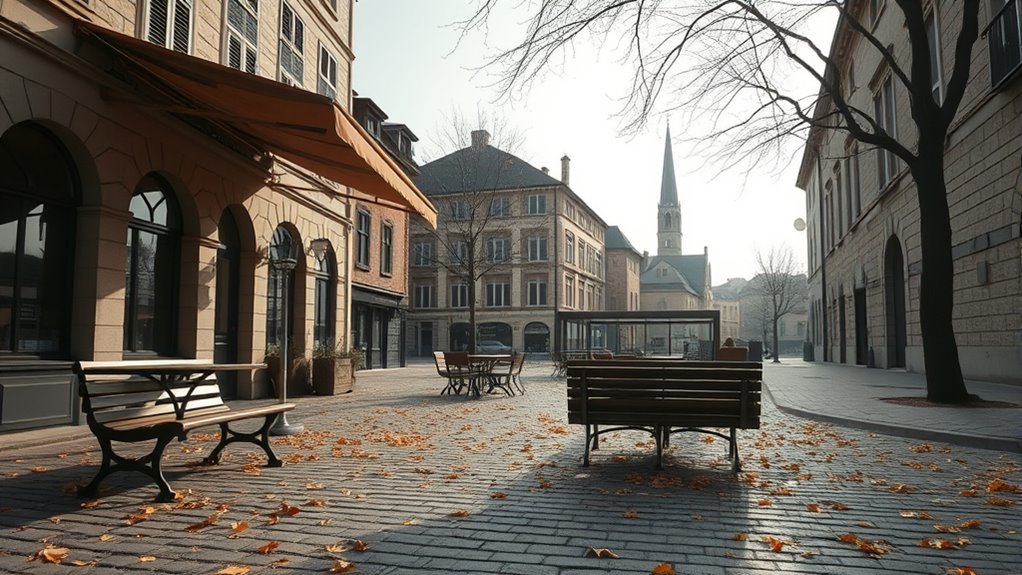
European travelers are increasingly shifting their trips to off-peak months, driven by milder weather, fewer crowds, and better value. This trend means you can enjoy popular destinations like Paris or Rome without the summer crowds and high prices.
European travelers now prefer off-peak months for better deals, fewer crowds, and milder weather.
Here are three reasons why this shift is happening:
- Better Deals: Accommodation and flight prices drop markedly outside peak months, stretching your travel budget.
- Fewer Tourists: Visiting in September or spring means you avoid the crush of July and August, making sightseeing more enjoyable.
- Pleasant Weather: Milder temperatures in shoulder seasons create comfortable conditions for exploring without the intense summer heat or winter chill.
Additionally, the availability of aroma oil diffusers and essential oils can enhance your travel experience by creating a relaxing atmosphere in your accommodations, whether at home or abroad.
This shift benefits travelers seeking authentic experiences without the hustle, making off-peak months an increasingly popular choice across Europe.
As an affiliate, we earn on qualifying purchases.
Growing Popularity of Lesser-Known Spots
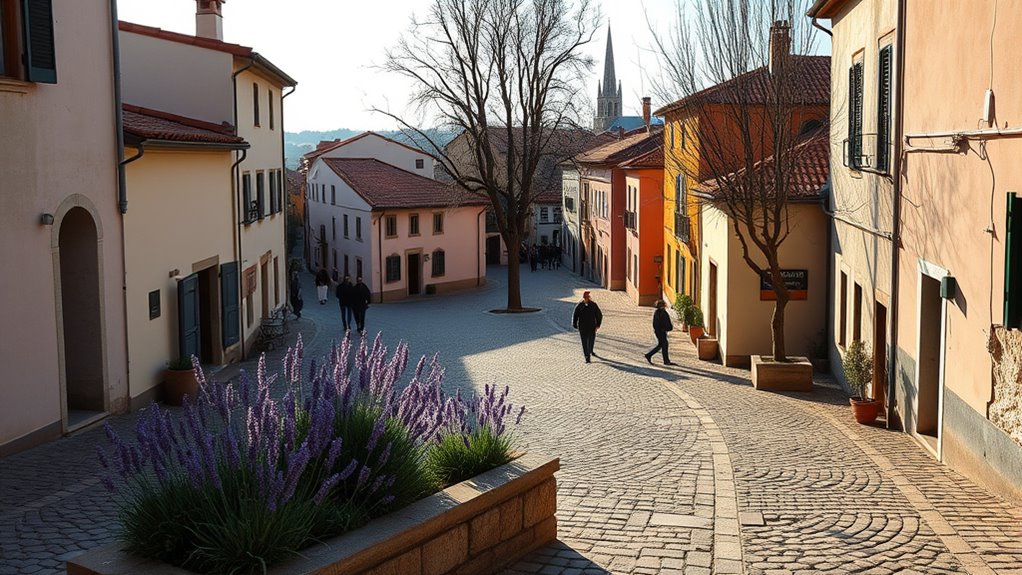
You’re noticing more travelers seeking out hidden gems and offbeat destinations in Europe. These lesser-known spots offer fewer crowds, authentic experiences, and better value, making them increasingly popular choices. As interest shifts, you’ll find that quiet, unique locations are gaining traction over traditional tourist hotspots. Incorporating digital tools can even enhance your appreciation of Europe’s stunning night skies in remote areas.
Hidden Gems Rise
Have you noticed travelers increasingly seeking out lesser-known destinations? It’s a clear sign that hidden gems are gaining popularity. You’re probably hearing about more travelers exploring places off the beaten path, drawn by fewer crowds and authentic experiences. Here are three lesser-known spots that are rising in popularity:
- Latvia’s Riga and its charming Art Nouveau architecture
- Hungary’s Pécs, a city full of history and vibrant street art
- Malta’s Gozo island, offering stunning landscapes without the crowds
These destinations are experiencing a surge in visitors, thanks to their unique appeal and lower tourist volume. As travelers prioritize authenticity and value, these hidden gems become the perfect off-season escape for your European adventures. Authentic experiences are becoming a key factor in choosing travel destinations. Additionally, embracing biodiversity in travel planning can enhance your connection to local environments and support sustainable tourism practices.
Offbeat Destinations Grow
As travelers continue to seek authentic experiences and avoid crowded hotspots, offbeat destinations across Europe are gaining momentum. You’ll find more visitors exploring lesser-known places like Latvia’s charming Riga, Lithuania’s vibrant Vilnius, and Hungary’s scenic Pécs. These spots offer rich history, local culture, and stunning landscapes without the crowds of popular cities. Malta, Cyprus, and Poland are seeing increased overnight stays, reflecting growing interest. Travelers are drawn to these destinations for better value and a more genuine experience. Smaller towns and hidden gems are now thriving as alternatives to overrun tourist spots. This shift allows you to enjoy authentic local life and scenic beauty while avoiding long lines and busy streets. It’s a chance to discover Europe’s diverse charm in a more intimate way.
Less Crowded Experiences
Growing interest in less crowded destinations is transforming European travel choices. You’re now more likely to seek out hidden gems rather than iconic hotspots. This shift means you’ll enjoy authentic experiences without the crowds. Here are three lesser-known spots gaining popularity:
- Latvia and Lithuania – These Baltic countries see a surge in visitors exploring their quiet, scenic towns and natural parks.
- Hungary – Beyond Budapest, regions like Lake Balaton attract travelers craving tranquility and local charm.
- Malta and Cyprus – Smaller islands see rising visitor numbers, offering beautiful beaches and rich history away from tourist crowds.
Increased Tourist Spending Per Trip
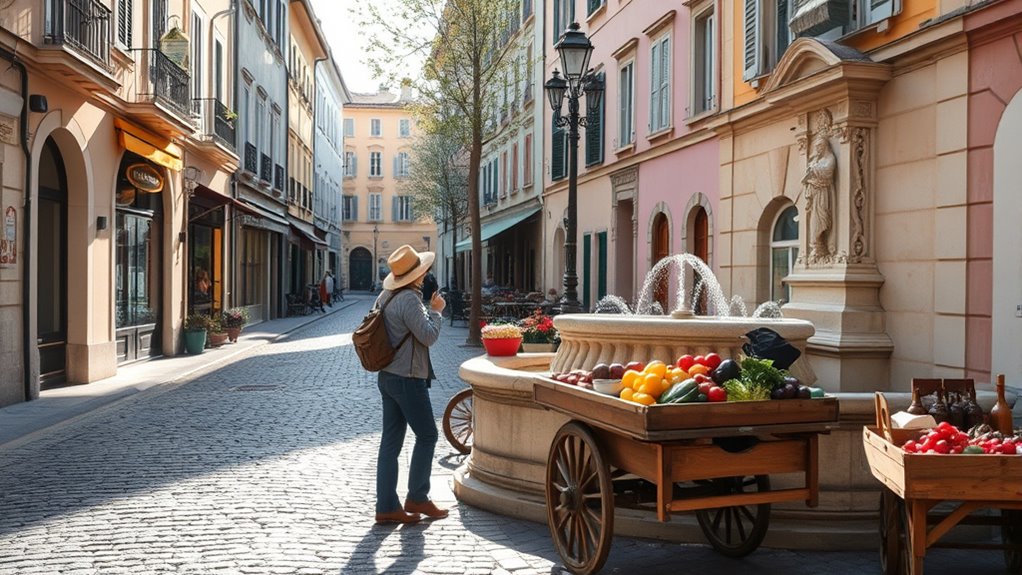
Tourists in Europe are spending more per trip than in previous years, with overall expenditure expected to increase by approximately 13% compared to 2024. Most travelers now budget between €1,500 and €2,000 per person, with the €1,500-€2,500 range becoming more common—up 3% from summer 2024. This increase reflects a willingness to splurge on experiences, dining, and accommodations, even during the shoulder seasons. You’ll notice that spending is concentrated in popular southern destinations like Spain, Cyprus, and Malta, where tourism revenue has surged. remarkably, 62% of travelers plan to keep their budgets steady, while 22% intend to spend more, signaling confidence in Europe’s appeal despite economic pressures. This trend highlights a shift towards valuing richer, more immersive travel experiences.
Intra-European Travel Dominates
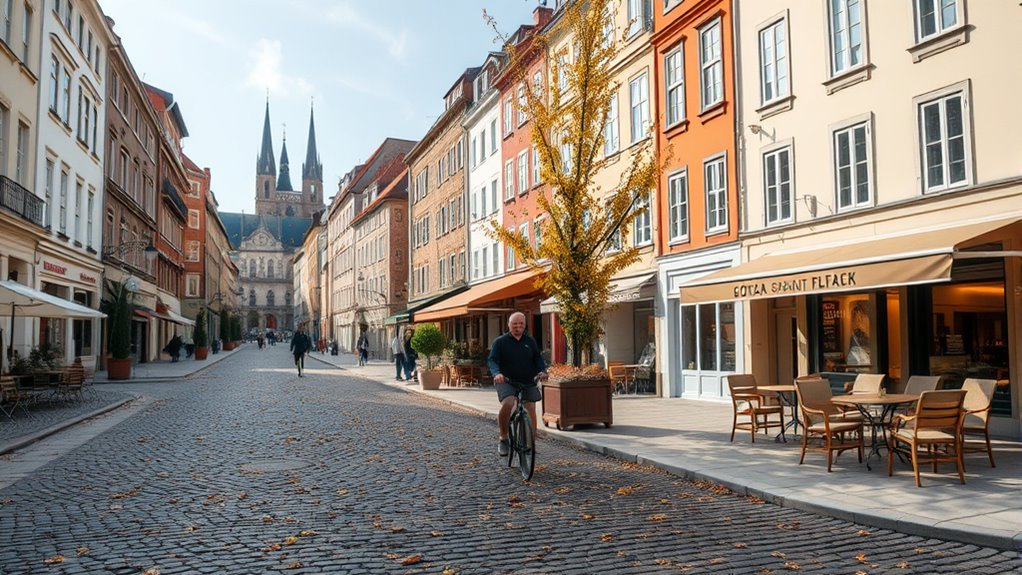
The majority of European travelers are choosing to explore destinations within the continent, reflecting a clear preference for intra-European travel. You’ll notice that many are opting for shorter trips closer to home, driven by better connections, affordable flights, and geopolitical stability. This shift is especially true during the off-season, when crowds are smaller and prices drop.
Here are three reasons why intra-European travel dominates:
- Convenience: Shorter travel times and easier logistics make it more appealing.
- Cost-effectiveness: Budget airlines and flexible routes keep trips affordable.
- Safety & stability: Travelers prefer familiar destinations amid ongoing global uncertainties.
This trend shows Europeans’ desire to maximize their travel experiences without venturing far, especially in quieter shoulder seasons.
Resilience and Recovery of European Tourism
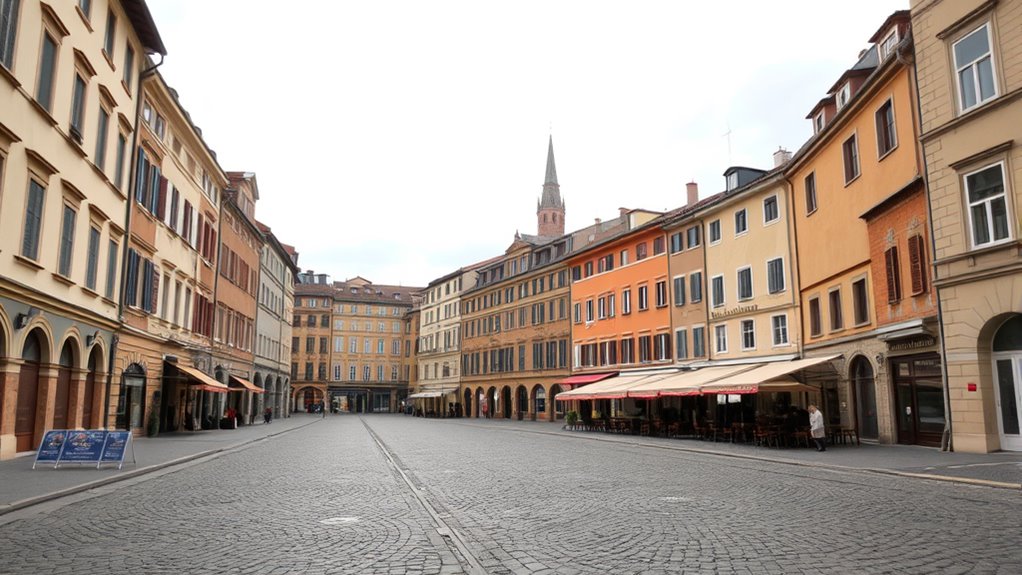
Despite economic pressures and global uncertainties, European tourism demonstrates remarkable resilience, with international arrivals steadily increasing in 2025. In the first half of the year, tourist numbers rose by 2.3%, and overnight stays grew slightly more than domestic nights, indicating strong recovery. Europe welcomed 125 million international visitors in the first quarter, surpassing 2019 figures by 5%. Some countries even exceeded pre-pandemic levels, highlighting the sector’s resilience. Travelers are spending more per trip, with expenditures up by around 13%, especially in Southern European destinations. Most visitors prefer intra-European travel, driven by better connections and geopolitical stability. Despite challenges, the tourism sector continues to recover, adapting to new trends like off-season and niche destination visits, ensuring long-term stability and growth.
Frequently Asked Questions
Why Are More Europeans Choosing September Over July and August?
You’ll notice more Europeans are choosing September over July and August because of milder weather, fewer crowds, and better value for money. Travelers seek a more relaxed experience and want to avoid overtourism during peak months. Additionally, shoulder season timing aligns with school schedules and holiday shifts, making September an ideal compromise for enjoying destinations without the summer rush. This trend reflects a conscious effort to travel smarter and more sustainably.
How Do Travelers Find Less Crowded Destinations in Popular Cities?
You find less crowded destinations by choosing alternative spots outside popular hotspots. Travelers actively seek niche, lesser-known locations, avoiding overtouristed sites like Santorini or Venice. You can explore emerging destinations in Central and Eastern Europe, such as Latvia or Hungary, which see rising visitor numbers. Planning trips during shoulder seasons like September also helps you dodge peak crowds, giving you a more authentic and relaxed experience.
What Factors Are Driving the Rise in Off-Season Travel?
Ever wonder what’s fueling the surge in off-season travel? You’re likely drawn by milder weather, fewer crowds, and better value for your money. Europeans are increasingly planning trips between September and spring, seeking unique experiences away from peak times. Rising awareness of overtourism and the desire for less crowded destinations drive this trend. Plus, shorter, budget-friendly flights and growing interest in lesser-known spots make off-season travel more appealing than ever.
Which Lesser-Known Destinations Are Experiencing the Biggest Growth?
You’ll notice that Central and Eastern European destinations like Latvia, Lithuania, and Hungary are experiencing the biggest growth, with arrivals up by 15-16%. Malta and Cyprus are also seeing increases of around 16-19%. These lesser-known spots attract travelers seeking less crowded, more authentic experiences, offering better value and fewer tourists. These destinations are becoming popular choices for travelers looking to explore Europe beyond traditional hotspots.
How Is European Tourism Weathering Economic and Geopolitical Challenges?
You’ll find that European tourism is holding steady despite economic and geopolitical challenges. Tourist numbers increased slightly in early 2025, with more visitors staying longer and spending more per trip. Travelers prefer intra-European trips, boosting domestic and regional tourism. Low-cost flights and better connections make travel easier, while concerns about outside conflicts push more people toward familiar, safer destinations. Overall, Europe’s tourism sector shows resilience, adapting well to the current global uncertainties.
Conclusion
As you explore Europe in the off-season, you’ll notice how shoulder season travel offers a more authentic, less crowded experience. It’s like discovering a hidden tavern in a bustling city—surprising and charming. Embrace the quieter months, enjoy lesser-known spots, and see how tourism’s resilience keeps the continent vibrant. So, plan your trip now—before the Renaissance fair is over and everyone’s back in the crowds. Europe’s waiting to surprise you.
Fall Picks
fall essentials
As an affiliate, we earn on qualifying purchases.