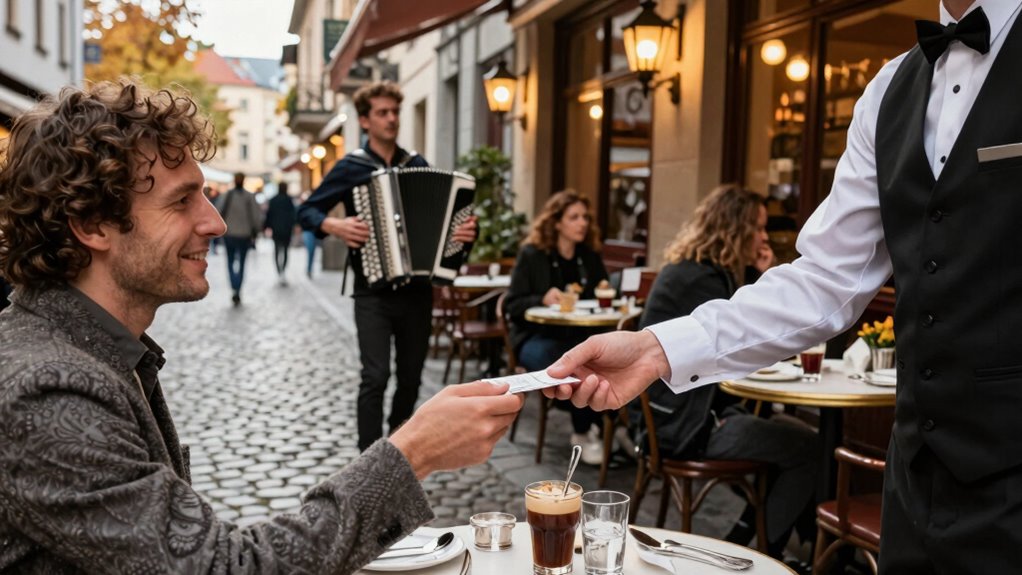

In Europe, tipping customs vary widely: in Western and Southern countries like France or Spain, small tips or rounding up are common, but it’s often included in the bill. Scandinavia generally doesn’t expect tips at all, while Eastern Europe may see a 10% tip preferred in restaurants. Some places find tipping unnecessary or even weird, especially in countries where service charges are included. Keep exploring to discover more about where and how to tip properly across Europe.
Key Takeaways
- Tipping is generally expected in restaurants (5-10%) across most of Europe, but often included in bills in Scandinavia and France.
- Small tips in cafes, bars, and for taxi fares (rounding up) are common, especially in Western and Southern Europe.
- In Scandinavia and France, tipping is often not expected, with service charges usually included, making additional tips optional.
- Tipping tour guides (€5-€10 per person) and hotel staff (€1-€2 per night) is customary but varies by country and setting.
- Some regions, like Scandinavia and France, consider tipping unnecessary or “weird,” emphasizing polite service over gratuities.
Top picks for "tipp europe expect"
Open Amazon search results for this keyword.
As an affiliate, we earn on qualifying purchases.
Tipping Norms in Western Europe
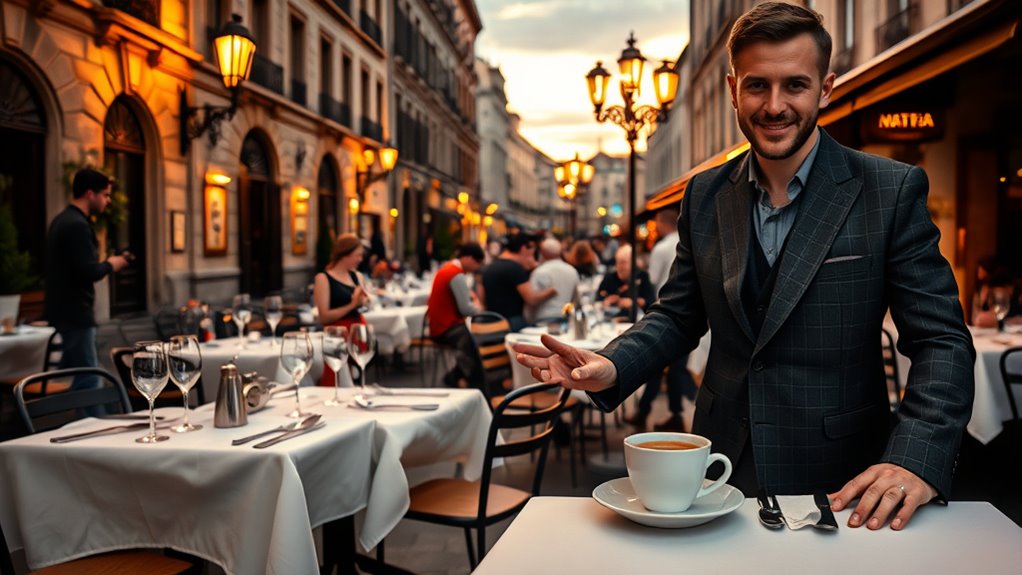
In Western Europe, tipping practices are generally more subdued than in other regions, but understanding local customs can still enhance your experience. Many establishments include service charges directly on the bill, so additional tipping isn’t always expected. When service charges aren’t included, the tipping etiquette typically calls for rounding up the bill or leaving about 5-10% for good service. In cafes and casual restaurants, leaving loose change or a small tip is appreciated. Tipping in bars usually means leaving a euro or two per round. Keep in mind that excessive tipping might be seen as overgenerous or unnecessary, so it’s best to follow the local norms. Additionally, understanding the role of contrast ratio in service quality can help you gauge appropriate gratuity levels. Recognizing the cultural variations in tipping customs can prevent misunderstandings and ensure respectful interactions. Being aware of these tipping etiquette nuances demonstrates cultural sensitivity and respect for local traditions. Paying attention to local tipping customs shows respect for regional differences and enhances social interactions. Being mindful of the regional differences in gratuity expectations can further improve your tipping experience.
Expectations in Southern Europe
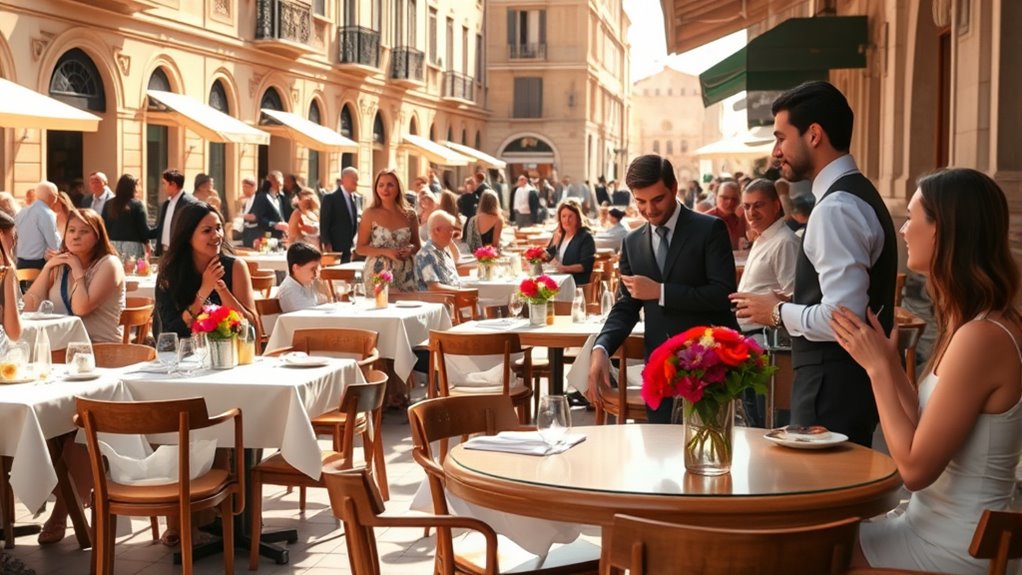
Wondering what the tipping expectations are in Southern Europe? Tipping here is generally modest, often included in the bill, but small tips are appreciated. If you’re at a restaurant, leaving a euro or two for good service is common, especially if you enjoyed the local olive oil with your meal. In cafes or bars, rounding up the bill or leaving loose change is sufficient. When visiting a flamenco dance performance, tipping the performers a few euros shows appreciation, though it’s not obligatory. In hotels, leaving a tip for housekeeping or porters is customary but not mandatory. Overall, Southern Europe’s approach emphasizes politeness without excessive tipping, reflecting a cultural comfort with service included and a relaxed attitude toward gratuities. Service expectations are generally straightforward and informally understood by locals. Additionally, understanding the net worth of local personalities can give insight into the culture of wealth and service appreciation in the region. Recognizing the cultural attitudes toward tipping can help travelers navigate these customs more comfortably. Furthermore, being aware of the reliability of service can influence how much you choose to tip in different settings. Being mindful of AI-driven content insights can also enhance your understanding of local service standards and expectations.
Tipping Practices in Eastern Europe
Tipping norms in Eastern Europe can vary widely depending on the country and setting. You might find that customary tips differ from those in Western Europe, so it’s helpful to know the common practices. Understanding these customs guarantees you tip appropriately and avoid any awkwardness during your visit. For example, in some countries, leaving a small tip for halal-certified restaurants is appreciated when dining out. Additionally, being aware of local tax regulations can influence how much you decide to tip, ensuring you remain respectful of the local customs and legal framework. Familiarity with cultural expectations and the importance of financial regulations related to tipping can further help travelers navigate tipping etiquette smoothly. Being aware of local tipping customs can also help you avoid over- or under-tipping, which might be seen as disrespectful or overly generous.
Tipping Norms Vary Widely
While tipping customs in Eastern Europe can differ markedly from one country to another, you’ll find that expectations vary widely across the region. Currency differences can make tipping confusing—what’s customary in one country might be unusual elsewhere. For example, in some nations, rounding up the bill is standard, while others expect specific percentages. Holiday tipping also varies; during festive seasons, locals might tip more generously or give small gifts instead of cash. In some countries, tipping is less common, and service charges are included in the bill. In others, leaving a tip is seen as polite and appreciated. Additionally, vetted wave and wind considerations can influence tipping practices, especially in coastal areas where fluctuating weather conditions impact service routines. Moreover, understanding the role of AI detection in analyzing service authenticity can be useful for tourists who want to ensure they follow local etiquette, especially in high-tech or tourist-heavy areas. Being aware of local customs can help travelers avoid unintentional offenses and show respect for regional traditions. To navigate these differences, research each country’s specific customs and adapt accordingly, ensuring your tips are appropriate without being excessive. Knowing how currency exchange rates affect tipping amounts can also help travelers avoid confusion or unintended overspending. It is also beneficial to familiarize oneself with regional tipping etiquette to demonstrate proper respect and appreciation in diverse settings.
Common Tipping Customs
In Eastern Europe, tipping customs can vary greatly from country to country, so understanding local practices helps you avoid awkward situations. Tipping etiquette reflects cultural expectations, so it’s smart to observe or ask locals about appropriate amounts. Generally, in restaurants, leaving 10% is polite, but some countries prefer rounding up. For taxis, small tips or rounding up fares are common. In cafes or bars, leaving small change suffices. Here’s a quick guide:
| Service Type | Typical Tipping Etiquette | Cultural Expectations |
|---|---|---|
| Restaurants | 10% of the bill | Appreciated, but not always expected. Tipping customs can vary depending on the country’s cultural norms. |
| Taxis | Round up or 5-10% of fare | Seen as courteous |
| Cafes/Bars | Small change or rounding up | Usually appreciated but not mandatory |
Being aware of local tipping customs can make your experience more respectful and enjoyable while traveling through Eastern Europe.
When Tipping Is Not Necessary

In Scandinavia, you typically don’t need to tip at restaurants, as service charges are included. Similarly, tipping isn’t expected when riding public transportation or staying at hotels in France. Knowing these customs helps you avoid unnecessary gestures and enjoy a more authentic experience. For those interested in the crypto world, staying informed about market trends and insights can also help you make smarter decisions during your travels or investments. Additionally, understanding architectural services can enhance your appreciation of local design and construction standards when visiting new cities.
Dining in Scandinavia
Ever wondered if you need to tip when dining in Scandinavia? In most cases, you don’t have to, as service charges are usually included in the bill. Whether you’re admiring the stunning Norwegian fjords or taking part in reindeer safaris, restaurants don’t expect extra gratuity. Scandinavian countries value straightforwardness, so tipping isn’t a common custom. Instead, focus on enjoying the local cuisine and the beautiful surroundings without worrying about extra costs. If you receive exceptional service, a small tip is appreciated but not required. Keep in mind, tipping isn’t part of the culture here, so you won’t feel obligated or awkward. Just settle your bill, and you’re good to go, allowing you to relax and soak in the Scandinavian experience.
Public Transportation Rides
When riding public transportation in Scandinavia, tipping isn’t expected. Fare evasion isn’t common, and ticket inspections are regular, so most travelers simply buy their tickets and go. Conductors or inspectors focus on verifying valid fares, not collecting tips. If you’re asked to show your ticket, do so politely—there’s no need to tip for this routine check. Public transit systems in these countries operate efficiently and rely on fare enforcement, not gratuities, to maintain service quality. Unlike some other countries, tipping doesn’t influence your interactions with staff or the system. Just purchase your ticket, follow the rules, and enjoy your ride without worrying about tipping. It’s a straightforward process designed for convenience, not gratuity.
Hotel Stays in France
Tipping at hotels in France is generally not expected, especially for standard services like check-in or room cleaning. If you indulge in a luxury spa treatment or enjoy personalized boutique shopping experiences within the hotel, tipping might be appreciated but isn’t mandatory. When staff go above and beyond, such as helping with special arrangements or offering exceptional service, a small tip or a handwritten thank-you note can be a thoughtful gesture. For regular housekeeping, leaving a euro or two per night is optional. Keep in mind that French hotel staff often include service charges in their rates, so tipping remains at your discretion. Overall, you can enjoy your stay without feeling obliged to tip, focusing instead on enjoying France’s rich culture and hospitality.
Unusual Tipping Customs in Specific Countries
While many European countries share common tipping practices, some have unique customs that might surprise travelers. In Italy, tipping at boutique hotels isn’t always expected, but leaving a small amount for good service is appreciated. When it comes to street performers, especially in Spain or France, tipping isn’t obligatory, but rounding up or offering a euro shows gratitude. In some countries, like the Netherlands, tips are considered a bonus rather than expected, so don’t feel pressured to tip extensively. In Eastern Europe, tipping street performers is often seen as a polite gesture rather than a requirement. These customs reflect local traditions and attitudes toward service, so it’s wise to observe or ask locals if you’re unsure. Always remember, a little appreciation goes a long way.
How Much to Tip in Different Situations

Knowing how much to tip in different situations can help you show appreciation appropriately without overdoing it. In many countries, a service charge is included, but if it’s not, tipping etiquette varies. For restaurants, tipping 5-10% is common, but check if a service charge is added—if so, extra tipping isn’t necessary. For other services, like taxis or hairdressers, rounding up or giving a small tip is appreciated.
| Service Type | Typical Tip | Notes |
|---|---|---|
| Restaurant | 5-10% | Check for included service charge. |
| Taxi | Rounding up | Small tip or round to the nearest euro/dollar. |
| Hairdresser | 10% | Tip directly to the stylist if possible. |
| Cafés | Small change | Not always expected but appreciated. |
| Tour Guides | €5-€10 | Per person or per tour. |
Tipping in Hotels and Accommodation Services

When staying at hotels or other accommodation services in Europe, tipping is a way to show appreciation for good service. If you stay in luxury suites, consider leaving a small tip for housekeeping to guarantee your room remains pristine. For valet parking, tip the attendant a couple of euros when your car is returned, especially if they handle your luggage. If concierge services help with reservations or tickets, a tip is appreciated but not obligatory. Housekeeping staff usually appreciate 1-2 euros per night, left in a visible spot. If you receive exceptional service, you might tip more. Remember, tipping customs vary by country, so adjust accordingly to local norms.
- Tipping for housekeeping in luxury suites
- Valet parking tips and etiquette
- Tips for extra services provided by hotel staff
- Typical amounts in different countries
- When to tip more for exceptional service
Tipping in Restaurants and Cafés
After settling your bill at a restaurant or café, tipping customs vary across Europe but generally follow similar patterns. Many places include a service charge in the bill, which means additional tipping isn’t always expected. However, in countries like Italy and France, leaving a small tip—around 5-10%—is common if the service was good. In others, like the UK, rounding up the bill or leaving loose change is typical. Tipping etiquette often depends on whether service charges are included and the quality of service. If you’re unsure, observing locals or asking discreetly can help. Remember, in some regions, generous tipping is appreciated, while in others, it’s considered optional. Understanding these nuances guarantees you tip appropriately and respect local customs.
Cultural Tips for a Smooth Tipping Experience
To guarantee a smooth tipping experience across Europe, paying attention to local customs and social cues is essential. Understanding etiquette nuances helps you avoid awkward moments and shows respect. In some countries, tipping is expected, while in others, rounding up or small tokens suffice. Observe how locals handle tips and follow their lead. Being aware of these cultural tips ensures your gestures are appreciated, not misunderstood. Remember, tipping customs vary widely, so adapt accordingly. Your awareness of local customs can make interactions more pleasant and seamless.
- Watch how locals handle tips in restaurants and cafes
- Use small monetary tokens where appropriate
- Avoid over-tipping in countries with strict etiquette nuances
- Observe if service charges are included before tipping extra
- Respect cultural differences in tipping expectations
Frequently Asked Questions
Are Tips Included in the Bill in European Countries?
In most European countries, tips are not automatically included in the bill because service charge policies vary. You should check your bill, as some places include a service fee, while others don’t. Tipping etiquette variations mean you might leave extra if the service was good, typically around 5-10%. When in doubt, it’s polite to leave a small tip to show appreciation, especially in restaurants or cafes.
Is Tipping Customary for Small Purchases Like Groceries?
You generally don’t need to tip for small purchases like groceries, as grocery store customs don’t usually include tipping. Tipping etiquette here is more focused on service industries like restaurants or cafes. If you feel compelled to show appreciation, a small tip or rounding up the bill is appreciated, but it’s not expected. Enjoy your shopping, knowing that in most cases, your routine grocery run doesn’t require tipping.
Do Service Industry Workers Rely Heavily on Tips?
Service industry workers often rely heavily on tips because their base wages tend to be lower due to service industry wages policies. Tipping etiquette varies across Europe, but in many countries, tips substantially supplement income, especially in restaurants, cafes, and bars. By tipping appropriately, you help guarantee workers earn fair compensation and recognize good service, aligning with local customs and supporting their livelihoods.
Are There Any Countries Where Tipping Is Considered Offensive?
You might be surprised, but in some countries like Japan, tipping is considered a cultural taboo. It’s seen as an insult or inappropriate because of strict tipping etiquette variations. In these places, offering a tip could offend service workers or imply they’re not paid fairly. So, always research local customs before tipping, and remember that what’s polite in one country may be offensive in another.
How Do Cultural Attitudes Influence Tipping Behavior Across Europe?
Cultural attitudes greatly influence your tipping behavior across Europe. In some countries, like Italy and France, tipping is part of the local etiquette expectations, and you’re expected to leave a small amount for good service. However, in others like Scandinavia, tipping isn’t customary and may even be unwelcome. Understanding these cultural norms helps you follow proper etiquette expectations, ensuring respectful interactions and avoiding any unintended offense.
Conclusion
Exploring Europe’s tipping customs might seem complex, with expectations varying like the regions themselves—some generous, others more reserved. While a small tip can speak volumes in Western cafés, it’s often unnecessary in Eastern markets. Embrace these nuances, and you’ll find that understanding when to tip elevates your experience from mere etiquette to genuine cultural connection. After all, in Europe, a thoughtful gesture can be as meaningful as the scenery you came to enjoy.