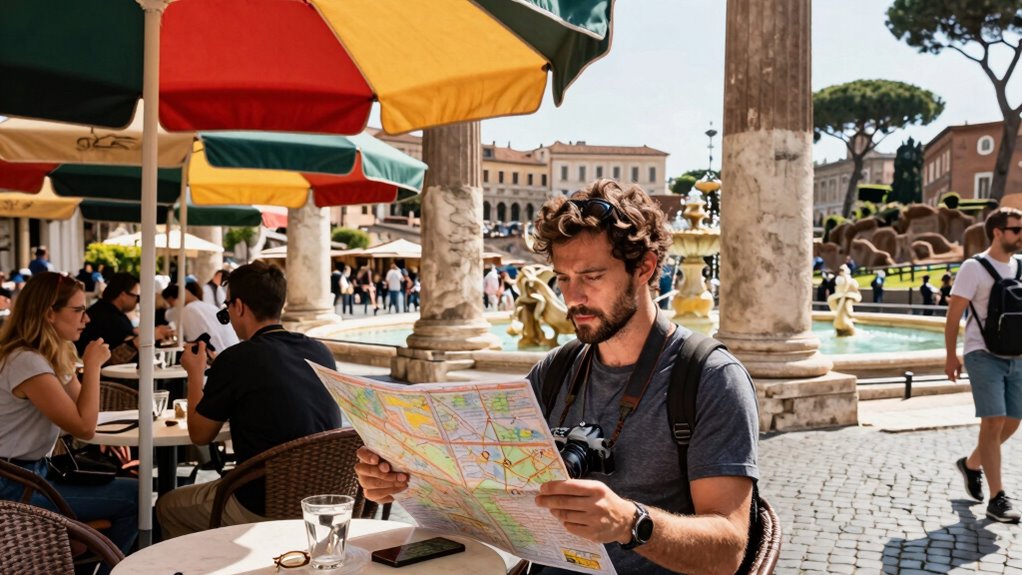

Before spending money on Rome’s attractions, spend 10 minutes checking for free entry days, valid discounts, and hidden fees. Confirm if you qualify for free or discounted tickets, and always verify prices—look out for extra charges or package deals. Use official guides, public transport passes, and explore free sites to save big. Keep these quick checks in mind—if you stay alert, you’ll discover even more tips for a budget-friendly trip.

Get travel and outdoor gear delivered free with Prime
- Fast, free delivery on millions of items
- Prime Video, Amazon Music and more included
- Member-only deals all year
Key Takeaways
- Verify eligibility for free or discounted entry with valid ID or documentation before visiting attractions.
- Use official apps, free tours, or self-guided walks instead of expensive guided tours.
- Check for hidden fees and clarify if prices include service charges or extras at restaurants and ticket booths.
- Choose transportation passes and validate tickets to avoid fines and save on travel costs.
- Plan visits on free access days and arrive early to avoid crowds and reduce spending.
As an affiliate, we earn on qualifying purchases.
Spotting Free Entry Opportunities for Major Attractions

To maximize your savings, it’s essential to be aware of the specific days and circumstances when major attractions in Rome offer free entry. Keep in mind that St. Peter’s Basilica is free to enter, but expect long lines. Piazza Navona and the Spanish Steps are open to the public at no cost anytime. The Trevi Fountain is always free to view from the outside, so you can enjoy its beauty without paying. Villa Borghese Park is free, although the museum inside requires a ticket. Additionally, some museums and sites offer free days—like the last Sunday of the month for Vatican Museums and the first Sunday for state museums. Arriving early on these days helps you avoid crowds and makes the most of these free opportunities.
Rome free entry attraction tickets
As an affiliate, we earn on qualifying purchases.
As an affiliate, we earn on qualifying purchases.
Verifying Accommodation Locations and Costs

Verifying your accommodation locations and costs can considerably impact your overall budget in Rome. Start by checking if your stay is near public transport options like metro or tram lines, which save you money and time. Consider budget-friendly options such as hostels, Airbnb, Couchsurfing, or even convents offering affordable rooms. Avoid staying in the heart of the tourist zones if possible, as prices tend to be higher there. Always compare prices across multiple platforms and read reviews to ensure quality. Look for accommodations with easy access to the city center, so you can walk or use public transit instead of taxis. Double-check the total cost, including taxes and fees, to prevent surprises when booking. Being aware of projector technology specifications can also help you choose accommodations that have suitable spaces for entertainment or presentations if needed. Additionally, verifying the availability of modern kitchen appliances can be helpful if you plan to prepare your own meals. Conducting a quick location verification can save you both money and inconvenience during your trip. Doing a brief check on electric power compatibility can prevent issues with charging your devices or using appliances. Researching recent guest reviews can provide insights into the actual experience and hidden costs, further helping you make an informed decision. This quick check can make a big difference in how much you spend in Rome.
As an affiliate, we earn on qualifying purchases.
Recognizing Budget-Friendly Dining Options

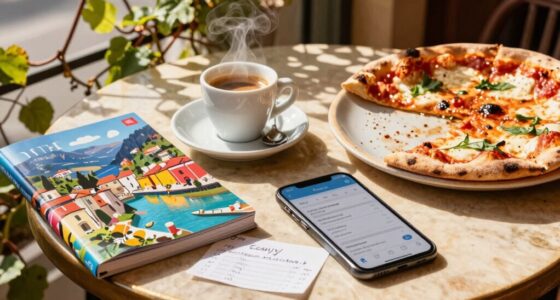
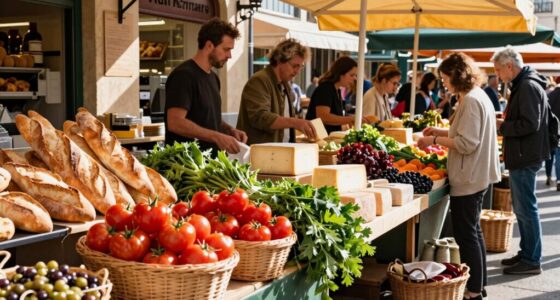
Finding affordable dining options in Rome doesn’t mean sacrificing quality or taste. Look for local trattorias and pizzerias where cash is preferred, often offering authentic dishes at lower prices. Skip tourist-heavy areas and explore side streets for hidden gems with better deals. Buying pizza by the slice or grabbing paninis from street vendors delivers quick, tasty, and budget-friendly meals. Check menus before ordering to avoid surprises, and always compare the bill to the menu prices to catch overcharges. Consider eating during off-peak hours when restaurants might offer specials or less busy atmospheres. Participating in local markets for fresh produce and ready-made foods can also save money. Additionally, opting for Free Floating seating arrangements or outdoor dining spaces can enhance your experience while often reducing costs. Maintaining awareness of meal timing and choosing less crowded venues can further help you find the best deals. Being mindful of Bitcoin News Day trends can also inform timing and decision-making for your visits, especially if you plan to use digital payments. Exploring local dining customs can also lead to more authentic and affordable culinary experiences.
budget travel accommodation Rome
As an affiliate, we earn on qualifying purchases.
As an affiliate, we earn on qualifying purchases.
Choosing the Right Transportation Passes and Tickets

To make the most of Rome’s transportation options, you need to pick the right passes and tickets. Consider the validity periods to match your itinerary, and buy them at convenient locations like metro kiosks or newsstands to save time and money. Using your tickets strategically can help you avoid unnecessary costs and make your travel smoother.
Validity Period Options
Choosing the right transportation pass depends on how long you’ll stay and how often you plan to travel around Rome. If you’re only here a day, a single-ride ticket might suffice. For longer stays, multi-day passes offer better value. Consider the validity period options below:
| Ticket Type | Validity Period | Best For |
|---|---|---|
| 24-Hour Pass | 24 hours | Daily unlimited travel |
| 48-Hour Pass | 48 hours | Weekend trips, short stays |
| Weekly Pass | 7 days | Frequent travel, longer stays |
Always check ticket expiration and renewal policies. Selecting the right option saves money and ensures seamless travel during your trip. Additionally, understanding European cloud innovations can help organizations adopt more sustainable and secure cloud solutions for their data needs.
Ticket Purchase Locations
When purchasing transportation passes and tickets in Rome, it’s important to know where to buy them for convenience and savings. You can find tickets at various locations, ensuring quick access and avoiding unnecessary lines.
- Metro kiosks – Convenient at major stations for immediate purchase.
- Newsstands and tabacchi – Widespread across the city, offering quick service.
- Vending machines – Available at many metro stations for fast, self-service options.
- Tourist information centers – Staff can assist with passes and explain usage.
- Sanitation and maintenance of ticketing areas ensure reliable service and prevent counterfeit tickets. Properly maintained ticketing infrastructure helps ensure your tickets are valid and reduces the risk of delays.
Always validate your ticket before boarding to avoid fines. For regular travel, consider buying a Roma Pass or travel card, which offers discounts and flexibility. Being aware of these locations saves you time and money during your trip.
Cost-Effective Usage Strategies
Selecting the right transportation passes and tickets can substantially save you money and time during your Rome visit. Instead of paying per ride, consider a Roma Pass or travel card if you plan multiple trips. These passes often include free entries to select sites and unlimited rides for a set period. Buy tickets at metro kiosks, newsstands, or tabacchi to avoid overpaying. Validate your ticket on buses or trams immediately to dodge fines. Walking in the city center is free and efficient for short distances, saving both money and hassle. For longer stays, a 24- or 48-hour ticket provides unlimited travel at a lower cost than single tickets. Always check your route and duration to choose the most economical option, maximizing your sightseeing budget.
Identifying Eligible Discounts and Free Admission Criteria

To take advantage of discounts and free admission in Rome, you need to know who qualifies. Being aware of eligibility criteria guarantees you don’t miss out or pay unnecessary fees. Here are key categories to check:
Know who qualifies for discounts and free entry in Rome to save money and avoid missing out.
- People under 18, over 65, or disabled with an accompanying carer often qualify for free entry.
- Journalists, tour guides, and interpreters may gain free access with proper credentials.
- Students enrolled in architecture, archaeology, art history, or fine arts typically receive free admission.
- Visitors aged 18-25 can access discounts on major attractions, especially with a valid student ID or Roma Pass.
- It’s important to verify the eligibility criteria for each discount or free entry to ensure you qualify and avoid any issues during your visit.
- Additionally, some sites offer special discounts for certain professions or groups, so it’s worthwhile to inquire beforehand.
- Always carry relevant identification or documentation to verify your eligibility and maximize your savings during your visit.
- Understanding the benefits of the Roma Pass can further enhance your access to discounts and skip-the-line privileges, making your trip more efficient and enjoyable.
- Recognizing water-based attractions or discounts related to aquatic activities can also help you find additional savings during your stay.
Planning Visits on Free Access Days and Times

Planning your visit around Rome’s free access days requires careful timing to make the most of these opportunities while avoiding crowds. Check the schedule for the last Sunday of the month when Vatican Museums and the Sistine Chapel are free. The first Sunday of each month offers free entry to state museums, parks, and archaeological sites, so arrive early. Christmas Day also provides free access to many main monuments. To maximize your experience, arrive at popular sites early in the morning to beat the crowds. Consider visiting lesser-known attractions on free days for a quieter experience. Keep in mind that popular spots can get crowded quickly, so plan your itinerary accordingly. Utilizing these free days lets you enjoy Rome’s treasures without overspending or battling massive crowds.
Avoiding Overpriced Tours and Guided Experiences

Avoiding overpriced tours and guided experiences is essential if you want to make the most of your trip without overspending. Instead of falling for expensive group tours, explore Rome on your own or with small, local guides. Here are four ways to save:
- Research free or low-cost audio guides to navigate major sites independently.
- Use official city maps and apps for self-guided tours, avoiding inflated prices.
- Skip packaged tours and seek out local artisans or neighborhood walks.
- Join free walking tours offered by volunteers, tipping what you can afford.
- Consider understanding the kitchen science & materials behind local crafts or food preparation to enrich your cultural experience without extra cost. Learning about the chemical properties of traditional ingredients can deepen your appreciation for authentic dishes and craftsmanship, often without additional expense.
Checking for Hidden Fees and Extra Charges

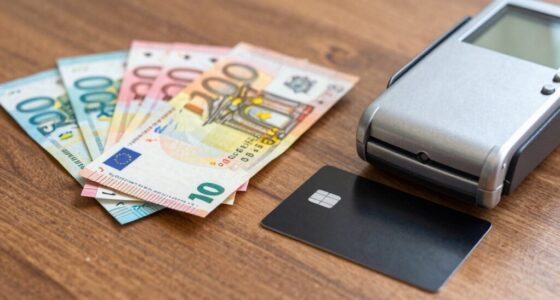
Even when prices seem clear at first glance, hidden fees and extra charges can quickly inflate your bill if you’re not careful. Always double-check the fine print or ask staff about potential extra costs, like service charges, cover fees, or mandatory tips. When paying, review your receipt carefully—sometimes, surcharges are added for credit card use or late payments. Be wary of “package deals” that seem too good to be true; they may include hidden costs for extras like guided tours or audio guides. At restaurants, confirm if prices include service or if tips are added separately. For tickets, verify what’s included—some attractions add on costs for special exhibitions or audio guides. A quick review saves you from unexpected expenses and keeps your trip budget in check. Additionally, inspecting garbage disposal units can prevent costly repairs or replacements during your stay, especially if they are part of the property’s exfoliation routine for maintaining cleanliness and hygiene. Being aware of cultural variations in pricing policies can also help you avoid surprises and better understand local customs. Always remember that minor checks can prevent significant unexpected expenses during your trip.
Utilizing Local Resources for Money-Saving Tips

To stretch your budget further in Rome, tap into local resources like community bulletin boards, social media groups, and neighborhood guides. These tools can reveal hidden deals, free events, and insider tips not found in tourist guides. Additionally, paying attention to local community events can uncover unique and cost-effective experiences that enrich your trip. Consider these options:
- Join local Facebook groups or forums where residents share discounts and upcoming free attractions.
- Check noticeboards at markets, hostels, or community centers for flyers on free or discounted activities.
- Use neighborhood guides or magazines often available in cafes or libraries to discover affordable dining and sightseeing options.
- Follow local influencers or city accounts on social media for instant updates on special offers or free events.
Leveraging these resources helps you find authentic, budget-friendly experiences that save money while enriching your visit.
Comparing Prices and Options Before Making Purchases

Before making any purchase, take a moment to compare menu prices and check for hidden charges. Look into different entry fees for attractions and consider options that offer discounts or free days. Evaluating transportation choices can also save you money and help you avoid unnecessary expenses.
Check Menu Prices
Ever find yourself surprised by the bill after a meal or snack in Rome? Always check menu prices beforehand to avoid sticker shock. Here’s how to do it efficiently:
- Scan the menu for hidden charges like service fees or cover charges.
- Compare prices across different restaurants, especially between tourist spots and local eateries.
- Look for set menus or daily specials, which often offer better value.
- Confirm the cost of drinks and extras, as they can substantially increase your total.
Compare Entry Fees
Always compare entry fees for Rome’s attractions before purchasing tickets to guarantee you’re getting the best value. Many sites offer discounted or combined tickets that save you money compared to buying each entrance separately. Check if there are combo passes, like the Roma Pass, which grants free access to two major sites and discounts on others. Some attractions also have free days or reduced rates for certain groups, so verify eligibility beforehand. Look for online deals or early-bird prices that can cut costs further. Additionally, consider whether a guided tour or self-guided audio guide offers better value for your interests. Comparing prices and options ensures you won’t overspend on attractions you might not fully enjoy or need to visit. Always do a quick check before making your purchase.
Evaluate Transportation Options
Are you aware of the most cost-effective transportation options in Rome? Comparing prices and options before purchasing can save you a lot. Here’s what to contemplate:
- Use public transit like buses, trams, and metro—tickets are just €1.50 for 100 minutes of unlimited rides.
- Buy tickets at metro kiosks, newsstands, or tabacchi to avoid extra fees.
- Validate your ticket on board to prevent fines.
- Consider the Roma Pass or travel cards if you plan multiple trips; they often include free or discounted entry to attractions and unlimited transport.
Walking in the city center is also a great way to save money and see more. Always check options beforehand to choose the most economical way around Rome.
Frequently Asked Questions
How Can I Find Last-Minute Free Entry Opportunities in Rome?
To find last-minute free entry opportunities in Rome, check the official websites or social media pages of major attractions for updates on free days or special events. Visit on the last Sunday of the month for free Vatican Museums and Sistine Chapel access, or on the first Sunday for state museums and parks. Arrive early to avoid crowds, and explore lesser-known sites for quieter, cost-free experiences.
Are There Apps or Websites That List Discounts and Free Days?
You can find apps and websites that list discounts and free days in Rome, like the official tourism site, Rome’s city app, and TripAdvisor. These platforms update regularly with info on free museum days, discount passes, and special events. Download the Rome2Rio app for transportation deals or check local event calendars. Staying informed helps you take advantage of free entry days and save on your trip.
What’s the Best Way to Confirm Accommodation Costs Before Booking?
Confirming accommodation costs before booking is like checking the weather forecast before a picnic—you avoid surprises. You should read reviews on trusted sites like Booking.com or Airbnb, paying close attention to the total price, including taxes and fees. Contact the host or hotel directly to clarify any hidden charges. Always compare prices across multiple platforms, and make certain the reservation includes the amenities you need, so no surprises spoil your trip.
How Do I Identify Authentic Local Dining Spots With Affordable Prices?
To find authentic, affordable local dining spots, look for places frequented by locals rather than tourists. Check for reviews or ask locals for recommendations. Avoid restaurants with menus in multiple languages and high tourist traffic. Opt for trattorias or pizzerias with simple, handwritten menus, and observe the crowd. Prices should be reasonable, and the atmosphere genuine. Eating where locals dine guarantees authentic flavors and better deals.
Which Transportation Passes Offer the Most Savings for Tourists?
You’ll find the most savings with the Roma Pass, which offers free entry to two major sites and unlimited public transport. Did you know it costs around €38 for 48 hours? This pass lets you skip lines and access buses, trams, and metro rides, saving both time and money. Use it wisely on your first days to maximize your sightseeing while keeping expenses low and convenience high.
Conclusion
By taking just a few minutes to check for free entry, discounts, and hidden fees, you could save up to 30% on your Rome trip. Nearly 60% of visitors miss out on these opportunities, spending more than necessary. So, stay vigilant, compare options, and use local resources. A quick, 10-minute check can make your vacation more affordable and enjoyable, ensuring you experience Rome’s wonders without breaking the bank.
Columbus Day / Indigenous Peoples' Day Picks
long weekend sales
As an affiliate, we earn on qualifying purchases.