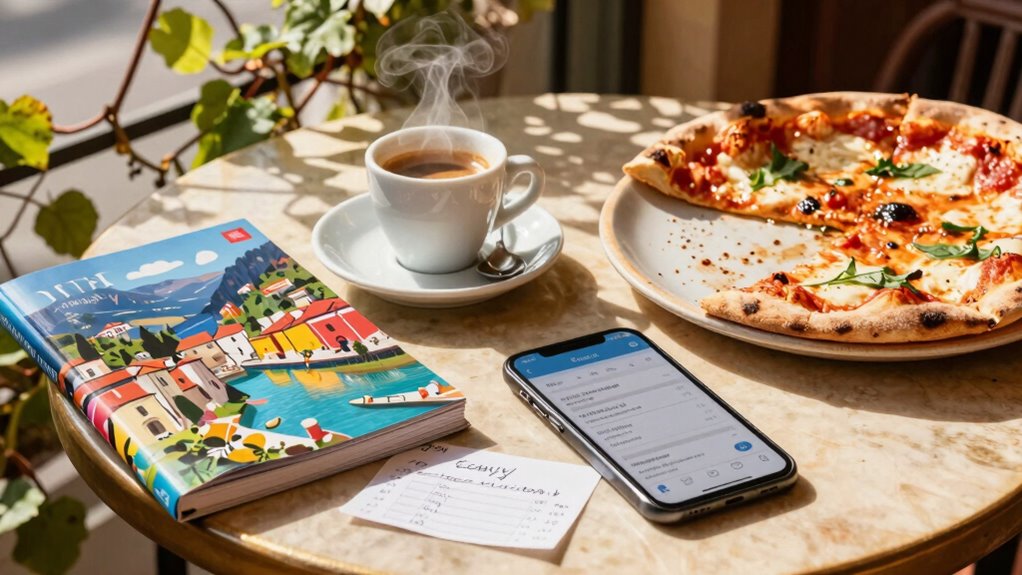

Budgeting for Italy involves balancing rent, groceries, utilities, transportation, and entertainment. Expect to spend around €1,400 to €1,600 monthly, with daily costs averaging €45 to €55. In cities like Rome or Milan, rent is higher, but smaller towns like Rieti are more affordable. Utilities and internet add to your costs, while public transit helps save on transport. Keep a contingency fund for surprises. Continue exploring to discover detailed daily breakdowns and tips to maximize your budget.

Get travel and outdoor gear delivered free — and shop member deals
- Fast, free delivery on millions of items
- Access to Prime Big Deal Days deals on October 6–7
- Prime Video, Amazon Music and more included
Key Takeaways
- Average daily costs range from €47 to €53, including accommodation, food, utilities, transportation, and entertainment.
- Rent in major cities like Rome (€1,100/month) significantly impacts monthly budgets; smaller towns are more affordable.
- Daily food expenses are approximately €8-€10 for groceries and €15-€25 for dining out.
- Transportation costs are around €1.20-€1.30 daily with monthly transit passes in cities like Rome and Milan.
- Budgeting should include a contingency fund of 10-15% for unexpected expenses and seasonal fluctuations.
As an affiliate, we earn on qualifying purchases.
Average Rent Costs in Major Italian Cities
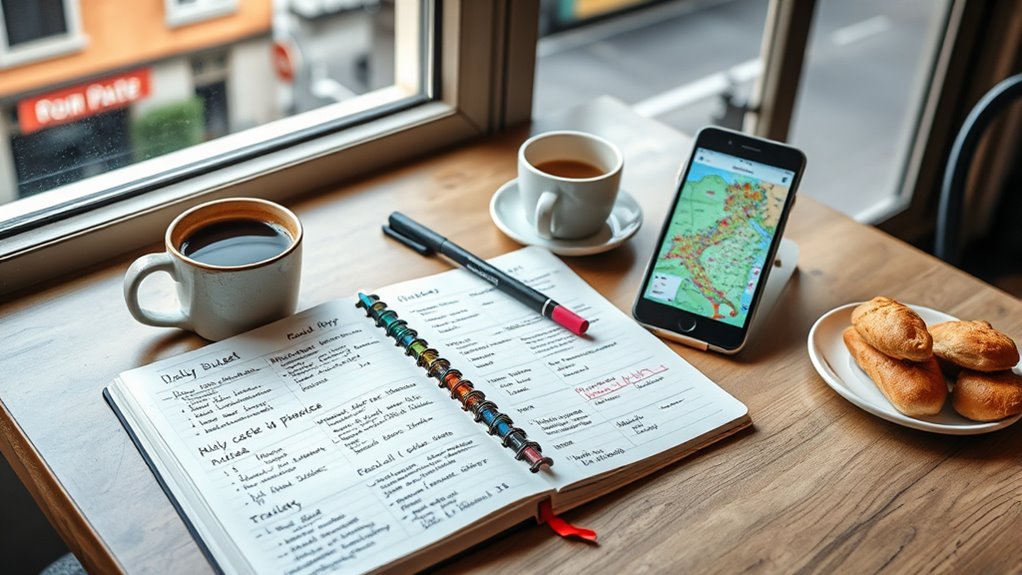
When considering living costs in Italy, rent prices vary considerably between major cities. In Rome, a one-bedroom apartment in the city center typically costs around €1,100 monthly, while in Milan, it’s about €1,370. These cities tend to have the highest rents, reflecting their popularity and economic activity. If you’re looking for more affordable options, Rieti offers a one-bedroom in the city center for approximately €600 per month, making it a more budget-friendly choice. Keep in mind that rental prices fluctuate based on location, size, and amenities. Larger cities generally demand higher rents, but you can find more affordable housing in smaller towns and suburbs. Budgeting accordingly helps you plan for a comfortable stay without overstretching your finances. Additionally, understanding rent cost variations can help you make informed decisions about your housing options and avoid potential scams. Being aware of price fluctuations in different areas is essential for a successful budget, especially considering Free Floating neighborhoods that may offer unique housing opportunities. Recognizing how local rental markets operate can further assist in finding the best deals and securing suitable accommodations. Moreover, researching market trends can provide insights into future rent changes, aiding better financial planning.
As an affiliate, we earn on qualifying purchases.
Typical Food and Grocery Expenses

Your grocery shopping habits considerably impact your monthly expenses, with single individuals spending around €250-€300. Dining out can quickly add up, with inexpensive meals costing about €15 and entertainment meals reaching €50 or more. Understanding these costs helps you plan a realistic food budget while enjoying Italy’s culinary scene. Incorporating effective study techniques can also help you manage your finances better by allowing you to allocate funds more strategically. Additionally, being aware of piercing aftercare and hygiene practices can prevent unexpected expenses related to infections or complications, ensuring your investments in piercings remain safe and cost-effective. Practicing good hygiene practices is essential to avoiding costly medical treatments and maintaining your health during your stay. Being informed about budget-friendly shopping tips can further help you optimize your spending and enjoy a richer experience without overspending. For example, understanding the horsepower of electric dirt bikes can help you choose cost-effective transportation options if you’re considering eco-friendly travel around Italy.
Grocery Shopping Habits
Grocery shopping habits in Italy typically revolve around balancing quality and affordability, with most individuals prioritizing fresh produce, local specialties, and seasonal items. You’ll often visit markets for local vegetables, cheeses, and meats, which guarantee freshness and support local producers. Supermarkets are used for staples like pasta, rice, and canned goods. Discount stores and bulk buying help save money, but quality remains key. Here’s a quick overview:
| Food Type | Typical Cost | Shopping Spot |
|---|---|---|
| Fresh Produce | €2-€5/kg | Local markets |
| Pasta & Rice | €1-€3/package | Supermarkets |
| Local Specialties | €3-€8/item | Specialty shops |
Additionally, many shoppers prefer to buy seasonal items, which often offer better prices and fresher quality. Understanding food preservation techniques can also help in making the most of seasonal and bulk purchases to reduce waste and save money. Proper storage methods can extend the freshness of perishable items, making reconditioning techniques a valuable skill for budget-conscious shoppers. Developing good shopping habits can further maximize savings and ensure consistent quality in your groceries. Exploring sustainable shopping practices can additionally contribute to environmental benefits and long-term savings.
Dining Out Costs
Dining out in Italy offers a range of affordable options that complement the local food culture. You can enjoy a delicious meal at an inexpensive restaurant for around €15, or catch a cinema ticket and grab some quick snacks for less than €20. If you prefer a more relaxed experience, a meal at a casual trattoria might cost about €20-€25 per person, including a starter, main, and drink. Pizzerias and casual cafes are budget-friendly, with pizzas costing roughly €8-€12. For regular outings, budgeting €200-€300 monthly for dining out is realistic, covering occasional dinners and treats. Remember, splurging on a special meal or wine will increase your expenses, so plan accordingly to keep your food budget balanced.
As an affiliate, we earn on qualifying purchases.
Utilities and Internet: What to Expect
Expect to pay around €198 monthly for utilities in an 85m2 apartment, covering water, gas, and electricity. Internet costs are typically about €27.50 per month, offering good value for reliable service. Utility bills are usually paid monthly, so it’s important to budget accordingly for these recurring expenses. To ensure safety and efficiency, it’s helpful to understand backup power options available for your home. Exploring proper ventilation systems can also improve energy efficiency and indoor air quality, making your living environment more comfortable. Additionally, considering energy-saving appliances can reduce overall utility costs and promote sustainability. Incorporating power management techniques can further optimize energy use and enhance your home’s efficiency.
Average Utility Costs
Wondering what your utility bills will look like in Italy? On average, expect to pay around €198 monthly for utilities in an 85m2 apartment, covering water, gas, and electricity. These costs can vary depending on your usage and the season, especially during colder months when heating increases bills. Water and gas tend to be moderate, but electricity can spike if you use many appliances or air conditioning. Internet costs are quite affordable, averaging about €27.50 per month, offering reliable high-speed connections in most cities. If you’re sharing a space, utility costs will be higher overall, but splitting bills can help. Keep in mind, utility prices have increased by about 53% since 2022, so budgeting for potential fluctuations is wise. utility costs can fluctuate significantly based on season and personal habits, so staying mindful of usage helps manage expenses. Being aware of energy consumption habits is key to controlling your monthly bills. Proper home energy management can lead to more consistent and lower utility costs over time.
Internet Pricing Overview
Looking to understand what you’ll pay for internet and utilities in Italy? Expect to spend around €27.50 monthly for internet, which is quite affordable compared to other European countries. Utilities for an 85m² apartment typically cost about €198 per month, covering water, gas, and electricity. Bills can vary depending on usage, especially with increased energy prices. Water, gas, and electricity combined usually total around €130 monthly. Keep in mind, utility costs are higher if you live in larger spaces or use more energy-intensive appliances. While internet remains consistent in price, utility bills fluctuate seasonally and with consumption. Regularly monitoring energy consumption can help you budget more accurately to cover both essentials and occasional surprises, especially during peak energy use periods.
Utility Payment Schedules
When managing your monthly expenses in Italy, it’s important to understand how utility bills and internet payments are scheduled. Utilities such as water, gas, and electricity are typically billed quarterly or bi-monthly, depending on your provider and consumption. You’ll receive a detailed statement and usually pay online or at designated payment centers. Internet bills are more predictable, billed monthly around the same date each month, making it easier to plan your budget. Keep in mind that utility costs can fluctuate seasonally, especially with increased energy use in winter. Setting aside a buffer for these bills helps avoid surprises. Many providers offer automatic payments, which simplify the process. Staying aware of your billing cycle ensures you manage your cash flow effectively.
As an affiliate, we earn on qualifying purchases.
Transportation Options and Monthly Passes
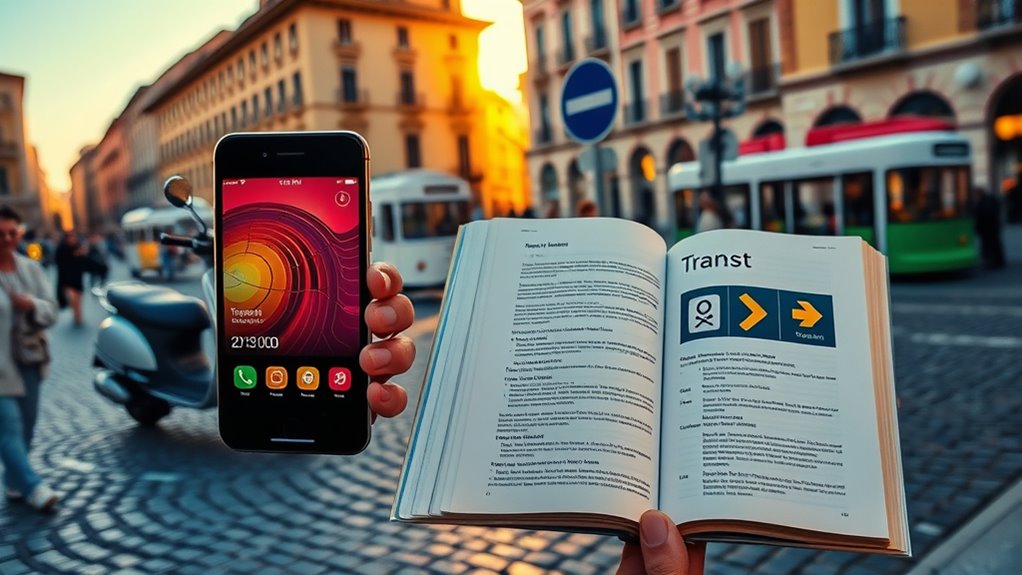
Transportation options in Italy offer a range of affordable and convenient ways to get around cities like Rome and Milan. Public transit systems, including buses, trams, and metro lines, are reliable and budget-friendly. A monthly transit pass typically costs around €35 in Rome and €39 in Milan, providing unlimited travel within city zones. If you’re planning longer stays or frequent travel, these passes save you money compared to individual tickets. Biking is also a popular, low-cost alternative, especially in bike-friendly cities. For occasional trips outside urban centers, regional trains and car rentals are available, but they tend to be more expensive. Overall, choosing a monthly pass can markedly reduce daily transportation costs while offering flexibility and ease of access.
Entertainment and Leisure Spending
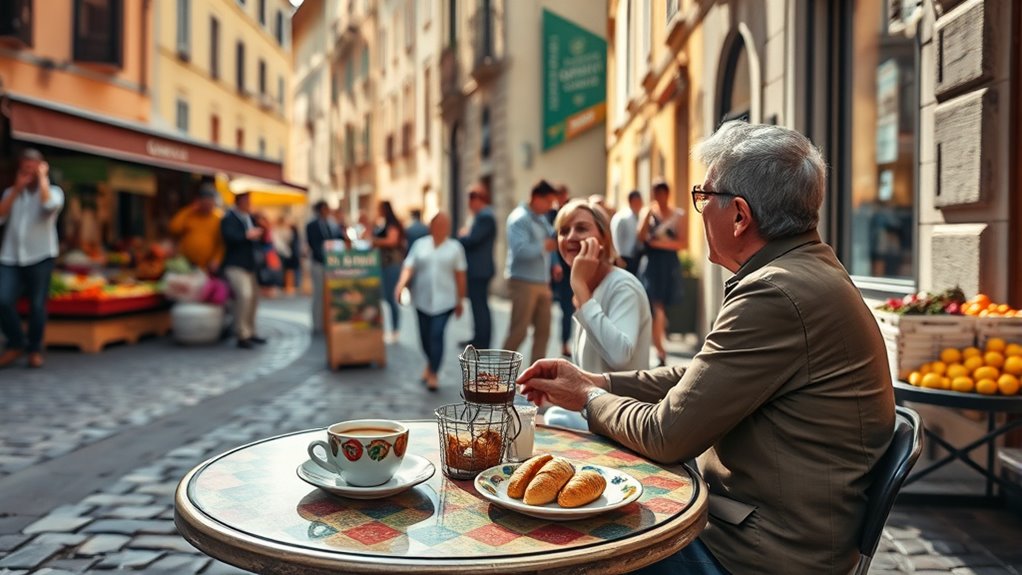
Entertainment and leisure costs in Italy can add up quickly, with a cinema ticket costing around €9 and a gym membership about €49 per month. Dining out at an inexpensive restaurant typically costs €15 per meal, while miscellaneous activities for couples can reach €630 monthly. Knowing these expenses helps you plan your budget so you enjoy leisure time without overspending.
Cinema and Movie Costs
Catching a movie in Italy is quite affordable, with ticket prices typically around €9 in cinemas across major cities like Rome and Milan. You can enjoy the latest films without breaking the bank. If you prefer a more budget-friendly option, some cinemas offer discounts for students or matinee showings. Concessions, such as popcorn and drinks, are reasonably priced, usually around €4-€6. Going to the movies remains a popular leisure activity, especially on weekends or date nights. If you’re a frequent movie-goer, consider a subscription or loyalty card, which can cut costs over time. Overall, watching a film in Italy is an inexpensive way to enjoy entertainment and take a break from sightseeing or exploring.
Gym Membership Expenses
After enjoying affordable movie tickets and concessions, many people in Italy invest in gym memberships to stay active. A typical gym costs around €49 monthly, offering access to equipment, classes, and facilities that help you maintain your fitness routine. If you prefer outdoor activities, free options like jogging in parks are available, but gyms provide a structured environment and varied workout options. Remember, gym memberships are an ongoing expense, so factor this into your monthly budget. While some gyms may offer discounts or annual plans, expect to pay roughly €50 per month in most Italian cities. This expense adds value for those prioritizing health and fitness, fitting seamlessly into a balanced entertainment and leisure budget.
Dining Out and Entertainment
Wondering how to enjoy Italy’s vibrant social scene without breaking the bank? You can still have fun without overspending. Keep these tips in mind:
- Opt for inexpensive restaurants, where a meal costs around €15, instead of splurging on fine dining.
- Take advantage of local cinemas, with tickets around €9, for a relaxed night out.
- Join a gym for about €49 monthly, combining fitness with social opportunities.
Balancing entertainment costs helps you enjoy Italy’s lively atmosphere without straining your budget. For instance, a couple might spend around $630 monthly on miscellaneous activities, while a single person typically allocates about $330. By choosing affordable options and planning ahead, you’ll enjoy Italy’s cultural and social scene without overspending.
Budgeting for a Single Person Living Alone
Living alone in Italy requires careful budgeting to cover essentials without overspending. Your monthly expenses will include rent, food, utilities, transportation, and entertainment. If you live in a city like Rome, expect to pay around €1,100 for a one-bedroom apartment in the city center. Groceries will likely cost between €250 and €300, while utilities—covering water, gas, electricity, and internet—total approximately €225. A monthly public transportation pass costs about €35 in Rome. For entertainment, budgeting around €50–€70 for activities like movies or gym memberships is reasonable. Overall, your total monthly expenses, including rent, food, utilities, and entertainment, will hover around €1,400 to €1,600. Planning ahead guarantees you enjoy Italy without financial stress.
Expenses for Couples and Small Households

For couples and small households in Italy, budgeting becomes more complex but also more manageable with shared expenses. You can split costs like rent, utilities, and groceries, reducing individual burdens. Typically, a couple in Rieti spends around €869 monthly on housing, while utility bills average about $804 for all-inclusive services. Food costs for two are approximately €500 monthly, and transportation usually requires a combined budget of around €70 for monthly passes.
- Shared rent and utilities reduce individual expenses
- Groceries and dining out can be divided easily
- Entertainment costs vary but tend to be more economical per person
Comparing Costs in Rieti and Larger Urban Centers
Compared to Rieti, larger Italian cities like Rome and Milan have markedly higher living costs, especially in housing and transportation. In Rome, a one-bedroom apartment in the city center costs around €1,100 monthly, while in Milan, it rises to about €1,370. Housing prices are considerably lower in Rieti, at approximately €600 for a single person’s rental. Transportation expenses also increase in bigger cities; monthly passes are around €35 in Rome and €39 in Milan, compared to minimal costs in Rieti. Food costs tend to be similar but slightly higher in larger cities due to dining out and grocery prices. Overall, your monthly expenses in Rome and Milan can easily double or triple those in Rieti, impacting your budgeting strategy profoundly.
Planning for Unexpected Expenses
When planning your budget for Italy, it’s important to account for unexpected expenses that can suddenly arise and disrupt your financial stability. Unexpected costs might include medical emergencies, travel disruptions, or urgent home repairs. To prepare, set aside a contingency fund covering at least 10-15% of your total budget. This safety net can help you handle unforeseen expenses without stress. Consider these common unexpected costs:
- Emergency medical bills or prescriptions
- Last-minute travel changes or cancellations
- Unexpected home or vehicle repairs
Having this buffer ensures you won’t need to scramble for funds when surprises happen. Regularly review and adjust your budget as needed, so you’re always prepared for the unexpected and can enjoy your time in Italy worry-free.
Building a Realistic Monthly Budget for Italy

Creating a realistic monthly budget for Italy requires understanding your essential expenses and setting aside funds for both predictable costs and potential surprises. Start by listing your main categories: accommodation, food, utilities, transportation, and entertainment. Use the table below to estimate costs based on your situation:
| Category | Estimated Monthly Cost | Notes |
|---|---|---|
| Accommodation | €1,100 – €1,370 | City center rentals |
| Food | €250 – €525 | Groceries & dining out |
| Utilities | €198 – €540 | Utilities & internet |
Adjust figures for your lifestyle, adding a buffer for unexpected expenses. This approach keeps your budget realistic and manageable.
Frequently Asked Questions
How Do Seasonal Changes Affect Living Costs in Italy?
Seasonal changes in Italy can impact your living costs by increasing utility bills during colder months due to higher heating needs. You might also spend more on warm clothing and holiday travel. Conversely, in summer, cooling costs and outdoor activity expenses rise. You’ll notice fluctuations in entertainment and dining costs, depending on the season’s events and tourism peaks, so plan your budget accordingly to cover these variations.
Are There Affordable Healthcare Options for Expats in Italy?
Yes, you can find affordable healthcare options in Italy. As an expat, you might opt for a public healthcare plan through the Servizio Sanitario Nazionale (SSN), which offers quality coverage at low costs, especially if you’re a resident. Alternatively, private insurance plans are available for more extensive or quicker services, often at reasonable rates, giving you flexibility based on your needs and budget.
What Unexpected Expenses Should I Plan for While Living in Italy?
Unexpected expenses in Italy can hit you like a brick wall, so plan ahead. You might face higher healthcare costs if you’re not covered, or surprise home repairs and maintenance. Transportation upgrades, sudden hikes in utilities, or medical emergencies can also drain your budget. Keep a cushion of at least 10-15% of your monthly expenses to weather these surprises comfortably and avoid financial stress while enjoying your time abroad.
How Does Cost Variation Differ Between Rural and Urban Areas?
You’ll find that rural areas in Italy generally cost less than cities, with lower rent, utilities, and entertainment expenses. In contrast, urban centers like Rome or Milan have higher housing prices, transportation costs, and dining options. You might spend about 30-50% less in rural areas, making them more affordable for long-term stays. Be prepared for some variation, especially if you choose smaller towns or countryside locations.
Can Budgeting Tips Help Reduce Monthly Living Expenses in Italy?
Did you know that smart budgeting can cut your monthly expenses by up to 30%? You can save by sharing accommodation, cooking at home instead of eating out, and using public transport. Prioritize essential spending, set a monthly limit, and look for free or low-cost entertainment options. These tips help you enjoy Italy without breaking the bank, making your stay more affordable and enjoyable.
Conclusion
By understanding the costs of rent, food, utilities, transportation, and entertainment, you can create a budget that’s both realistic and flexible. By planning for unexpected expenses, you prepare for surprises. By comparing cities, you find your perfect fit. By balancing essentials and leisure, you craft a life that’s affordable, enjoyable, and sustainable. Ultimately, a well-planned budget empowers you to live comfortably, explore confidently, and embrace Italy’s beauty without financial worry.
Fall Picks
fall essentials
As an affiliate, we earn on qualifying purchases.