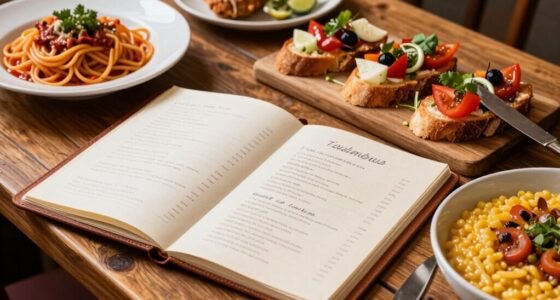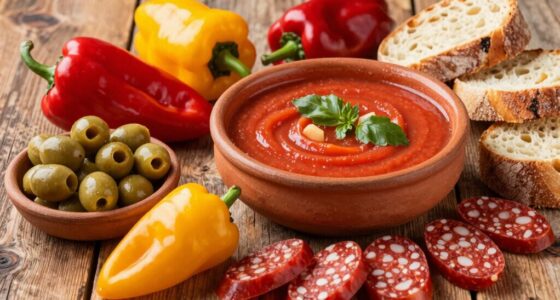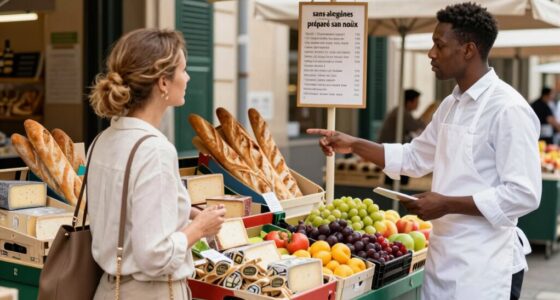
To navigate tapas etiquette in Spain smoothly, visit during peak hours like early or late evenings when the atmosphere is lively and food is fresh. When ordering, point to displayed pintxos or specify whether you want smaller tapas or larger raciones. Engage politely with staff, clarify your choices, and share dishes fairly among your group. Paying attention to local customs and observing how locals interact can make your experience more authentic—continue to explore for more helpful tips.
Key Takeaways
- Visit during peak hours (1:30–3 pm or 8:30–10:30 pm) for fresher food and lively atmospheres.
- Learn to identify pintxos, raciones, and tapas to order appropriately and understand serving styles.
- Start by ordering drinks, then point to displayed dishes or pintxos, clarifying portion sizes with staff if needed.
- Use polite gestures and eye contact to indicate choices; observe local customs for bar interactions.
- Share small portions fairly, balance meat and fish, and ask for the bill (“la cuenta”) when ready to settle.
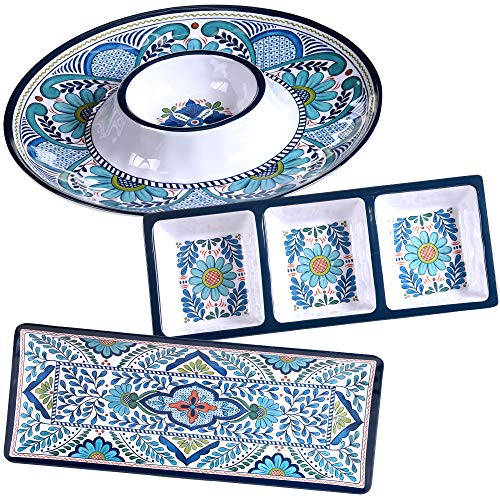
Talavera 3-Piece Melamine Hostess Serveware Set – Chip & Dip Server, 3-Section Relish Tray, and 19" Rectangular Platter – Colorful Southwest Serving Set for Entertaining & Outdoor Dining
Vibrant Coordinated Designs: Featuring bold florals and ornamental patterns in rich Mediterranean colors, this 3-piece set instantly elevates…
As an affiliate, we earn on qualifying purchases.
As an affiliate, we earn on qualifying purchases.
Knowing When to Visit for the Best Experience

To enjoy the best tapas experience in Spain, timing is key. You’ll want to visit during the popular hours of 1:30 to 3 pm or between 8:30 and 10:30 pm, when locals gather for relaxed, lively atmospheres. Arriving during off-hours means fewer crowds and less fresh food. Quedamos para picar algo? is a common way to ask friends if they want to grab a quick snack, not a full meal. Day drinking is also common, so you can enjoy tapas with a drink anytime after late morning. Avoid early mornings or late at night when bars are quiet, as this might limit your options. By timing your visits right, you get fresher food, a vibrant scene, and an authentic experience. Understanding peak hours can help you plan your visit for the best atmosphere and selection. Additionally, choosing optimal visiting times ensures access to the freshest ingredients and most lively settings, enhancing your overall experience. Being aware of local dining customs can also improve your enjoyment and help you blend in with the locals. Knowing when to visit can also prevent equipment issues, such as arriving when the kitchen is overwhelmed, which might affect the quality of your tapas. Planning ahead and understanding dining patterns can make your tapas experience more enjoyable and stress-free.

Nagao Pintxos Pick Hors D'oeuvres Pin Square Rod, Set of 6, Gold, Made in Japan
Size: Total length approx. 3.1 inches (80 mm) x pin diameter 0.08
As an affiliate, we earn on qualifying purchases.
As an affiliate, we earn on qualifying purchases.
Distinguishing Between Different Types of Tapas

Understanding the different types of tapas will enhance your experience at Spanish bars. Pintxos are small snacks displayed under glass and skewered with cocktail sticks—these help staff keep track of your order. Raciones are larger plates meant for sharing, often listed on boards or menus, like patatas bravas or calamari. Tapas, in general, are small bites that can be free with drinks or ordered separately, such as olives or cheese. Pinchos are bite-sized pieces on bread, priced by colored picks. In regions like Madrid, half raciones offer smaller portions for variety without overordering. Recognizing these distinctions helps you select the right dishes for your group, whether you’re after quick bites or communal sharing. Being familiar with these types ensures a smoother, more enjoyable tapas experience. Understanding portion sizes can also help you manage your order and avoid confusion when selecting dishes. Additionally, knowing the different tapas styles can guide you in choosing authentic options that suit your preferences. Learning about these tapas classifications will make your dining experience more authentic and enjoyable. Exploring the varying presentation methods used for different tapas can further enhance your appreciation of Spanish culinary traditions.

Eisinly Dipping Bowls, Soy Sauce Dish Ceramic, 3 OZ Small Serving Bowls for Side Dishes Vintage Blue Stylish Design, Set of 6 Mini Appetizer Plates for Condiment Sushi Ketchup BBQ Party, 4 Inch
HIGH-END PORCELAIN: Made of food-grade premium ceramic, non-toxic and harmless, unlike plastic or wooden bowls, porcelain is safer,…
As an affiliate, we earn on qualifying purchases.
As an affiliate, we earn on qualifying purchases.
How to Order Drinks and Tapas Properly
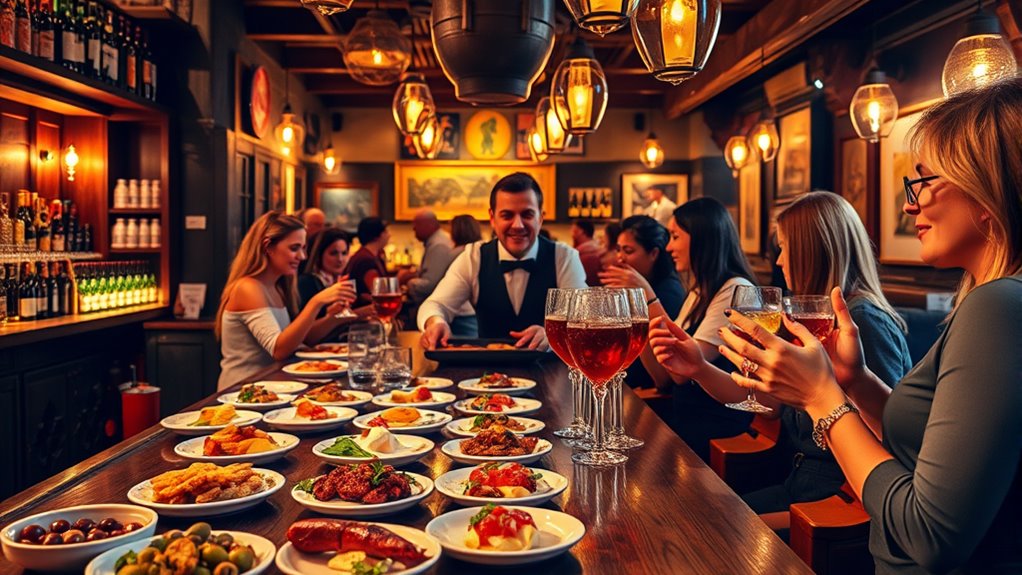
Start by ordering your drink before choosing your tapas, giving you time to contemplate regional wines or beers. When ready, point to the displayed bar items or pintxos, or ask staff for recommendations. Make sure to clarify whether the tapas are served as small bites, raciones, or pinchos to match your sharing style. Additionally, understanding cookie categories can enhance your online browsing experience when researching local eateries or reviews. Being familiar with European cloud servers can also help you access reliable information about regional dining options and reviews more efficiently. Recognizing service styles, such as tapas bars or sit-down restaurants, can further improve your dining experience by matching your expectations with the establishment’s offerings. Exploring the variety of dishes available can help you make more informed choices and enjoy a more authentic experience. Knowing about essential oils with their various healing properties can also be useful if you are exploring local markets or wellness spots in Spain.
Order Drinks First
Have you ever wondered why ordering drinks first is the best way to enjoy tapas in Spain? It helps you settle in, review options, and set the mood. When you arrive, ask for your preferred beverage—be it a regional wine, beer, or soft drink—before ordering tapas. This way, you can match drinks with suitable bites and avoid rushing. Some bars display pintxos or other items, so pointing or asking is common. To appear sophisticated, use this table to understand the typical drink and tapa pairings:
| Drink Type | Recommended Tapas |
|---|---|
| Wine | Patatas bravas, cheese, ham |
| Beer | Croquettes, seafood, chorizo |
| Soft Drinks | Salads, lighter pinchos |
Ordering drinks first enhances your tapas experience, making it relaxed and enjoyable.
Point to Bar Items
Once you’ve ordered your drink, the next step is to select your tapas by pointing to bar items or displayed dishes. Look for pintxos under glass, skewered with colorful cocktail sticks, which indicate pricing and help with counting. If there’s no menu, simply point to the items you want. Don’t hesitate to ask staff for details about unfamiliar dishes or to clarify ingredients. In busy bars, you might need to squeeze in or wait for a space at the bar. Use your eyes and gestures to communicate, making eye contact and nodding to confirm your choices. Remember, pointing is polite and efficient, helping you order quickly while respecting local customs. Understanding local dining customs can also help you navigate ordering at the bar more confidently. Being aware of local dining etiquette can make your experience more enjoyable. This simple step ensures a smooth and enjoyable tapas experience.
Clarify Serving Styles
When ordering drinks and tapas in Spain, it’s important to follow the local serving customs to guarantee a smooth experience. First, clarify the style of serving to avoid confusion—know the difference between pintxos, raciones, and tapas. Pintxos are displayed under glass and skewered for easy counting, while raciones are larger, shared plates from the kitchen. Tapas are smaller bites, often free with drinks or priced separately. When ordering, specify what you want, pointing to display cases or indicating portion sizes. In some bars, staff may serve circulating plates, so clarify if you prefer to choose from the display or order from the menu. Understanding these styles helps you navigate the bar confidently and enjoy your experience without mix-ups. Additionally, familiarizing yourself with serving styles can enhance your confidence and ensure you receive exactly what you expect. Recognizing these distinctions can also help you connect more authentically with local customs and foster positive interactions with staff and fellow patrons. Being aware of cultural norms related to ordering can prevent misunderstandings and improve your overall experience. Moreover, paying attention to the appropriate table manners can further enrich your social interactions in Spanish bars and restaurants. Being mindful of local etiquette can also demonstrate respect and deepen your appreciation of Spanish dining traditions.

Greencian 96 Pcs Spain Flag Party Decorations Disposable Spanish Flag Paper Plates and Napkins Spanish National Day Tableware Set for Country Decoration Patriotic Festival Party Supplies, Serves 24
Party Supplies: Package contains 24 x 9" Spain flag paper plates, 24 x 7" Spanish party decorations, 24…
As an affiliate, we earn on qualifying purchases.
As an affiliate, we earn on qualifying purchases.
Tips for Sharing and Sampling a Variety of Dishes
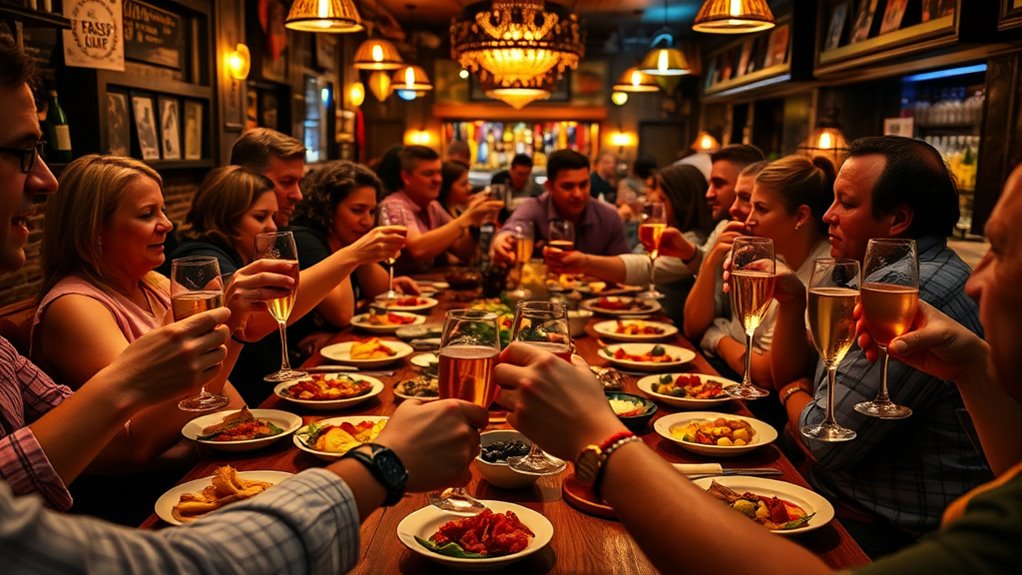
When sharing tapas, aim to balance meat and fish dishes so everyone gets a variety of flavors. Mix textures and tastes to keep things interesting and guarantee everyone finds something they enjoy. Be fair when dividing the plates, so all guests have a chance to sample different options. Incorporating connected equipment like sharing serving trays or digital ordering apps can enhance the experience and streamline the process.
Balance Meat and Fish
Balancing meat and fish dishes is key to enjoying a well-rounded tapas experience in Spain. When sharing, aim for a mix of both to satisfy different tastes and keep the platter interesting. Start with lighter options like fish or seafood, then add heartier meat dishes to create variety. Consider the preferences of your group—some might prefer vegetarian or salad-based tapas, which can balance richer options. Don’t overload on just one type; instead, order a selection of pintxos and raciones that include both meat and fish. This way, everyone gets to sample a range of flavors without feeling overwhelmed. Remember, the goal is variety and enjoyment, so be flexible and encourage sharing to make the most of your tapas adventure. Incorporating a diversity of food options ensures a more satisfying and authentic experience for all. Additionally, understanding common tapas etiquette can help facilitate smoother sharing and ordering among friends and fellow diners. Being aware of local dining customs can also enhance your overall experience and help you connect more authentically with the culture.
Mix Textures and Flavors
To truly enjoy your tapas experience, focus on mixing different textures and flavors across your selections. Aim for a variety of bites—crisp, creamy, juicy, and savory—to create a balanced tasting. Combine tender fried croquettes with firm cured meats or fresh seafood. Include a mix of salty, spicy, and tangy flavors to excite your palate. Sampling a range of dishes encourages sharing and makes the meal more engaging. Don’t hesitate to try something unfamiliar or a bit wild—a splash of wild card adds excitement. When ordering, select small portions of different items, like patatas bravas, garlic prawns, or a veggie salad, to ensure variety. This approach guarantees a richer, more satisfying experience and helps everyone at the table enjoy a broader spectrum of flavors and textures.
Share Equitably and Fairly
Sharing a variety of tapas makes certain everyone gets to enjoy different flavors and textures without anyone feeling left out. To do this fairly, estimate one pintxo and one ración per person, plus some bread to share. Mix your choices: include meat, fish, salad, and a wildcard to keep things interesting. Remember, raciones are meant for communal sharing, not individual plates. When ordering, coordinate with your group—one person should relay requests to the staff to avoid confusion. Be mindful of portion sizes and how much each person is eating. If someone’s full, consider saving some dishes for later or sharing smaller portions. This way, everyone gets a taste, and the experience stays fun and balanced.
Understanding the Payment Process and Tipping Etiquette

When it’s time to settle the bill after enjoying tapas in Spain, you should request “la cuenta, por favor” to signal you’re ready to pay. Once the staff brings the bill, here’s what to do:
- Check the items: Confirm that all drinks and tapas are included and accurately listed.
- Understand the charges: Staff may count cocktail sticks or toothpicks, or use colored picks to determine prices.
- Tip appropriately: Rounding up the bill is common if you’re satisfied. Tipping isn’t obligatory but appreciated for good service.
If you’re sharing a bill, clarify before paying. Standing at the bar often costs less than sitting, which may include a service charge. Being clear and polite guarantees smooth payment.
Navigating the Bar and Finding the Best Spots
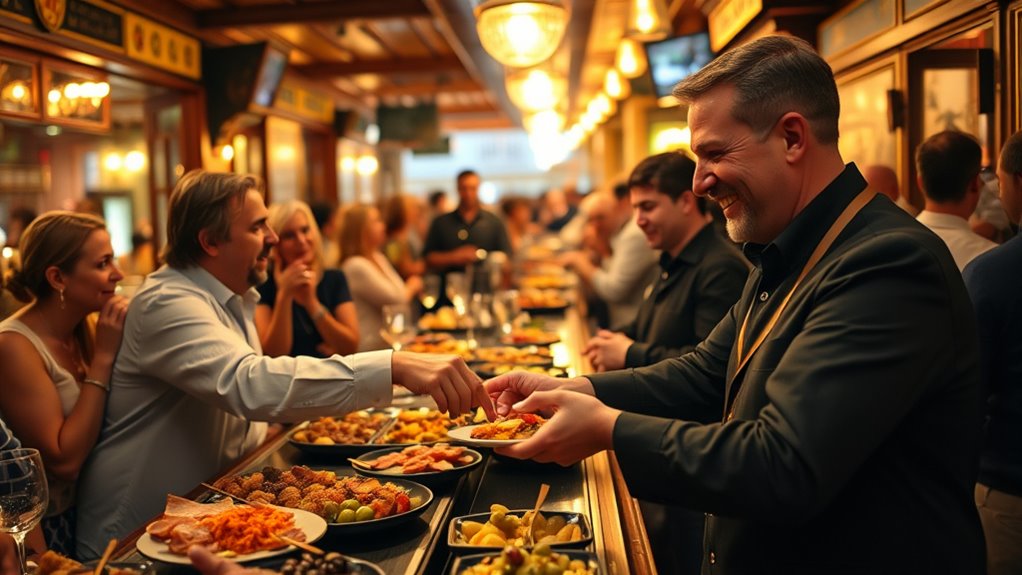
Finding your way through the bar in Spain involves paying close attention to local customs and observing how locals establish their space. Watch how they position themselves and move around, which helps you navigate crowded spots smoothly. To claim your space, gently squeeze in or wait for someone to leave. When the bar is busy, try to secure a spot by placing your hand or standing near an available area. In some places, locals serve themselves from circulating plates, so keep an eye out for opportunities. If you see a preferred spot, step in confidently but politely. Remember, standing at the bar is usually cheaper than sitting down, which often comes with an extra charge. Moving between bars is common as you find the best places to enjoy your tapas and drinks.
Interpreting Menu Items and Displayed Pintxos
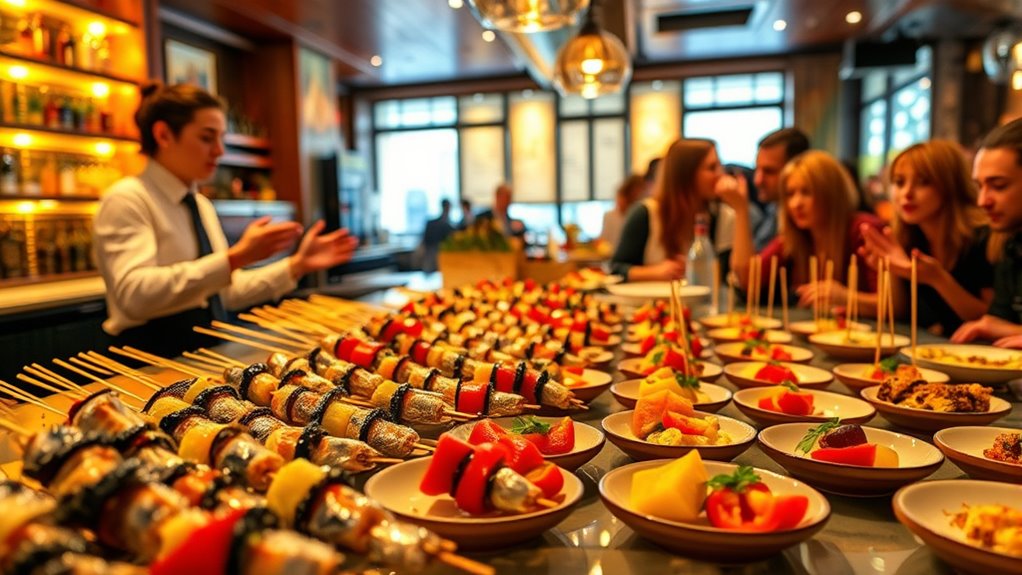
Finding the menu and displayed pintxos in Spain is straightforward once you understand the visual cues. Pintxos are showcased behind glass, with each item usually skewered by a cocktail stick. To interpret them:
- Look at the presentation: Colorful, neatly arranged pintxos indicate popular or fresh options, often with regional ingredients.
- Check the picks: Different colored sticks or toothpicks often denote prices or categories, helping you gauge cost.
- Read the menu or ask: If a menu is available, it’ll describe ingredients. If not, point to what looks appealing and ask about it.
Engaging With Staff and Bar Culture
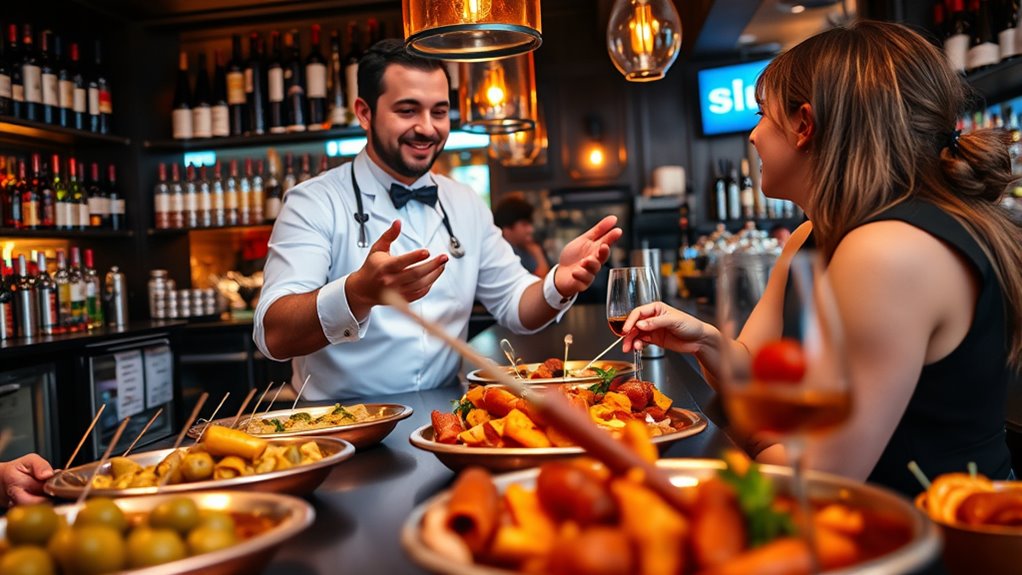
Engaging with staff and bar culture in Spain requires a friendly attitude and some local awareness. When you approach the bar, greet staff with a warm “Hola” or “Buenos días,” and make eye contact. Point to the pintxos or drinks you want, or ask for recommendations if you’re unsure. It’s common to order drinks first, then select your tapas or pinchos. If you’re in a group, designate someone to communicate all orders. Staff appreciate politeness, so say “por favor” and “gracias.” When paying, catch their eye and ask “la cuenta, por favor.” Tipping is optional but appreciated; rounding up the bill shows good manners. Respect their rhythm—Spanish bars often have a lively, social atmosphere, so relax and enjoy the interaction.
Tips for Moving Seamlessly Between Different Bars

Moving smoothly between different bars in Spain enhances your tapas experience and helps you enjoy the lively local scene. To do this seamlessly, keep these tips in mind:
- Observe local habits: Notice how locals move from bar to bar, whether they linger or quickly order and leave. Adapt your pace accordingly.
- Manage your group: Assign one person to handle ordering and payments, making *progression* faster and more organized.
- Look for cues: When a bar gets crowded or seats open up, settle in or quickly move on, respecting locals’ space.
Frequently Asked Questions
Can I Order Multiple Types of Tapas at Once?
Yes, you can order multiple types of tapas at once. When you’re at the bar or table, just point to or ask for the different options you want. It’s common to mix and match, especially if sharing with friends. You might order a few pintxos, some raciones, and maybe a few tapas. Remember to order drinks first, then specify your selections to the staff, and enjoy your variety of flavors.
Is It Customary to Share Food or Order Individually?
You should definitely share food when ordering tapas in Spain. Tapas are meant for group sharing, so order a variety of pintxos and raciones for everyone to try. Usually, you’ll estimate one or two per person, plus bread, and enjoy a mix of meat, fish, and veggie options. This communal approach makes the experience more authentic and social, so don’t order individually—embrace the shared dining tradition.
How Do I Know the Price of a Pintxo or Tapa?
Wondering how to find the price of a pintxo or tapa? Pay close attention to the tiny details—colored picks on pintxos reveal their cost, while toothpick thickness often indicates price tiers in some bars. If there’s no menu, simply ask the staff or observe how locals pay by counting the sticks or picks. Keep your eyes peeled; these small clues tell you exactly what you’ll owe, avoiding surprises at the end.
Are There Any Specific Rules for Tipping at Bars?
You can tip at bars by rounding up your bill or leaving a small amount if you’re satisfied. Tipping is optional but appreciated, especially if you received good service. In some places, locals leave a euro or two, while others may not tip at all. If you’re unsure, observe what others do or ask your server politely. Remember, tipping is a gesture of appreciation, not an obligation.
Can I Sit at the Bar or Is Standing Preferred?
Think of the bar as a lively dance floor. You’re free to sit or stand, but locals often prefer standing, making it easier to mingle and order more. Sitting comes with a small extra charge and a cozy vibe, perfect if you want to settle in. If the bar’s crowded, claim your space confidently by leaning or placing your hand. Either way, enjoy the rhythm of Spanish tapas culture.
Conclusion
Mastering tapas etiquette takes patience, practice, and a bit of palate exploration. By being polite, perceptive, and prepared, you’ll seamlessly savor Spain’s sensational social scene. Remember, respectful interactions and relaxed routines transform dining into a delightful dance. So, step with confidence, savor the subtle nuances, and let the lively, lovely local culture lead you toward a more meaningful, memorable meal. Embrace the experience, and your tapas tour will truly transcend expectations.