
Beyond pastéis de nata, Portugal offers a rich variety of flavors to explore. You can enjoy fresh seafood dishes like caldeirada, arroz de marisco, and grilled octopus, or try hearty regional meats such as cozido and porco alentejano. Don’t forget to sample traditional breads, artisanal cheeses, and hidden gems like carapauzinhos com arroz de tomate. Satisfy your sweet tooth with queijadas and regional cheeses that showcase Portugal’s diverse culinary heritage—if you keep exploring, you’ll discover even more delightful tastes.

Get travel and outdoor gear delivered free — and shop member deals
- Fast, free delivery on millions of items
- Access to Prime Big Deal Days deals on October 6–7
- Prime Video, Amazon Music and more included
Key Takeaways
- Explore Portugal’s fresh seafood dishes like Caldeirada, Arroz de Marisco, and Polvo à lagareiro for maritime flavors.
- Try regional meat specialties such as Cozido à Portuguesa, Porco Alentejano, and Cabrito from Coimbra.
- Sample traditional breads like broa and regional carbohydrate staples, plus lesser-known dishes like Carapauzinhos com arroz de tomate.
- Discover artisanal cheeses from sheep, goat, and cow milk, including Queijo Serra da Estrela and São Jorge.
- Indulge in regional sweets and dairy products, such as Queijadas Dona Amélia and homemade yogurts.
As an affiliate, we earn on qualifying purchases.
Classic Seafood Stews to Savor

Portuguese seafood stews are a true reflection of the country’s rich coastal tradition, offering hearty and flavorful dishes you can’t miss. Caldeirada is a classic, combining various fish with potatoes, onions, and peppers, creating a comforting, aromatic bowl. You’ll also find Arroz de Marisco, a vibrant seafood rice cooked with shrimp, clams, mussels, and saffron, delivering a rich, fragrant taste. Cataplana de marisco stands out with its unique copper cookware, blending clams, prawns, and fish in a savory broth with garlic and white wine. Bolinhos de bacalhau are popular snacks, deep-fried cod and potato croquettes served warm. These dishes showcase Portugal’s mastery of seafood, highlighting fresh ingredients and bold flavors that define the coastal culinary heritage. Exploring traditional cooking techniques can further enrich your appreciation of these classic recipes, especially since mastering cooking methods often involves understanding the use of fresh ingredients and precise timing. Incorporating culinary traditions into your cooking can help you recreate authentic flavors and elevate your home dining experience. To enhance your experience, learning about smartphone accessories can help you share these delicious dishes with friends or document your culinary adventures.
Portuguese cheese board with regional cheeses
As an affiliate, we earn on qualifying purchases.
As an affiliate, we earn on qualifying purchases.
Traditional Meat Dishes You Must Taste

If you want to experience authentic Portuguese flavors, you should start with the country’s traditional meat dishes, which showcase bold spices and hearty ingredients. These dishes reflect regional influences and time-honored cooking techniques. For example, Cozido à Portuguesa combines various meats, sausages, and vegetables in a single pot, while Porco Alentejano features baked pork with clams. To understand their diversity, consider this table:
| Dish | Main Ingredients | Flavor Profile |
|---|---|---|
| Bifanas | Pork, garlic, paprika, wine | Savory, slightly spicy |
| Cozido à Portuguesa | Meats, sausages, vegetables | Rich, hearty, smoky |
| Porco Alentejano | Pork, potatoes, clams | Savory, briny, flavorful |
These dishes are essential for a true taste of Portugal’s meaty traditions. Exploring traditional cooking techniques can deepen your appreciation for these flavorful dishes. Additionally, understanding culinary regional influences helps to appreciate the diversity of Portuguese meat cuisine.
As an affiliate, we earn on qualifying purchases.
Popular Shellfish and Clam Recipes

Have you ever tasted the vibrant flavors of Portugal’s shellfish and clam dishes? If not, you’re missing out on some truly iconic coastal specialties. Amêijoas à Bulhão Pato is a must-try; it features fresh clams quickly cooked with garlic, olive oil, white wine, and coriander, served as a flavorful appetizer. For seafood lovers, Polvo à lagareiro presents tender octopus roasted in olive oil, highlighting simple yet bold tastes. Goose barnacles, or percebes, are a regional delicacy prized for their salty, briny flavor—best enjoyed fresh from the coast. Other popular options include choco frito, crispy fried cuttlefish, and various cataplana dishes that combine clams, fish, and seafood in a unique copper vessel. These recipes exemplify Portugal’s love for fresh, straightforward seafood preparations. Additionally, Portugal’s rich maritime heritage influences the traditional seafood cuisine, emphasizing freshness and simplicity in preparation. Incorporating local ingredients is essential to achieving authentic flavors in these dishes. Understanding cooking methods is key to bringing out the best in each ingredient, especially when considering the importance of attention to detail in perfecting seafood dishes. Embracing culinary techniques can further enhance the authentic taste experience of Portuguese seafood.
As an affiliate, we earn on qualifying purchases.
Portuguese Breads and Carbohydrate Staples
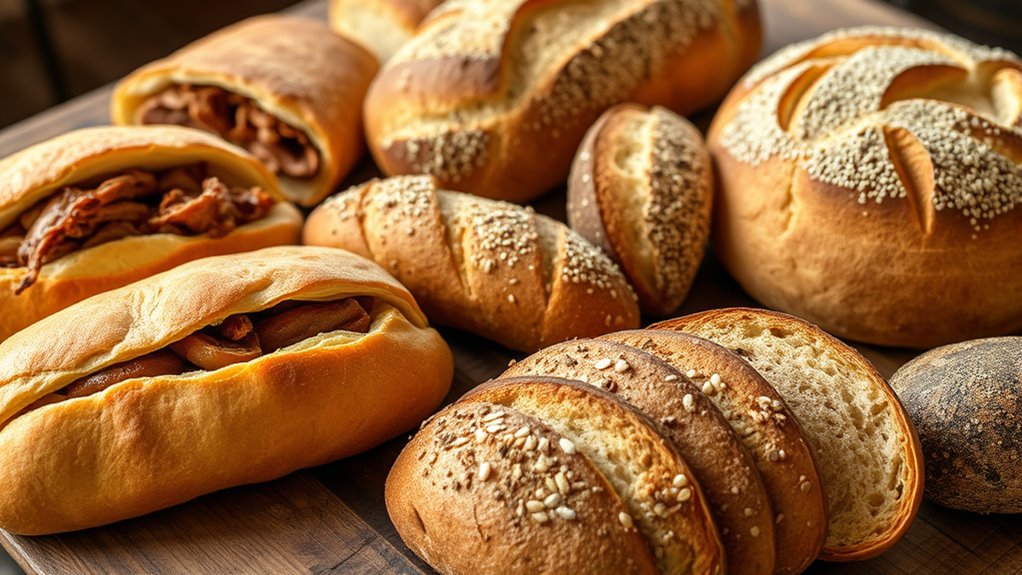
Portuguese breads and carbohydrate staples play a key role in everyday meals across the country. You’ll find traditional corn bread, like broa, pairing perfectly with seafood or grilled vegetables. Regional variations influence the types and preparations of breads, reflecting local tastes and ingredients. These bread traditions are deeply rooted in Portugal’s culinary history, showcasing regional bread varieties that highlight local ingredients and baking techniques.
Traditional Corn Bread
Brazilian corn bread, or broa, stands out as a beloved staple in Portuguese cuisine. Made with cornmeal and sometimes rye flour, it offers a hearty, slightly sweet flavor with a dense, moist crumb. Traditionally baked in wood-fired ovens, broa has a crunchy crust and a rich aroma that invites you to enjoy it plain or alongside meals. You’ll often find it served as a base for fresh sardines, grilled peppers, or even topped with cured meats. Its versatility makes it a perfect accompaniment to many dishes. When you bite into broa, you experience a rustic, authentic taste rooted in Portugal’s rural bread-making traditions. This bread’s robust texture and flavor make it an essential carbohydrate staple beyond the more famous pastries. This traditional bread showcases the importance of regional baking techniques in Portugal’s culinary heritage.
Bread and Seafood Pairings
Ever wonder how to best enjoy Portugal’s rich seafood dishes? The key is pairing them with the right bread or carbohydrate. For hearty fish stews like caldeirada, opt for crusty baguettes to soak up the flavorful broth. Baked cod topped with broa breadcrumbs benefits from slices of traditional Portuguese corn bread, adding a smoky crunch. When enjoying seafood rice dishes like arroz de marisco or arroz de tomate, serve with fluffy, longer-grain rice to complement the moist, saucy texture. For fried small fish such as carapauzinhos or small horse mackerel, simple white bread or rustic rolls provide a perfect vehicle for scooping. These pairings enhance the seafood’s flavors while balancing textures, making your meal authentically Portuguese. Additionally, understanding field‑of‑view and imaging‑scale examples can inspire creative ways to document your culinary adventures.
Regional Variations in Breads
| Region | Typical Bread |
|---|---|
| North | Pão de milho (cornbread) |
| Central Portugal | Broa (corn-rye bread) |
| South/Algarve | Folar (festive sweet bread) |
| Madeira/Azores | Bolo do Caco (sweet potato bread) |
| All regions feature local flavors that highlight regional ingredients, making each variety unique to its area. Additionally, these breads reflect the culinary traditions passed down through generations, showcasing Portugal’s rich baking heritage. Incorporating traditional baking techniques further enhances the authenticity of these regional breads.
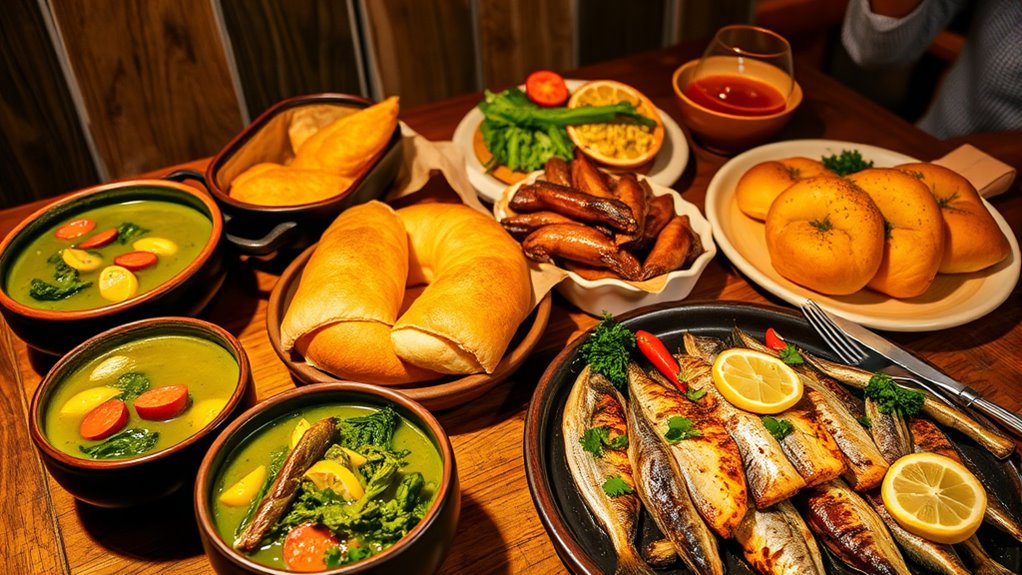
Have you ever explored Portugal’s lesser-known culinary treasures? These hidden gems reveal authentic flavors beyond the popular dishes. You’ll discover unique tastes and textures that showcase regional pride and culinary history. Here are four lesser-known traditional dishes to try:
- Carapauzinhos com arroz de tomate – Fried small horse mackerel served with tomato rice, offering a flavorful, crispy bite.
- Bacalhau à casa – Battered fried cod paired with thin potato discs and onion sauce, a comforting, savory dish.
- Turbot – A prized, fresh fish prepared simply to highlight its delicate flavor and firm texture.
- Cabrito – Roasted kid goat from Coimbra, known for its tender meat and rich taste. Embrace these dishes for a deeper taste of Portugal’s culinary soul.
Regional pride is often reflected in these lesser-known dishes, showcasing the country’s rich culinary diversity.
Artisanal Cheeses and Dairy Delights

You’ll find a variety of traditional Portuguese cheeses, made from cow, goat, and sheep milk, each with distinct flavors and textures. Unique sweets like queijadas and pastéis de nata highlight local dairy craftsmanship and culinary creativity. By exploring regional production techniques, you’ll gain a deeper appreciation for how Portugal’s dairy delights reflect its rich cultural heritage. Additionally, artisanal cheese varieties showcase Portugal’s dedication to preserving traditional methods and regional identities, often utilizing local ingredients that enhance their unique characteristics. These cheeses are often crafted using age-old methods that emphasize authenticity and regional identity, ensuring each product carries a piece of Portugal’s cultural legacy. Exploring how traditional dairy techniques are maintained helps preserve the authenticity and uniqueness of these regional cheeses.
Traditional Cheese Varieties
Did you know that Portugal’s artisanal cheeses reflect a rich tapestry of regional traditions and diverse dairy practices? These cheeses showcase local landscapes, climate, and historical influences. You’ll find a variety of flavors and textures, from soft and mild to sharp and aged. Here are four key types to explore:
- Queijo Serra da Estrela – A creamy, buttery cheese made from sheep’s milk, often enjoyed with bread or honey.
- Queijo São Jorge – A semi-hard cheese from the Azores, with a smoky flavor and firm texture.
- Queijo Rabaçal – A cow’s milk cheese from the Douro region, aged with a slightly tangy profile.
- Queijo de Nisa – A sheep’s milk cheese with a strong aroma and complex taste, often served in slices.
An understanding of dairy practices can deepen your appreciation for these cheeses and their unique regional characteristics.
Unique Portuguese Sweets
Discover the rich world of Portuguese artisanal sweets and dairy delights, where centuries-old traditions create irresistible treats. You’ll find a variety of cheese made from cow, goat, and sheep milk, often enjoyed with crusty bread or fresh fruit. Don’t miss queijadas Dona Amélia, small sweet tarts with a rich, caramelized flavor, or the famous Pastéis de Nata, crispy custard tarts that have become iconic worldwide. Local cheeses like Queijo Serra da Estrela and Azeitão offer complex, tangy profiles perfect for cheese platters. Dairy delights also include creamy requeijão, a soft cheese spread, and traditional yogurts, often enjoyed plain or drizzled with honey. These sweets and cheeses showcase Portugal’s artisanal craftsmanship and regional flavors, offering a taste of its culinary heritage.
Dairy Production Techniques
Have you ever wondered how Portuguese artisans craft their renowned cheeses and dairy delights? You’ll find that traditional techniques emphasize regional ingredients and time-honored methods. Here are four key aspects:
- Milk Sources: Artisans use cow, goat, sheep, or mixed milk, each affecting flavor and texture.
- Curdling Methods: Natural fermentation or specific rennet types are used to form curds, shaping cheese consistency.
- Aging Processes: Some cheeses mature for weeks or months, developing complex flavors through natural aging in cool, humid cellars.
- Handcrafting: Many cheeses are handmade, from curd cutting to shaping, ensuring unique textures and regional character.
Unique Regional Specialties to Explore
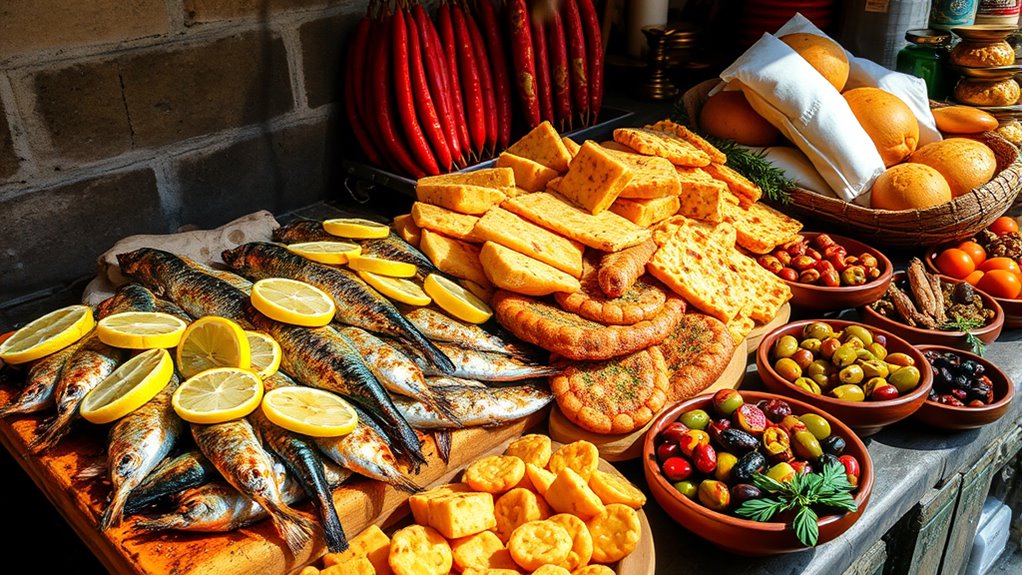
Portugal’s diverse landscapes and rich cultural history give rise to a variety of unique regional specialties that you should definitely explore. In Alentejo, try bifanas—marinated pork slices in fluffy rolls—and cozido à portuguesa, a hearty boiled meat and vegetable stew. Down in the Algarve, savor cataplana, a flavorful seafood stew cooked in a copper clam-shaped vessel, featuring clams, fish, and shellfish. In Porto, indulge in the savory francesinha sandwich layered with meats and topped with melted cheese. On Madeira, sample espetada—skewered grilled meat served with local bread—or the island’s famous grilled fish. Each region offers distinct ingredients and preparation styles, giving you a taste of Portugal’s culinary diversity beyond the well-known pastéis de nata.
Iconic Portuguese Sweets Beyond Nata

Beyond the famed pastéis de nata, Portugal boasts a rich array of traditional sweets that showcase its diverse culinary heritage. You should explore other delightful treats that highlight regional flavors and centuries-old recipes.
Portugal’s sweet treasures go far beyond pastéis de nata, revealing a rich tradition of regional flavors and timeless recipes.
- Queijadas da Sintra – Sweet cheese tarts from Sintra, with a soft, crumbly crust and a sweet, cheesy filling.
- Dom Rodrigo – Almond-based confections from Algarve, featuring layers of sweetened egg yolks, almonds, and cinnamon.
- Travesseiros de Sintra – Fluffy puff pastries filled with almond cream, offering a perfect balance of crisp and creamy textures.
- Toucinho do Céu – A rich almond and egg yolk cake, often flavored with lemon or cinnamon, with a dense, moist crumb.
These sweets provide a delicious glimpse into Portugal’s rich pastry traditions beyond nata.
Frequently Asked Questions
What Are the Best Wine Pairings for Portuguese Seafood Dishes?
You should choose crisp, invigorating whites like Vinho Verde or Albariño to pair with Portuguese seafood dishes. These wines enhance the flavors of dishes like caldeirada, arroz de marisco, and amêijoas à Bulhão Pato without overpowering them. For richer seafood, opt for a light rosé or a dry, mineral-driven red from regions like Dao. These pairings balance the saltiness and delicate textures of your seafood, making every bite more enjoyable.
How Can I Identify Authentic Portuguese Chouriço at Markets?
Did you know Portugal produces over 52,000 tons of chouriço annually? To spot authentic Portuguese chouriço, look for deep red color and visible paprika or chili flakes, which give it its signature smoky flavor. Check labels for regional names like “Chouriço de Castelo Branco” or “Chouriço de Vinho,” and buy from local markets where artisans use traditional smoking and curing methods. Fresh, aromatic, and well-spiced—those are signs of genuine chouriço.
Are There Vegetarian Options in Traditional Portuguese Cuisine?
Yes, you can find vegetarian options in traditional Portuguese cuisine. Look for dishes like arroz de tomate, a flavorful tomato rice often served with fried small fish but easily made vegetarian, or grilled vegetables like peppers and eggplants. You might also enjoy bread like broa, which is naturally vegetarian, or regional cheeses. Many local markets also offer fresh produce and plant-based sides that highlight Portugal’s rich agricultural heritage.
Which Regions Are Known for Their Unique Cheese Varieties?
You’ll find cheese varieties as diverse as Portugal’s landscapes, from the lush green hills to rugged coastlines. In the north, the Minho region produces fresh, tangy cow and goat cheeses that complement hearty meals. Alentejo offers rich, creamy sheep’s milk cheeses that melt in your mouth. Meanwhile, Madeira is renowned for its smoked cheeses, adding a bold flavor to any platter. Each region’s cheese reflects its unique climate and tradition, inviting you to explore with every bite.
How Do Regional Spice Blends Influence Portuguese Seafood Flavors?
Regional spice blends considerably influence Portuguese seafood flavors by adding depth and unique character to each dish. You’ll notice variations like saffron in Arroz de Marisco, which imparts a subtle earthiness, or piri-piri in grilled chicken, giving it fiery heat. In coastal areas, garlic, coriander, and white wine are common, enhancing freshness. These regional blends allow you to experience diverse, vibrant flavors that truly define Portugal’s rich seafood culinary traditions.
Conclusion
As you journey through Portugal’s rich culinary landscape, you’ll discover flavors that transcend even the most iconic pastéis de nata. From hearty seafood stews to artisanal cheeses, each dish offers a taste of history and tradition. Don’t miss out on regional specialties that are hidden gems, waiting for a modern-day explorer like you. So, grab your smartphone—think of it as your culinary DeLorean—and plunge into Portugal’s delicious past and vibrant present.
Fall Picks
fall essentials
As an affiliate, we earn on qualifying purchases.