
TL;DR

Get travel and outdoor gear delivered free with Prime
- Fast, free delivery on millions of items
- Prime Video, Amazon Music and more included
- Member-only deals all year
The best GPS smartwatch for travel safety combines reliable GPS, emergency features, long battery life, and regional support. Your choice should match your trip’s nature and where you’ll go, not just brand reputation.
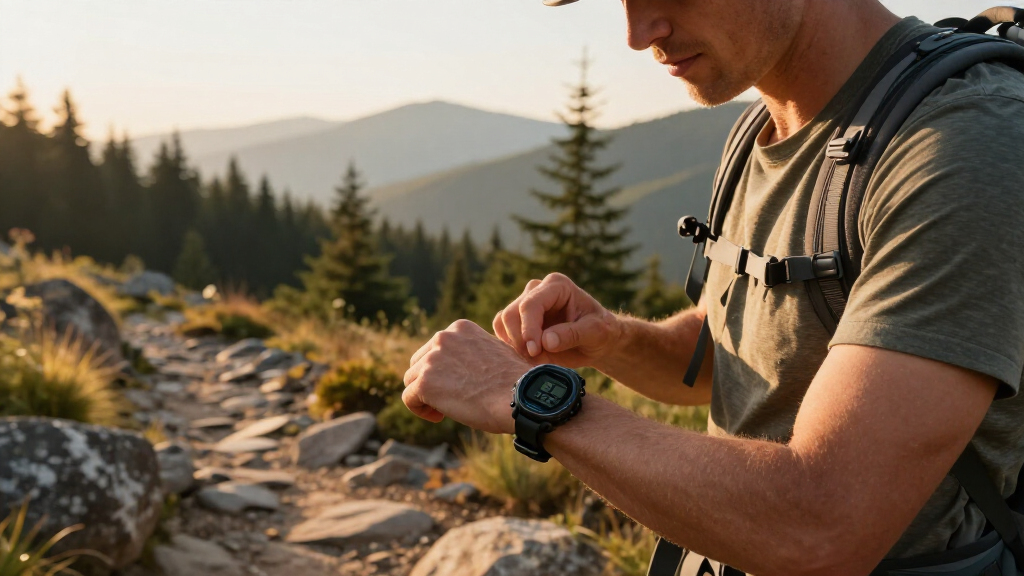
Imagine you’re hiking in a remote mountain range or wandering through a bustling city far from cellular coverage. Your safety depends on more than just a sturdy pair of boots or a charged phone. A GPS smartwatch designed for travel safety can be your silent guardian—pinpointing your location, alerting loved ones, and even calling for help if needed.
But not all smartwatches are created equal. The right device balances GPS precision, emergency features, battery life, and regional support. Whether you’re an adventure junkie or a solo explorer, understanding what makes a smartwatch truly safe for travel can make all the difference. Let’s explore what features matter most and how to find the perfect fit for your journeys.
Choose a smartwatch with regional support for SOS and LTE features, especially if traveling abroad.
Prioritize battery life; long-lasting devices prevent emergencies from going unnoticed due to dead batteries.
Offline maps and multi-band GNSS greatly improve navigation and safety in remote areas.
Always test safety features before departure—familiarity can save precious seconds in an emergency.
Combine tech with traditional safety gear like physical maps, power banks, and a backup plan.
Why Your Travel Safety Depends on the Right GPS Smartwatch
Your trip’s safety isn’t just about packing the right gear. It’s about tools that keep you connected, visible, and prepared—especially in emergencies. A GPS smartwatch with emergency SOS, reliable location sharing, and offline navigation can be life-saving.
For example, if you’re exploring a dense forest or a mountain trail, your phone might lose signal. A smartwatch with multi-band GNSS and offline maps can still guide you back or send your coordinates to trusted contacts. This capability directly impacts your safety margin by providing reliable navigation and communication options in challenging environments. The tradeoff often involves increased device complexity and cost, but the added security can be invaluable in critical moments.
According to recent studies, nearly 60% of adventure travelers consider safety features the most important factor when choosing tech gear. That’s because in remote areas, your smartwatch might be your only lifeline. Failing to prioritize these features could mean the difference between a safe return and a dangerous situation.
As an affiliate, we earn on qualifying purchases.
Top Features That Make a GPS Smartwatch a Travel Safety Powerhouse
When shopping for a travel safety smartwatch, focus on these key features:
- Emergency SOS: Press a button to call for help and share your location instantly. This feature is critical because it provides immediate assistance in emergencies, but its effectiveness depends on regional network support and device compatibility. Understanding where and how these features work can help you avoid false security or gaps in coverage.
- Satellite Communication: Some watches can send messages via satellite, crucial in truly remote areas without cellular coverage. This capability extends your safety net beyond traditional networks but often involves additional costs and specific device models. It’s a tradeoff between increased security and expense.
- Fall and Crash Detection: Automatically alerts emergency contacts if you’re in an accident or fall hard. While useful, false alarms can occur, especially on uneven terrain or during vigorous activity. Recognizing these limitations helps you set expectations and use the feature judiciously.
- Reliable GPS/GNSS: Multi-band positioning helps you stay on track even in challenging environments like dense forests or urban canyons. The accuracy of your location data directly impacts your safety, as incorrect positioning can lead rescuers astray or cause you to get lost.
- Live Location Sharing: Trusted contacts can follow your route in real-time, offering peace of mind during solo adventures. The implication is that your safety depends on both the device’s accuracy and your contacts’ attentiveness. It’s a useful feature, but only if the data is transmitted reliably.
- Offline Navigation & Maps: Download maps before heading out to navigate without Wi-Fi or cellular data. This capability is vital in remote areas where network access is limited. However, offline maps require storage space and regular updates to ensure accuracy.
- Battery Life: Long-lasting batteries are essential, especially on multi-day trips where charging options are limited. A device with poor battery life can become a liability, leaving you untracked when you need it most. Balancing power consumption with feature set is key.
- Durability & Water Resistance: Rugged builds withstand harsh conditions—think snow, rain, or rocky trails. Durability ensures your device remains functional when exposed to the elements, but it often involves tradeoffs with weight and design aesthetics.
- Medical & Emergency Data: Keep vital info like allergies or medications accessible in case of an emergency. This data can significantly impact your treatment and safety, especially if you’re unconscious or unable to communicate.
smartwatch with emergency SOS and LTE
As an affiliate, we earn on qualifying purchases.
As an affiliate, we earn on qualifying purchases.
How to Pick Your Perfect Travel Safety GPS Smartwatch
- Identify Your Travel Style: Are you city-bound or heading into the wilderness? Adventure trips demand rugged durability and offline maps, city trips benefit from LTE and discreet SOS. Recognizing your typical environments helps prioritize the most relevant features, avoiding overpaying for capabilities you won’t use or missing critical features.
- Check Connectivity & Region Support: Verify that emergency features and LTE work in your destination. For example, some watches only support satellite SOS in select countries. This understanding prevents surprises and ensures your device functions as needed, especially when traveling across borders or to remote regions.
- Prioritize Battery Life: Look for watches that last at least 2-3 days on GPS mode. Long hikes or remote expeditions need even more endurance. A device with insufficient battery life can leave you unprotected just when you need it most, so understanding your activity duration and environment is crucial.
- Assess Durability & Water Resistance: For outdoor trips, a water-resistant, impact-proof watch is non-negotiable. Durability reduces the risk of device failure due to accidents or weather, but often adds weight or cost. Balance your need for ruggedness with comfort and budget.
- Test Emergency Features: Familiarize yourself with SOS and live tracking controls before departure — practice makes perfect. Knowing how to activate these features quickly can save seconds in emergencies, turning a potentially panic-filled situation into a manageable one. The tradeoff here is time investment in setup and familiarization.
For instance, if you’re planning a month-long trek in the Rockies, a Garmin Enduro with 80+ hours of GPS life and offline topo maps might be your best bet. Conversely, a Samsung Galaxy Watch LTE could suit urban explorers who want quick access to emergency calls and live sharing. Choosing based on your specific trip profile ensures optimal safety and convenience.
As an affiliate, we earn on qualifying purchases.
Comparison Table: Which GPS Smartwatch Fits Your Travel Style?
| Feature | Apple Watch Ultra | Garmin Fēnix Series | Samsung Galaxy Watch LTE | Dedicated Satellite Devices |
|---|---|---|---|---|
| GPS Accuracy | Very high, multi-band GNSS | Excellent, multi-GNSS & offline maps | Good, with LTE & GPS | Depends on device |
| Emergency SOS | Yes, regional support | Yes, with assistance | Yes, via LTE | Yes, via satellite |
| Battery Life | Up to 36 hours | Up to 80 hours (with power save) | 1-2 days | Days to weeks |
| Durability | Rugged, water-resistant | Rugged, impact-resistant | Water-resistant, impact resistant | Varies, designed for tough conditions |
| Offline Maps & Navigation | Yes, with downloads | Yes, extensive | Limited | Yes, with dedicated devices |
| Satellite Communication | No | No | No | Yes |
As an affiliate, we earn on qualifying purchases.
Risks & Limitations: What No Gadget Can Guarantee
No matter how advanced, every safety feature has limits. GPS signals can be blocked by dense forests or tall buildings, which can lead to inaccurate positioning or complete signal loss. Satellite SOS relies on a clear sky view; indoors, underground, or in urban canyons, the signal may be obstructed, delaying rescue efforts. Fall detection can produce false alarms, especially on uneven terrain or during vigorous activity, which might cause unnecessary panic or desensitization to alerts. Battery life is another crucial consideration; if your watch dies mid-incident, it loses its safety function, highlighting the importance of understanding device endurance. Regional restrictions can also impact functionality—certain features may only work in specific countries or carriers, so knowing your destination’s compatibility is essential. Relying solely on tech without proper planning—like carrying physical maps, backup batteries, or notifying someone of your trip—introduces risks. Recognizing these limitations helps you develop redundancy strategies, ensuring safety even if your primary device encounters issues. This comprehensive understanding of gadget limitations underscores that technology should complement, not replace, traditional safety precautions.
Best Practices to Maximize Your Travel Safety with a GPS Smartwatch
- Pre-Trip Setup: Input emergency contacts, medical info, and download offline maps before leaving Wi-Fi. Proper setup ensures all safety features are ready to activate when needed, reducing response time in emergencies.
- Test Features: Practice activating SOS and live tracking to ensure familiarity. Regular testing helps identify any issues or misunderstandings, making activation instinctive during stress.
- Stay Charged: Carry a portable power bank or extra battery if on multi-day trips. Ensuring your device remains powered is crucial; a dead device offers no safety advantage when danger arises.
- Keep Software Updated: Regular updates improve safety features and fix bugs. Outdated software may lack critical improvements, so staying current maximizes your device’s reliability.
- Share Your Trip Plan: Use live location sharing with loved ones or guides. Transparency about your route and schedule allows others to assist or alert authorities if you don’t check in.
For example, during a remote kayaking trip, setting up emergency contacts and downloading offline maps turned out to be lifesaving when weather changed unexpectedly. Small prep steps significantly boost safety by ensuring your device functions optimally and your contacts are informed, reducing response time in emergencies.
Frequently Asked Questions
Can a GPS smartwatch work without a phone?
Yes, many GPS smartwatches can determine your location independently. However, features like live tracking, SOS, and messaging often require cellular, Wi-Fi, or satellite support. Always verify the connectivity options for your specific device.
Can a smartwatch contact emergency services abroad?
Sometimes. Emergency calling depends on regional network compatibility and whether the device supports local emergency numbers. It’s wise to test these features before traveling and confirm regional support with the manufacturer.
Which watch is best for international travel?
For iPhone users, an Apple Watch Ultra offers seamless integration and regional support. Android travelers might prefer a Galaxy Watch LTE or a Garmin outdoor watch for longer battery life and offline navigation. The choice depends on your destination and connectivity needs.
Which smartwatch is best for remote hiking?
Durable Garmin models with extended GPS battery life and offline maps are ideal. For off-grid communication, pairing with a satellite device provides peace of mind—especially on multi-day treks in rugged terrain.
Does every Garmin watch have satellite SOS?
No. Many Garmin watches can track GPS but do not support two-way satellite messaging. Satellite SOS typically requires a dedicated inReach device paired with your Garmin for true remote communication.
Conclusion
Your safety in unfamiliar territory hinges on more than just a good map or a sturdy backpack. Pick a GPS smartwatch that offers reliable location tracking, emergency SOS, and long battery life—and make sure it works in your destination. A well-chosen device becomes a silent guardian, quietly watching over your adventures.
Remember, no gadget replaces good judgment and preparation. But when safety features are active and reliable, they can turn a potentially dangerous situation into a manageable one. Stay smart, stay prepared, and keep exploring with confidence.
Halloween Picks
halloween
As an affiliate, we earn on qualifying purchases.