TL;DR
For most travelers, a lightweight 10–11-inch tablet with strong battery life, GPS, offline maps, and cellular options works best for Europe travel planning. Features like USB-C charging and ample storage simplify your trip prep and navigation.
Imagine arriving in Europe, eager to explore, but your phone’s battery dies after a few hours—ruining your plans. Or discovering that your tablet doesn’t support offline maps, leaving you lost in a maze of cobbled streets. Choosing the best tablet for travel isn’t just about specs; it’s about staying connected, organized, and stress-free.
This guide helps you find a device that fits your travel style—whether it’s a compact mini for quick trips or a powerful tablet that doubles as a work tool. You’ll learn what features matter most, which models stand out, and how to get ready before you jet off.
Choose a lightweight 10–11-inch tablet with long battery life for easy, all-day travel use.
Opt for a device with GPS and offline map support to navigate rural and urban areas confidently.
Consider a cellular or eSIM-enabled tablet to stay connected without relying solely on Wi-Fi hotspots.
Download maps, tickets, and apps before departure to avoid reliance on unreliable internet in remote areas.
Use a universal plug adapter and quality USB-C charger—voltage converters are generally unnecessary for modern tablets.
Why Your Perfect Travel Tablet Needs to Be Light and Long-Lasting
When you’re wandering through Paris or hiking in the Alps, every ounce counts. An 8–11-inch screen hits the sweet spot—big enough for maps and movies, yet small enough to slide into your bag or pocket. Weight matters. A 10-inch tablet often weighs around 1 pound, making it manageable for a full day of sightseeing.
Battery life is just as critical. Think of your tablet as your travel command center—navigation, translation, booking apps, and offline maps all drain power. Look for devices that promise at least 8–10 hours of active use. For example, the iPad Air 11-inch offers about 10 hours of screen time, enough for a day in the city without hunting for outlets.
Imagine a day in Rome—climbing stairs, wandering streets, snapping photos—all powered by a device that stays alive. A lightweight tablet with robust battery life transforms how relaxed your trip feels.
Choosing a lightweight device with long battery life ensures your trip remains smooth. Heavy devices can cause fatigue, and a dead battery can leave you stranded without navigation or communication tools. The tradeoff often involves balancing processing power and battery efficiency; opt for models that prioritize energy management if long usage is critical. This way, you avoid the frustration of carrying extra chargers or risking a device shutdown during key moments.
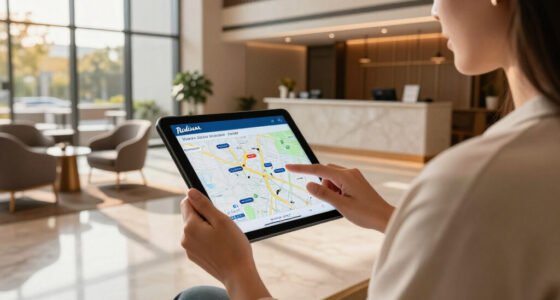
10 inch lightweight travel tablet with GPS
As an affiliate, we earn on qualifying purchases.
As an affiliate, we earn on qualifying purchases.
The Most Important Connectivity Features for European Travel
Connectivity options can make or break your trip experience. A Wi-Fi-only tablet saves money but depends on hotspots or your phone’s data plan. Cellular-compatible tablets, especially those with eSIM support, let you buy regional data plans on the spot—no SIM card swapping needed.
For example, a Samsung Galaxy Tab S series with eSIM support allows you to download a European data plan before your trip. You can then navigate cities, book tickets, and translate menus without hunting for Wi-Fi.
Understanding the implications of these options is crucial. Wi-Fi-only devices limit your independence; you must find reliable hotspots or tether from your phone, which can be inconvenient and costly in areas with poor signal. Cellular and eSIM options offer greater flexibility, enabling constant connectivity, which is vital for real-time navigation, translation, and instant access to travel updates. However, they can be more expensive upfront and may require careful planning to select compatible carriers or plans. The tradeoff is between cost and convenience—consider your travel style and whether the added expense of cellular connectivity is justified by the convenience it provides in unfamiliar environments.
Pro tip: pairing your tablet with a local SIM or eSIM can be cheaper and faster than relying solely on expensive roaming plans, especially for extended trips or rural explorations.
tablet with offline maps and cellular data
As an affiliate, we earn on qualifying purchases.
As an affiliate, we earn on qualifying purchases.
GPS and Offline Maps: Your Travel Lifesavers
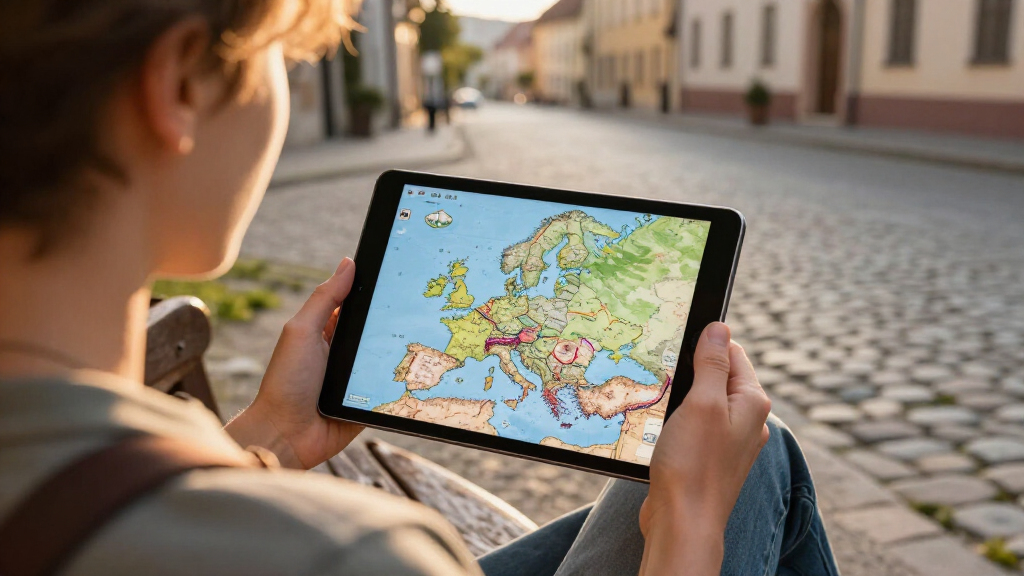
Ever been in a foreign city and wished your map could work offline? Not all tablets come with built-in GPS, and relying on Wi-Fi alone can leave you stranded. For Europe, a tablet with GPS support is a game-changer—especially in rural areas or underground metro stations.
Many Android tablets include GPS even without cellular, making them versatile. For instance, the Xiaomi Pad 7 supports GPS, letting you download offline maps from HERE WeGo or Organic Maps. These apps work without an internet connection, giving you confidence to explore without fear of losing signal.
Understanding how offline maps function is vital. These apps download map data onto your device, enabling navigation without data or signal. This is especially useful in remote regions or underground areas where signals are weak or nonexistent. The ability to pre-download detailed maps means you can confidently wander without concern for data costs or signal loss, avoiding the frustration of getting lost or running out of data.
Tip: Invest in a tablet with full GNSS support if offline navigation is a priority. This ensures higher accuracy and better positioning, making your exploration smoother and more reliable.
As an affiliate, we earn on qualifying purchases.
Storage Matters: How Much Space Do You Really Need?
Think about your trip. Will you download offline maps, movies, and photos? Or just keep a few travel docs? For most, 64 GB might suffice for map downloads and light media—if you’re careful. But if you plan to store lots of videos, high-res photos, or extensive offline content, aim for 128 GB or more.
Android tablets often support microSD cards, which can expand storage, but app data and offline maps sometimes can’t be moved to external storage. For example, the Samsung Galaxy Tab S series supports microSD cards up to 1 TB, giving you ample space for everything.
Understanding your storage needs is about more than just volume; it’s about ensuring your device can handle your specific trip plans without constant management. For instance, if you’re traveling for several weeks and want to download all maps, guides, offline media, and work documents, having expandable storage or high internal capacity prevents you from constantly deleting files or managing space. This directly impacts your convenience and reduces stress, especially in remote areas where Wi-Fi is scarce, and you need your content readily available.
Pro tip: Always check if your tablet supports microSD cards if you anticipate needing extra space, as this can be a cost-effective way to future-proof your device for extended or content-rich trips.
long battery life tablet for Europe travel
As an affiliate, we earn on qualifying purchases.
As an affiliate, we earn on qualifying purchases.
Apps and Software That Make Travel Easier
Your tablet’s apps can double your trip’s ease or add to the chaos. Essential ones include offline map apps like HERE WeGo or Organic Maps, transportation apps for trains and buses, and digital tickets for flights and rail.
For example, downloading your train tickets as PDFs or passes in apps like Rail Europe or Deutsche Bahn makes boarding smooth. Translation apps like Google Translate or Pocketalk can help decode menus or signs—offline mode is key here.
Using these apps effectively means preparing in advance. Download all necessary offline content, test app functionality, and familiarize yourself with their features before departure. This proactive approach minimizes surprises and ensures seamless navigation and communication during your trip. Remember, the value of these apps lies not just in their features but in how well you integrate them into your travel routine—offline maps for reliable navigation, translation apps for language barriers, and digital tickets for smooth check-ins all contribute to a stress-free experience.
Ensure your apps are updated and tested before departure. Nothing worse than discovering your favorite offline maps don’t work or your flight app crashes mid-travel.
The Keyboard and Stylus: Are They Worth the Extra Weight?
If you’re planning to write, annotate, or do work on your trip, a keyboard and stylus can boost productivity. A detachable keyboard adds a laptop-like feel, perfect for drafting emails or editing photos. A stylus helps mark up maps, PDFs, or notes directly on the screen.
For instance, the iPad Air with a Magic Keyboard transforms into a portable workstation. The Samsung Galaxy Tab S with S Pen is excellent for quick sketches or annotations during sightseeing.
Consider your trip length and activities. If you’re mostly sightseeing and browsing, a stylus and keyboard might be optional. But if you plan to draft itineraries or do remote work, packing them can be a game-changer. The tradeoff is weight and bulk—adding these accessories increases the device’s portability considerations, so balance your need for productivity with mobility. If your trip involves frequent note-taking or content creation, investing in lightweight, foldable accessories can enhance your experience without overly burdening your luggage.
Tip: Choose lightweight, foldable accessories to avoid turning your trip into a backpack burden.
Charging and Power: European Plugs and Voltage Tips
Most modern tablets support 100–240V power, so a voltage converter isn’t usually needed—just the right plug adapter. European destinations predominantly use Type C, E, or F plugs. For example, a Type C plug fits most European outlets, common in France, Germany, and Italy.
Travelers often carry a compact USB-C charger and a multiport power bank to keep devices alive during long days. A handy tip: pack a universal travel adapter with multiple USB ports to charge your tablet, phone, and other gear from a single outlet.
Understanding the implications of power compatibility is crucial. Using the correct plug adapter ensures your device charges properly without damage. Many modern tablets are designed to handle voltage fluctuations, but using a quality adapter prevents potential hazards and ensures safe charging. Additionally, a multiport power bank can be invaluable when outlets are scarce or inconveniently located, allowing you to charge multiple devices simultaneously during long travel days. This setup minimizes downtime and keeps your devices ready for navigation, communication, and entertainment, which are vital for a smooth trip.
Imagine finishing a day with your tablet still at 80%, thanks to a good charger and plug adapter. That peace of mind lets you focus on exploring, not hunting for outlets.
Warning: Don’t rely on voltage converters for modern tablets—they’re unnecessary and often bulky. Focus on a reliable plug adapter and quality USB-C charger.
Keeping Your Device Safe and Secure Abroad
Europe’s busy streets and crowded trains can be hotspots for pickpocketing. Protect your tablet with strong passcodes, biometric locks, and enabling device tracking. For example, set up Find My iPad or Samsung’s Find My Mobile so you can locate or wipe your device if lost.
Always back up your data before traveling. Use encrypted backups in iCloud or Google Drive. When in doubt, avoid leaving your tablet on tables in cafes or in unattended bags.
Public Wi-Fi can be risky. Use a VPN when accessing sensitive info, and avoid entering passwords or payment details on unsecured networks. Consider a privacy screen to prevent shoulder surfing.
Prioritize safety, and your tablet can be a trusty companion rather than a target. Being vigilant about your device’s security reduces the risk of theft and data breaches, which can be costly and stressful. Using strong authentication methods and enabling remote wipe features ensures that even if your device is stolen, your personal information remains protected. Additionally, practicing situational awareness—such as keeping your device out of sight in crowded areas—further minimizes risk, allowing you to enjoy your trip without constant worry about security breaches.
Recent Tech Trends That Make Travel Tablets Better
2024 has seen big shifts in tablet tech, especially for travelers. USB-C has become the universal standard, simplifying cables and chargers. Many mid-range tablets now pack enough power for navigation, media, and light work—no need for the most expensive flagship models.
eSIM technology is expanding, making regional data plans easier to buy without swapping SIM cards. Offline maps, translation apps, and AI-powered trip planning tools have improved, making your device smarter and more autonomous.
For example, the Samsung Galaxy Tab S8 series offers multitasking with DeX mode, turning your tablet into a mini-laptop. Meanwhile, iPads continue to get longer software support, keeping them fresh for years.
These advances mean you can travel lighter, smarter, and more connected, with less worry about compatibility or outdated hardware. Staying updated with these tech trends helps you make informed choices, ensuring your device remains functional, secure, and capable of handling new apps and features designed for travelers. This ongoing evolution enhances reliability, reduces obsolescence, and offers more seamless integration with other devices and services, ultimately enriching your travel experience.
Frequently Asked Questions
What is the best tablet for planning a trip to Europe?
The best tablet combines portability, long battery life, GPS support, offline map capability, and cellular options. For most travelers, the iPad Air 11-inch or Samsung Galaxy Tab S series stand out as top choices, depending on your preference for iOS or Android.
Is an iPad or Android tablet better for European travel?
Both work well, but iPads typically have longer software support and a more extensive app ecosystem for travel. Android tablets like Samsung’s offer more customization, expandable storage, and often support eSIM, making them flexible options for varied needs.
Is an iPad mini large enough for maps and itineraries?
Yes, the iPad mini’s compact size makes it easy to carry around, and it supports GPS and offline maps. It’s perfect for quick navigation, restaurant research, and light itinerary planning, especially if you prefer a smaller device.
Should I buy a Wi-Fi or cellular tablet?
If you rely on hotspots or your phone’s data plan, a Wi-Fi tablet is cheaper and lighter. But for more independence, especially in rural areas or long travel days, a cellular or eSIM-enabled tablet offers greater flexibility and convenience.
Can I use my phone’s hotspot instead of buying tablet data?
Absolutely. Using your phone’s hotspot can be cost-effective if you have an unlimited plan or generous data allowance. Just be mindful of battery drain and signal strength—sometimes a dedicated tablet with regional data plans works better.
Conclusion
Picking the right tablet can turn travel planning from a headache into a breeze. Focus on portability, offline capabilities, and reliable connectivity, and your device will become your best travel buddy.
Imagine wandering through a quiet European village, your tablet guiding you effortlessly, battery alive, maps downloaded, and your plans at your fingertips. That’s the magic of choosing wisely—making your trip smoother, smarter, and more enjoyable.