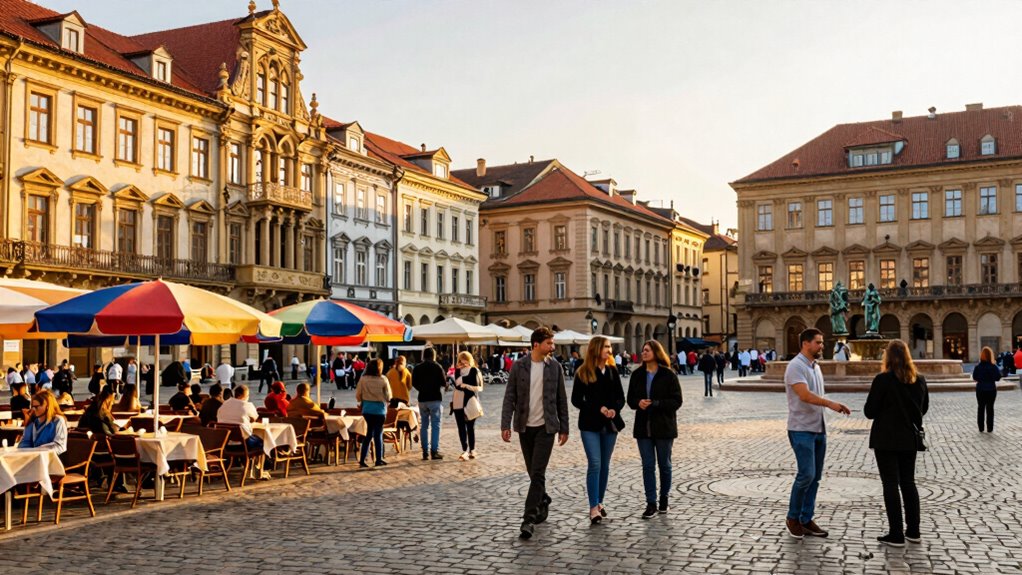

European public squares matter more than you might expect because they’re living histories filled with diverse architecture, cultural significance, and stories of the community’s past. They’re lively hubs where social life, history, and art come together, fostering connection and identity. These spaces aren’t just scenic spots; they’re essential chapters that reveal the city’s resilience and traditions. If you keep exploring, you’ll uncover even more about their true importance.

Get travel and outdoor gear delivered free — and shop member deals
- Fast, free delivery on millions of items
- Access to Prime Big Deal Days deals on October 6–7
- Prime Video, Amazon Music and more included
Key Takeaways
- They embody centuries of history, blending architecture, culture, and events that enrich visitors’ understanding of the city.
- Their diverse designs reflect cultural identity and resilience, offering a deeper appreciation beyond initial impressions.
- Public squares foster social cohesion, encouraging spontaneous interactions and community engagement.
- Heritage preservation maintains historical layers, making each square a living narrative of the city’s evolution.
- Thoughtful urban design balances functionality and storytelling, creating memorable experiences for first-time visitors.
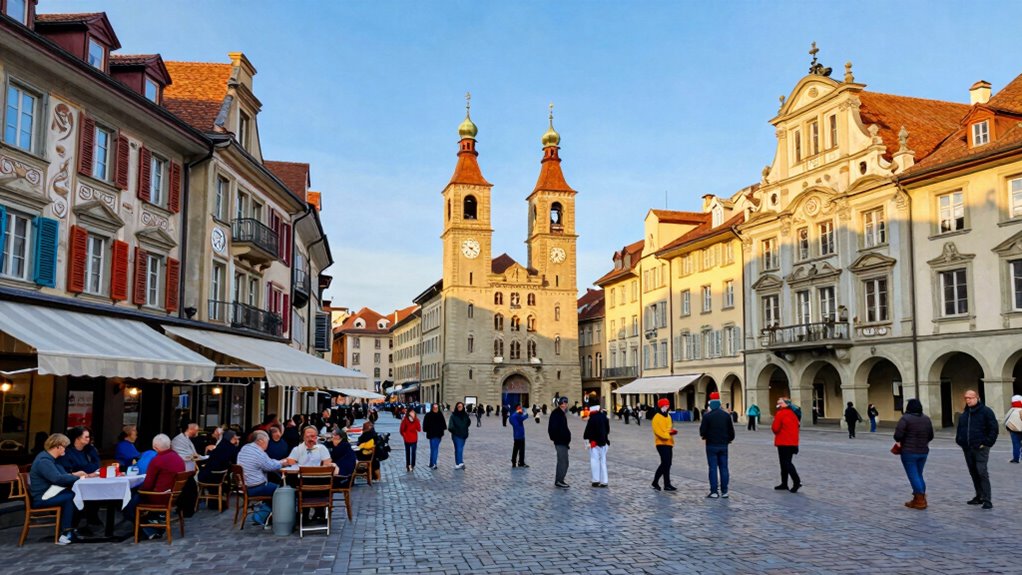
Have you ever wondered what makes European public squares so enchanting? It’s not just their aesthetic appeal, but the intricate blend of urban design and historical significance that breathes life into these spaces. These squares are carefully crafted through centuries of urban planning, designed to serve as focal points where community, commerce, and culture converge. The layout often reflects a thoughtful understanding of movement, sightlines, and social interaction, making each square more than just an open area—it’s an extension of the city’s identity. You’ll notice how streets radiate outward, guiding visitors into the heart of the city, while statues, fountains, and cafes create a lively atmosphere. This urban design isn’t accidental; it’s a deliberate effort to foster social cohesion and accessibility, encouraging people to linger and connect. Urban planning plays a crucial role in shaping these vibrant communal spaces, ensuring they remain relevant and inviting for generations to come. Additionally, the integration of historical layers into their design enhances their significance, creating environments that are both functional and rich with meaning. The preservation and adaptive reuse of these historical elements demonstrate a commitment to maintaining cultural continuity while embracing modern needs.
By appreciating the architectural diversity found in these squares, visitors gain a deeper understanding of their cultural and historical importance. The historical significance of European squares adds layers of meaning that often go unnoticed at first glance. Many of these spaces have witnessed centuries of events—markets bustling with merchants, political rallies, celebrations, or moments of unrest. Standing in these squares, you’re surrounded by relics of the past, whether it’s medieval columns, Renaissance architecture, or WWII memorials. Their stories are embedded into the very fabric of the space, making each visit a journey through history. As you stroll through these squares, you’re not just observing architecture; you’re stepping into a living narrative. The way these spaces have evolved over time reflects the resilience and cultural richness of the cities they belong to. These layers of history are often preserved through heritage conservation efforts, which help keep the stories alive for future generations.
Moreover, the design elements and historical layers influence how you experience these squares today. The careful urban planning ensures accessibility and ease of movement, but it’s also about creating a sense of place. The open spaces invite spontaneous gatherings, while the historical monuments serve as reminders of shared heritage. The balance between functionality and storytelling is what makes these squares so compelling. Whether you’re sitting at a cafe watching the world go by or exploring the centuries-old landmarks, you realize that these public spaces are more than just pretty settings—they’re essential chapters in the ongoing story of European cities. Their importance goes beyond first impressions, offering a rich, immersive experience that deepens with each visit.
European public square guidebook
As an affiliate, we earn on qualifying purchases.
As an affiliate, we earn on qualifying purchases.
Frequently Asked Questions
How Have European Public Squares Evolved Historically?
European public squares have evolved from ancient marketplaces and forums into vibrant spaces for social gathering and cultural exchange. Over centuries, architectural heritage shaped their layouts, blending historical styles with modern needs. You’ll notice how these squares serve as living history, reflecting each city’s identity. They remain essential for community life, adapting to new functions while preserving their historical charm, making them timeless centers of social interaction and cultural expression.
What Are the Most Iconic Public Squares in Europe?
Imagine stepping into Europe’s iconic public squares, where history whispers through bustling streets and vibrant life. You’ll find the Piazza San Marco in Venice, a grand stage for artistic expressions and cultural significance, and Paris’s Place des Vosges, a timeless symbol of elegance. These squares serve as open-air museums, inviting you to experience the soul of cities through architecture, art, and shared stories that echo through centuries.
How Do Public Squares Impact Local Communities Today?
You see, public squares play a crucial role in local communities today by fostering community gathering and cultural expression. They become lively spaces where residents connect, celebrate traditions, and showcase local art. These squares also promote social cohesion, support small businesses, and encourage civic participation. By serving as hubs for diverse activities, public squares help preserve cultural identity and strengthen community bonds, making them essential to everyday life.
Are There Modern Design Principles Guiding Public Square Development?
Yes, modern design principles guide public square development today. You’ll find a focus on urban aesthetics, blending historic charm with contemporary appeal, creating inviting spaces. Sustainable design also plays a vital role, emphasizing eco-friendly materials and green infrastructure. These principles guarantee public squares are functional, beautiful, and resilient, encouraging community interaction and environmental responsibility. As a result, today’s public squares become vibrant hubs that reflect both tradition and innovation.
How Do Public Squares Influence Tourism and Local Economies?
Public squares crucially influence tourism and local economies by serving as vibrant social gathering spots that attract visitors. As people gather, they boost economic vitality through spending on shops, cafes, and events. You benefit from increased foot traffic, which supports local businesses and creates a lively atmosphere. This social interaction and commercial activity make public squares essential hubs that drive tourism and strengthen the community’s economic health.
historical city square walking tour
As an affiliate, we earn on qualifying purchases.
As an affiliate, we earn on qualifying purchases.
Conclusion
So, next time you stumble into a bustling European square, don’t just see it as a pretty backdrop for selfies. It’s where history, culture, and community collide—more than just a photo op. Ironically, these lively hubs often feel like secret keepsakes, quietly shaping your experience and memories. So, while you’re busy snapping pictures, remember: these squares are the real stars, quietly reminding you that Europe’s soul lives in its shared, lively spaces.
outdoor cafe set for European squares
As an affiliate, we earn on qualifying purchases.
As an affiliate, we earn on qualifying purchases.
heritage preservation books Europe
As an affiliate, we earn on qualifying purchases.
As an affiliate, we earn on qualifying purchases.
Fall Picks
fall essentials
As an affiliate, we earn on qualifying purchases.