
When ordering wine in Europe, keep it simple and focus on your preferences. Use basic phrases like “Can I have a glass of…” and ask for recommendations by saying “What do you suggest?” Show genuine interest by asking about wine styles, origins, or flavors. Trust your taste and don’t worry about sounding expert—just be polite and curious. If you want to feel more confident, there’s more helpful tips to discover just ahead.

Get travel and outdoor gear delivered free — and shop member deals
- Fast, free delivery on millions of items
- Access to Prime Big Deal Days deals on October 6–7
- Prime Video, Amazon Music and more included
Key Takeaways
- Use simple phrases like “Can I have a glass of…?” and ask for recommendations politely.
- Mention your taste preferences (dry, sweet, light, bold) to guide staff subtly.
- Show genuine interest by asking about local wines and their stories.
- Rely on servers’ suggestions instead of pretending to know wine terminology.
- Focus on enjoying the experience and savoring new flavors without overanalyzing.

Ever wondered how to confidently order wine while traveling in Europe? It’s a common concern, especially when you want to enjoy the local flavors without feeling out of place. The good news is, you don’t have to be a sommelier to appreciate wine or make a good choice. Instead, focus on simple, genuine interactions. When you visit vineyards or go on wine tasting tours, you get a chance to learn firsthand about the wines. Listen to the guide’s explanations, ask questions if something piques your interest, and don’t worry about sounding knowledgeable. These experiences help you understand what you like and build your confidence. Plus, vineyard tours often include tastings, where you can sample different wines and see what suits your palate. This hands-on approach makes ordering wine at restaurants or bars much easier because you’ll have a better idea of what you enjoy. Understanding the different types of wine, such as reds, whites, and rosés, can also help you communicate your preferences more effectively.
Learn about wines firsthand through vineyard tours to confidently choose what you enjoy.
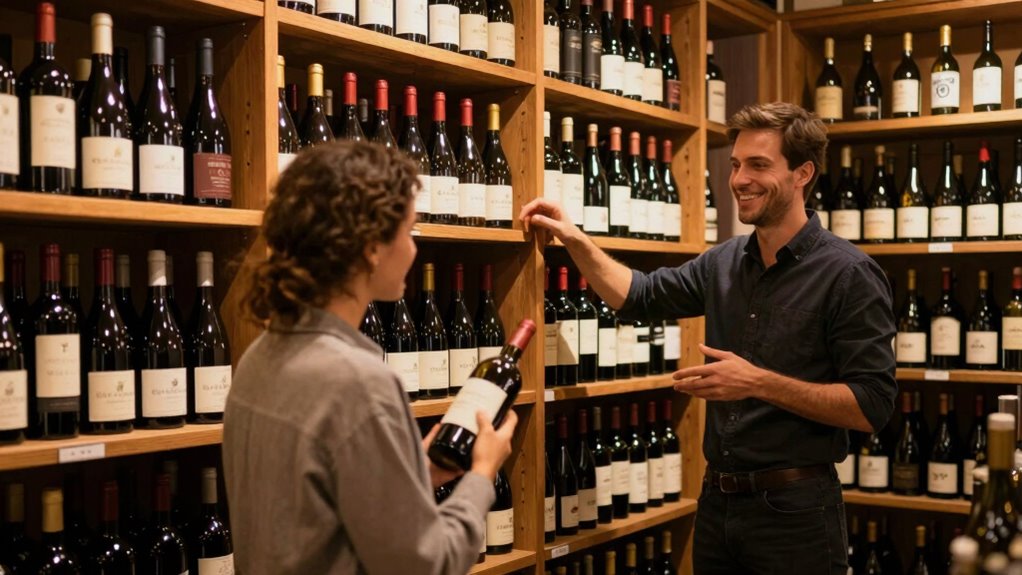
When you’re ready to order, keep it straightforward. Instead of trying to impress with technical terms, simply specify the type of wine you want—red, white, rosé—or even ask for the house recommendations. Europeans are generally happy to help you find something that matches your taste. If you’re uncertain, it’s perfectly fine to ask the server for their advice, mentioning the kind of flavors you prefer, like dry or sweet. They’ll often suggest a wine based on your preferences, which takes the pressure off guessing.
It’s also helpful to familiarize yourself with basic phrases in the local language, like “Can I have a glass of…?” or “What do you recommend?” These simple questions show respect and can spark friendly conversations. Remember, wine is meant to be enjoyed, not overanalyzed. When ordering, you might also specify the serving size—by the glass or a bottle—depending on how much you want to drink or share. If you’re unsure about the wine’s origin or style, feel free to ask about its story or pairing suggestions; most servers appreciate your interest. Additionally, understanding wine terminology can make your interactions more meaningful and help you feel more confident in your choices.
In the end, confidence in ordering wine comes from embracing your taste and being willing to ask questions. The more you explore, whether through tastings or vineyard visits, the more comfortable you’ll become. Traveling in Europe is about enjoying the experience, and that includes savoring the local wines without pretension. Just be polite, curious, and open-minded, and you’ll find that ordering wine becomes an enjoyable part of your adventure.
As an affiliate, we earn on qualifying purchases.
Frequently Asked Questions
What Are Common Wine Tasting Etiquette Tips in Europe?
When tasting wine in Europe, follow common wine tasting etiquette by handling the wine glass properly, holding it by the stem to avoid warming the wine. Use correct wine tasting terminology, like “nose” for aroma and “finish” for aftertaste. Take small sips, swirl gently to release aromas, and avoid excessive slurping. Respect the host or guide’s instructions, and observe the local customs to enjoy the experience authentically.
How Do I Read European Wine Labels Correctly?
Reading European wine labels is like decoding a treasure map. Start by examining the wine labeling for region and producer, as these reveal its origin. Look for regional terminology, which indicates specific areas like Bordeaux or Tuscany, and understand their significance. Pay attention to the vintage year, alcohol content, and any certification marks. This helps you appreciate the wine’s story and quality, making your selection feel like uncovering hidden gems.
Are There Regional Wine Differences I Should Know?
Yes, regional wine differences matter. You should explore wine regional varieties, as they reflect local climate, soil, and traditions, giving each region a distinct taste. Understanding vineyard classifications helps you identify quality levels and styles. When ordering, ask about these classifications and regional varieties to select wines that match your preferences. This approach allows you to enjoy authentic local wines without needing to be an expert, making your experience more genuine and enjoyable.
What Should I Do if I Don’T Like the Wine Served?
If you don’t like the wine served, don’t hesitate to politely ask for a different choice—it’s common and appreciated. Remember, about 60% of Europeans enjoy pairing suggestions with their meals, so ask your server for recommendations. Also, consider wine storage tips like keeping the bottle upright to preserve quality. Trust your palate, and don’t be afraid to explore different varieties until you find one you love.
How Should I Tip When Ordering Wine in Europe?
When tipping for wine in Europe, you usually leave a small amount like 5-10%, especially if the service was good. Keep in mind, wine pairing and wine storage are key to enjoying your experience, so appreciate the sommelier’s recommendations. If you’re at a restaurant, rounding up the bill or leaving some extra change is appreciated. Always check local customs, as tipping practices vary across countries.
As an affiliate, we earn on qualifying purchases.
Conclusion
Now that you know how to order wine without pretending to be an expert, you can enjoy Europe’s vineyards with confidence. Remember, it’s not about knowing everything but about appreciating what you taste. When in doubt, ask politely and trust your palate. After all, the best way to learn is to dive right in—sometimes, you’ve got to bite the bullet and trust your instincts. Cheers to many delightful sips ahead!
As an affiliate, we earn on qualifying purchases.
As an affiliate, we earn on qualifying purchases.
Fall Picks
fall essentials
As an affiliate, we earn on qualifying purchases.