
To choose a European destination based on food, focus on regions known for their unique ingredients, culinary traditions, and authentic experiences. Seek out local markets, family-run eateries, and food festivals to get a real taste of the area’s heritage. Think about specialties like truffles in Piedmont or seafood in Dalmatia. Supporting local producers and joining cooking classes can deepen your connection. Keep exploring, and you’ll discover even more meaningful ways to savor the culture beyond the famous sights.

Get travel and outdoor gear delivered free with Prime
- Fast, free delivery on millions of items
- Prime Video, Amazon Music and more included
- Member-only deals all year
Key Takeaways
- Research regions known for unique ingredients and traditional dishes that reflect local heritage.
- Prioritize destinations with authentic markets, local eateries, and food festivals for genuine culinary experiences.
- Explore areas celebrated for regional specialties, like truffles in Piedmont or seafood in Dalmatia.
- Choose places where you can participate in cooking classes or community food events for cultural immersion.
- Support destinations that emphasize sustainable sourcing and preserve culinary traditions through local food systems.

When choosing a European destination, considering the local cuisine can turn your trip into a truly memorable experience. Food offers a window into a region’s identity, history, and culture, making it a compelling reason to pick a place beyond just its famous sights. Instead of focusing solely on landmarks, think about what culinary adventures await you. Immerse yourself in the local culinary traditions that have been passed down through generations—these are the stories told through flavors, cooking techniques, and ingredients. Whether it’s the hearty stews of Central Europe or the delicate pastries of the Mediterranean, each destination’s cuisine reflects its unique heritage. By exploring these traditions, you’ll gain a richer understanding of the place and create more meaningful memories.
Choosing a destination based on local cuisine enriches your journey with culture, tradition, and unforgettable flavors.
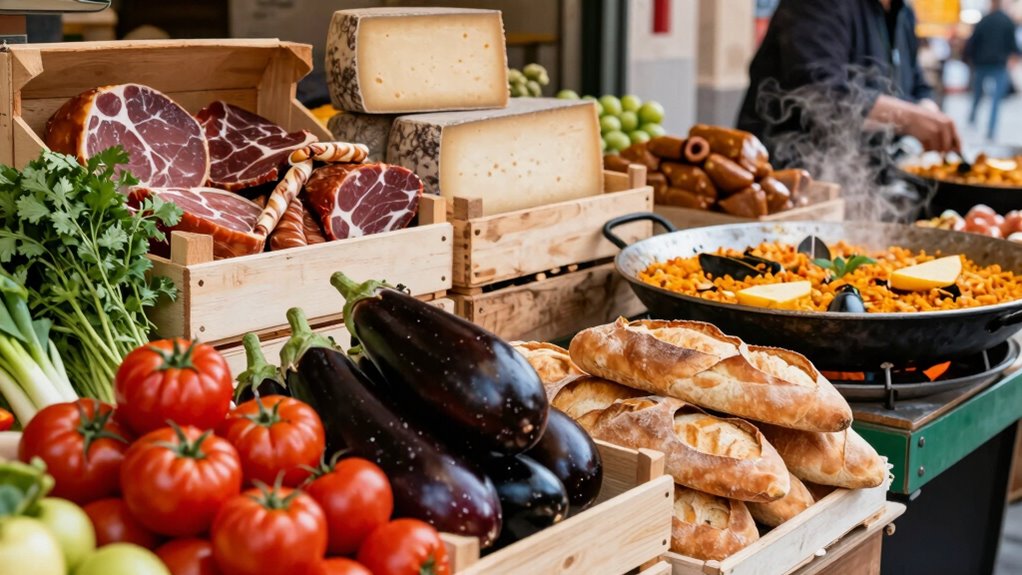
Another key aspect to contemplate is the regional ingredient specialties that define a destination’s cuisine. Many European regions are renowned for their unique ingredients, which often shape their signature dishes. For example, the truffles of Piedmont, the fresh seafood of the Dalmatian coast, or the cheeses of Normandy all highlight how local ingredients influence culinary styles. Sampling these regional ingredient specialties allows you to taste the authenticity of the area and appreciate the local farmers, fishermen, and producers who sustain these flavors. When you prioritize destinations known for specific ingredients, you open yourself up to a diverse and authentic culinary landscape that’s often overlooked by typical tourist routes. Exploring regional ingredient specialties can deepen your appreciation for local culinary traditions and craftsmanship. Additionally, understanding the significance of sustainable sourcing and local food systems can enhance your appreciation for the region’s efforts to preserve its culinary heritage. Recognizing the importance of food sustainability also encourages more mindful travel choices that support local economies and environmental health.
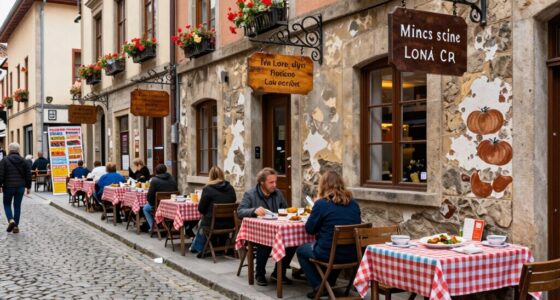
Thinking about food as the main attraction also means seeking out local markets, family-run eateries, and traditional food festivals. These places give you direct access to the ingredients, recipes, and techniques that define regional cuisine. Often, the best way to experience a place’s culinary culture isn’t in high-end restaurants but in humble, neighborhood spots where locals gather to enjoy their favorite dishes. Visiting markets can also introduce you to new ingredients and regional specialties you might not find elsewhere. Plus, participating in local food festivals or cooking classes lets you immerse yourself in the culinary traditions firsthand, transforming your trip into a hands-on experience. Embracing these authentic food experiences allows travelers to connect more deeply with the community and its cultural roots.
As an affiliate, we earn on qualifying purchases.
Frequently Asked Questions
Which European Countries Have the Most Diverse Culinary Traditions?
You’ll find that countries like France, Italy, and Spain boast the most diverse culinary traditions, showcasing culinary fusion and vibrant street food scenes. France offers a rich blend of regional flavors, Italy delights with its varied regional dishes, and Spain excels in tapas and street food markets. These nations provide a perfect mix of traditional and modern flavors, making them ideal for exploring diverse culinary experiences beyond the famous sights.
How Do Local Markets Influence Regional Food Experiences?
Local markets, like farmers markets and street food stalls, heavily influence your regional food experiences. When you visit these markets, you get authentic tastes and fresh ingredients, connecting you directly to local culinary traditions. Street food vendors offer quick, flavorful bites, while farmers markets showcase regional produce and artisanal products. These vibrant spots let you immerse yourself in the local food culture, making your culinary journey truly memorable and unique.
What Are the Best Food Festivals to Explore in Europe?
You’ll love exploring Europe’s vibrant food festivals like Spain’s La Tomatina, where ripe tomatoes burst in lively street food chaos, or Italy’s Vinitaly, a gourmet restaurant haven showcasing fine wines and regional dishes. These festivals immerse you in rich aromas and colorful crowds, offering street food delights and gourmet experiences side by side. You get to savor authentic flavors, making your culinary journey unforgettable with every bite and sip.
How Important Are Local Ingredients in Authentic European Cuisine?
Local ingredients are vital for authentic European cuisine because they guarantee freshness and preserve culinary authenticity. When you focus on farm-to-table practices, you experience the true flavors of the region, supporting sustainable practices and local farmers. This emphasis on fresh, regional ingredients helps you connect with the culture and history of the place through its food, making your travel experience more genuine and memorable.
Which Destinations Offer Unique Food Tours or Tasting Experiences?
You’ll find fantastic food tours and tasting experiences across Europe. In Italy, enjoy farm-to-table experiences in Tuscany, sampling fresh produce and wines. Spain’s street food in Barcelona offers vibrant tapas and local bites. France’s markets showcase cheeses and pastries, while Greece’s seaside tavernas serve authentic seafood. These destinations excel in unique farm-to-table offerings and lively street food scenes, letting you taste genuine flavors and immerse yourself in local culinary traditions.
authentic regional cooking classes Europe
As an affiliate, we earn on qualifying purchases.
As an affiliate, we earn on qualifying purchases.
Conclusion
So, don’t let the fear of missing iconic sights hold you back. Focusing on food offers a rich, authentic experience that stays with you long after your trip ends. Imagine waking up to fresh croissants in Paris or savoring authentic tapas in Spain—delicious memories that truly capture the heart of a place. Choosing a destination based on food isn’t just about eating; it’s about immersing yourself in culture and creating meaningful stories you’ll cherish forever.
As an affiliate, we earn on qualifying purchases.
regional ingredient cookbook Europe
As an affiliate, we earn on qualifying purchases.
As an affiliate, we earn on qualifying purchases.
Halloween Picks
halloween
As an affiliate, we earn on qualifying purchases.