

Inserting buffer time every three days helps you avoid stress and keeps your trip flexible. It allows you to relax, absorb local culture, and enjoy authentic experiences without rushing. Buffer days give you space for unexpected delays or changes, so you stay relaxed and in control. They also provide time for reflection and rest, ensuring you return home refreshed. Keep exploring — there’s more to discover about how to make your European adventure smoother and more enjoyable.
Key Takeaways
- Prevents stress and allows cultural immersion by giving time to relax and explore beyond scheduled activities.
- Handles delays and unforeseen events, maintaining flexibility and reducing travel anxiety.
- Provides opportunities for reflection, rest, and enjoying local experiences at a leisurely pace.
- Enhances overall trip enjoyment by avoiding rushed sightseeing and promoting authentic interactions.
- Ensures energy preservation for each day, leading to a more fulfilling and memorable European journey.

When planning your Europe trip, it’s easy to get caught up in the excitement of visiting iconic sights and exploring new cities. But if you don’t build in some buffer time every three days, you might find your journey more stressful than enjoyable. Travel can be unpredictable—delays, missed connections, or simply needing a break from back-to-back sightseeing. That’s where buffer time comes in. It gives you space to breathe, absorb local culture, and truly enjoy your experience without feeling rushed. Plus, it’s vital if you want to savor the local cuisine without rushing through meals or skipping them altogether. When you allow yourself downtime, you can linger over a coffee, explore hidden restaurants, and chat with locals, making your trip more authentic and memorable.
Buffer time also plays a key role in keeping your plans flexible and reducing stress. Unexpected events happen—weather changes, transportation issues, or last-minute closures. If you’ve scheduled your days tightly packed without room for adjustments, you might find yourself scrambling to catch up or missing out on key sights. When you have built-in buffer days, you can adapt to surprises without losing your entire schedule. This flexibility ensures you don’t have to worry about rushing to your next destination or missing out because of unforeseen delays. It’s a smart way to take care of yourself and your travel investment, especially if you’ve purchased travel insurance, which can provide peace of mind if plans go awry. Being aware of travel risks and how to manage them can significantly improve your overall experience. Additionally, understanding local transportation systems can help you better navigate your buffer days and make the most of your flexible schedule.
In addition, buffer days give you a chance to relax and reflect, which is vital for a fulfilling trip. Instead of constantly feeling like you’re ticking off a checklist, you get to enjoy the moment—whether that’s wandering through a charming neighborhood, trying a new dish, or simply resting at a local café. This downtime enhances your overall experience and helps you return home refreshed, not exhausted. Incorporating tech tips such as travel apps and gadgets can help you stay organized and make the most of your buffer days. Being prepared with essential travel gear can also ensure smoother transitions and more comfortable experiences during your flexible days. Planning ahead for unexpected delays can further help you enjoy your buffer days without stress.
Ultimately, buffer time isn’t just about avoiding stress—it’s about enriching your journey. It helps you enjoy authentic experiences, manage unforeseen issues, and maintain the energy needed for each new day. With the right planning—including thoughtful breaks and travel insurance—you’ll find your Europe trip more rewarding, relaxed, and truly unforgettable.
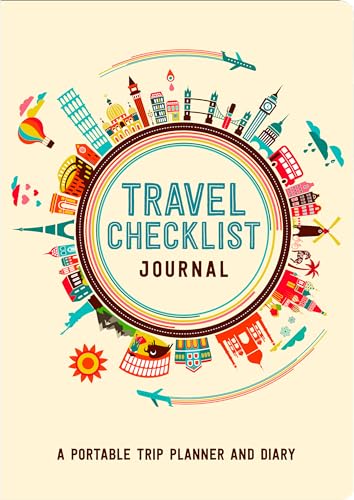
Travel Planner Checklist
- Portable trip planner and diary: Helps plan and record trip details
- Ideal pre- and post-trip tool: Assists in planning and keepsake creation
- Includes Vitals section: Medical info, contacts, and checklist
As an affiliate, we earn on qualifying purchases.
As an affiliate, we earn on qualifying purchases.
Frequently Asked Questions
How Do I Determine the Appropriate Buffer Time for My Trip?
To determine the right buffer time for your trip, consider your travel flexibility and the potential for schedule adjustments. Usually, adding a day or two after every three days of sightseeing helps accommodate delays, transportation issues, or spontaneous plans. Assess your pace and preferences, then build in extra time accordingly. This way, you stay relaxed and adaptable, ensuring a smoother, more enjoyable journey through Europe.
Can Buffer Time Be Adjusted Based on Specific Activities or Destinations?
Absolutely, buffer time can be as flexible as your plans—just like your mood after a long flight. With activity-based planning, you can dial up buffer time for museum marathon days or dial it down for leisurely strolls. Think of it as giving your adventure some breathing room, ensuring you’re not rushing through iconic sights or missing hidden gems. Flexibility keeps your trip fun, not frantic.
What Are the Best Ways to Utilize Buffer Days Effectively?
You should use buffer days to relax and explore local experiences at a leisurely pace. Pack smart with packing tips like versatile clothing and essentials to stay comfortable. Use these days to wander off the beaten path, visit markets, or enjoy local cuisine without rush. This way, your trip feels less hectic, and you gain authentic insights into the culture, making your journey more memorable and enriching.
How Does Buffer Time Impact Travel Costs and Accommodation Bookings?
Buffer time acts as a safety net, helping you avoid costly last-minute bookings and cancellations. It boosts cost savings by giving you flexibility in accommodation planning, allowing you to switch or extend stays without extra fees. This flexibility means you can take advantage of discounts and deals, ultimately lowering your overall travel costs. Essentially, buffer days help you stay financially nimble, turning planning into a smoother, more budget-friendly adventure.
Should Buffer Time Be Included in Travel Insurance Considerations?
Yes, you should include buffer time in your travel insurance considerations. It guarantees your policy covers unexpected delays or disruptions, giving you peace of mind. Look for travel insurance that offers complete emergency coverage, especially if delays impact your plans. Buffer time helps prevent costly last-minute changes, and having the right emergency coverage means you’re protected financially if travel hiccups occur, making your trip smoother and less stressful.
travel organization apps for Europe trips
As an affiliate, we earn on qualifying purchases.
As an affiliate, we earn on qualifying purchases.
Conclusion
So, next time you’re rushing through Europe’s wonders, remember to toss in some buffer time. Because, surprise! Those “unexpected delays” or spontaneous adventures tend to turn into your favorite memories. Who knew that planning “extra” time would actually save you stress? Ironically, by leaving space for chaos, you’re actually ensuring smoother travels. So go ahead, embrace the delays—you might just discover your best stories come from the moments you didn’t plan.

PEUJEW Small Shredded Memory Foam Pillow, Camping Pillow Travel Pillow – Compressible Medium Firm, Breathable Cover, Ideal Backpacking Hiking, Airplane and Car
- Versatile Travel Use: Suitable for camping, hiking, and flights
- Soft and Supportive: Made with shredded memory foam for comfort
- Compact and Portable: Measures 12×16 inches with travel bag
As an affiliate, we earn on qualifying purchases.
As an affiliate, we earn on qualifying purchases.

TESSAN 2 Pack European Travel Plug Adapter, Europe Power Converter
- Compatible Countries: Works in multiple European countries
- Voltage Compatibility: Supports 100-250V devices only
- 7-in-1 Charging Ports: Charges 7 devices simultaneously
As an affiliate, we earn on qualifying purchases.
As an affiliate, we earn on qualifying purchases.