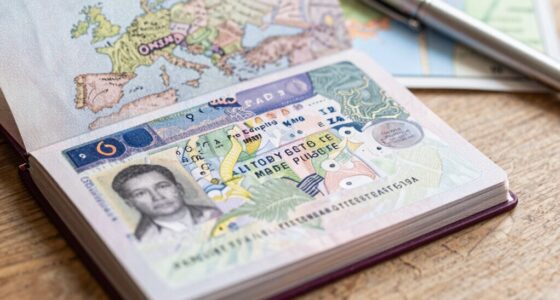

In Europe, a translator device can still be a valuable tool, especially for authentic interactions and maneuvering diverse languages. It helps you communicate smoothly, avoid misunderstandings, and immerse yourself in local customs and traditions. While smartphone apps are handy, dedicated devices often provide faster, more reliable translations in areas with limited internet. If you’re keen to explore deeper benefits and practical tips, there’s more to discover that can truly enhance your travel experience.

Get travel and outdoor gear delivered free — and shop member deals
- Fast, free delivery on millions of items
- Access to Prime Big Deal Days deals on October 6–7
- Prime Video, Amazon Music and more included
Key Takeaways
- Dedicated translator devices offer faster, more accurate translations than smartphone apps, especially in dynamic travel situations.
- They provide reliable performance in areas with limited or no internet access, ensuring seamless communication.
- Translator devices enhance cultural understanding by offering context on local customs, idioms, and social cues.
- Smartphone apps may suffice for basic needs, but dedicated devices excel in conversations requiring speed and accuracy.
- For immersive, authentic travel experiences, a translator device remains a valuable tool despite language translation apps.
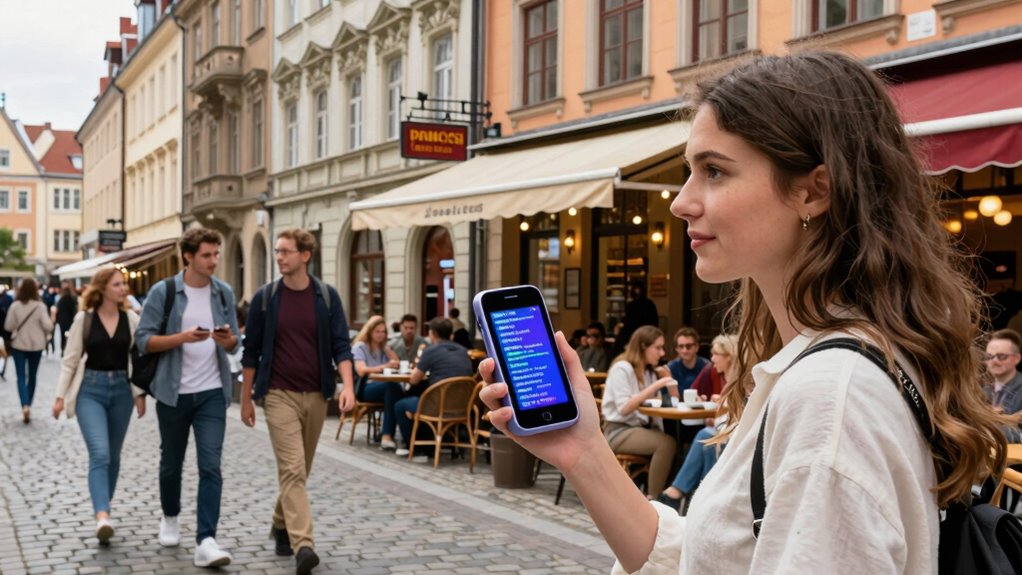
Europe’s diverse languages can pose a significant barrier to communication, but translator devices have made crossing linguistic borders easier than ever. When you travel through various countries, language barriers can feel overwhelming. You might struggle to find the right words or worry about misinterpreting local customs and etiquette. That’s where translator devices come in, offering a quick and efficient way to bridge these gaps. They enable you to understand and be understood, making interactions smoother and more authentic. Instead of relying solely on phrasebooks or gestures, you can speak naturally and get real-time translations that help you navigate daily conversations with locals.
However, it’s important to recognize that these devices aren’t just about translating words—they also assist with cultural adaptation. When you use a translator device, you gain insights into local expressions, idioms, and social cues that are crucial for respecting customs. This helps you avoid misunderstandings or unintentionally offending someone. As you adapt to different cultures, the device becomes a tool not just for language but for understanding the subtle nuances that shape social interactions. With this, you can approach conversations with confidence, knowing you’re respecting local ways of communication. Real-time translation technology enhances your ability to connect effortlessly, even in unfamiliar settings. Moreover, these devices often include cultural context features that help you better understand local traditions and social norms. A dedicated device can also be more effective than generic tools because it’s designed specifically for conversational use, providing a smoother experience in dynamic situations.
Additionally, advances in language processing technology have significantly improved the accuracy and speed of translations, making dedicated devices even more indispensable for travelers. That said, some might wonder if these devices are still necessary, especially with widespread smartphone usage and translation apps. While smartphones are handy, dedicated translator devices often provide faster, more accurate translations, especially in areas with limited internet access. They’re designed specifically for real-time conversation, which makes them more reliable in dynamic situations like ordering food, asking for directions, or negotiating prices. Plus, their user-friendly interfaces mean you don’t need to be tech-savvy to operate them effectively.
In the end, whether you need a translator device in Europe depends on your travel style. If you prefer immersive, authentic experiences and want to interact confidently with locals, having one can be a game-changer. It reduces frustration caused by language barriers and enhances your cultural adaptation. Even if you’re only planning short visits or guided tours, a translator device ensures you won’t miss out on meaningful exchanges. It’s not just about translating words but about connecting with people and understanding their way of life. So, in today’s interconnected world, a translator device remains a valuable tool for anyone keen to explore Europe without language holding them back.
dedicated translator device for travel
As an affiliate, we earn on qualifying purchases.
As an affiliate, we earn on qualifying purchases.
Frequently Asked Questions
Are Translator Devices Legally Allowed in All European Countries?
Yes, translator devices are legally allowed in all European countries. You can freely use them to navigate cultural nuances and guarantee language accuracy during your travels. These devices help you communicate effectively, respecting local customs and avoiding misunderstandings. While laws may vary slightly, generally there are no restrictions on using translator devices in public spaces or for personal use across Europe, making your journey smoother and more culturally respectful.
How Do Translator Devices Handle Regional Dialects?
Translator devices often struggle with regional dialects and informal language because they rely on standard language databases. When you encounter local slang or thick dialects, these devices might misinterpret or fail to recognize the nuances. To get the best results, speak clearly and avoid overly informal phrases. While they’re improving, you’ll still need patience and sometimes a bit of manual clarification to guarantee accurate communication across regional differences.
Can Translator Devices Translate Slang or Informal Language?
Yes, translator devices can translate slang and informal language, but accuracy varies. Modern devices use advanced algorithms and large language databases, improving slang translation and understanding informal expressions. However, some slang terms or regional colloquialisms might still pose challenges, especially if they’re highly context-dependent or very recent. You should double-check translations when using slang in important conversations, but overall, these devices are becoming increasingly capable of handling informal language with decent accuracy.
Are Translator Devices Effective in Noisy Environments?
Translator devices often struggle in noisy environments because noise interference hampers speech recognition. Imagine trying to hear a whisper at a loud concert—it’s nearly impossible. Similarly, in busy settings, these devices can misinterpret or miss words, reducing accuracy. While technology has improved, background noise still affects their effectiveness. For clear communication, you might need to find a quieter spot or use devices with advanced noise-canceling features.
What Is the Battery Life of Most Translator Devices?
Most translator devices offer a battery longevity of around 8 to 12 hours on a full charge, making them suitable for a day of travel. You’ll want to be mindful of their charging requirements, as some models need quick recharges, while others might require longer charging times. To avoid inconvenience, carry a portable power bank or extra batteries, especially if you plan extended outings or multiple days of use.
real-time language translator device
As an affiliate, we earn on qualifying purchases.
As an affiliate, we earn on qualifying purchases.
Conclusion
In Europe today, you might think translator devices are obsolete, but they’re still your trusty sidekicks in unfamiliar territory. While smartphones and apps have made communication easier, a dedicated device can be like having a personal interpreter whispering in your ear—no Wi-Fi needed! So, unless you speak every language fluently, carrying a translator device isn’t just handy; it’s your passport to a world where language barriers vanish faster than a magician’s hat trick.
offline translation device Europe
As an affiliate, we earn on qualifying purchases.
As an affiliate, we earn on qualifying purchases.
best language translator for travelers
As an affiliate, we earn on qualifying purchases.
As an affiliate, we earn on qualifying purchases.
Fall Picks
fall essentials
As an affiliate, we earn on qualifying purchases.