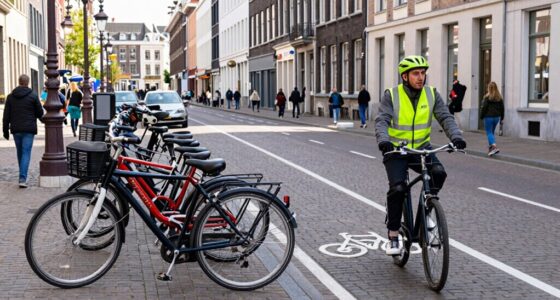
Self-rotations in Europe are usually fine if you plan ahead, know the local transportation options, and carry local currency. They work well in larger cities with clear signage and reliable transit systems. However, they become risky in rural areas with infrequent services, language barriers, or tight schedules. Heavy luggage or unfamiliar routes can also cause trouble. For more tips on ensuring smooth shifts, keep exploring how to prepare effectively.

Get travel and outdoor gear delivered free — and shop member deals
- Fast, free delivery on millions of items
- Access to Prime Big Deal Days deals on October 6–7
- Prime Video, Amazon Music and more included
Key Takeaways
- Self-transfers are generally safe in well-connected, urban areas with clear signage and reliable transportation options.
- They become risky in rural or less frequent routes, where delays and limited schedules increase transfer difficulties.
- Adequate planning, including knowledge of local currencies and schedules, enhances safety and efficiency of self-transfers.
- Language barriers and unfamiliar systems can complicate self-transfers, especially in smaller stations or regions.
- Heavy luggage, tight connections, or unfamiliar environments make self-transfers less advisable.
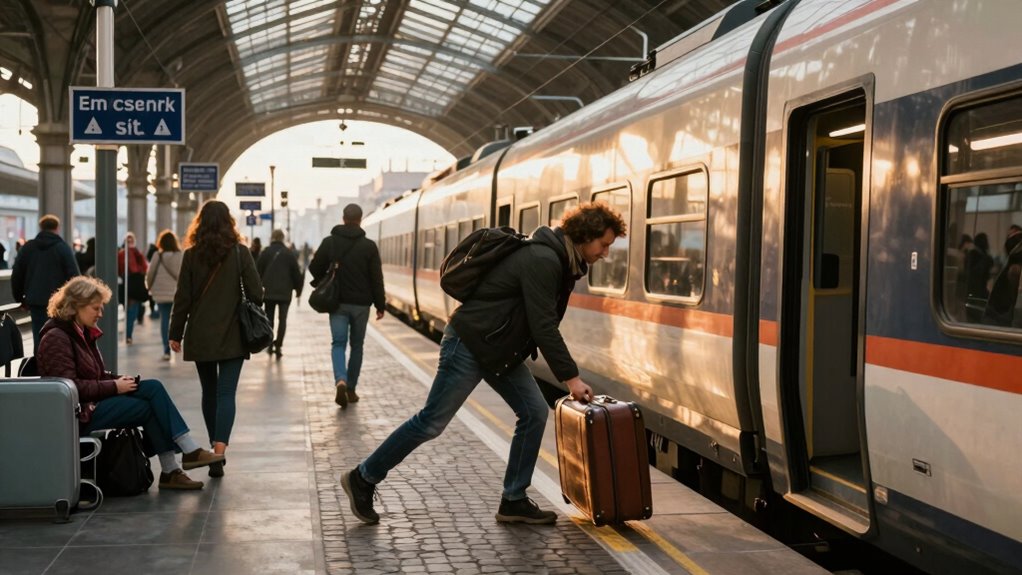
Have you ever wondered how easy it is to steer through Europe‘s diverse airports and train stations on your own? The truth is, with a little planning, self-transfers can be straightforward, saving you time and money. One of the first things to think about is understanding the local currency, since many transportation options require cash payments or local tickets. Whether you’re using buses, metro systems, or taxis, knowing the currency helps you avoid confusion or delays. In most major cities, ticket machines accept cards, but smaller stations might only deal in cash, making it essential to carry some local currency. This small step guarantees your transfer goes smoothly, without scrambling for change or figuring out unfamiliar payment systems.
Understanding local currency simplifies Europe’s self-transfers, ensuring smooth journeys on buses, trains, and taxis.
When it comes to transportation options, Europe offers a wide array that can make self-transfers quite manageable. Trains, buses, and metro systems are usually well-marked and reliable in larger cities, and many stations feature clear signage in multiple languages. If you’re comfortable steering through these systems, you can often go directly from one station or airport to another without the need for a guided transfer. It’s often cheaper and more flexible than relying on pre-booked shuttles or taxis, especially if you’re traveling light and have some time to spare. Apps and online maps are invaluable here—they show real-time schedules, platform changes, and even ticket prices, helping you plan your transfer efficiently. Familiarity with local transportation systems can also boost your confidence and reduce stress during your journey. Additionally, researching the typical transfer times in advance can help you avoid rushing or missing connections. Knowing the transportation options available in each city can help you choose the most suitable and reliable method for your specific route. Being aware of local transportation regulations can also prevent potential fines or issues during your journey.
However, self-transfers aren’t always foolproof. In smaller or less-developed regions, transportation options might be limited or infrequent, increasing the risk of delays or missed connections. If your layover is short, or if you’re unfamiliar with the local transportation system, attempting a self-transfer could turn stressful. Language barriers might also complicate buying tickets or asking for directions, especially in rural areas or smaller stations where staff may not speak English. In these situations, it might be safer to pre-arrange a transfer or opt for a direct shuttle service.
Ultimately, whether a self-transfer is a good idea depends on your comfort level, the complexity of the transfer, and local conditions. If you’re well-prepared, understand the transportation options, and have access to local currency, you can often make self-transfers work seamlessly. But if you’re tight on time, traveling with heavy luggage, or unfamiliar with the area, it’s worth weighing the risks against the convenience of organized transfers.
Europe travel currency converter
As an affiliate, we earn on qualifying purchases.
As an affiliate, we earn on qualifying purchases.
Frequently Asked Questions
How Do Self-Transfers Compare in Cost to Traditional Transfers?
Self-transfers generally cost less than traditional transfers, making them a budget-friendly choice. You get to control your journey, often avoiding extra fees associated with third-party services. However, consider transfer safety, as self-transfers can be risky if you’re unfamiliar with local routes or transportation options. A thorough cost comparison helps you decide if the savings outweigh potential safety concerns. Always plan ahead to guarantee a smooth and secure transfer experience.
Are There Specific Countries in Europe With Higher Self-Transfer Risks?
Think of Europe’s diverse landscape as a tapestry, where safety varies by thread. Countries like Italy and Spain may pose higher self-transfer risks due to regional safety issues and cultural considerations. In contrast, Scandinavian nations often offer more secure environments. Always research local safety conditions, respect cultural norms, and stay vigilant. Your awareness is the brushstroke that guarantees your journey remains vibrant, safe, and enriching.
What Are the Most Common Reasons Travelers Choose Self-Transfers?
You choose self-transfers mainly to save money, gain flexibility, or avoid crowded public transport. Local customs and language barriers often motivate travelers to handle transfers themselves, feeling more in control or confident managing unfamiliar environments. You might also prefer the convenience of timing your own schedule or avoiding waiting for scheduled transfers, especially when traveling in countries where language differences make booking or understanding transfer instructions more challenging.
How Can Travelers Ensure Their Safety During Self-Transfers?
To guarantee your safety during self-transfers, follow safety precautions like researching your route, confirming transportation schedules, and keeping emergency contacts handy. Always carry a fully charged phone, essential medications, and identification. Practice emergency preparedness by knowing nearby help points and local emergency numbers. Trust your instincts—if something feels off, seek assistance. Planning ahead minimizes risks, helping you stay safe and confident during your self-transfers across Europe.
Are There Apps That Simplify Self-Transfer Arrangements in Europe?
Yes, there are transfer apps that simplify self-transfer arrangements in Europe, making your journey smoother. Apps like Rome2rio, Moovit, and Google Maps help you plan routes, find transportation options, and navigate unfamiliar areas. Always follow safety tips, such as avoiding isolated areas and keeping your belongings secure. Using these apps not only streamlines your transfer but also boosts your confidence, ensuring a safer, more enjoyable trip across Europe.
As an affiliate, we earn on qualifying purchases.
Conclusion
Self-transfers in Europe can be like walking a tightrope—you need to know when it’s safe and when it’s risky. When you’re well-informed about the regulations and security measures, you can navigate these transfers smoothly, saving time and money. But if you rush in blindly, it’s like crossing a fragile bridge—dangerous and best avoided. Stay cautious, do your research, and you’ll enjoy the journey without unnecessary worries.
multi-language travel app for Europe
As an affiliate, we earn on qualifying purchases.
As an affiliate, we earn on qualifying purchases.
As an affiliate, we earn on qualifying purchases.
Fall Picks
fall essentials
As an affiliate, we earn on qualifying purchases.