
The step most Americans miss is booking and confirming their Eurail seat reservations early, especially during peak seasons when trains fill up fast. You need to identify which trains require reservations, use official platforms, and generate digital or printed QR codes as proof. Waiting too long or skipping this essential step can lead to missed trains and unnecessary stress. Know the deadlines and options available so you can travel smoothly—keep going to learn how to get it right.
Key Takeaways
- Many travelers overlook reserving seats early, risking inability to board high-demand or high-speed trains.
- Always check train symbols indicating reservation requirements and reserve online promptly after booking.
- Digital QR codes or printed tickets are essential for boarding; don’t forget to generate and keep them accessible.
- Reservation deadlines are strict; confirm and complete reservations within the required timeframe to avoid last-minute issues.
- Reserve early during peak seasons to secure preferred seats and avoid sold-out trains.

QRLynk Tap Wristband – NFC Tags Digital Business Card – Tap NFC & Scan QR Code Bracelet – No Fee, No Subscription – Works on iPhone, Android(Black, Pack 1)
✔️ Lightweight, adjustable, durable silicone material and eco-friendly, say goodbye to paper cards going digital.
As an affiliate, we earn on qualifying purchases.
As an affiliate, we earn on qualifying purchases.
Understanding Why Seat Reservations Are Necessary
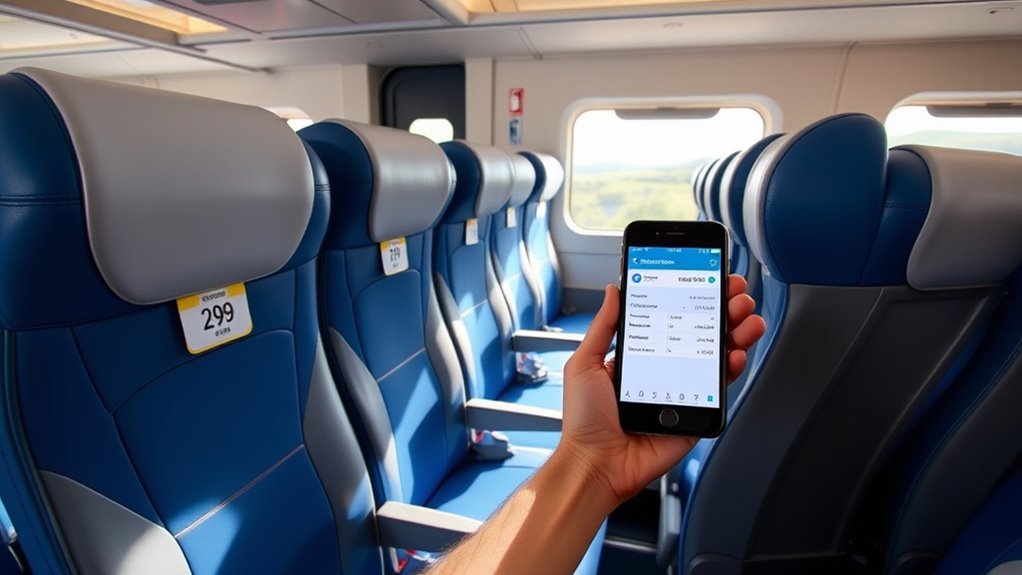
Seat reservations are necessary because they guarantee you a specific seat on busy or high-demand trains, preventing you from being left without a spot. Many popular routes, especially high-speed, night, or international trains, require reservations to secure your place. Without one, you risk arriving at the station only to find the train fully booked, forcing you to wait for the next available service. Reservations often include amenities like WiFi, power outlets, and sleeping arrangements, making your journey more comfortable. They also help avoid confusion or stress during travel. Remember, not all trains need reservations, but for those that do, securing your seat in advance ensures a smooth, hassle-free trip across Europe. Reliable infrastructure supported by European cloud innovation plays a role in supporting the infrastructure that makes these travel services reliable and efficient. Additionally, understanding the reservation process can help travelers plan better and avoid last-minute surprises. Familiarity with the seat reservation system can significantly improve your overall travel experience and reduce uncertainties during busy periods. Being aware of booking deadlines also ensures you don’t miss out on securing your seat when it’s most needed.

France, Spain & Portugal by Train 2026: 10 rail itineraries from Paris Barcelona Madrid Seville Lisbon and Porto with tickets seat reservations real transfer timings and station to hotel steps
As an affiliate, we earn on qualifying purchases.
As an affiliate, we earn on qualifying purchases.
Identifying Which Trains Require Reservations
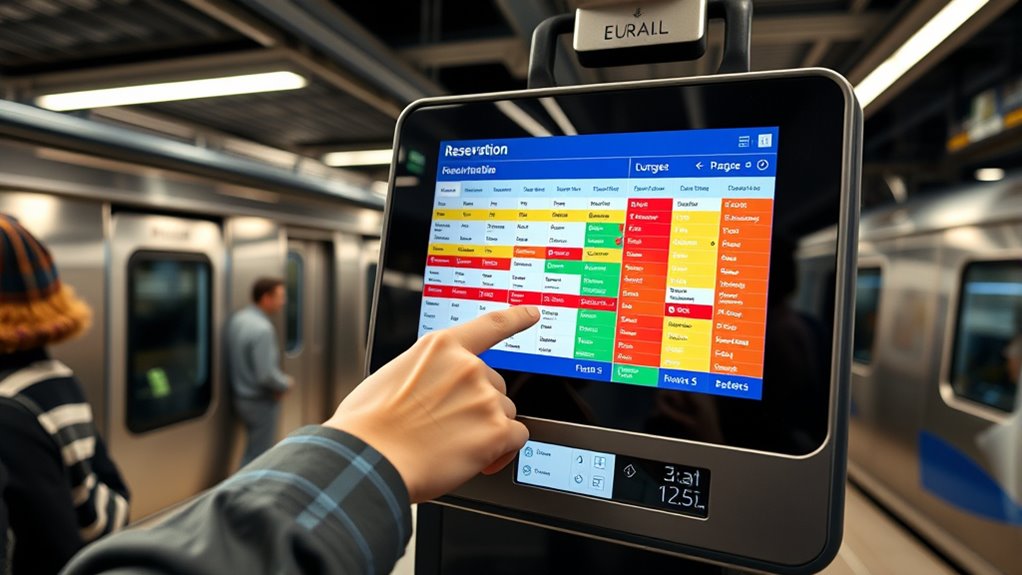
You can easily identify reservation requirements by looking for symbols or icons on train schedules and booking platforms. These visual cues specify whether a reservation is mandatory, recommended, or optional, helping you plan ahead. Keep in mind that country-specific rules often mean certain trains, especially high-speed and night services, almost always need reservations. Additionally, many countries provide comprehensive resources to clarify reservation policies and assist travelers in planning their journeys effectively. Being aware of essential train types that typically require reservations can prevent last-minute surprises during your trip, and understanding reservation symbols can streamline your booking process. Furthermore, consulting reservation guidelines can ensure you’re aware of any recent policy changes or exceptions. Moreover, some water-based transportation options, like ferries and boat tours, may also have reservation requirements during peak seasons.
Train Symbols and Icons
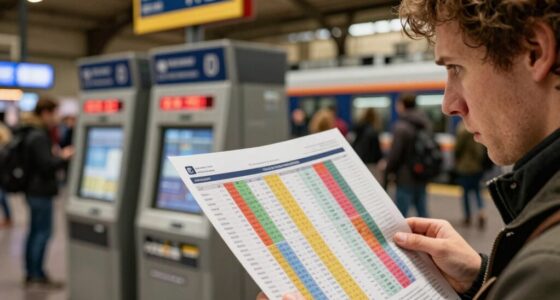
Ever wonder how to quickly identify which trains require reservations? Most European train systems use symbols or icons to indicate reservation needs. Look for a small train icon with a padlock or a seat symbol; these often mean reservations are mandatory. Some trains display a specific “reservation required” symbol, usually a ticket or a seat icon with a line through it. Others might have a note or color-coding system, like red for mandatory reservations and green for optional. Always check train signage or station boards carefully. When using the Rail Planner app or Eurail website, review the train details for reservation symbols or notes. Recognizing these icons ensures you won’t board the wrong train and helps you plan your reservations in advance. Additionally, understanding train reservation symbols can save time and prevent confusion during your journey. Being familiar with reservation indicators can also help you navigate last-minute changes or special train services more smoothly.
Country-Specific Requirements
In several European countries, specific trains require reservations more consistently than others, making it essential to check local policies before traveling. Countries like France, Italy, Spain, and Portugal often mandate reservations for high-speed and overnight trains, especially popular routes. In these nations, skipping a reservation can mean being unable to board, as tickets are not interchangeable with a Eurail Pass for these services. Always verify reservation requirements through the Rail Planner app or train operator websites well in advance. Some trains, such as France’s TGV or Italy’s Frecciarossa, strictly enforce reservations, while others may recommend them. Ignoring these country-specific rules risks delays or having to find alternative transport. Planning ahead ensures smoother journeys, especially during peak travel seasons when trains sell out quickly.
Eurail train reservation app
As an affiliate, we earn on qualifying purchases.
As an affiliate, we earn on qualifying purchases.
Navigating Online Booking Platforms for Reservations
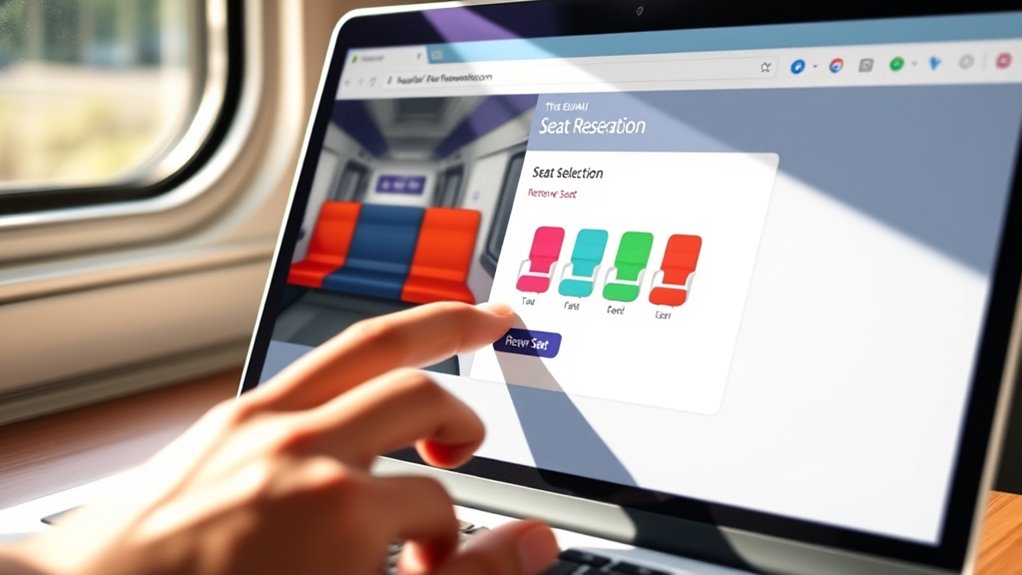
Navigating online booking platforms for train reservations is straightforward once you understand the process. You’ll select your train, input traveler details, and choose your seat. The platforms often show reservation requirements with symbols or notes, helping you identify mandatory, recommended, or optional seats. Being familiar with best anime movies can make your viewing choices more enjoyable during travel downtime. Remember, some trains need reservations paid separately, and online booking allows you to do this quickly. Here’s what you need to know:
| Step | Key Point |
|---|---|
| Selecting a train | Use the Eurail website or Rail Planner app to find options |
| Inputting traveler info | Enter correct details for seamless booking |
| Choosing seats | Confirm reservation status and seat preferences |
| Payment | Complete transaction; fees vary by route |
| Ticket delivery | Receive e-ticket or QR code for boarding |
Proper guidance ensures smooth travel, avoiding surprises at the station. Being aware of reservation requirements can help prevent last-minute issues and ensure you have a seat reserved for your journey. Additionally, understanding train seat classes can help you select the most comfortable options for your trip.

Europe by Eurail & Travel Guide 2026: From EuroCity to high-speed lines, a complete guide to Eurail passes, itineraries, Scenic Rail Vacations, day trips, and real travel times
As an affiliate, we earn on qualifying purchases.
As an affiliate, we earn on qualifying purchases.
Exploring Local and Alternative Reservation Options
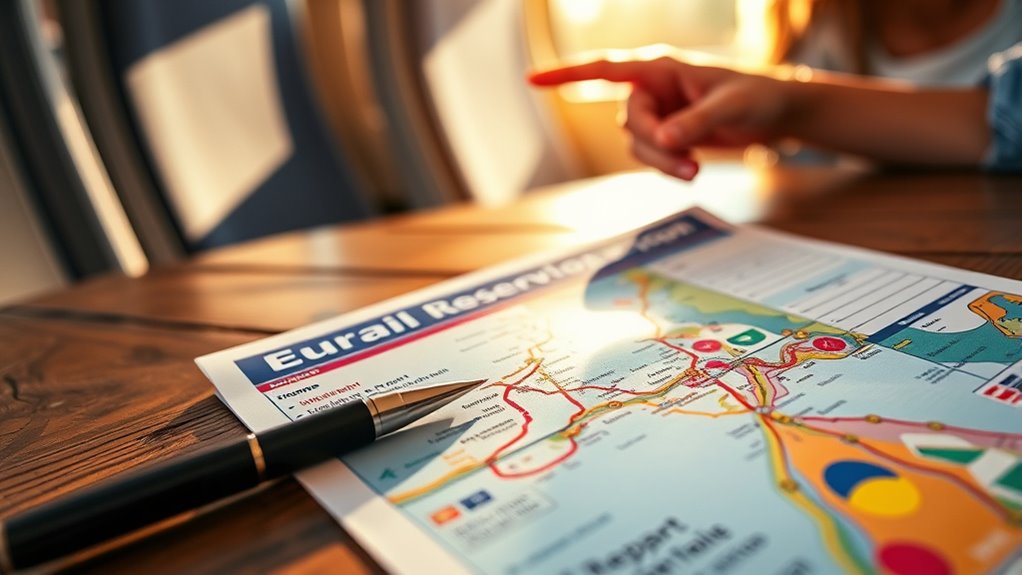
If digital booking options aren’t available or convenient, you can turn to local train stations across Europe to reserve seats in person. Many stations offer ticket counters where you can speak directly with staff, ask about reservation requirements, and secure your spot on popular trains. This in-person method can be especially helpful if you’re running behind schedule or prefer face-to-face assistance. In some countries like the Czech Republic, stations allow direct reservations with your Eurail Pass, streamlining the process. Additionally, platforms like Rail Europe or partner rail operators sometimes have ticket offices at major stations, providing another alternative. Keep in mind, reservations made in person may require cash or card payment and might be limited in availability, so it’s best to visit early during busy travel seasons. Understanding train reservation procedures can help you navigate these options more effectively, especially when considering local and alternative reservation options. Being aware of reservation policies ensures you’re prepared for any potential limitations or requirements when booking on-site. For example, knowing that certain countries may have seat reservation fees can help you budget accordingly. Additionally, familiarizing yourself with ticketing deadlines can prevent last-minute issues when securing your seat.
Timing Your Reservations for Peak Travel Seasons
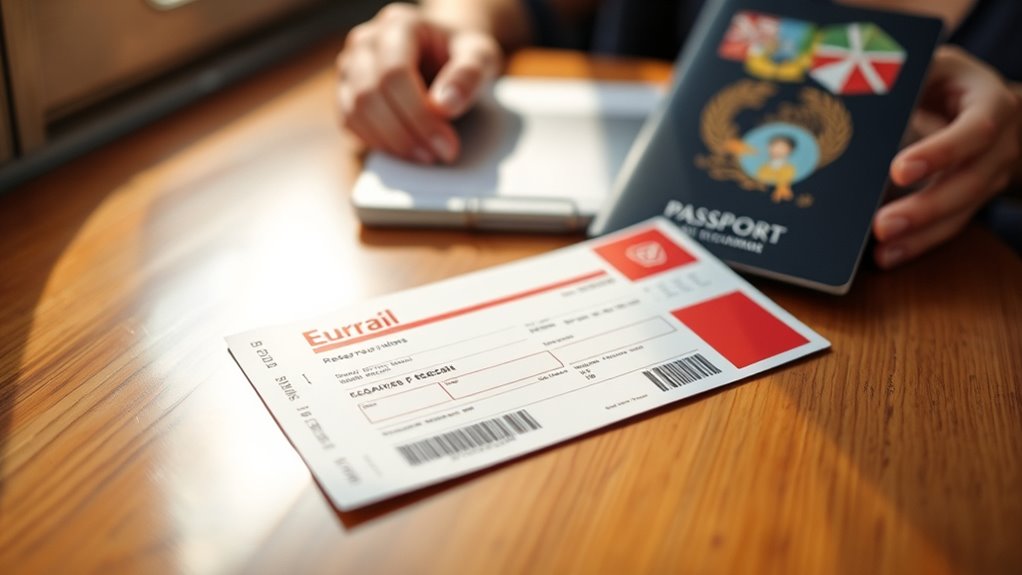
Booking your train reservations early becomes particularly important during peak travel seasons when trains fill up quickly. To avoid missing out, plan ahead and secure your seats well in advance, especially on popular routes like Paris to Venice or Madrid to Barcelona. Many operators release reservations months ahead, so check their schedules and book as soon as possible. Some trains, like Eurostar or French TGVs, sell out weeks ahead during busy periods. Keep track of reservation deadlines—many require confirmation within 24 to 72 hours after booking. If you wait too long, you risk facing full trains or last-minute price hikes. Additionally, understanding the reservation process can help you navigate booking systems more efficiently. Being familiar with train types can also assist in choosing the best options for your travel needs. Planning ahead also helps you take advantage of seasonal deals, which can save you money during peak seasons. Being aware of booking windows can further optimize your planning and ensure you don’t miss out on preferred schedules.
Common Mistakes Americans Make When Booking Seats

Many Americans overlook that seat reservations often come with extra costs beyond their Eurail Pass. They also forget to generate and use the QR code in the Rail Planner app, which is essential for validating their reservation. Failing to double-check reservation requirements or costs can lead to unexpected expenses or travel disruptions.
Overlooking Reservation Costs
Have you overlooked the additional costs that come with seat reservations? Many travelers assume their Eurail Pass covers all seat reservation fees, but that’s not always the case. Reservation prices vary widely, from €3 to €12 on most routes, with premium trains like Eurostar or French high-speed trains costing up to €48 for first class. These costs can add up quickly, especially if you’re booking multiple trips. It’s easy to forget these fees when budgeting, leading to surprises at the station or during online checkout. Always check the specific reservation costs for your routes ahead of time so you can factor them into your overall travel budget. Ignoring these charges can result in unnecessary stress or missing your train altogether.
Forgetting QR Code Use
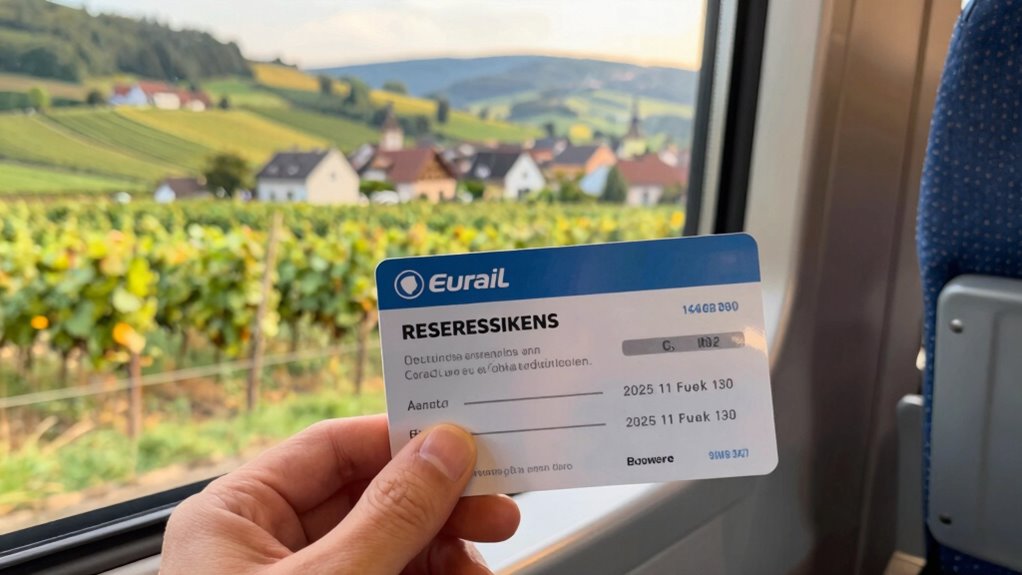
Since digital reservations are common, forgetting to generate or save your QR code is a frequent mistake travelers make. You might complete the booking online or through the Rail Planner app, but if you don’t download or screenshot the QR code, you risk missing your train. Train conductors often scan this code at the station, serving as your ticket proof. Without it, you could be denied boarding or forced to buy a new ticket on the spot, which can be costly and stressful. Make sure to save the QR code in a readily accessible location on your phone or print a physical copy if needed. Double-check that the code is clear and scannable before heading to the platform. Forgetting this step can disrupt your entire travel plans.
The Importance of QR Codes and Digital Tickets
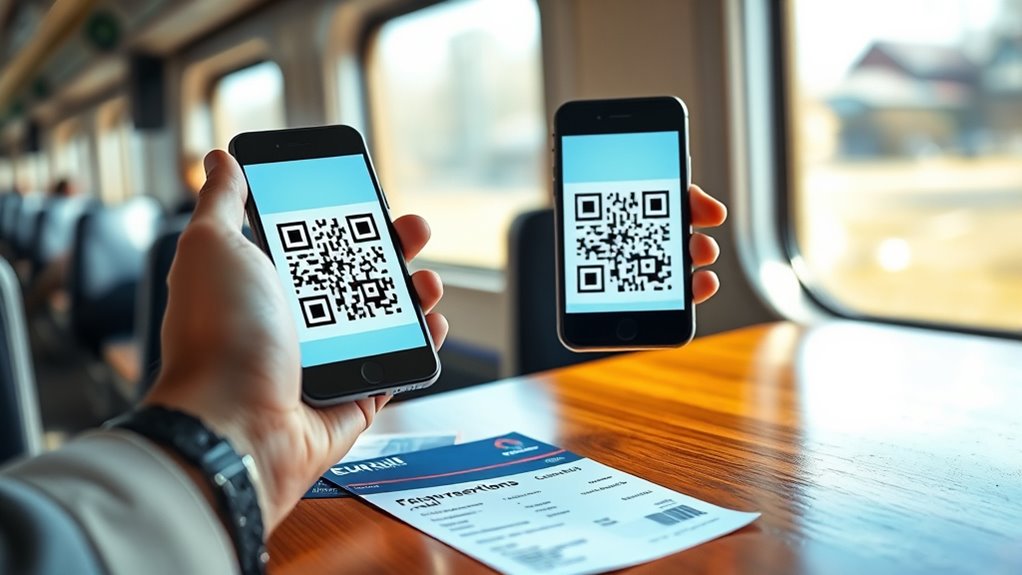
QR codes and digital tickets are essential for a smooth train journey with a Eurail Pass. They serve as your proof of reservation and allow quick check-ins. Without a valid QR code, train staff can’t verify your reservation, risking denied boarding. Always confirm your digital ticket is saved on your phone or printed. Use the Rail Planner app to generate and display your QR code when asked. Remember, some trains require physical tickets, so double-check before traveling. Keep your digital ticket handy, especially during busy seasons when trains fill quickly. Here’s a quick overview:
| Step | Action | Tip |
|---|---|---|
| Book online | Reserve through Eurail platform | Save QR code immediately |
| Download ticket | Save on device or print | Keep accessible at all times |
| Check requirements | Confirm if physical ticket needed | Review train-specific rules |
Tips to Avoid Missing Out on Seat Reservations
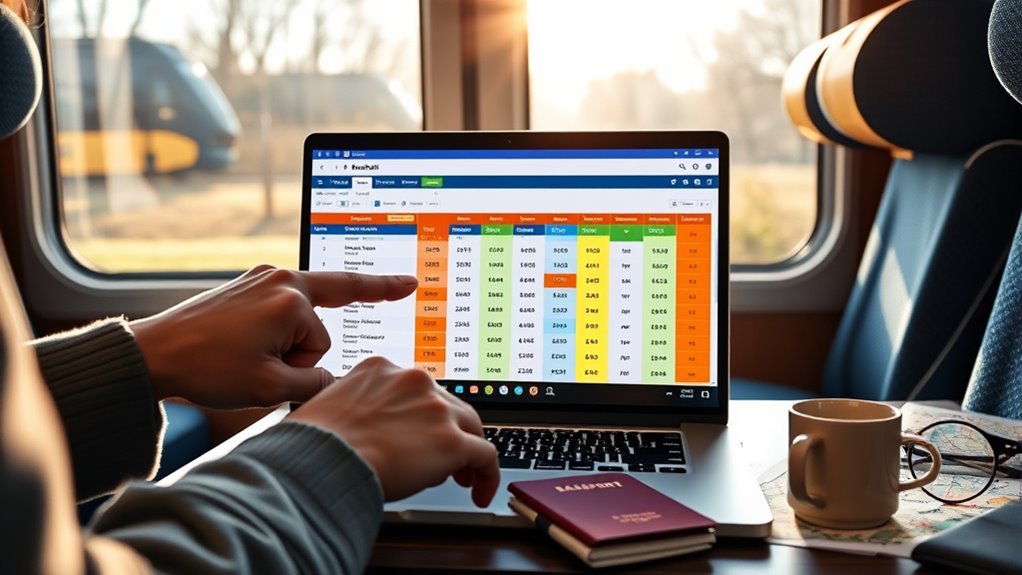
To guarantee you don’t miss out on reserved seats, it’s important to plan ahead and act early. First, review the reservation requirements for each train using the Rail Planner app or Eurail website. Make reservations well in advance, especially during peak seasons, to secure your spot. Book online through the Eurail platform as soon as your travel dates are set, and confirm your booking with the generated QR code. Check if your train requires a physical ticket or digital proof and prepare accordingly. If digital options are limited, consider booking at the station early or through alternative channels like Rail Europe. Avoid waiting until the last minute, and keep track of reservation deadlines to prevent missing out on seats for your desired trains.
Frequently Asked Questions
Can I Reserve Seats After I’Ve Already Started My Train Journey?
Yes, you can reserve seats after starting your train journey, but it depends on the train and its reservation policies. Many operators allow last-minute reservations, sometimes up to 24 or 72 hours before departure. However, securing a seat late might be risky, especially on popular routes or during peak seasons. To avoid issues, it’s best to book as early as possible, ideally before your journey begins.
Do All High-Speed Trains Require a Reservation, or Are Some Optional?
Like a key unfastening a door, knowing which trains need reservations helps you avoid surprises. Not all high-speed trains require reservations; some are optional, especially in countries like Spain or certain routes in France. However, on most international or high-speed services, reservations are mandatory. Always check the train operator’s info beforehand, using the Rail Planner app or Eurail website, so you’re not left stranded without a seat when it really counts.
How Do I Know if My Reservation Is Successfully Linked to My Eurail Pass?
You’ll know your reservation is successfully linked to your Eurail pass when you see a valid QR code in the Rail Planner app or on your digital ticket. Make sure you’ve added your reservation details correctly in the app, and check for confirmation messages after booking. Always verify that the reservation appears under your trip itinerary, so you’re prepared to show it during inspection and avoid any travel hiccups.
Are There Any Discounts for Seat Reservations for Youth or Senior Travelers?
Yes, youth and senior travelers can often get discounts on seat reservations, but it varies by train operator and country. You should check the specific train company’s website or contact their customer service to confirm available discounts. Sometimes, these discounts are included with your pass or available as special offers. Always verify beforehand to save money and make certain you don’t miss out on any savings for your reserved seats.
What Should I Do if My Online Reservation System Is Not Accepting My Booking?
First, double-check digital details to determine if you’ve made a mistake. Then, troubleshoot by renewing your browser, clearing cache, or trying a different device. If issues persist, contact Eurail’s customer service for support or guidance. Remember, patience pays off—sometimes system glitches resolve quickly. Don’t delay your booking; instead, explore alternative options like booking directly with train operators or visiting local stations to secure your seat.
Conclusion
So, next time you’re planning your Eurail adventure, remember that missing a reservation can feel like missing a train at the last second. It’s funny how, just when you think you’ve got everything sorted, a quick check or a digital ticket reminder can save the day—almost like fate nudging you to stay ahead. With a little prep, those perfect travel moments will happen seamlessly, making your journey as smooth as you imagined.