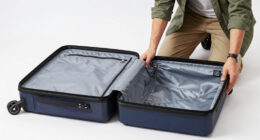

To avoid lost-luggage nightmares in Europe, choose sturdy, distinctive bags with secure external ID tags that include your contact info. Use internal labels and take photos of valuables. Track your luggage with RFID or smart tags and verify tags at check-in. Pack essentials in your carry-on and stay organized with receipts. If issues arise, act quickly and support your claim with documentation. Keep these tips in mind to increase your chances of hassle-free travels. Keep going to learn more.
Key Takeaways
- Use sturdy, distinctive luggage with external ID tags and internal contact info to improve visibility and recovery chances.
- Opt for RFID or electronic tracking tags for real-time updates on your baggage’s location during transit.
- Verify baggage tags at check-in, photograph valuables, and keep receipts to aid claims if luggage is delayed or lost.
- Pack essentials and medications in carry-on luggage, and report issues immediately to airline baggage services.
- Familiarize yourself with European baggage claim procedures and claim deadlines to ensure prompt resolution.

Shacke Luggage Tag 2pcs Premium ID Card for Travel Luggage & Suitcase (Pure Black)
Built for Adventure: Our 4.75 x 2.5 inch rubber luggage tags are crafted to withstand years of travel,…
As an affiliate, we earn on qualifying purchases.
As an affiliate, we earn on qualifying purchases.
Understanding the Risks of Baggage Mishandling in Europe

Baggage mishandling in Europe poses significant risks for travelers and airlines alike, especially given the high mishandling rate of 12.3 bags per 1,000 passengers in 2024. This high rate means your checked luggage could be delayed, damaged, or even lost, causing travel disruptions and stress. Most mishandled bags, about 74%, face delays, which can ruin plans or require emergency purchases. The costs to airlines are substantial—around US$5 billion—highlighting how widespread the problem is. Factors like transfer errors, manual processing mistakes, and insufficient data sharing contribute heavily to mishandling incidents. Despite advances in technology such as RFID tags and real-time tracking, mishandling remains a persistent challenge, making it essential for you to understand the risks and take preventive steps. Implementing better baggage handling procedures can help reduce the mishandling rate and protect your belongings. Additionally, integrating advanced tracking systems can significantly enhance baggage security and accountability, especially as technology continues to evolve rapidly in the industry. Moreover, investing in security zone measures at airports can provide an additional layer of protection against theft and mishandling.

Samsung Galaxy SmartTag2, Bluetooth Tracker, Smart Tag GPS Locator Tracking Device, Item Finder for Keys, Wallet, Luggage, Pets, Use w/ Phones and Tablets Android 11 or Later, 2023, 1 Pack, Black
REDESIGNED TO DO MORE: The redesigned Galaxy SmartTag2 is made so you can keep calm and keep track;…
As an affiliate, we earn on qualifying purchases.
As an affiliate, we earn on qualifying purchases.
Recognizing Common Causes of Checked-Bag Problems

Many checked-bag problems stem from specific operational flaws and human errors during handling and transfer processes. Transfer mishandling is a leading cause, often due to miscommunication or incorrect routing at busy hubs. Manual processing errors, such as incorrect tags or data entry mistakes, also contribute to misdirected or delayed luggage. Overloaded staff and high-traffic periods increase the risk of mishandling, damage, or theft. Incomplete or faulty bag tags can cause routing failures, making it harder to track and recover bags promptly. A lack of industry-wide data sharing hampers timely locating and returning mishandled luggage. Implementing reliable communication systems and standardized procedures can significantly reduce these issues. Physical damage and theft often stem from insecure handling or improper storage during transfer. Regular maintenance and proper equipment use can help reduce some of these risks power requirements, and implementing proactive security protocols can further safeguard luggage during transit. Additionally, training staff on proper handling procedures is essential to minimize errors and improve overall baggage management. Improving industry data sharing can enhance the efficiency of luggage recovery efforts. Understanding these common causes helps you take proactive steps to reduce your chances of luggage problems.

Suitcase Organizer, Travel Luggage Organizer Hanging Shelves Packing Cube Closet/Collapsible Portable Travel Organizer for Carry-on, Small, Black
Premium Material: The Vakelater suitcase organizer is made of premium 600D Oxford cloth, ensuring durability and rip-stop capabilities….
As an affiliate, we earn on qualifying purchases.
As an affiliate, we earn on qualifying purchases.
Leveraging Technology for Better Baggage Tracking

You can improve your baggage experience by understanding how RFID and electronic tags make tracking more accurate and efficient. Real-time tracking apps give you updates on your luggage’s location, reducing uncertainty and stress. Additionally, industry-wide data sharing initiatives help airports and airlines coordinate better, decreasing mishandling rates across Europe. Incorporating net worth factors of airline companies can also influence how effectively they manage baggage handling systems.
RFID and Electronic Tags
RFID and electronic tags are transforming baggage tracking by providing real-time updates and improving accuracy throughout the journey. These technologies enable airports and airlines to monitor bags continuously, reducing mishandling and lost luggage incidents. These advancements enhance baggage security by ensuring each item is accurately tracked and accounted for at every step. With RFID tags, each bag is uniquely identified and automatically scanned during transfers, ensuring precise routing. Electronic tags often replace traditional paper tags, allowing passengers to update destination details easily and securely. This innovation streamlines check-in and transfer processes, minimizes human error, and speeds up baggage handling. As a result, your luggage is more traceable, and the chances of it going astray decrease substantially. Enhanced tracking capabilities allow for more effective baggage management and quicker resolution of issues when they occur. Additionally, smart luggage equipped with electronic tags can communicate with airport systems, further improving overall baggage handling efficiency. Moreover, the integration of these technologies supports predictive maintenance to prevent equipment failures that could delay baggage processing. Incorporating automated data collection further optimizes the entire baggage handling system, making it more reliable and efficient.
Real-Time Tracking Apps
Real-time tracking apps are revolutionizing baggage management by giving you instant updates on your luggage’s location throughout your journey. With these apps, you can monitor your bag’s progress from check-in to arrival, reducing anxiety and uncertainty. Many airlines integrate RFID or electronic tags with dedicated mobile apps, providing real-time status updates, transfer alerts, and estimated delivery times. Some apps even send notifications if your baggage is delayed or mishandled, allowing you to act quickly. This technology enhances transparency, helping you identify issues early and coordinate with airline staff for faster resolution. Additionally, these systems often include baggage security features that protect your belongings from theft or tampering. These security features are designed to prevent theft, giving you extra peace of mind during your travels. Furthermore, the integration of tracking technology with airline systems allows for seamless updates and more accurate information. By enabling constant visibility, real-time tracking apps empower you to stay informed, improve your travel experience, and considerably reduce the chances of losing or mishandling your checked baggage in Europe.
Data Sharing Initiatives
Data sharing initiatives are transforming baggage management by enabling airlines, airports, and ground handlers to exchange information seamlessly. This collaborative approach reduces delays, misrouting, and loss by providing real-time data across the supply chain. When everyone shares accurate information, bags move efficiently through transfer points, and mishandling incidents drop.
You benefit by seeing your baggage’s status updates faster, and airlines can resolve issues quicker. Industry-wide systems like SITA WorldTracer help locate mishandled bags within 48 hours. Additionally, integrated RFID and electronic tracking data allow for better visibility and faster recovery.
- Centralized baggage tracking systems
- Industry data exchange platforms
- Real-time status updates for passengers
- RFID and electronic tags sharing info
- Automated alerts for mishandling risks

8 Pack Silicone Luggage Tags for Suitcases, TSA Approved, Privacy Protection Suitcase Bag Tag with Stainless Loop, Plane Travel Essentials by Gostwo, Mixed Color
Spot Your Luggage Instantly – 8 vibrant colors make your bag stand out on any carousel
As an affiliate, we earn on qualifying purchases.
As an affiliate, we earn on qualifying purchases.
Practical Tips for Packing to Minimize Loss and Damage
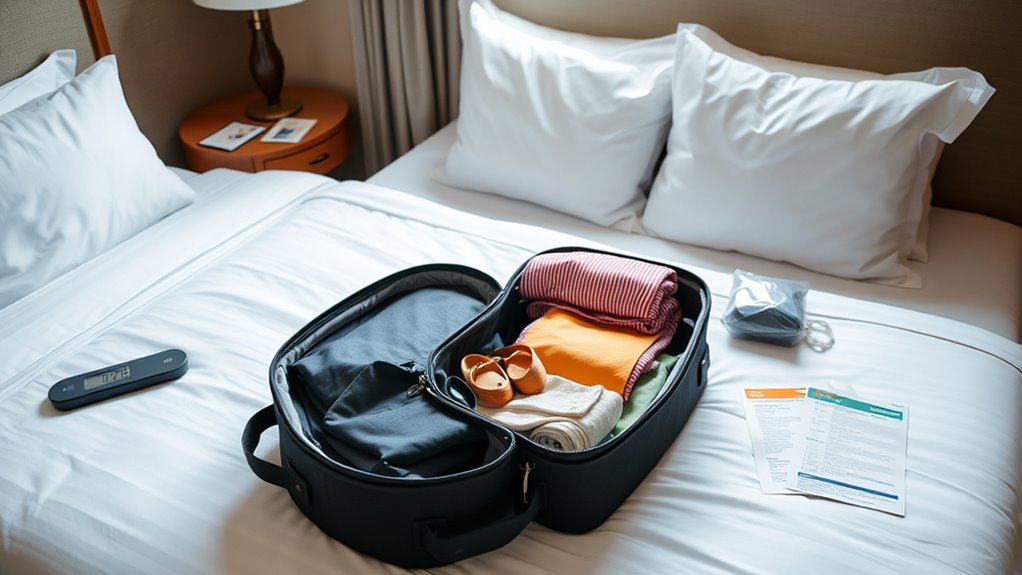
To reduce the risk of losing or damaging your checked luggage, start by choosing sturdy, distinctive bags that stand out on the baggage carousel. Use high-quality, durable luggage with reinforced corners and secure zippers to withstand rough handling. Add external ID tags with your contact information, but avoid displaying personal details openly. Inside, pack a secure, waterproof label with your name, phone number, and destination address. Photograph the contents and serial numbers of valuable items before travel—this speeds up claims if needed. Keep essentials, medications, and a change of clothes in your carry-on to avoid disruption if delays occur. Always verify that your baggage tag information matches your itinerary and retain your baggage receipt until your luggage arrives safely. Additionally, research companies thoroughly before investing in travel insurance or luggage protection plans to ensure comprehensive coverage in case of loss or damage. Remember to consider luggage security measures that can help prevent theft or tampering during transit. Being aware of modern luggage security technology can further enhance the safety of your belongings.
Using External and Internal ID Tags Effectively
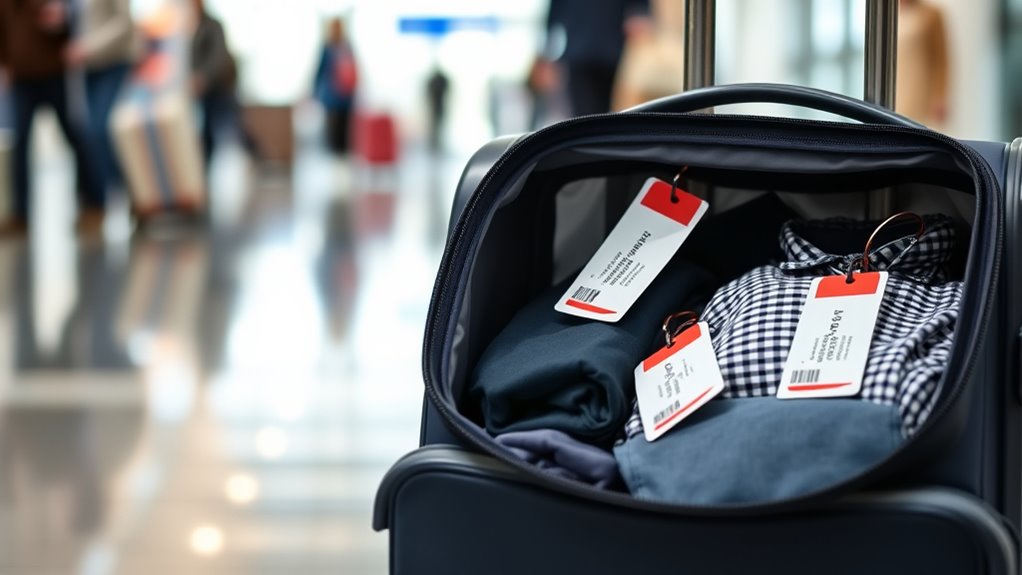
Using external ID tags helps your luggage stand out and makes it easier for handlers to identify, especially during transfers. Be sure to include clear, durable tags with your contact details, but avoid sharing personal information publicly. Inside your bag, place a secure note with your contact info and destination details to assist recovery if the external tag is lost or damaged. Incorporating style-specific labels can further help identify your luggage’s contents and prevent mix-ups. Additionally, using organized labeling techniques can streamline the process of locating your bag quickly. Employing professional project management support from specialized services can also ensure your luggage handling process is smooth and efficient. To further enhance security, consider using vetted luggage tags that are resistant to wear and tampering.
External Tag Strategies
External ID tags are a crucial line of defense against baggage mishandling, helping airlines and travelers quickly identify and recover lost luggage. Proper external tags can prevent misroutes and speed up recovery if your bag goes missing. Use a sturdy, brightly colored tag that stands out and resists weather. Confirm your name, destination, and contact info are clear but avoid exposing sensitive details. Attach the tag securely, preferably with a durable strap or plastic loop. Regularly check that the tag remains attached and legible throughout your journey. Consider adding a secondary, distinctive luggage cover or sticker to make your bag even more recognizable. These simple steps improve visibility and increase the chances of your bag being correctly routed and swiftly returned if mishandled. Incorporating reliable baggage infrastructure into your luggage setup can further enhance tracking and recovery efforts.
Internal Contact Details
Have you considered how internal contact details can boost your baggage recovery chances? Including a secure, printed copy of your contact information inside your luggage helps identify your bag if external tags come off or get damaged. Use a durable, waterproof tag with your name, phone number, and email—preferably a work or secondary contact—so staff can reach you quickly. Keep this internal label separate from your personal info to protect your privacy. Additionally, place a copy of your itinerary or boarding pass inside your bag, providing extra clues for airline staff. When mishandling occurs, internal contact details enable ground handlers and airline personnel to identify and contact you directly, speeding up recovery. Combining this with external tags creates a reliable system to get your luggage back promptly.
How to Prepare for Potential Delays or Losses

Preparing for potential baggage delays or losses starts with proactive planning. You can minimize stress and improve chances of quick recovery by taking simple steps before your trip. First, use sturdy, distinctive luggage and add external ID tags along with a secure internal copy of your contact details. Second, consider electronic tracking devices and register them with your airline to enable real-time updates. Third, photograph the contents and serial numbers of high-value items to facilitate claims. Fourth, pack essentials, including a change of clothes and medication, in your carry-on to stay prepared if checked baggage is delayed. Finally, verify your bag tag details at check-in and keep your baggage receipt until your luggage is safely recovered. These precautions help you stay ahead of delays and losses.
Immediate Steps to Take When Your Bag Is Delayed or Damaged

When your bag is delayed or damaged, head straight to the airline’s baggage service desk to report the issue and get a Property Irregularity Report. Make sure to gather evidence, like photos of the damage or contents, and keep all relevant documentation, such as your baggage receipt. Acting quickly helps guarantee your claim is processed efficiently and increases your chances of recovery.
Report Immediately at Airport
If your checked bag is delayed or damaged, it’s essential to act quickly upon arriving at the airport. Head straight to the airline’s baggage service desk to report the issue. Request a Property Irregularity Report (PIR) or a similar reference number for tracking. Provide clear details about your bag’s appearance, contents, and your contact info. Use airline tracing systems like WorldTracer to initiate the search process. Keep your baggage receipt and any boarding passes handy, as these are often required for claims. Be firm but polite, and ask how long it will take to resolve the issue. Remember, prompt reporting increases your chances of quick recovery and minimizes inconvenience.
- Approach the airline’s baggage desk immediately
- Clearly describe the problem and bag details
- Request and keep the Property Irregularity Report
- Register contact info for updates
- Keep all travel documents for future reference
Gather Evidence and Documentation
As soon as you notice your baggage is delayed or damaged, gather critical evidence to support your claim. Take clear photos of your luggage’s condition, including any damage or tampering. Capture images of the contents, especially high-value items, and note serial numbers or unique identifiers. Keep your baggage tags and receipts, ensuring they’re legible. Obtain a Property Irregularity Report (PIR) or similar documentation from the airline’s baggage service desk at arrival—this is essential for your claim. Record the date, time, and details of the incident, and note the names of airline staff you speak with. If possible, use airline tracking apps or centralized systems like WorldTracer to register your case. Proper documentation speeds up the process and strengthens your compensation chances.
Filing and Supporting Your Claim for Lost or Damaged Baggage

Filing a claim for lost or damaged baggage requires careful preparation and timely action. First, report the issue immediately at the airline’s baggage desk and get a Property Irregularity Report (PIR). Then, gather all supporting documents, including your boarding pass, baggage receipt, photos of damaged items, and proof of high-value contents. Use airline-provided tracing systems like WorldTracer to track your bag’s status and update your contact info regularly. Keep copies of all correspondence and receipts for purchases made due to delays. Be aware of deadlines for submitting claims, which vary by airline and jurisdiction. Supporting your claim with detailed evidence increases your chances of compensation and speeds up the process.
- Collect all relevant documents (boarding pass, receipts, photos)
- Report damage or loss immediately at the airline’s desk
- Register with baggage tracing systems for updates
- Keep copies of all communications and receipts
- Know the claim deadlines for your airline and jurisdiction
Navigating Liability and Compensation Rights in Europe
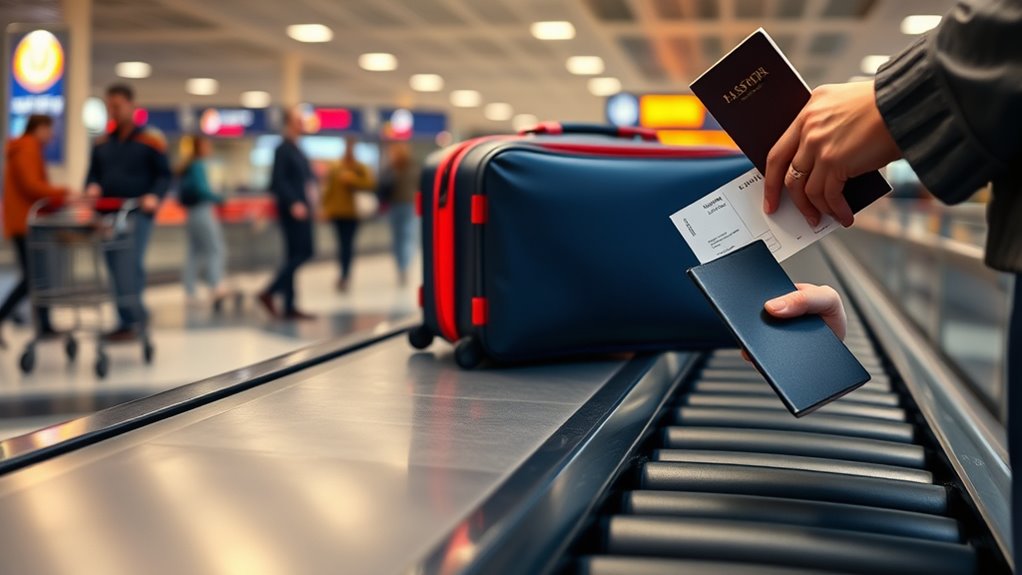
Managing liability and compensation rights in Europe requires understanding the legal frameworks that govern airline responsibilities for checked baggage incidents. The key regulation is the Montreal Convention, which sets limits on liability for delays, damage, or loss. Under this framework, airlines are responsible for mishandled baggage unless they can prove they took all reasonable measures. You must report issues promptly, as claims often have strict deadlines. To maximize your chances of compensation, gather supporting evidence like receipts, photos, and a Property Irregularity Report (PIR). Remember that liability caps vary by country and airline, and travel insurance can supplement airline coverage for high-value items. Knowing your rights helps you navigate claims efficiently and ensures you’re fairly compensated if mishandling occurs.
Proactive Strategies to Ensure Your Luggage Arrives Safely
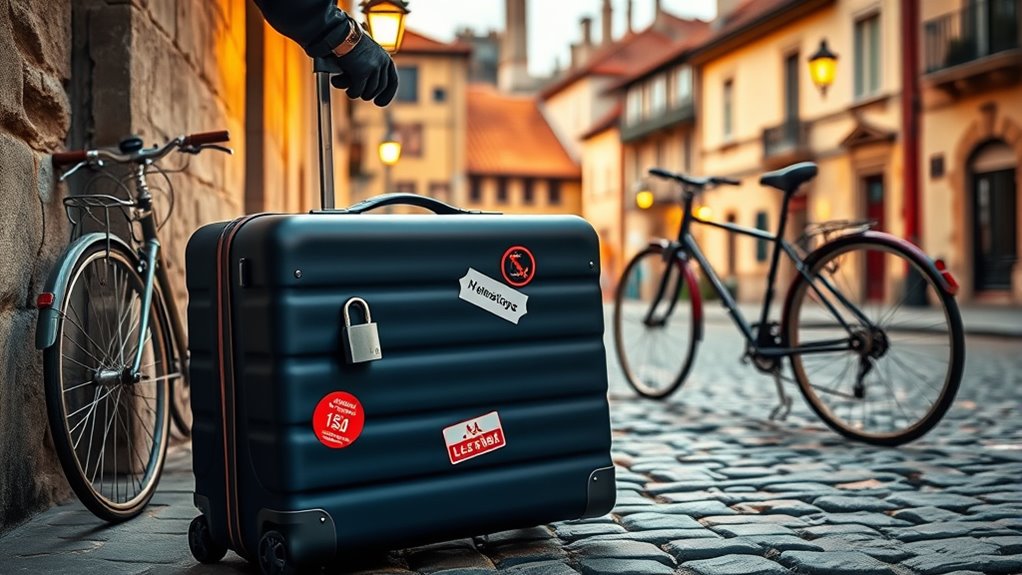
Taking proactive steps before your flight can substantially reduce the risk of your luggage being mishandled or delayed. Preparation is key to ensuring your bags arrive safely and on time. First, use sturdy, distinctive luggage and add external ID tags along with a secure internal contact card—this makes identification easier without exposing personal info. Second, apply electronic tracking devices where permitted and register them with your airline to enable real-time updates. Third, photograph high-value items and note serial numbers to streamline claims if needed. Fourth, pack essentials and a change of clothes in your carry-on to stay prepared if your checked bag gets delayed. Finally, verify your bag tag details at check-in and keep your baggage receipt until your luggage is safely delivered.
Frequently Asked Questions
How Do Airline Liability Limits Vary Across European Countries?
You should know that airline liability limits vary across European countries because they follow different interpretations of the Montreal Convention. While some nations set specific maximum compensation amounts, others allow airlines to limit liability based on declared value or actual loss. Always check your airline’s policy and consider travel insurance for high-value items, as limits can influence your compensation if your luggage gets lost or damaged.
What Are the Best Ways to Ensure Timely Baggage Claim Processing?
Think of baggage claim like a relay race—you want your bag to pass smoothly through each handoff. To guarantee timely processing, always report delays immediately, get a Property Irregularity Report, and use airline tracking tools like WorldTracer. Keep your receipts, take photos of contents, and verify bag tags at check-in. Staying proactive and organized speeds up recovery, helping you get your luggage back before it becomes a bigger hurdle.
Can I Use Consumer Tracking Devices With All European Airlines?
You can generally use consumer tracking devices with most European airlines, but it’s crucial to check each airline’s policies first. Many airlines support Bluetooth trackers and electronic tags, especially as they expand automated bag-drop options. Always register your device with the airline if required, and make sure it complies with security regulations. Using these devices can help you stay informed about your luggage’s location, increasing your chances of quick recovery if mishandled.
How Does Data Sharing Between Airlines Reduce Mishandling Incidents?
Data sharing between airlines decisively diminishes mishandling mishaps by delivering direct, detailed data dynamically. When you travel, this data exchange expedites the locating, labeling, and linking of bags, preventing misplaced parcels. It promotes prompt processing and precise pinpointing, reducing delays and damage. By bridging barriers between carriers, airports, and handlers, data sharing streamlines systems, secures satisfaction, and substantially shields your belongings from the chaos of careless mishandling.
What Are the Recent Legal Changes Affecting Baggage Compensation in Europe?
Recent legal changes in Europe, like updates to the EU Regulation 261/2004, increase passenger rights and streamline compensation procedures for delayed, damaged, or lost baggage. You now benefit from clearer timelines for filing claims and higher compensation limits for certain items. Airlines must provide prompt, transparent responses, and you can access faster dispute resolution. These reforms aim to enhance your protection, making it easier and more reliable to claim compensation when mishandling occurs.
Conclusion
By staying proactive and using the right strategies, you can avoid the nightmare of lost luggage in Europe. Imagine arriving for a vital business meeting only to find your bag delayed—if you’ve packed smart and tracked your baggage, you’re better prepared. For example, Sarah’s use of tech and proper tags helped her retrieve her delayed suitcase quickly, saving her time and stress. Follow these tips, and your European travels will be smoother and more enjoyable.