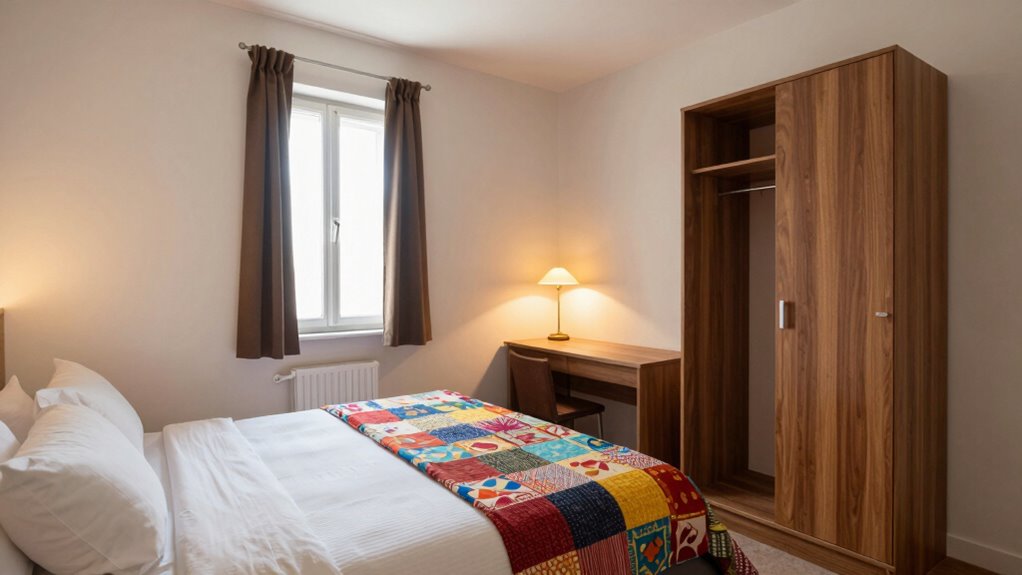

European hotel rooms are smaller mainly due to historic building constraints, limited urban space, and cultural expectations for compact, functional accommodations. These rooms maximize efficiency through clever design and space-saving furniture, catering to short stays and city travelers. You’ll find innovative solutions like foldaway beds and built-in storage to make the most of limited space. If you want tips on adapting and making the most of these rooms, there’s much more to explore below.
Key Takeaways
- Historic buildings and heritage preservation laws limit modifications, leading to naturally smaller hotel rooms in European city centers.
- High land costs and urban density encourage compact, efficient room designs to maximize profitability and space utilization.
- Regional living norms and a preference for functionality influence smaller room sizes tailored to short stays and city travel.
- Design innovations like multifunctional furniture and vertical storage optimize limited space while enhancing guest comfort.
- Technological solutions such as mobile check-in and smart controls streamline space use and improve the guest experience.

Pataku Folding Bed with Mattress, Twin Foldable Bed, Roll Away Beds for Adults, 75" x 31" Roll Away Portable Beds with 5" Mattress, Folded Frame for Small Apartment, Guest Room
【5 inch Memory Foam】Get a good night's sleep! The PATAKU Folding Foam Mattress features a unique structural design….
As an affiliate, we earn on qualifying purchases.
As an affiliate, we earn on qualifying purchases.
Historical and Urban Development Constraints Shape Room Sizes
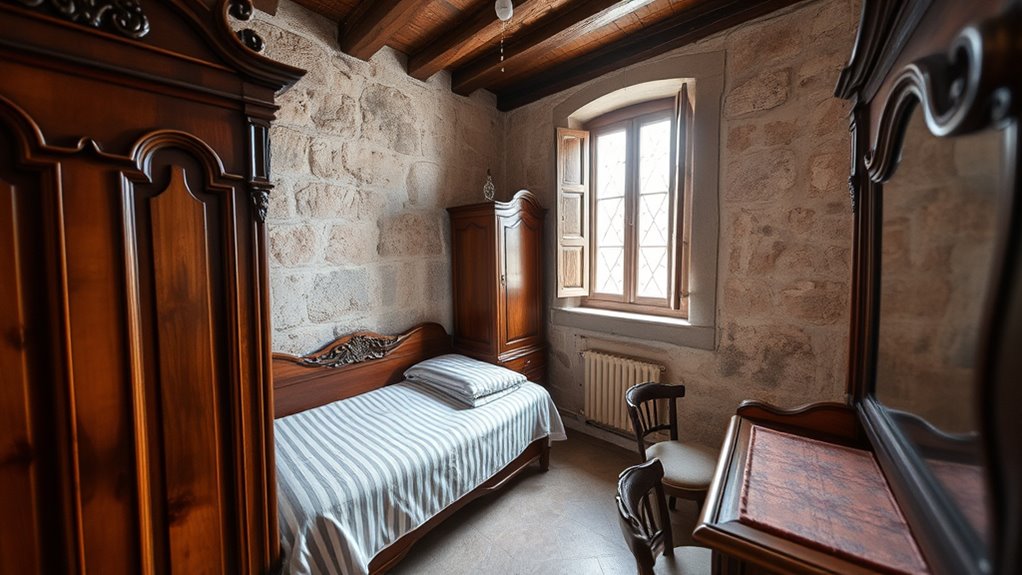
Many European city-center hotels are housed in historic buildings that impose strict constraints on room sizes. These buildings often have fixed floor plans and preservation rules that prevent major structural changes. As a result, enlarging rooms isn’t an option, and renovations must work within existing layouts. Narrow staircases, load-bearing walls, and limited space for expansion make creating larger rooms difficult. Heritage protection and zoning laws further restrict exterior modifications, keeping layouts compact. Additionally, many of these hotels occupy buildings originally designed for different uses, making efficient use of space essential. This architectural preservation significantly influences hotel design and layout choices. The need to balance heritage conservation with modern hospitality demands adds another layer of complexity to renovations. This historical context, combined with dense urban environments and high land costs, encourages hotels to maximize revenue with smaller rooms. These constraints shape the overall hotel landscape, prioritizing clever design over size. Recognizing these factors can help travelers better understand the unique charm and challenges of European accommodations urban density and heritage regulations.

Office Conference Room Coffee Table w/ 4 Chair, Space-Saving Furniture, Small Meeting Room Table, Office Reception Round Table Simple Kitchen Dining Table Set 1 Table 4 Chairs ( Color : Black Leather
☆ ◆ ☆ Cotton and linen material, wear-resistant and durable, comfortable to touch, soft and breathable. High quality…
As an affiliate, we earn on qualifying purchases.
As an affiliate, we earn on qualifying purchases.
Economic Factors Driving Compact Room Offerings
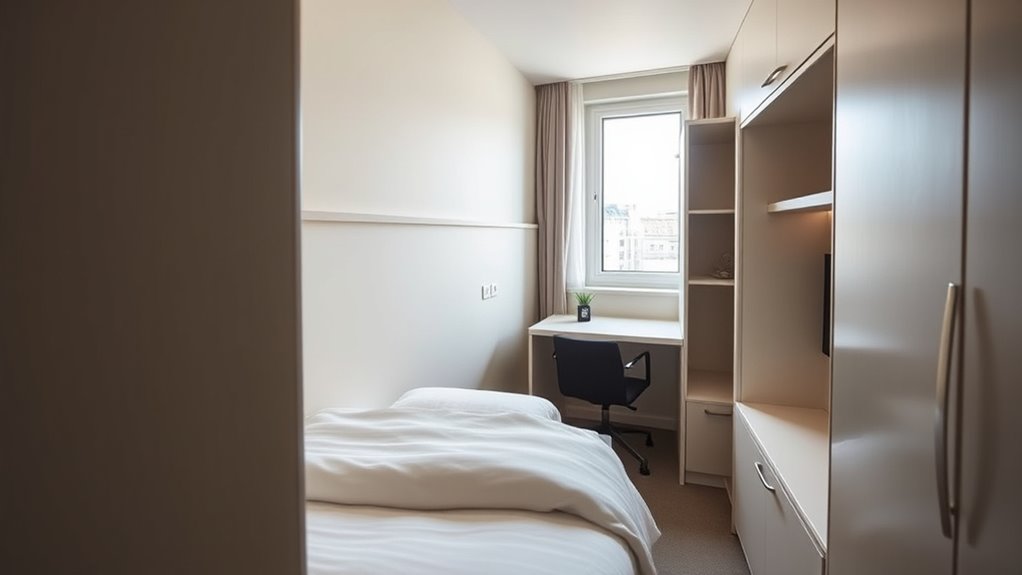
You’ll find that high construction costs and limited urban land make smaller rooms more profitable for hotel operators. With demand focused on location and high-density areas, maximizing room counts becomes a key economic strategy. As a result, compact rooms are a practical response to the financial realities of European city-center hotels. Additionally, incorporating efficient space utilization strategies can further optimize room layouts and enhance guest comfort despite limited space. Implementing cost-effective design methods can also help hotel owners balance affordability with quality. Considering urban land scarcity, hotels are increasingly adopting innovative layouts to make the most of restricted footprints and sustainable building practices to reduce environmental impact. Moreover, leveraging multi-functional furniture can optimize limited space and improve guest convenience.
High Construction Costs
High construction costs in European urban centers considerably influence the design and size of hotel rooms. To maximize profitability, developers opt for smaller rooms that fit within tight budgets. Here’s how high costs shape room offerings:
- Smaller footprints reduce overall construction expenses, making projects financially viable.
- Limited renovations prevent expanding room sizes, especially in historic buildings with strict preservation rules.
- Efficient space use becomes essential, leading to multifunctional furniture and creative layouts.
- Fewer large rooms are built, favoring higher room counts that generate more revenue per square meter.
- Incorporating affordable, versatile furnishings allows for maximizing space without increasing costs, ensuring designs remain economical. Additionally, the push for cost-effective design influences the adoption of minimalist aesthetics that appeal to budget-conscious travelers.
- The preference for compact room layouts also helps hoteliers adapt to urban constraints and fluctuating market demands, further supporting sustainable profitability. This focus on maximizing every square meter underscores the importance of space efficiency in modern hotel design.
- As a result, technological innovations in space-saving furniture and interior solutions are increasingly being integrated to enhance functionality within limited spaces.
Urban Land Limitations
Limited urban land availability in European city centers compels hoteliers to maximize revenue through higher room density. With space at a premium, they design smaller rooms to fit more units within the same footprint, boosting income per square meter. Historic buildings often have fixed layouts and heritage restrictions, limiting renovations and expansion possibilities. High land prices and dense development push operators to prioritize smaller, more affordable rooms that appeal to short-stay travelers focused on location. Additionally, zoning laws and preservation rules restrict exterior modifications, maintaining compact footprints. Market economics also favor small rooms, as construction costs in city centers are steep. This combination of land scarcity, regulation, and economic incentives drives the proliferation of smaller hotel rooms across Europe’s urban cores. Furthermore, urban planning constraints can influence interior design choices, promoting sustainable and resource-efficient amenities that appeal to eco-conscious guests.
Demand for Higher Density
Economic factors strongly incentivize European hoteliers to prioritize higher density in their property designs. To maximize revenue, they focus on fitting more rooms into limited space, driven by several key reasons:
- High land and construction costs in city centers make smaller rooms more profitable.
- The popularity of boutique and small hotels favors compact layouts with fewer than 25 rooms.
- Short-stay tourists prioritize location over space, supporting smaller rooms for premium prices.
- Operating efficiencies from smaller rooms reduce staffing and cleaning costs, boosting margins.
- Chain of custody procedures and evidence management techniques inform how these hotels handle data security and guest information to ensure compliance and protect privacy. Additionally, the integration of cultural heritage considerations influences design choices, making spaces more adaptable to local traditions and guest expectations.
- Ongoing visual and auditory cues in room design can enhance guest comfort and satisfaction, further supporting smaller, multifunctional spaces. Incorporating sound healing science principles, for example, can improve the overall ambiance and relaxation experience for guests.
These economic pressures encourage the development of smaller, multifunctional spaces that optimize land use and reduce expenses. As a result, European hotels often offer smaller rooms to stay competitive and meet market demands efficiently.

MAX Houser 4 Drawer Narrow Dresser Fabric Storage Tower Vertical Slim Storage Chest Organizer Nightstand Side/End Table Small Standing Organizer Removable Drawers Wood Top for Bedroom, Bathroom(Grey
Fabric Storage Drawer Tower:The vertical design fits easily in many locations throughout the home; This fabric dresser is…
As an affiliate, we earn on qualifying purchases.
As an affiliate, we earn on qualifying purchases.
Cultural Norms and Regional Guest Expectations
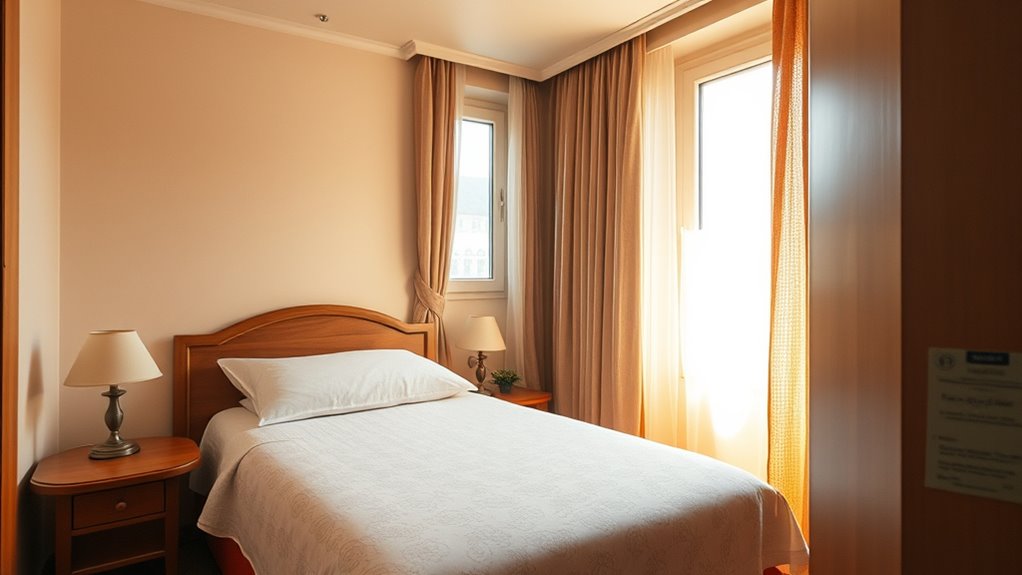
In Europe, smaller living spaces shape guest expectations, making compact hotel rooms feel normal and practical. Design choices focus on functionality and maximizing every inch, aligning with regional preferences for efficient use of space. Since many travelers stay only briefly, they often prioritize location and experience over room size, influencing regional hospitality standards. Additionally, understanding the cultural norms surrounding space can help travelers better adapt to these environments. Recognizing local space utilization customs can also assist hotel designers in creating rooms that meet regional standards while maintaining comfort. Embracing efficient design principles allows for maximizing comfort within limited areas, further aligning with regional expectations. Moreover, the emphasis on environmental considerations encourages sustainable practices that are integrated into space-efficient hotel designs. Incorporating space-saving innovations can further enhance guest comfort while respecting regional space expectations.
Regional Space Norms
Cultural norms and regional guest expectations shape the design and size of hotel rooms across Europe, often resulting in smaller accommodations compared to other markets. You’ll notice that European guests value efficient use of space, design, and functionality over sheer size. Here’s what influences this:
- Many Europeans live in smaller homes, normalizing compact hotel rooms.
- Regional preferences favor twin beds or two singles, not larger beds.
- Short city trips focus on exploring, so in-room space is less critical.
- Public spaces like cafes and parks are central, reducing the need for expansive rooms.
- Space-efficient design is a key priority for hoteliers aiming to meet these expectations.
These norms lead hotels to prioritize smart layouts, multifunctional furniture, and space-saving solutions to meet guest expectations while maintaining a compact footprint.
Design Priorities Shift
As guest expectations evolve, hotel design in Europe increasingly prioritizes functionality and aesthetics over spaciousness. You’ll notice a focus on smart layouts, multifunctional furniture, and space-saving solutions. Regional norms influence these choices—compact rooms are standard, and design emphasizes quality materials and visual appeal rather than size. Hotels optimize vertical space with loft beds and wall-mounted desks, while wet-room bathrooms save footprint.
| Design Element | Purpose | Impact |
|---|---|---|
| Foldaway beds | Maximize sleeping capacity | Frees space during the day |
| Wall-mounted desks | Enhance circulation and utility | Keeps rooms uncluttered |
| Vertical shelving | Increase perceived room size | Creates storage without footprint |
Short-Stay Travel Patterns
Short-stay travel patterns heavily influence European hotel room design and occupancy strategies. Since most guests stay a few nights, the focus is on location, convenience, and maximizing turnover rather than spaciousness. This results in smaller rooms that prioritize efficiency. Key factors include:
- High turnover rates—encouraging compact rooms optimized for quick cleaning and check-in.
- City-center demand—driving design choices that favor smaller footprints to fit historic, constrained buildings.
- Shorter stays—reducing demand for large suites, instead offering functional, multi-use spaces.
- Tourist preferences—valuing proximity to attractions over room size, with guests spending more time outside than inside.
These patterns reinforce the need for adaptable, space-saving solutions that cater to quick, cost-effective stays rather than long-term comfort.

Waterless Essential Oil Diffuser,Hotel Home Aromatherapy Scent Diffuser with Smart APP & Touch Screen,250ml Capacity,1500 sq.ft Coverage|Large Room Oil Diffusers for Hotel Collection,Easter Day Gift
✅【 Our is a " Real Waterless Diffuser"】: As a Professional Hotel Oil Diffuser it must be without…
As an affiliate, we earn on qualifying purchases.
As an affiliate, we earn on qualifying purchases.
Innovative Space-Saving Design Solutions in European Hotels
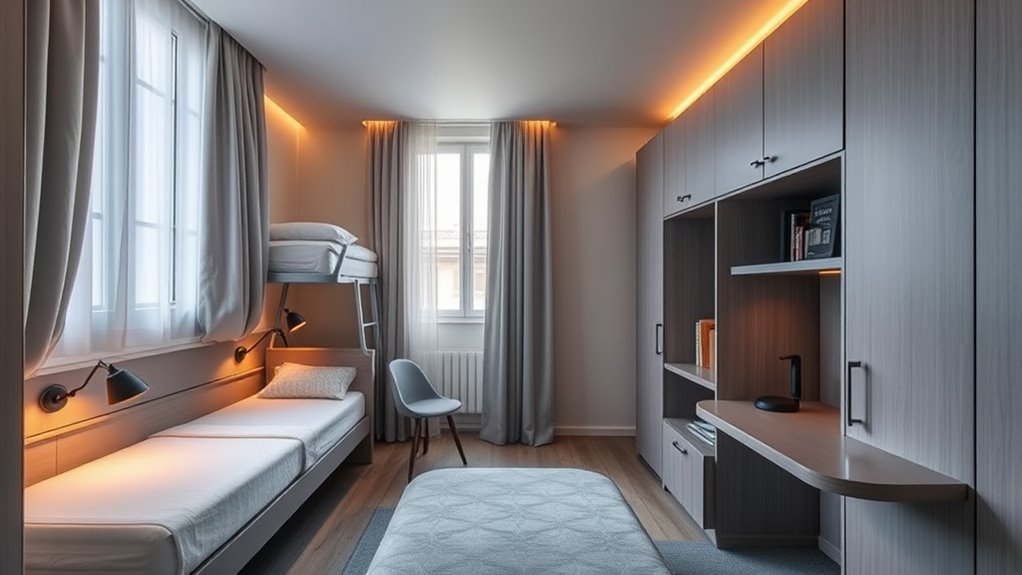
To make the most of limited space, European hotels employ a variety of innovative design solutions that maximize functionality without sacrificing comfort. Multifunctional furniture is key—think foldaway beds, wall-mounted desks, and built-in storage that free up room. Bathrooms often use wet-room designs, corner showers, and combined toilet/shower units to save space. Creative layouts incorporate elevated platforms, integrated wardrobes, and clever use of vertical space with shelving and loft areas. Light colors and strategic lighting expand perceived room size, while reflective surfaces add to the sense of openness. Technology also plays a role—keyless entry and mobile check-in reduce the need for extra space dedicated to reception areas. These solutions help optimize every square foot, making small rooms feel more spacious and functional for guests.
Comparing Room Sizes: Europe Versus North America

European hotel rooms are generally smaller than their North American counterparts, reflecting differences in design philosophies, urban constraints, and market expectations. You’ll find that the average European room is around 160–220 sq ft, whereas North American rooms often range from 300–350 sq ft. To understand these differences, consider:
- Urban density and historic buildings limit expansion, leading to more compact rooms.
- Higher land costs in Europe incentivize maximizing room count over size.
- Cultural norms and shorter stays favor smaller, functional spaces.
- Design innovations, like multifunctional furniture and space-saving layouts, optimize limited areas.
These factors combine to make European hotel rooms more efficient but often smaller. When traveling, adjusting your expectations and planning ahead can help you find more spacious options better suited to your comfort needs.
The Rise of Small-Room Brands and Micro-Hotels

Over the past decade, the hotel industry in Europe has seen a significant shift toward small-room brands and micro-hotels, driven by economic, design, and lifestyle trends. These concepts maximize urban space efficiency while appealing to budget-conscious and experience-driven travelers. Micro-hotels focus on compact, functional rooms with innovative design solutions like foldaway furniture and vertical storage. Many small-room brands target high-density city centers, offering affordable stays without sacrificing style. This trend also aligns with changing guest preferences for shorter stays, local experiences, and communal spaces. Here’s a quick comparison:
| Aspect | Large Hotels | Micro-Hotels | Small-Room Brands |
|---|---|---|---|
| Room Size | 250+ sq ft | 120-150 sq ft | 150-220 sq ft |
| Cost Efficiency | Moderate to high | High | High |
| Guest Focus | Comfort & space | Functionality & convenience | Affordability & location |
| Design Approach | Traditional layouts | Creative, space-saving | Compact, modern |
Practical Tips for Travelers Seeking More Space

If you’re looking for more space during your stay, booking higher-category rooms like superior or deluxe options is one of your best bets, as these often come with markedly larger footprints. To maximize comfort, consider these tips:
- Specify room size or category when booking to ensure you’ll get a larger space.
- Choose hotels in suburbs or near transport hubs, which tend to have bigger rooms compared to city-center historic hotels.
- Request specific bedding arrangements—a double bed instead of twin beds pushed together can improve comfort.
- Pack efficiently with soft luggage, minimize bulky items, and use laundry services to reduce storage needs.
Using these strategies helps you make the most of limited European hotel spaces and enjoy a more comfortable stay.
Future Trends and Potential Changes in Hotel Room Design

As hotel room design evolves to meet changing guest preferences and technological advancements, future trends are likely to focus on maximizing space efficiency, personalization, and sustainability. You can expect smarter layouts that incorporate multifunctional furniture, foldaway beds, and built-in storage to make small rooms feel more spacious. Vertical space will be better utilized with lofted beds, wall-mounted desks, and shelving. Eco-friendly materials and energy-efficient appliances will become standard, reducing environmental impact. Technology will play a bigger role, with keyless entry, mobile check-in, and smart room controls enhancing convenience. Design will emphasize light, color, and materials that create a sense of openness. Overall, future hotel rooms will balance compactness with comfort, offering personalized experiences while prioritizing sustainability and innovative use of limited space.
Frequently Asked Questions
Why Are European Hotel Rooms Generally Smaller Than North American Counterparts?
You’ll find European hotel rooms are generally smaller because of historical building constraints, high land costs, and urban density, which limit expansion. Market preferences for short stays and location prioritize compact, efficient spaces. Design solutions maximize utility with multifunctional furniture and vertical storage. Additionally, cultural norms and shorter travel durations reduce demand for larger rooms, making smaller footprints the practical and popular choice for hoteliers in European cities.
How Do Heritage Preservation Rules Limit Hotel Room Expansion in Europe?
Imagine walking through a centuries-old building with ornate stone walls and intricate carvings. Heritage preservation rules keep these historic facades intact, limiting your hotel’s ability to expand outward or modify exterior structures. Inside, load-bearing walls and narrow staircases remain untouched, restricting room size. These rules aim to protect architectural history, but they also confine developers, making larger rooms impossible without risking the building’s historic integrity.
Are Small Rooms More Common in Specific European Countries or Cities?
You’ll find small hotel rooms are most common in historic cities like Paris, Venice, and Rome, where preservation rules and dense urban layouts limit expansion. In these places, space is tight, and buildings are often converted historic structures with fixed layouts. Smaller rooms also dominate in busy city centers across the UK, Ireland, and parts of Central Europe, where land costs are high and market preferences favor efficient, compact accommodations.
Do Hotel Room Sizes Vary Between Boutique and Chain Hotels in Europe?
You’ll find that boutique hotels in Europe often have smaller rooms than chain hotels, sometimes even more so than your typical chain. Boutique properties prioritize unique design and location, leading to creative use of limited space. Chains, on the other hand, usually offer more standardized, slightly larger rooms to meet guest expectations. So, if you want more space, go for a chain, but if you seek charm, boutique hotels pack a punch in small footprints.
Will Future Regulations or Market Shifts Lead to Larger European Hotel Rooms?
Future regulations or market shifts are unlikely to substantially increase European hotel room sizes soon. Urban development constraints, heritage preservation, high land costs, and market preferences favor smaller rooms. However, if demand for larger space grows or regulations ease, some properties might expand rooms, especially in newer developments outside historic centers. For now, expect most European hotels to keep offering compact, efficient rooms tailored for short stays and urban exploration.
Conclusion
So, next time you book a European hotel, remember—you’re not just paying for a bed, but a masterclass in space-saving ingenuity. Embrace the cozy charm, or bring your own inflatable mansion. After all, who needs room to dance when you can perfect the art of living large in 100 square feet? Just think of it as a stylish adventure in minimalism—where the only thing smaller than the rooms is your luggage. Cheers to compact luxury!