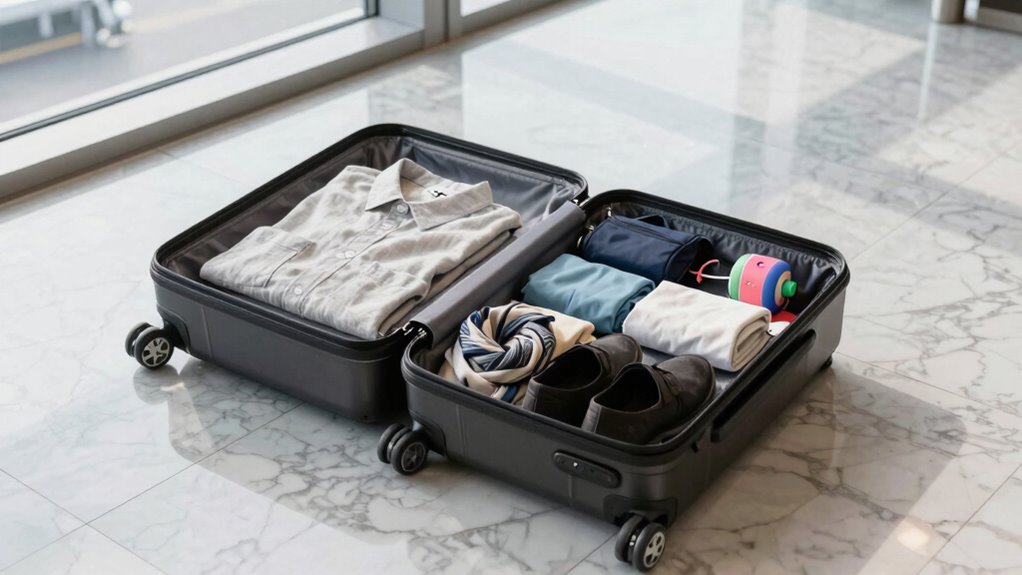

When traveling to Europe with just a carry-on, you need to watch out for the new size limits—40 x 30 x 15 cm—that most airlines are adopting by mid-2025, which are much smaller than US standards. You’ll also need to pack liquids in 100ml containers and optimize your space with packing cubes. If you skip these vital rules, you risk delays, extra fees, or having your bag rejected. Stay tuned to learn key tips for a smooth European trip.
Key Takeaways
- EU’s new carry-on size limit is 40 x 30 x 15 cm, with full enforcement expected by summer 2025.
- American Airlines may reduce their carry-on size to align with European standards, around 55 x 35 x 20 cm.
- US carry-ons are typically larger (22 x 14 x 9 inches) than EU limits, so packing within smaller dimensions is crucial.
- Liquids in carry-on must be in 100ml containers, requiring careful packing and transfer into travel-sized bottles.
- Use packing cubes, rolling clothes, and prioritize versatile, lightweight items to avoid overpacking and meet airline restrictions.
Understanding the New EU Carry-On Standards
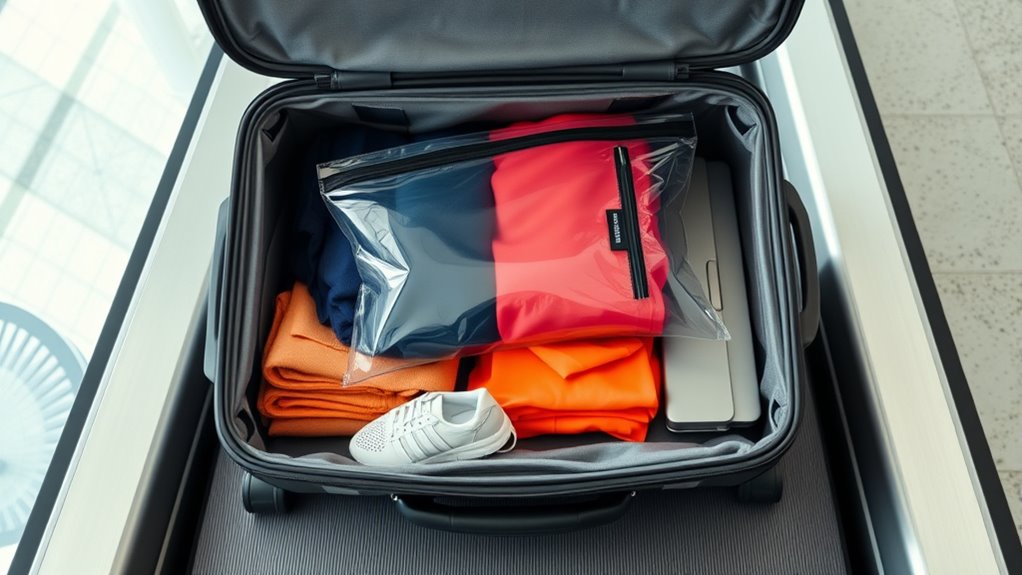
Starting September 1, 2024, the EU is implementing stricter carry-on standards designed to streamline travel and reduce overhead bin congestion. You’ll now need to pack within a maximum personal item size of 40 x 30 x 15 cm, roughly the size of a medium backpack. Airlines are prohibited from enforcing smaller limits, meaning you’ll benefit from up to 20% more space compared to previous rules like Ryanair’s. These changes aim to standardize baggage sizes across carriers, making your boarding experience smoother. The full rollout will be complete by summer 2025, so expect these standards on most European flights soon. Remember, the new rules also reintroduce the 100ml liquid limit, so pack liquids accordingly to avoid security delays. Being prepared will help you travel stress-free through European airports. Modern luggage regulations are designed to make packing more efficient and less stressful for travelers. Additionally, these new standards reflect a move towards more sustainable travel practices that benefit both travelers and airlines. Incorporating UST projectors and ALR screens into your travel setup can enhance your in-flight entertainment experience, making long journeys more enjoyable. To maximize your packing efficiency, consider using space-saving techniques that help you fit everything you need within these new size constraints. Properly understanding airline baggage policies can further prevent last-minute issues at the gate.
How American Airlines’ Policies Align With European Rules
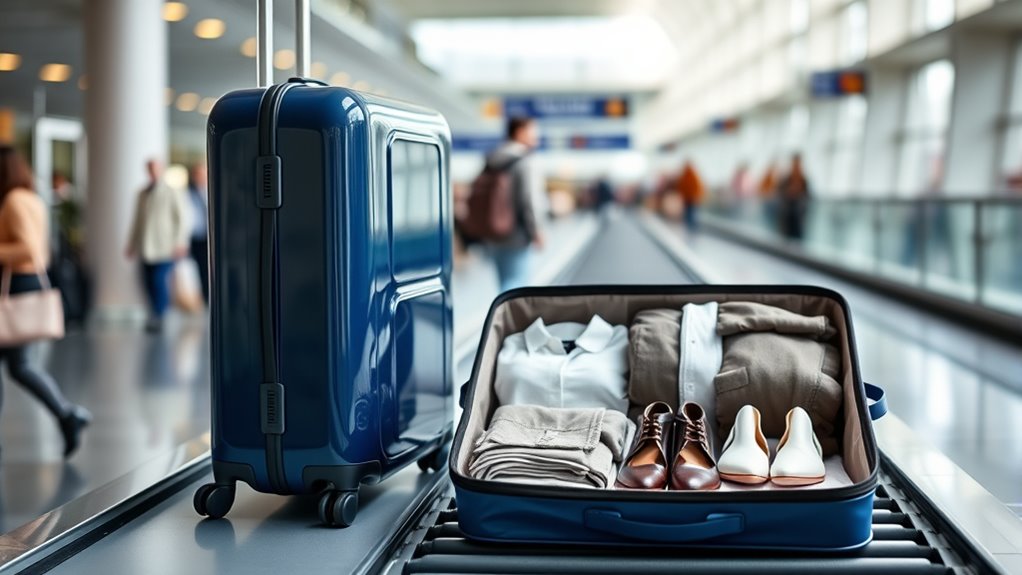
As European carry-on standards tighten with the new 40 x 30 x 15 cm limit coming into effect, American Airlines is working to align its policies accordingly. Currently, its carry-on size limit is 22 x 14 x 9 inches (56 x 36 x 23 cm), which exceeds the EU’s new personal item standard. However, rumors suggest the airline may reduce its size limit to around 55 x 35 x 20 cm by January 2025, aligning more closely with European regulations. While no official announcement has been made yet, American Airlines is updating its guidelines to meet international standards by 2025. This move aims to streamline baggage policies, reduce delays, and better prepare travelers for the upcoming regulatory changes across Europe. Baggage policy synchronization and other practical space-saving tips can help travelers organize their packing more efficiently. Incorporating standardized baggage dimensions can further ease the transition for frequent travelers, especially as carry-on size limits become more uniform across airlines. Additionally, adopting wave and wind considerations in packing can help optimize space and protect fragile items during travel.
Comparing Bag Sizes: US vs. Europe Standards

While US and European carry-on standards differ markedly, understanding their size differences helps you pack more efficiently for your travels. The US standard is 22 x 14 x 9 inches (56 x 36 x 23 cm), giving about 3,600 cubic inches of space. European airlines are tightening standards to 40 x 30 x 15 cm (15.7 x 11.8 x 5.9 inches), roughly 1,800 cubic inches—half the US size. A proposed US size reduction to 55 x 35 x 20 cm aligns more closely with European limits and is accepted across many international carriers. Keep in mind, EU personal items are often medium-sized backpacks, fitting within 40 x 30 x 15 cm. Knowing these differences guarantees your bag meets airline requirements and prevents surprises at the gate. Being aware of carry-on regulations can save you time and stress during airport check-ins. Additionally, understanding airline policies on baggage size helps you avoid unexpected fees or gate rejections. It’s also helpful to stay informed about regulatory standards to ensure compliance across different airlines and countries. Being familiar with size variations enables travelers to adapt their packing strategies accordingly.
The Impact of Reintroducing Liquid Limits in Europe

Reintroducing the liquid limit in Europe means you’ll need to adjust your packing habits and security expectations. You’ll have to carefully measure and limit the liquids you carry, sticking to the 100ml rule for each container. This change aims to streamline security checks and reduce delays at European airports. Pack smaller bottles of essentials like shampoo, lotion, and toothpaste, and consider transferring liquids into travel-sized containers. If you ignore the limit, your liquids could be confiscated, causing inconvenience and potential delays. Be mindful that the restriction applies to all liquids, gels, and aerosols in your carry-on. This reintroduction emphasizes the importance of planning ahead, ensuring your liquids stay within the permitted volume to avoid surprises during security screening. Understanding security protocols can help travelers prepare effectively and avoid unnecessary issues. Additionally, being aware of security zone info can help you navigate the screening process more smoothly. Properly organizing your liquids and knowing the liquid restrictions can make the security process much more efficient, especially when you are aware of piercing care and hygiene considerations that might affect your travel preparations. Being familiar with the carry-on rules can further enhance your travel experience by preventing last-minute surprises.
Essential Tips for Packing Light and Smart for European Flights

Packing light and smart for European flights starts with understanding the recent baggage size adjustments and security rules. Know that new standards now limit personal items to 40 x 30 x 15 cm, similar to a medium backpack, and many airlines are shifting toward a 55 x 35 x 20 cm carry-on limit. Measure your bag carefully with airline sizers before leaving home. Choose versatile clothing that can be mixed and matched, and pack lightweight, quick-drying fabrics. Rolling clothes saves space and prevents wrinkles. Limit liquids to 100ml containers, and only bring essentials. Wear bulky items during transit to save space. Additionally, understanding field-of-view considerations can help you pack the right gear if you plan to capture scenes during your trip. Being aware of space-saving techniques can also help maximize your limited luggage capacity. Incorporating compact packing strategies can further optimize how much you can bring. Utilizing clothing compression methods can significantly reduce the volume of your clothing. Using smart packing tools like compression bags or packing cubes can make a significant difference in organizing your belongings. Finally, double-check your airline’s specific size and weight restrictions to avoid surprises at the gate. Being prepared helps you travel efficiently and stress-free.
Common Pitfalls and How to Avoid Baggage Surprises
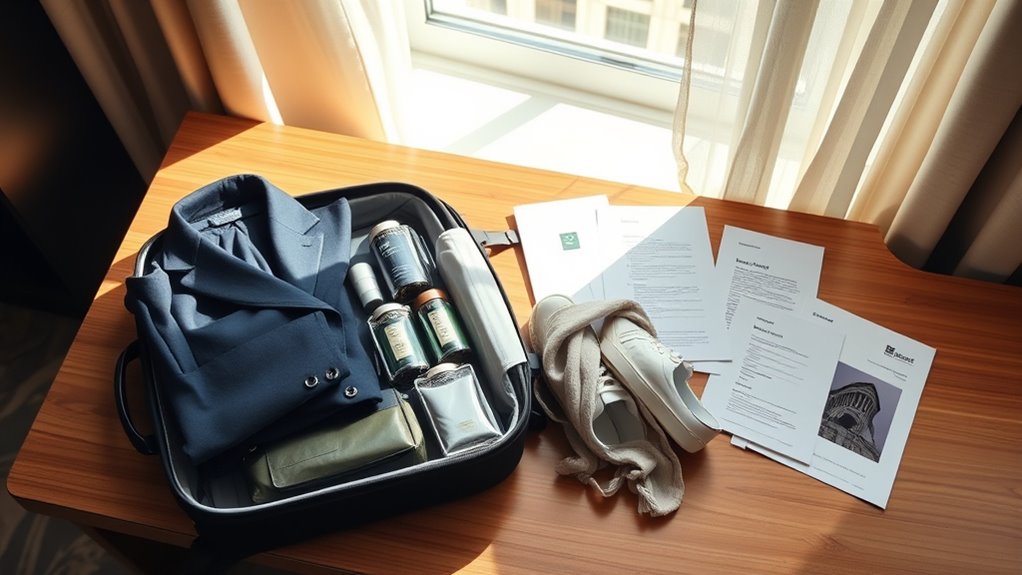
Overpacking can quickly turn your carry-on into a hassle, risking extra fees or the need to check your bag. Ignoring airline specs often leads to surprises at security or boarding, delaying your trip. To avoid these pitfalls, always measure your bag and double-check airline guidelines before packing. Additionally, understanding carry-on size restrictions can help you navigate travel conversations more smoothly. Being aware of water-resistant or waterproof luggage features can also be beneficial if you encounter unexpected weather conditions during your trip.
Overpacking Risks
Have you ever arrived at the gate only to find your bag doesn’t quite fit the size limits? Overpacking is a common mistake that leads to surprises and extra fees. When you pack too much, you risk having to check your bag or pay for oversized luggage. This can delay your trip and add costs you didn’t plan for. To avoid this, imagine your bag bursting at the seams, pressing against the zipper, or overflowing from the top.
- Filling every inch with clothes, shoes, and gadgets
- Overestimating how much you’ll need for your trip
- Forgetting airline size restrictions
- Not leaving space for souvenirs or essentials
Sticking to a strict packing list and measuring your bag beforehand helps prevent these pitfalls. Less truly is more.
Ignoring Airline Specs
Many travelers overlook airline size limits, assuming their bags will fit without checking specifications. This oversight can lead to surprises at the gate, delays, or the need to check your bag last-minute. Each airline has its own restrictions—US carriers like American Airlines typically allow 22 x 14 x 9 inches, while European airlines often enforce smaller dimensions. Ignoring these rules means risking your carefully packed essentials being rejected or forced into the cargo hold. To avoid this, always measure your bag with airline sizers before heading to the airport. Check the airline’s website for the most current size and weight limits, especially if you’re switching carriers or flying codeshare routes. Being proactive saves time, stress, and potential extra fees.
Frequently Asked Questions
Will American Airlines Start Enforcing New European Carry-On Size Limits?
American Airlines hasn’t officially announced plans to enforce the new European carry-on size limits yet. However, they’re planning to align with stricter international standards in 2025, which could mean smaller size restrictions for your bags. You should stay updated by checking their website and measuring your bags against the upcoming limits. Prepare for potential adjustments, and always verify your airline’s current policies before traveling to avoid surprises at the gate.
How Do European Standards Affect International Travelers With Us-Based Airlines?
If you fly with US-based airlines, European standards will soon influence your baggage limits, creating a mix of frustration and relief. You might face stricter size rules, but also gain more packing space compared to older US restrictions. Stay vigilant by measuring your bag against airline sizers and checking policies, so you avoid surprises at the gate. Adapting now means smoother travels and fewer last-minute worries.
Are There Weight Restrictions That Complement the Size Limits for European Flights?
Yes, European flights often have weight restrictions that complement size limits. You should check your airline’s specific rules, but typically, carry-on bags must weigh between 8 to 10 kg (17.6 to 22 lbs). Exceeding weight limits can lead to gate delays or the need to check your bag. Always weigh your luggage before heading to the airport and verify policies on the airline’s website to avoid surprises.
What Are the Best Packing Strategies for Compliance With EU Carry-On Rules?
You should pack smartly by choosing versatile, lightweight clothing that can be layered. Use packing cubes to maximize space and keep items organized. Roll your clothes instead of folding to save room and reduce wrinkles. Be mindful of the size limits, measuring your bag beforehand. Limit toiletries to 100ml containers and pack them in a clear, resealable bag. Prioritize essentials and leave non-essentials behind to stay within EU carry-on restrictions.
How Soon Will Airlines Notify Passengers About Upcoming Carry-On Policy Changes?
Airlines usually notify passengers about upcoming carry-on policy changes at least several weeks in advance. You should regularly check your airline’s website or email updates for notices. Airlines aim to give travelers enough time to adjust their packing plans, especially when new size limits or security rules come into effect. Staying proactive helps you prepare early, avoiding surprises and ensuring your luggage meets the latest regulations.
Conclusion
Packing light for Europe might seem challenging, but it’s worth it. Don’t let fear of limited space hold you back — embrace the freedom of carry-on only travel. Imagine stepping off the plane without hassles or extra fees, ready to explore. You’ll save time, money, and stress, making your trip more enjoyable. Trust yourself, pack smart, and discover the joy of effortless European adventures. You’ve got this — your best trip starts now.