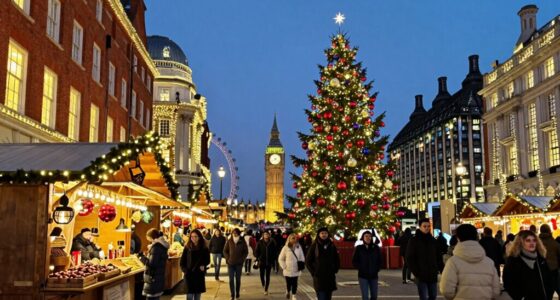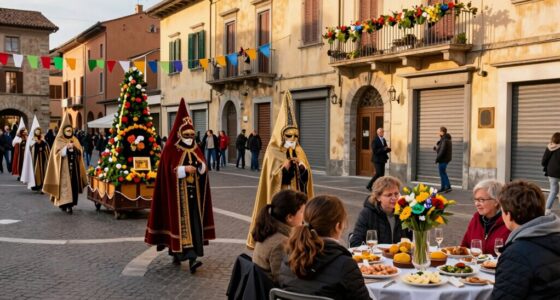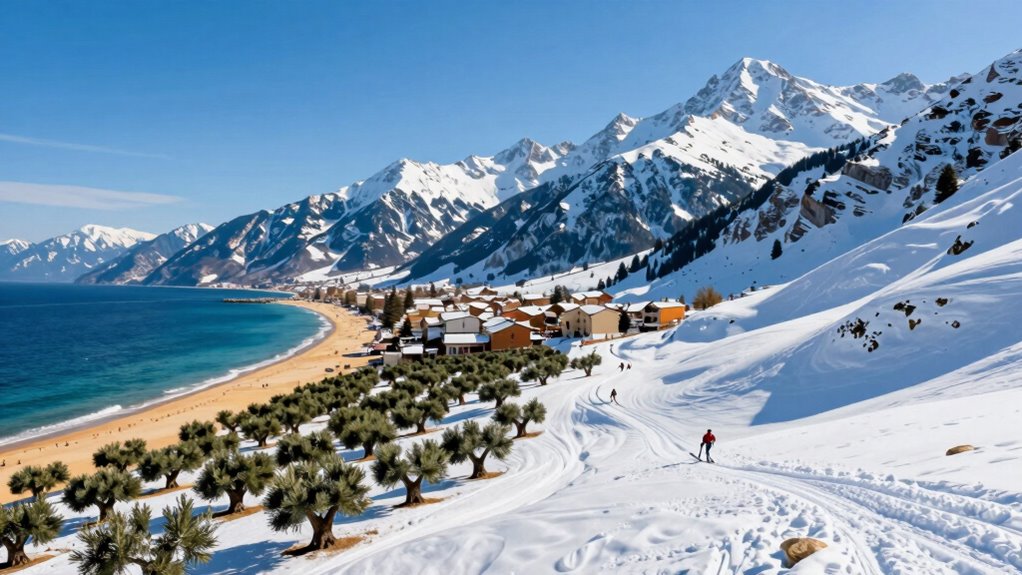

In February, if you want warm sunshine, head to southern Europe like the Canary Islands, Sicily, or Malta where temperatures range from 15-22°C and outdoor activities are possible. For snowy peaks and skiing adventures, the Alps offer reliable snow conditions at high-altitude resorts such as Zermatt or Val Thorens. Whether you choose sunny relaxation or winter sports, exploring these options will help you plan your perfect February escape. Keep going to discover which destination suits your style best.
Key Takeaways
- Southern European destinations like Canary Islands, Sicily, and Algarve offer mild temperatures (15-22°C) and sunshine for sun-seekers in February.
- Alpine resorts such as Val Thorens and Zermatt provide reliable snow, glacier skiing, and winter sports at higher altitudes.
- Coastal and cultural cities in the south (Malta, Crete) are ideal for exploring historic sites and outdoor activities in warmer weather.
- February is perfect for snow sports in the Alps, especially at high-altitude and glacier resorts with consistent snow coverage.
- Planning ahead and choosing high-altitude or glacier destinations enhances snow reliability while southern spots suit those seeking sun and relaxation.

findway Ski Goggles OTG – Over Glasses Snow/Snowboard Goggles for Men, Women & Youth – 100% UV Protection
【Professional Ventilation】-Designed to reduce fogging and optimizes the flowing air over the inside of the lens.ski goggles provide…
As an affiliate, we earn on qualifying purchases.
As an affiliate, we earn on qualifying purchases.
The Charm of the Alpine Snow Scene
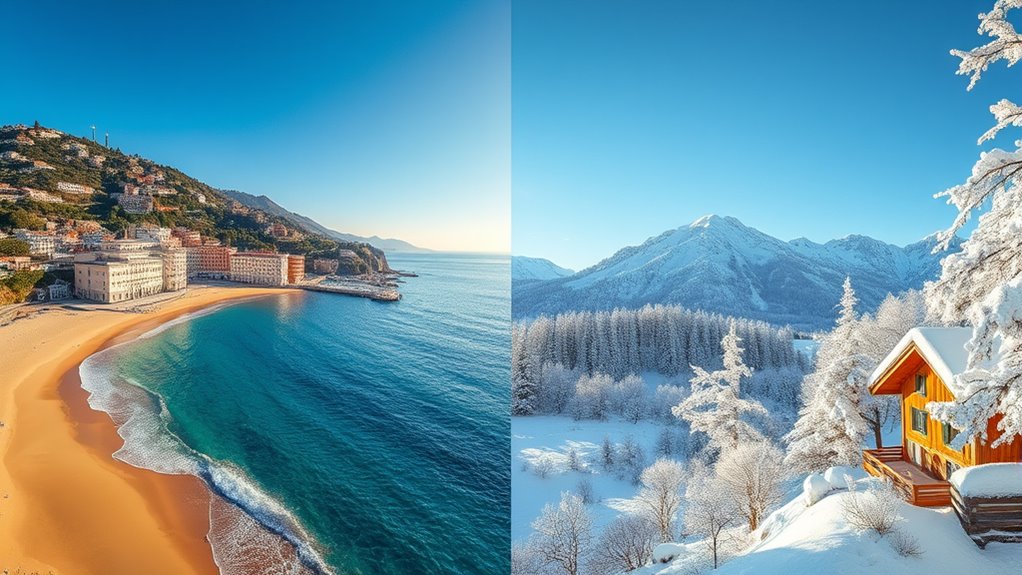
The Alpine snow scene captivates visitors with its breathtaking scenery and vibrant winter atmosphere. As you look around, you’ll notice snow-covered peaks stretching into the sky, creating a stunning backdrop for your adventures. The crisp, fresh air energizes you, while the shimmering white landscape invites exploration. Deep snow bases ensure reliable conditions, especially by February, offering perfect pistes for skiing and snowboarding. You’ll see skiers carving through powder, their trails weaving through alpine forests and open slopes. The high-altitude areas provide consistent snow coverage, even during warmer spells. The scenic beauty is complemented by cozy mountain villages, where you can relax after a day on the slopes. Exploring sustainable tourism options in these regions can enhance your experience while supporting local communities. Understanding water chemistry is essential to keeping your pool clean and safe, especially if you plan to enjoy a warm retreat after winter adventures. Additionally, the climate conditions in the Alps contribute to the reliable snow cover that makes this scene so magical. The Alps’ snow scene offers a magical, invigorating experience that truly embodies winter’s charm. Embracing environmentally conscious practices can help preserve these pristine landscapes for future visitors.
sun protection travel clothes for Europe in February
As an affiliate, we earn on qualifying purchases.
As an affiliate, we earn on qualifying purchases.
Prime Ski Resorts in the Alps
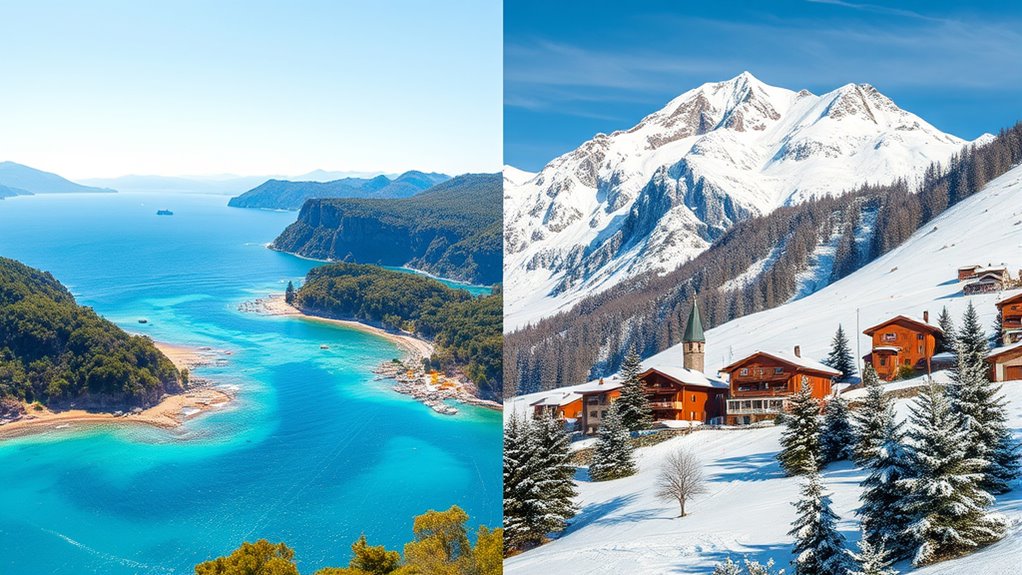
Among the many highlights of the Alpine snow scene, prime ski resorts stand out for their exceptional terrain, modern amenities, and reliable snow quality. Val Thorens, at Europe’s highest elevation, offers 600 km of pistes with consistent powder and state-of-the-art lifts, ideal for serious skiers. Zermatt provides glacier skiing, stunning views of the Matterhorn, and luxury accommodations, making it perfect for those seeking exclusivity. Kitzbühel combines historical charm with challenging slopes and the famous Hahnenkamm race. Lech delivers excellent snow conditions and family-friendly facilities, while La Thuile features quieter, tree-lined runs across the Italian border. These resorts guarantee great skiing experiences through February, with deep bases and high-altitude slopes that withstand milder winter conditions. For reliable snow and safety considerations, many resorts invest in upfitting fundamentals like snowmaking systems and modern lift infrastructure.

ZOMFELT Hiking Backpack for Women Men, 15L Lightweight Packable Backpack for Trip, Water Resistant Small Travel Backpacks, Foldable daypack for Hiking, Walking, Cycling, Camping, Black
Compact Yet Spacious: This hiking backpack for women combines minimal size with maximum practicality. The 15l main compartment…
As an affiliate, we earn on qualifying purchases.
As an affiliate, we earn on qualifying purchases.
Weather Conditions and Snow Reliability
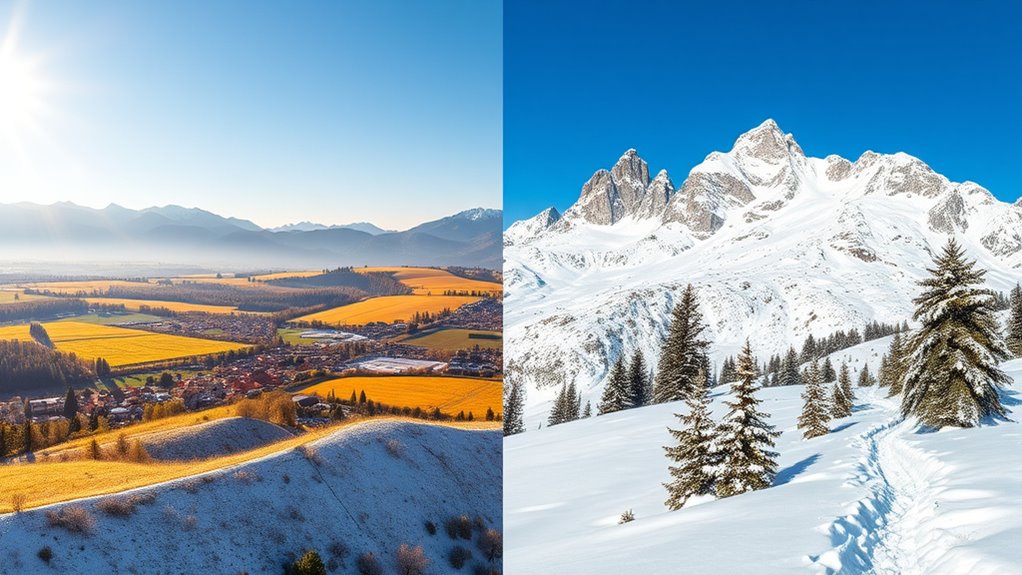
In February, weather patterns across the Alps can be unpredictable, but generally, milder conditions and subsiding storms lead to more stable snow conditions. Higher-altitude resorts like Val Thorens and Zermatt benefit from glacier skiing and deep snow bases, ensuring reliable coverage. Lower resorts, however, may experience warmer spells that reduce snow depth and disrupt piste quality. Average snowfall varies: Lech and La Thuile receive around 90cm monthly, while Plan de Corones gets about 33cm. Wild temperature swings can cause icy patches or melting, especially in lower elevations. Snow cannons are used at many resorts to supplement natural snow, but their effectiveness diminishes during warm spells. Overall, high-altitude and glacier areas offer the best snow reliability during February’s fluctuating weather. Additionally, AI cybersecurity jobs are increasingly vital for protecting digital infrastructure amid evolving threats. Understanding snow reliability factors can help visitors plan their trips more effectively, as they consider weather variability and its impact on skiing conditions. Recognizing how climate patterns influence snowfall can also help travelers make more informed decisions about when and where to ski. Furthermore, weather forecasting accuracy has improved significantly, allowing for better planning and adjustments prior to travel.

NORTIV 8 Men's Ankle High Waterproof Hiking Boots Outdoor Lightweight Shoes Trekking Trails Armadillo,Size 11W,All Black,160448_M
Comfortableness: NORTIV 8 Men's Waterproof Hiking Boots certainly delivers on all-day comfort! Removable and shock-absorbent cushioned insoles offer…
As an affiliate, we earn on qualifying purchases.
As an affiliate, we earn on qualifying purchases.
Best Time to Visit Alpine Resorts
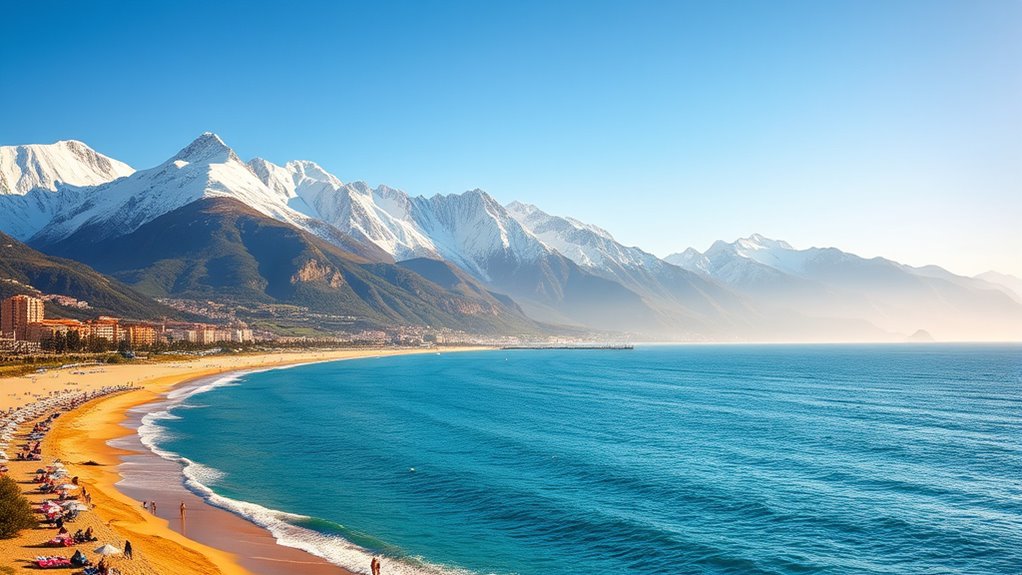
Timing your visit to an Alpine resort depends on what you want to experience. If you’re after reliable snow and prime skiing, plan your trip between mid-February and early March. During this period, resorts typically have deep snow bases, especially at higher altitudes like Val Thorens or Zermatt, ensuring excellent conditions. February offers the best chance for fresh powder, with consistent snowfall and longer daylight hours, making it ideal for skiing and snowboarding. Avoid early or late season trips if snow is a priority, as snow coverage can be inconsistent. Mid-February also coincides with European school holidays, so expect busy slopes and higher prices. To beat the crowds and secure better deals, consider visiting in early or late February, or booking well in advance. Additionally, the horsepower of electric dirt bikes can influence the type of terrain suited for your adventure, with more powerful bikes offering better performance on challenging slopes. Being aware of seasonal weather patterns can help you better plan your trip and optimize your experience on the mountain. Moreover, understanding the mechanics of snow formation can enhance your appreciation of mountain conditions and safety considerations. A thorough knowledge of sustainable tourism practices can also help you reduce your environmental impact while enjoying your mountain holiday. Staying informed about AI tools for content creation can also help you access useful resources for planning your trip and gathering insider tips.
Sun-Soaked Destinations in Southern Europe
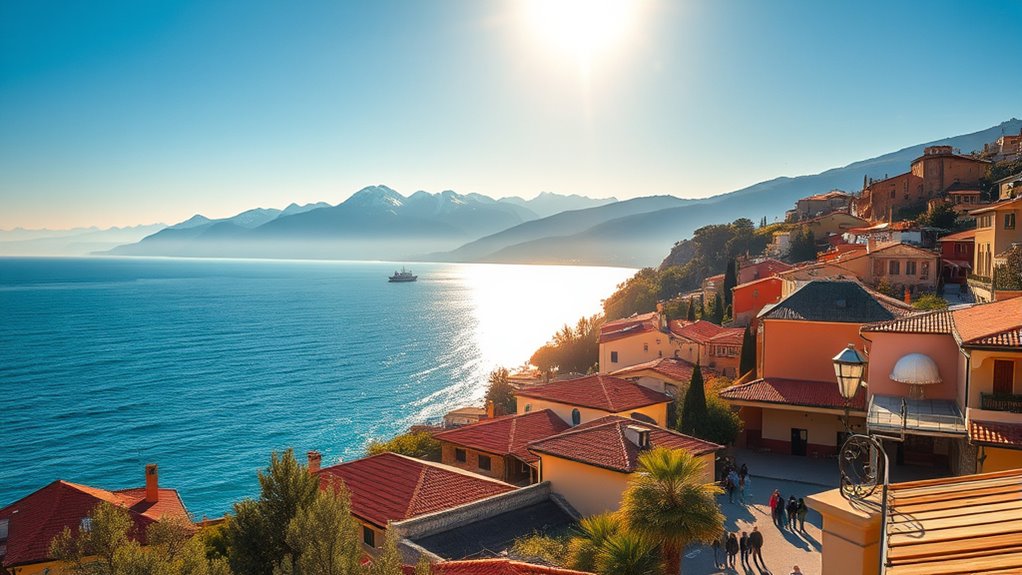
If you’re seeking sunshine and warm temperatures in February, Southern Europe offers some of the best escapes from winter’s chill. You can enjoy mild days, clear skies, and vibrant landscapes without the cold. The Canary Islands, with highs of 20-22°C, are perfect for relaxing on beaches or exploring volcanic terrains. Sicily offers 15-18°C, ideal for coastal hikes, historic sites, and fresh seafood. The Algarve in Portugal provides 17-19°C, with opportunities for golf, beach strolls, and outdoor cafes. Malta boasts average temperatures around 16°C, where you can explore ancient ruins, enjoy seaside walks, or relax in sunny courtyards. Escape the winter gloom and soak in the warmth and sunshine of Southern Europe’s hidden gems.
- Canary Islands: beaches, volcanic parks, vibrant nightlife
- Sicily: coastal hikes, ancient ruins, local markets
- Algarve: golf courses, scenic cliffs, charming villages
- Malta: historical sites, sea views, sunny terraces
Top Warm-Weather Spots for February
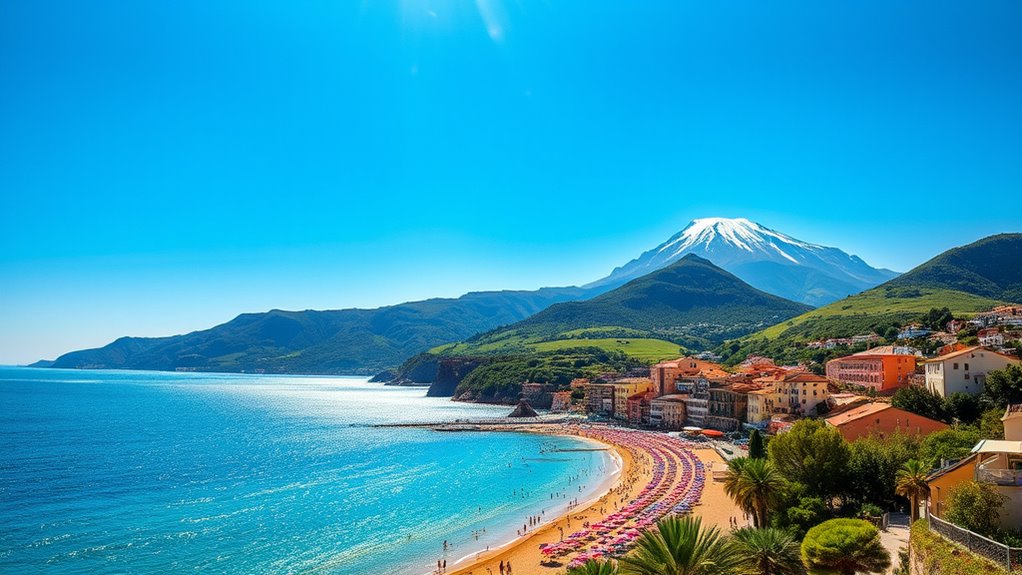
For those craving warm weather in February, some destinations stand out as perfect escapes from winter’s chill. You can enjoy mild temperatures, sunshine, and relaxing coastal scenery. The Canary Islands, Sicily, Algarve, and Malta are top choices. Expect daytime highs of around 16-22°C, minimal rain, and plenty of outdoor activities. Whether lounging on beaches, exploring historic sites, or playing golf, these spots offer a welcome break from colder climates. Here’s a quick snapshot:
| Destination | Highlights |
|---|---|
| Canary Islands | 20-22°C, beaches, volcanic landscapes |
| Sicily | 15-18°C, coastal hikes, ancient ruins |
| Algarve | 17-19°C, golf, seaside villages |
| Malta | 16°C, historic sites, sea views |
| Crete | 16-20°C, archaeological sites, beaches |
Additionally, these destinations are increasingly recognized for their efforts in sustainable tourism, offering eco-friendly options for travelers seeking environmentally conscious experiences. Incorporating renewable energy sources in tourism infrastructure further enhances their eco-friendly reputation. Moreover, some regions are actively working to recondition batteries to reduce environmental impact and promote sustainability in their operations. This focus on eco-friendly practices helps travelers enjoy a more responsible and conscious vacation, aligning with the global shift toward environmental sustainability.
Activities Beyond Skiing and Sunbathing

While skiing and sunbathing are classic winter activities, there’s a wide world of experiences waiting beyond these staples. You can explore Europe’s cultural treasures, indulge in local cuisines, or enjoy outdoor adventures suited to winter and mild climates. Discover historic sites in southern destinations, stroll through charming villages, or visit lively markets. For adrenaline seekers, try snowshoeing, ice skating, or winter hiking in the Alps. If you prefer relaxing, visit spas or take scenic train rides through snowy landscapes. In warmer spots, explore coastal walks, visit castles, or enjoy local festivals. Embracing at‑home beauty tech can also enhance your travel experience by helping you organize itineraries and important travel documents efficiently. Document management can also enhance your travel experience by helping you organize itineraries and important travel documents efficiently.
Tips for Planning Your February Getaway
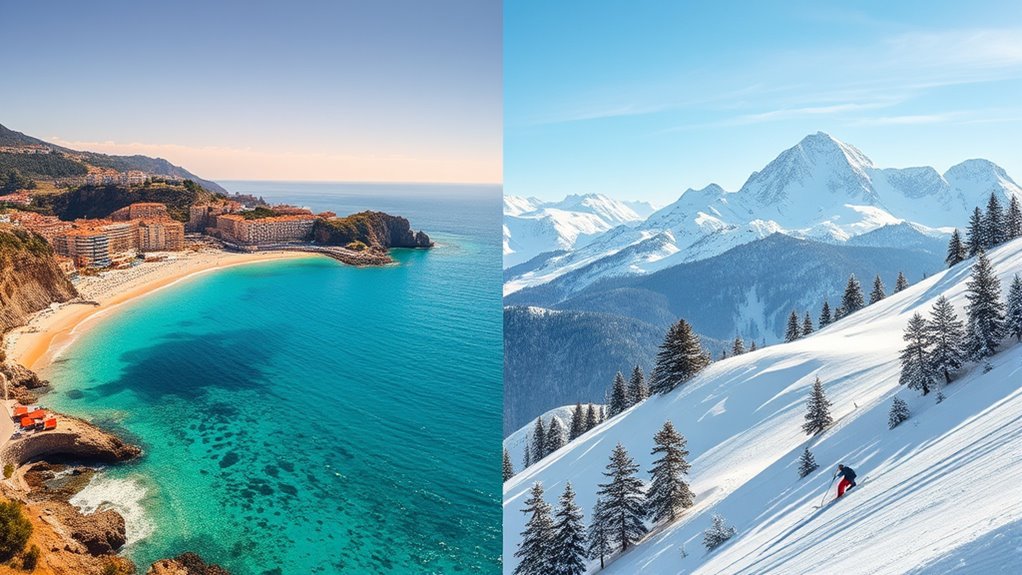
Planning your February getaway requires careful consideration of both destination and timing to maximize your experience. To avoid crowds and high prices, book early, especially for popular resorts like Val Thorens or French ski towns. Choose high-altitude or glacier areas such as Zermatt or Val Thorens for reliable snow coverage. Consider your weather preferences: south destinations like the Canary Islands or Sicily offer warmth and sunshine, perfect for relaxation. Use the table below to compare options:
| Destination | Best Time to Book | Key Tip |
|---|---|---|
| Alps | Early February | Reserve in advance for peak season |
| Southern Europe | Mid to late February | Look for off-peak discounts |
| Popular Resorts | 6-12 months ahead | Secure accommodations early |
Stay adaptable, monitor weather forecasts, and prioritize high-altitude or glacier resorts to ensure a smooth trip.
Frequently Asked Questions
How Crowded Are European Ski Resorts During February’s School Holidays?
During February’s school holidays, you’ll find European ski resorts pretty crowded, especially in popular spots like the French and UK half-term weeks. Expect full chalets, busy slopes, and higher prices. To avoid the crowds, consider quieter resorts like La Thuile or luxury off-peak options. Early booking becomes essential if you want to secure the best accommodations and enjoy the slopes without the overwhelming rush of peak holiday times.
Are There Snow-Sure Options for Early or Late February Skiing?
You should consider high-altitude resorts like Val Thorens or Zermatt for snow-sure skiing in early or late February. These locations maintain reliable snow due to their elevation and glacier skiing options, even during warmer spells. Avoid lower resorts that rely on snow cannons or face unpredictable conditions. Booking early and choosing glacier areas ensures you get quality snow and ideal skiing conditions, regardless of minor weather fluctuations.
What Are the Best Alternative Activities if Snow Conditions Are Poor?
If snow conditions are poor, you can explore alternative activities like relaxing at spa resorts, enjoying scenic hikes or cable car rides at high-altitude resorts, or visiting local towns and cultural sites. In southern destinations, you might sunbathe on beaches or explore historic landmarks. These options keep you active and immersed in the local atmosphere, even if skiing or snowboarding isn’t possible.
How Do Prices Vary Between Peak and Off-Peak Travel Times?
Prices skyrocket during peak travel times, making your wallet feel like it’s taking a beating. During school holidays and weekends, expect higher rates for accommodations, flights, and activities, sometimes doubling or tripling off-peak prices. If you travel in mid-February or avoid holiday weekends, you’ll find better deals, less crowded resorts, and more flexible options. Booking early and choosing quieter destinations can save you a significant amount and enhance your experience.
Which Southern Destinations Offer the Best Value for February Sun?
If you’re looking for the best value for February sun, consider the Algarve in Portugal, offering mild 17-19°C days and affordable golf and accommodation options. The Canary Islands provide consistent 20-22°C temperatures, minimal rain, and budget-friendly resorts. Sicily also offers decent weather at 15-18°C, perfect for coastal hikes and beaches without high prices. These destinations give you warm, sunny escapes without the peak-season crowds or steep costs.
Conclusion
No matter if you chase the snowy peaks or soak up the sun, February offers something for every traveler. With the right planning, you can enjoy winter wonderlands or warm beaches—it’s all about choosing your adventure. Remember, “a journey of a thousand miles begins with a single step,” so pick your destination and start making memories today. Whether snow or sun, Europe’s diverse charms await you this February.