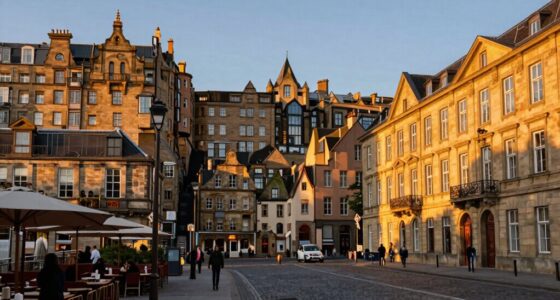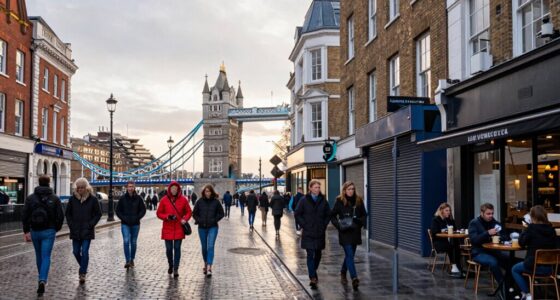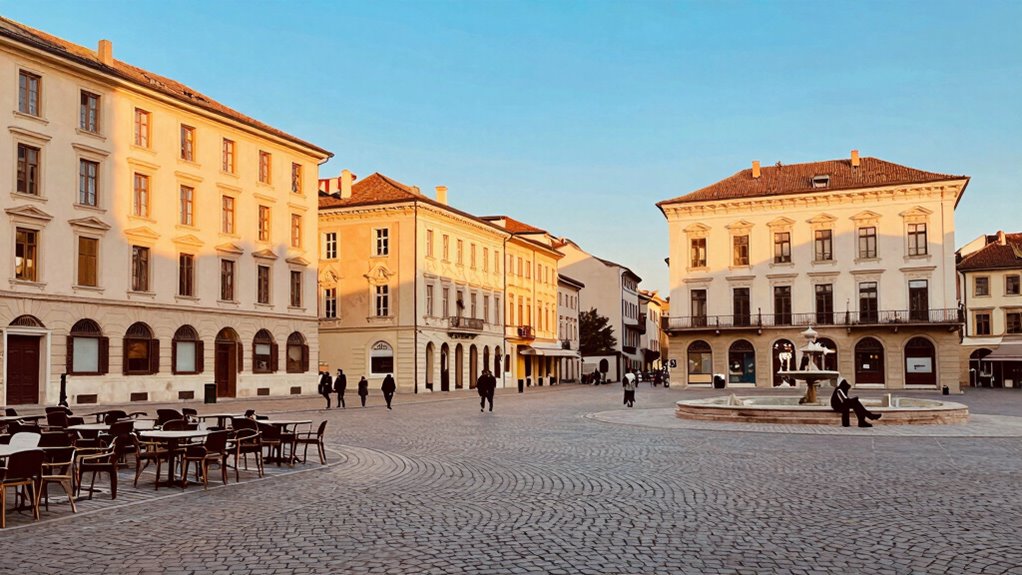

Finding the best times to visit Europe while avoiding crowds can transform your travel experience. Peak summer months bring lively cities but also overwhelming crowds and long lines, while shoulder seasons often offer a quieter, more authentic experience. The overall top pick is late spring, when many destinations are lively but less crowded, and the weather is pleasant. For those seeking even more tranquility, early fall offers a similar balance with fewer tourists and still favorable conditions. However, choosing the right timing involves tradeoffs like weather, pricing, and event schedules. Keep reading for a full breakdown of the best months and strategies to enjoy Europe without the crowds.

Get travel and outdoor gear delivered free — and shop member deals
- Fast, free delivery on millions of items
- Access to Prime Big Deal Days deals on October 6–7
- Prime Video, Amazon Music and more included
Complete the kit



Key Takeaways
- Spring (April to June) offers a balance of good weather and fewer tourists, especially outside major festivals.
- Early fall (September to October) provides similar benefits with added advantage of harvest festivals and fewer crowds.
- Summer (July and August) remains the busiest season, best avoided if silence is a priority, despite offering peak weather.
- Off-peak months like November and March can be very quiet but may come with unpredictable weather and limited attractions.
- Specific events and local holidays significantly influence crowd levels, so timing around these can optimize your experience.
| Lonely Planet’s Guide to Train Travel in Europe: Detailed Itineraries, Planning Maps, Tips & Advice |  | Best for Sustainable, Stress-Free Travel Planning | Format: Print guidebook | Coverage: European train routes | Focus: Sustainable travel | VIEW ON AMAZON | See Our Full Breakdown |
| How to Avoid Crowds: Travel Smart and Enjoy Your Vacation Without Overtourism |  | Best Practical Tips for Crowds-Averse Travelers | Format: Digital/Print | Coverage: Crowd avoidance strategies | Focus: Smarter travel planning | VIEW ON AMAZON | See Our Full Breakdown |
| Lonely Planet Where To Go When: Europe: 300+ Curated Month-by-Month Trip Recommendations for Culture, Adventure, Food & Wildlife |  | Best for Year-Round Planning with Diverse Interests | Format: Print book | Coverage: Month-by-month recommendations | Focus: Timing and interests | VIEW ON AMAZON | See Our Full Breakdown |
| Rick Steves Europe Through the Back Door (Rick Steves Travel Guide) |  | Best for Cultural Insights Beyond Tourist Hotspots | Format: Print guidebook | Coverage: Europe’s lesser-known areas | Focus: Local culture and insights | VIEW ON AMAZON | See Our Full Breakdown |
| Secret Cities of Europe: 70 Charming Places Away from the Crowds | 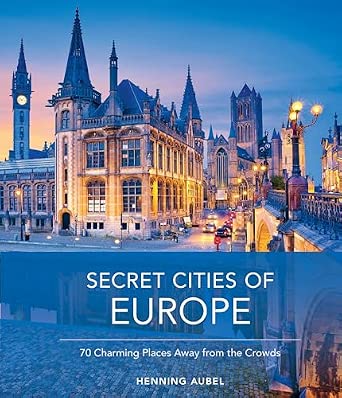 | Best for Discovering Hidden Gems Off the Beaten Path | Format: Print book | Coverage: 70 hidden European cities | Focus: Off-the-beaten-path destinations | VIEW ON AMAZON | See Our Full Breakdown |
| Fodor’s Bucket List Europe: From the Epic to the Eccentric, 500+ Ultimate Experiences |  | Best for Curated Unique Experiences | Number of experiences: 500+ | Format: Full-color travel guide | Coverage: Iconic landmarks to hidden gems | VIEW ON AMAZON | See Our Full Breakdown |
| Lonely Planet’s Where to Go When: The Ultimate Month-by-Month Travel Planner with 300+ Destinations |  | Best for Year-Round Planning | Number of destinations: 300+ | Coverage: Worldwide | Planning focus: Month-by-month | VIEW ON AMAZON | See Our Full Breakdown |
| Lonely Planet Western Europe Travel Guide |  | Best for Detailed Western Europe Itineraries | Coverage: Western Europe including multiple countries | Maps included: Yes | Itinerary detail: Extensive | VIEW ON AMAZON | See Our Full Breakdown |
| Rough Guides Travel Edit: The Most Underrated Places in Europe |  | Best for Hidden Gems and Crowd-Free Escapes | Destinations highlighted: Underrated, hidden gems | Focus: Authentic, crowd-free travel | Content type: Highlights and suggestions | VIEW ON AMAZON | See Our Full Breakdown |
| Lonely Planet 100 Weekends in Europe: Detailed Itineraries, Travel Tips, and Insider Recommendations |  | Best for Weekend Getaways and Local Experiences | Number of cities: 100 | Focus: Weekend itineraries | Includes maps: Yes | VIEW ON AMAZON | See Our Full Breakdown |
| times to visit europe avoid crowd | Format | Coverage | Focus | Includes |
|---|---|---|---|---|
| Lonely Planet’s Guide to Train | Print guidebook | European train routes | Sustainable travel | Itineraries, maps, tips |
| How to Avoid Crowds: Travel Sm | Digital/Print | Crowd avoidance strategies | Smarter travel planning | Tips and strategies |
| Lonely Planet Where To Go When | Print book | Month-by-month recommendations | Timing and interests | Cultural, adventure, food, wildlife |
| Rick Steves Europe Through the | Print guidebook | Europe’s lesser-known areas | Local culture and insights | Practical tips and recommendations |
| Secret Cities of Europe: 70 Ch | Print book | 70 hidden European cities | Off-the-beaten-path destinations | Travel insights and recommendations |
| Fodor’s Bucket List Europe: Fr | Full-color travel guide | Iconic landmarks to hidden gems | — | — |
| Lonely Planet’s Where to Go Wh | Travel planner | Worldwide | — | — |
| Lonely Planet Western Europe T | Travel guide | Western Europe including multiple countries | — | — |
| Rough Guides Travel Edit: The | Travel guide | — | Authentic, crowd-free travel | — |
| Lonely Planet 100 Weekends in | Travel guide | — | Weekend itineraries | — |
More Details on Our Top Picks
Lonely Planet’s Guide to Train Travel in Europe: Detailed Itineraries, Planning Maps, Tips & Advice
This guidebook stands out for its comprehensive itineraries and detailed planning maps, making it an excellent resource for travelers aiming to visit Europe during quieter times by train. Unlike other travel guides that focus on destinations, this one emphasizes sustainable and stress-free journeys, which can help avoid crowded hotspots often packed during peak seasons. The practical tips for train travel ensure a smoother experience, especially in off-peak months. However, it doesn’t provide specific pricing or user ratings, which might leave some needing more context. This pick is ideal for eco-conscious travelers or those seeking a relaxed, well-planned trip avoiding peak crowds.
Pros:- Offers detailed itineraries and planning maps for stress-free travel
- Focus on sustainable travel options reduces environmental impact
- Practical tips tailored for train travel across Europe
Cons:- Lacks specific price information, limiting budget planning
- No customer ratings or recent reviews to gauge popularity
Best for: Travelers who prioritize sustainable, hassle-free train journeys and detailed route planning.
Not ideal for: Travelers seeking destination-specific sightseeing guides or current prices for planning purposes.
- Format:Print guidebook
- Coverage:European train routes
- Focus:Sustainable travel
- Includes:Itineraries, maps, tips
- Price:Not specified
- Rating:No customer ratings
Our verdict“This guide is best suited for eco-conscious travelers wanting a well-structured, crowd-avoidant train trip across Europe.”
How to Avoid Crowds: Travel Smart and Enjoy Your Vacation Without Overtourism
This compact guide offers actionable strategies for travelers who want to steer clear of tourist crowds and enjoy authentic experiences. Compared with the more detailed itineraries in the train guide, this book emphasizes destination selection and smart planning to visit less crowded sites. While it provides useful tips, it doesn’t delve into specific destinations or current prices, which could limit its usefulness for detailed trip planning. It’s especially helpful for travelers who prefer flexible, crowd-conscious itineraries over fixed routes.
Pros:- Provides clear, actionable tips for avoiding crowds
- Helps enhance authentic travel experiences
- Easy to read and quick to implement
Cons:- Lacks destination-specific advice for precise planning
- No pricing or detailed destination info
Best for: Independent travelers seeking practical advice to avoid overtourism and find quieter spots in Europe.
Not ideal for: Travelers looking for detailed itineraries or in-depth destination guides with specific route planning.
- Format:Digital/Print
- Coverage:Crowd avoidance strategies
- Focus:Smarter travel planning
- Includes:Tips and strategies
- Price:Not specified
- Rating:No ratings available
Our verdict“This guide is ideal for travelers who want simple, effective strategies to enjoy less crowded, more genuine European experiences.”
Lonely Planet Where To Go When: Europe: 300+ Curated Month-by-Month Trip Recommendations for Culture, Adventure, Food & Wildlife
This guide excels in helping travelers plan visits during off-peak times by providing over 300 curated recommendations organized monthly, making it easier to avoid crowds at popular times. Unlike the other guides focused solely on specific destinations or local insights, this one offers a broad temporal framework, helping travelers pick quieter months for their interests. Its focus on a variety of themes—culture, adventure, food—makes it versatile but less detailed on specific locations. The lack of recent publication info or reviews might limit its current applicability. It makes the most sense for travelers with flexible schedules seeking to avoid crowds by timing their visits thoughtfully.
Pros:- Offers extensive month-by-month travel suggestions
- Supports planning around less crowded periods
- Covers a wide range of interests including culture and wildlife
Cons:- No recent edition or user reviews for current info
- Less detailed on specific destinations
Best for: Flexible travelers aiming to plan trips around less crowded times across Europe’s diverse interests.
Not ideal for: Those seeking detailed, up-to-date destination guides or specific itineraries for fixed travel dates.
- Format:Print book
- Coverage:Month-by-month recommendations
- Focus:Timing and interests
- Includes:Cultural, adventure, food, wildlife
- Price:Not specified
- Rating:No recent reviews
Our verdict“Ideal for flexible travelers wanting to optimize travel timing and avoid crowds across Europe’s varied attractions.”
Rick Steves Europe Through the Back Door (Rick Steves Travel Guide)
This guide is ideal for travelers who want to explore Europe beyond the usual crowded sights. Compared to the more general trip planners, Rick Steves’ emphasis on local insights and cultural tips makes it perfect for avoiding crowds at major landmarks by exploring lesser-known areas. While it offers rich context and practical advice, it doesn’t focus on specific timing or crowd levels, so travelers must interpret the suggestions for off-peak visits themselves. This is best suited for cultural explorers who value local authenticity over popular tourist routes.
Pros:- Provides detailed local and cultural insights
- Helps travel beyond typical tourist spots
- Enhances authentic experience with local recommendations
Cons:- No specific advice on timing to avoid crowds
- Limited focus on route planning or crowd levels
Best for: Cultural travelers seeking in-depth local insights and less touristy experiences.
Not ideal for: Travelers who need detailed itineraries or specific crowd-avoidance strategies based on timing.
- Format:Print guidebook
- Coverage:Europe’s lesser-known areas
- Focus:Local culture and insights
- Includes:Practical tips and recommendations
- Price:Not specified
- Rating:No current ratings
Our verdict“Best suited for cultural enthusiasts wanting to explore Europe’s hidden gems away from crowds with rich local context.”
Secret Cities of Europe: 70 Charming Places Away from the Crowds
This book is tailored for travelers eager to find lesser-known European cities, making it a perfect choice for those wanting to avoid peak-season crowds at major destinations. Unlike the other guides, which focus on planning or practical tips, this publication highlights 70 hidden spots, offering detailed insights and recommendations. It’s especially useful for seasoned travelers or those seeking unique, quiet experiences. However, with no current pricing or user ratings, it’s harder to gauge its fit for budget-conscious or casual readers. This makes the most sense for travelers willing to venture off the beaten path for a more intimate experience.
Pros:- Highlights lesser-known European cities
- Provides detailed travel insights for hidden gems
- Ideal for travelers seeking unique, less crowded experiences
Cons:- No specific price information available
- Limited appeal outside dedicated travel book audiences
Best for: Adventurous travelers seeking unique, quiet destinations away from tourist crowds.
Not ideal for: First-time visitors or those needing detailed itineraries for popular attractions.
- Format:Print book
- Coverage:70 hidden European cities
- Focus:Off-the-beaten-path destinations
- Includes:Travel insights and recommendations
- Price:Not specified
- Rating:No current reviews
Our verdict“Perfect for seasoned travelers or explorers wanting to discover Europe’s quiet, charming corners away from crowds.”
Fodor’s Bucket List Europe: From the Epic to the Eccentric, 500+ Ultimate Experiences
This guide stands out for presenting over 500 curated experiences across Europe, making it ideal for travelers who want to prioritize distinctive sights and hidden gems over crowded hotspots. Compared to Rough Guides Travel Edit, which emphasizes lesser-known destinations, Fodor’s offers a broader scope of iconic and quirky adventures, though it sacrifices detailed itineraries. The full-color photos and vivid descriptions help travelers visualize their trip, but the lack of specific planning details means you’ll need additional resources for logistics. This makes it better suited for travelers who enjoy spontaneous exploration rather than strict schedules.
Pros:- Extensive list of unique European experiences
- Vivid full-color imagery enhances trip planning
- Great for discovering hidden gems beyond typical tourist spots
Cons:- No detailed itineraries or logistical guidance
- Limited information on experience costs or availability
Best for: Adventurous travelers seeking curated, offbeat experiences across Europe
Not ideal for: Travelers who prefer detailed itineraries and logistical planning, as this guide lacks step-by-step routes
- Number of experiences:500+
- Format:Full-color travel guide
- Coverage:Iconic landmarks to hidden gems
- Intended audience:Curious explorers
- Edition:Latest edition
- Author:Fodor’s editors
Our verdict“This guide is perfect for travelers who want inspiration for authentic and memorable adventures off the beaten path.”
Lonely Planet’s Where to Go When: The Ultimate Month-by-Month Travel Planner with 300+ Destinations
This book excels at helping travelers plan trips throughout the year, with over 300 destinations mapped to specific months, making it valuable for those seeking to avoid crowds during peak seasons. Unlike Lonely Planet Western Europe Travel Guide, which offers detailed itineraries for specific regions, Where to Go When is more about timing than detailed route planning. It provides practical advice on when to visit each destination, but lacks the depth of local insights or comprehensive itineraries, making it ideal for flexible travelers who want to optimize their timing.
Pros:- Comprehensive month-by-month destination recommendations
- Helps avoid crowds during peak seasons
- Useful for year-round trip planning and timing
Cons:- Limited detail on specific attractions or itineraries
- No information on individual destination costs or accommodations
Best for: Travelers aiming to plan their Europe visits around crowd levels and seasonal peaks
Not ideal for: Visitors looking for detailed day-to-day travel plans within specific countries, as this focuses on timing rather than logistics
- Number of destinations:300+
- Coverage:Worldwide
- Planning focus:Month-by-month
- Format:Travel planner
- Intended audience:Flexible, timing-conscious travelers
- Edition:Latest edition
Our verdict“This guide is ideal for travelers who want to maximize their experience by traveling during less crowded months across Europe.”
Lonely Planet Western Europe Travel Guide
This guide offers comprehensive coverage of Western Europe, complete with detailed itineraries, maps, and insider tips that are perfect for travelers planning a thorough trip. Compared with Rough Guides Travel Edit, which emphasizes lesser-known spots, this guide is more suited for travelers seeking iconic sights and well-structured routes. Its extensive content can be overwhelming for casual travelers or those seeking flexible, crowd-free escapes, but it’s invaluable for those who want to explore mainstream destinations with confidence.
Pros:- Thorough coverage of Western Europe including maps
- Detailed itineraries and insider tips
- Ideal for structured trip planning
Cons:- Too detailed for casual travelers
- No specific recent edition or update info
Best for: Serious travelers planning a comprehensive Western Europe itinerary
Not ideal for: Casual tourists or those seeking spontaneous, crowd-free experiences, as the guide is very detailed and packed with information
- Coverage:Western Europe including multiple countries
- Maps included:Yes
- Itinerary detail:Extensive
- Insider tips:Yes
- Format:Travel guide
- Edition:Latest available
Our verdict“This guide is best for travelers who want in-depth, well-organized plans for exploring Western Europe’s major sights and hidden corners alike.”
Rough Guides Travel Edit: The Most Underrated Places in Europe
This guide makes a compelling case for exploring lesser-known European destinations, perfect for travelers who want to avoid crowds and experience authentic local life. While Fodor’s Bucket List offers curated experiences, this edition focuses exclusively on underrated spots, providing inspiration for off-the-beaten-path adventures. The lack of detailed content or specific itineraries means travelers will need to do additional research, but it’s an excellent resource for those seeking genuine, crowd-free escapes that are often overlooked by mainstream guides.
Pros:- Highlights obscure, lesser-visited destinations
- Encourages authentic, offbeat travel experiences
- Ideal for travelers seeking solitude and local charm
Cons:- Lacks detailed content or planning tools
- No specific information on included destinations or format
Best for: Travelers craving authentic, crowd-free European destinations away from typical tourist routes
Not ideal for: Those who prefer detailed itineraries and comprehensive planning, as this guide emphasizes discovery over logistics
- Destinations highlighted:Underrated, hidden gems
- Focus:Authentic, crowd-free travel
- Content type:Highlights and suggestions
- Format:Travel guide
- Edition:Latest version
Our verdict“This guide suits travelers who prioritize discovering authentic, less crowded places across Europe over structured itineraries.”
Lonely Planet 100 Weekends in Europe: Detailed Itineraries, Travel Tips, and Insider Recommendations
This guide excels at providing detailed weekend itineraries across 100 European cities, helping travelers experience local life and avoid crowds during short trips. Unlike Western Europe Travel Guide, which covers broad regions, this book zeroes in on specific cities with curated suggestions. While highly practical for quick getaways, its focus on weekends means it might not offer enough depth for longer trips, but it’s ideal for travelers eager to explore multiple cities without the crowds often seen during peak holiday seasons.
Pros:- Detailed itineraries for 100 European cities
- Insider tips and local recommendations
- Includes maps and practical travel advice
Cons:- Limited to weekend trips, less suitable for long stays
- No pricing or user ratings available
Best for: Weekend travelers or those seeking quick, crowd-averse city breaks in Europe
Not ideal for: Long-term travelers or those wanting in-depth cultural immersion over extended stays, as the focus is on short, curated visits
- Number of cities:100
- Focus:Weekend itineraries
- Includes maps:Yes
- Travel tips:Insider recommendations
- Format:Travel guide
- Edition:Latest version
Our verdict“This guide is perfect for short-term travelers wanting efficient, crowd-free city experiences across Europe during weekends.”

How We Picked
The selected resources were evaluated based on their coverage of seasonal crowd patterns, regional variations, and practical travel tips. I prioritized guides that offer detailed month-by-month recommendations, insights on local events, and strategies for avoiding crowds. The ranking favors comprehensiveness, clarity, and actionable advice, ensuring readers can easily identify ideal travel windows tailored to their preferences. Products that combine reliable planning information with unique perspectives on less-touristed destinations are rated higher, helping travelers craft a more peaceful Europe trip.| times to visit europe avoid crowd | Format | Includes | Rating | Edition |
|---|---|---|---|---|
| Lonely Planet’s Guide to Train | Print guidebook | Itineraries, maps, tips | No customer ratings | — |
| How to Avoid Crowds: Travel Sm | Digital/Print | Tips and strategies | No ratings available | — |
| Lonely Planet Where To Go When | Print book | Cultural, adventure, food, wildlife | No recent reviews | — |
| Rick Steves Europe Through the | Print guidebook | Practical tips and recommendations | No current ratings | — |
| Secret Cities of Europe: 70 Ch | Print book | Travel insights and recommendations | No current reviews | — |
| Fodor’s Bucket List Europe: Fr | Full-color travel guide | — | — | Latest edition |
| Lonely Planet’s Where to Go Wh | Travel planner | — | — | Latest edition |
| Lonely Planet Western Europe T | Travel guide | — | — | Latest available |
| Rough Guides Travel Edit: The | Travel guide | — | — | Latest version |
| Lonely Planet 100 Weekends in | Travel guide | — | — | Latest version |
Factors to Consider When Choosing Times To Visit Europe Avoid Crowds
Choosing the best time to visit Europe to avoid crowds involves considering several factors beyond just the calendar months. Understanding regional variations, weather patterns, and local events can make a significant difference in your experience. Additionally, balancing cost, comfort, and sightseeing priorities will help you select the perfect travel window. This guide explores key considerations to help you plan a quieter, more enjoyable adventure across Europe.Seasonal Weather and Climate
Weather plays a pivotal role in deciding when to visit Europe. Spring and early fall generally offer mild temperatures and fewer tourists, making outdoor activities and sightseeing more pleasant. Summer, while warm, coincides with peak crowds and higher prices, especially in popular destinations. Conversely, winter can be very quiet, but weather conditions vary greatly, and some attractions may be closed or less accessible. Weighing weather preferences against crowd levels is essential for choosing your ideal travel period.
Regional Variations and Local Events
Europe’s diverse regions have different peak seasons and crowd patterns. For example, Mediterranean destinations are busier in late spring and early fall, while northern cities tend to be less crowded outside summer. Local festivals and holidays can draw large crowds or, conversely, lead to quiet periods when locals leave the cities. Planning around these events can help you avoid the busiest times and discover authentic local experiences without throngs of tourists.
Cost and Accommodation Prices
Travel costs fluctuate significantly depending on the season. High season usually means higher prices for flights, hotels, and attractions, often with crowded venues. Shoulder seasons offer a better balance of lower prices and fewer tourists, providing more value for your money. Booking well in advance or choosing less popular regions during peak times can also help minimize expenses while avoiding the crowds.
Tourist Density and Popular Destinations
Major attractions like Paris, Rome, and Venice tend to be crowded year-round, but their peak times are summer and major holidays. Visiting these sites in shoulder seasons or early/late in the day can reduce your exposure to crowds. For off-the-beaten-path destinations, timing is more flexible, and visiting during less busy months can offer a more relaxed experience. Recognizing the difference between popular and hidden gems helps tailor your trip for tranquility.
Tradeoffs: Weather, Cost, and Crowds
Achieving a crowd-free trip often involves balancing tradeoffs. For instance, traveling in winter might mean lower prices and fewer tourists but also colder weather and limited access. Conversely, shoulder seasons typically offer mild weather and fewer crowds but may still have some seasonal attractions closed. Deciding which factors matter most—whether it’s avoiding throngs, enjoying better weather, or saving money—will guide your best travel window.
Frequently Asked Questions
When is the quietest time to visit Europe?
The quietest times tend to be in late November through early March, excluding holiday periods. During these months, tourist numbers drop significantly, especially outside ski resorts or winter festivals. However, be prepared for colder weather and some attractions closing or operating on limited schedules. Traveling during these months can offer a peaceful experience but requires flexibility regarding weather and opening hours.
Are shoulder seasons really less crowded than summer?
Yes, shoulder seasons like late spring (April to June) and early fall (September to October) generally see fewer visitors than the peak summer months. These periods often provide a good balance of pleasant weather and lower prices, making them ideal for travelers seeking to avoid crowds. However, some popular festivals or events during these times can temporarily increase visitor numbers, so planning around these dates is advisable.
Can I visit popular destinations in Europe without crowds?
Absolutely, but it requires strategic planning. Visiting early in the morning, late in the afternoon, or during less busy months can significantly reduce your exposure to crowds. Additionally, exploring lesser-known neighborhoods or regional attractions outside major cities often results in a quieter, more relaxed experience. Using local guides and off-peak booking strategies further enhances your chances of avoiding busy periods.
How do local festivals affect crowd levels?
Local festivals and national holidays can cause temporary surges in visitors, especially in cities hosting major events. While these festivals offer unique cultural experiences, they also mean crowded streets and higher prices. To avoid the busiest times, research the festival calendars of your destinations and plan your visit around these dates, either before or after, to enjoy both authentic celebrations and fewer tourists.
Is it better to travel during the shoulder seasons or winter for avoiding crowds?
Both options have their merits. Shoulder seasons like spring and fall generally offer milder weather and a good number of attractions open, with significantly fewer tourists than summer. Winter can be extremely quiet, especially in destinations not centered around winter sports, and often comes with lower prices. However, shorter daylight hours and colder conditions can limit sightseeing. Your choice depends on your climate preferences and willingness to accept some seasonal limitations.
Conclusion
For those seeking the overall best experience, traveling in late spring or early fall offers a comfortable climate with fewer tourists. Budget-conscious travelers should consider shoulder seasons to enjoy lower prices and less crowded sites. If you prefer a quiet, winter escape, visiting during the colder months can be rewarding, provided you’re prepared for the weather. Beginners might find shoulder seasons easiest for first-time visits, while seasoned travelers looking for authentic, off-peak experiences should target specific regional festivals or off-the-beaten-path destinations during their quieter months. Tailoring your timing to your preferences will make your European adventure more enjoyable and relaxed.
As an affiliate, we earn on qualifying purchases.Fall Picks
fall essentials