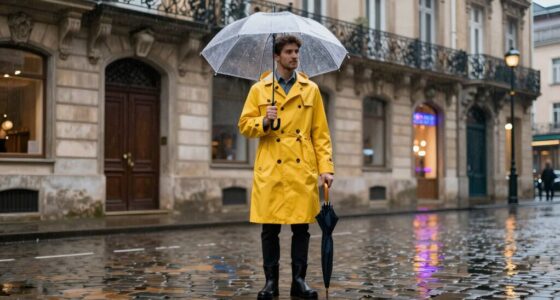
The changing daylight hours in Europe impact your daily life more than you might realize. Longer summer days boost your mood, energy, and outdoor activities, while shorter winter days can cause fatigue, low motivation, and limit outdoor fun. Your circadian rhythms and hormone levels respond to these shifts, affecting sleep and overall well-being. Understanding these seasonal changes helps you optimize your lifestyle and plan activities accordingly—if you keep exploring, you’ll discover even more ways daylight influences you.

Get travel and outdoor gear delivered free — and shop member deals
- Fast, free delivery on millions of items
- Access to Prime Big Deal Days deals on October 6–7
- Prime Video, Amazon Music and more included
Key Takeaways
- Daylight hours vary significantly across seasons, influencing mood, energy, and overall well-being in Europe.
- Longer summer days boost outdoor activity, social interaction, and mental health, while shorter winter days can cause fatigue.
- Changes in daylight affect circadian rhythms and hormone regulation, impacting sleep patterns and motivation.
- Seasonal daylight fluctuations influence outdoor lifestyle choices, exercise routines, and social engagement.
- Recognizing these variations helps optimize mental health strategies and outdoor planning throughout the year.
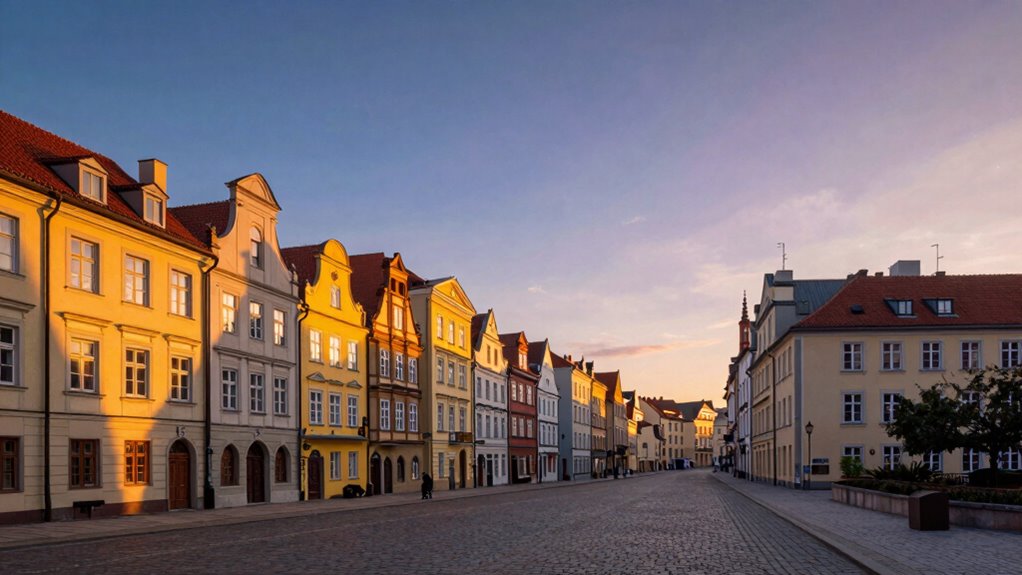
Have you ever wondered how the length of daylight varies across Europe throughout the year? It’s a fascinating cycle that influences more than just the clock. The changing daylight hours can profoundly impact your mental health, affecting your mood, energy levels, and overall well-being. During the darker months, many people experience feelings of fatigue, low motivation, or even seasonal affective disorder (SAD). On the other hand, longer daylight hours in summer tend to boost your mood and make you feel more alert and motivated. Recognizing these shifts helps you understand why some days feel brighter and more vibrant while others seem sluggish and gray.
Daylight hours also play an essential role in outdoor activities. In winter, shorter days mean you have less time for outdoor exercise, social outings, or leisurely strolls. You might find yourself staying indoors more often, which can lead to feelings of isolation or restlessness. Conversely, the extended daylight in spring and summer encourages you to spend more time outside—whether it’s hiking, biking, or simply enjoying a park. Longer days give you more flexibility to plan activities, which can improve your physical health and social connections. Knowing how daylight changes can help you adapt your routines and stay engaged regardless of the season.
The impact on mental health is especially notable because light exposure directly influences your circadian rhythms—the internal clock that regulates sleep and wakefulness. When daylight hours are limited, your body produces more melatonin, the hormone responsible for sleep, making you feel more tired and less motivated. This can lead to a cycle of low energy and decreased activity, which only worsens your mood. During the brighter months, increased sunlight helps regulate these rhythms, making you feel more awake and positive. Being aware of these natural fluctuations allows you to take proactive steps, like spending time outdoors during daylight or using light therapy, to maintain your mental health year-round.
Effects on outdoor activities are just as impactful. Shorter days in winter may restrict your ability to enjoy outdoor sports or social events, which can contribute to a sense of confinement or boredom. Conversely, the longer days of summer inspire more outdoor adventures and social gatherings, enriching your life with experiences and connections. Additionally, understanding the seasonal variations in daylight can help you better plan and maximize your outdoor time. By understanding how daylight hours shift, you can better plan your activities, avoid seasonal pitfalls, and make the most of each season. For example, many people find that aligning outdoor activity schedules with daylight hours enhances their overall lifestyle quality. Ultimately, the variation in daylight isn’t just a matter of time—it shapes your mood, health, and lifestyle in subtle yet powerful ways.
light therapy lamp for seasonal affective disorder
As an affiliate, we earn on qualifying purchases.
As an affiliate, we earn on qualifying purchases.
Frequently Asked Questions
How Do Daylight Hours Affect European Tourism Seasons?
Daylight hours directly influence European tourism seasons by shaping tourist activity and seasonal travel patterns. Longer days in spring and summer encourage more sightseeing, outdoor activities, and extended stays, boosting tourism. Conversely, shorter days in fall and winter lead to reduced activity and off-peak travel. You’ll notice that destinations thrive when daylight hours are plentiful, making it essential for travelers to plan trips around these seasonal daylight variations.
Do Daylight Hours Impact Energy Consumption Across Europe?
Think of a Victorian steam engine powering Europe’s energy needs. Daylight hours considerably impact energy consumption, especially with solar panel efficiency and daylight saving policies in play. Longer days mean less reliance on artificial lighting, reducing energy use. Conversely, shorter days increase demand. Your awareness of these factors can help you understand how seasonal changes influence Europe’s energy consumption, encouraging smarter use of renewable resources and better policy decisions.
How Do Daylight Hours Influence Mental Health in European Populations?
You’re likely to notice that shorter daylight hours during winter can worsen seasonal affective disorder, affecting your mood and energy levels. Less sunlight reduces vitamin D production, which is essential for mental health. As daylight decreases, you might feel more anxious or depressed. Staying active outdoors, seeking light therapy, and ensuring adequate vitamin D intake can help boost your mood and combat these seasonal effects.
Are Daylight Hours in Europe Changing Due to Climate Change?
Yes, daylight hours in Europe are changing due to climate change. You might find that the duration of daylight is shifting slightly because of alterations in solar radiation patterns as the climate warms. For example, some northern regions experience longer summer days, but overall, the changing climate affects the consistency of daylight duration, impacting ecosystems and human activities across the continent. These subtle changes can have wide-reaching effects on daily life.
How Do Daylight Variations Affect Agricultural Practices in Europe?
You see, daylight variations directly impact crop growth and farming schedules. Longer daylight hours in summer boost photosynthesis, leading to quicker crop development, while shorter days in winter slow growth. Farmers adjust their schedules accordingly, planting and harvesting based on available sunlight. Understanding these patterns helps optimize yields, prevent crop failures, and plan efficient farming practices, especially as changing daylight hours due to climate shifts become more unpredictable.
blue light blocking glasses for sleep
As an affiliate, we earn on qualifying purchases.
As an affiliate, we earn on qualifying purchases.
Conclusion
So, next time you complain about the long winter nights or endless summer days, remember they’re not just about your mood—they shape everything from your sleep to your mood. Ironically, those extra hours of sunlight that seem so trivial actually hold the power to keep your body clock in check and your spirits high. Turns out, the sunlight’s got more influence over you than your favorite coffee or weekend plans. Who knew?
As an affiliate, we earn on qualifying purchases.
outdoor activity gear for winter
As an affiliate, we earn on qualifying purchases.
As an affiliate, we earn on qualifying purchases.
Fall Picks
fall essentials
As an affiliate, we earn on qualifying purchases.