When using public restrooms in Europe, you’ll often need coins, vouchers, or digital payments to gain access, with regional differences in costs and availability. Many facilities are pay-to-use, especially in cities like Paris or Rome, while some are free. Be aware of gender distinctions and hygiene standards, and note emerging contactless tech for smoother access. For useful tips and how to navigate these variations, keep exploring this helpful overview.
Key Takeaways
- Public restrooms in Europe often require coins, vouchers, or contactless payments for access, varying by country and facility.
- Gender-specific signage and facilities are common, with limited options for non-binary individuals and chronic disparities favoring men.
- Hygiene standards and maintenance quality differ, with some restrooms well-kept and others neglected, affecting comfort and health.
- Costs range from free in some cities to up to 2 CHF in Switzerland, influencing usage habits and resourcefulness.
- Respect local etiquette, including tipping, proper use of facilities, and awareness of cultural norms for a smooth experience.
The Role of Coins in European Restroom Access
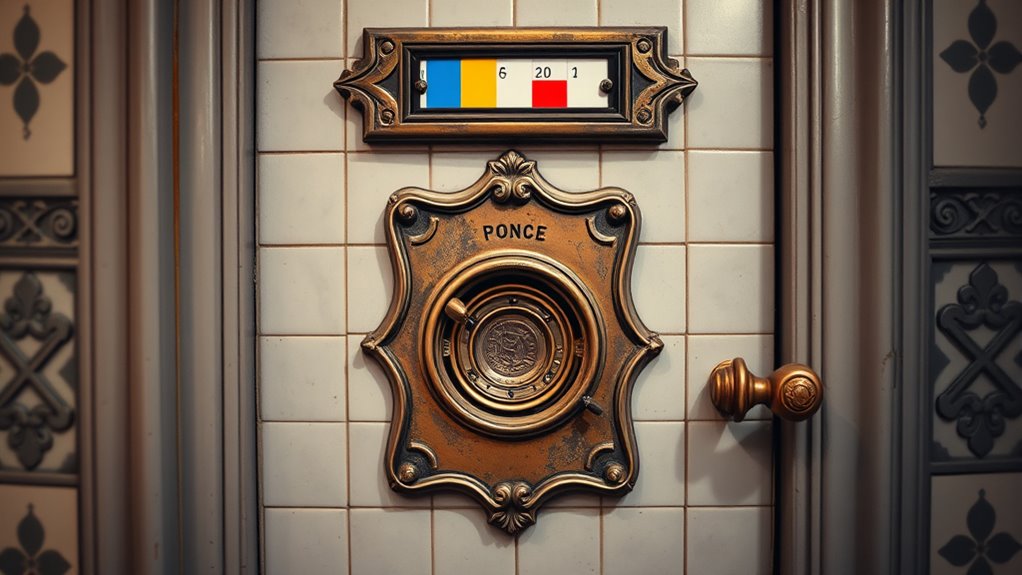
Have you ever wondered how Europeans pay for public restrooms? Most often, you’ll need coins. You insert a coin—usually between 0.50 and 1 euro—into turnstiles or slots to gain access. In Germany, this fee is mandatory at Autobahn stations, often set at 50 cents or a euro. Some places, like gas stations in the Netherlands and Belgium, charge about 50-75 cents, which you can get back as credit on your purchase. In certain setups, attendants collect your coins directly, making sure you pay before entering. Coins are still the main method across many countries, especially in older or less tech-integrated facilities. These systems keep things straightforward but require carrying enough change to avoid inconvenience. Color accuracy in these systems ensures that visual cues, such as signage or instructions, remain clear and easily understandable. Additionally, many facilities maintain cash-based payment systems to accommodate visitors who may not have access to electronic payment methods. Cash transactions continue to be vital for ensuring accessibility in diverse visitor situations. Moreover, some modern systems incorporate coin recognition technology to streamline the entry process and reduce errors.
Understanding Vouchers and Redeemable Codes
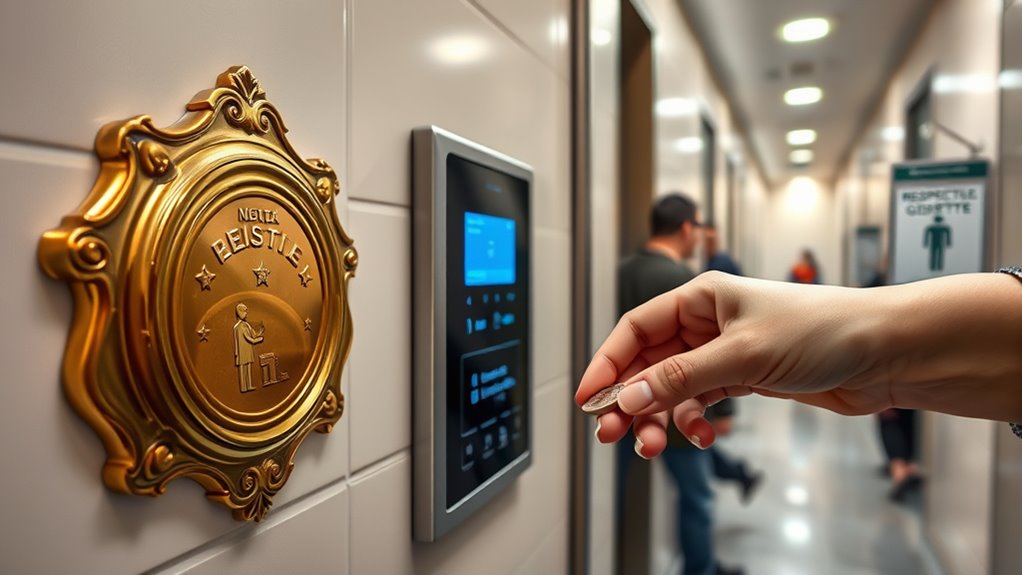
While coins remain the most common method for paying at many European public restrooms, some facilities have adopted vouchers and redeemable codes as alternative options. Vouchers, often issued by cafes or transportation hubs, are used to pay for entry or services. You might receive a paper voucher or a digital code, which you can redeem at the restroom’s payment point. These codes act like electronic tokens, providing access without inserting coins. In some places, residents with disabilities are given special tokens for free use, while others receive vouchers as part of a service or promotion. To use a voucher or code, simply present it at the designated machine or counter. This system simplifies payment, especially for those who prefer cashless options or don’t carry coins.
Price Variations Across Countries and Regions

Across Europe, the cost of using public restrooms varies considerably from country to country and even within regions. You might pay just 30 pence in the UK or seize a free facility in Paris, but face a 2 CHF fee in Switzerland. Price differences can evoke frustration or relief depending on where you are.
Public restroom costs across Europe vary widely, from free in Paris to 2 CHF in Switzerland.
- Feel the sting of high fees at Autobahn stations, where charges reach up to 1 EUR or more.
- Experience the surprise of free bathrooms in some cities, yet encounter pay-to-use facilities elsewhere.
- Encounter disparities that can make you feel resourceful or trapped, especially when budgets are tight.
- The cost of security systems often justifies the investment, similar to how public restroom pricing reflects local policies and infrastructure. Additionally, some countries implement payment methods that influence the overall user experience.
- Understanding the cultural attitudes toward hygiene can help travelers navigate expectations and etiquette more effectively. These differences are often shaped by local policies and infrastructure investments, which vary widely across regions.
- Variations in public health standards and maintenance practices can also impact the cleanliness and availability of facilities. These variations reflect local policies, infrastructure, and cultural attitudes, making your journey unpredictable. Staying adaptable ensures you navigate these differences smoothly and avoid unexpected expenses.
The Availability of Public Bathrooms in Major Cities

In major European cities, the availability of public bathrooms varies widely, shaping your experience depending on where you go. Some cities, like Paris and Warsaw, offer numerous free options, often at metro stations or busy public spaces. Others, like Madrid and Rome, rely heavily on pay-to-use facilities, which can be scarce and expensive. In cities such as Amsterdam, you’ll find a limited number of public toilets, especially for women—sometimes only a handful for the entire city. Autobahn service stations and major transportation hubs tend to have more facilities, though they often require coins or vouchers. Smaller towns might have fewer options altogether, forcing you to plan ahead or seek private facilities. Overall, expect a mix of free and paid facilities, with availability heavily depending on the city’s infrastructure. Additionally, attention to detail in locating these facilities can save you time and frustration during your travels, especially given the varying availability of public bathrooms across different urban areas. Familiarizing yourself with public restroom access and local customs can also enhance your experience and reduce discomfort when searching for facilities. Being aware of local etiquette can help you navigate these situations more comfortably and respectfully, and understanding the costs associated with different restroom types can help you budget accordingly.
Gender Disparities in Public Restroom Facilities
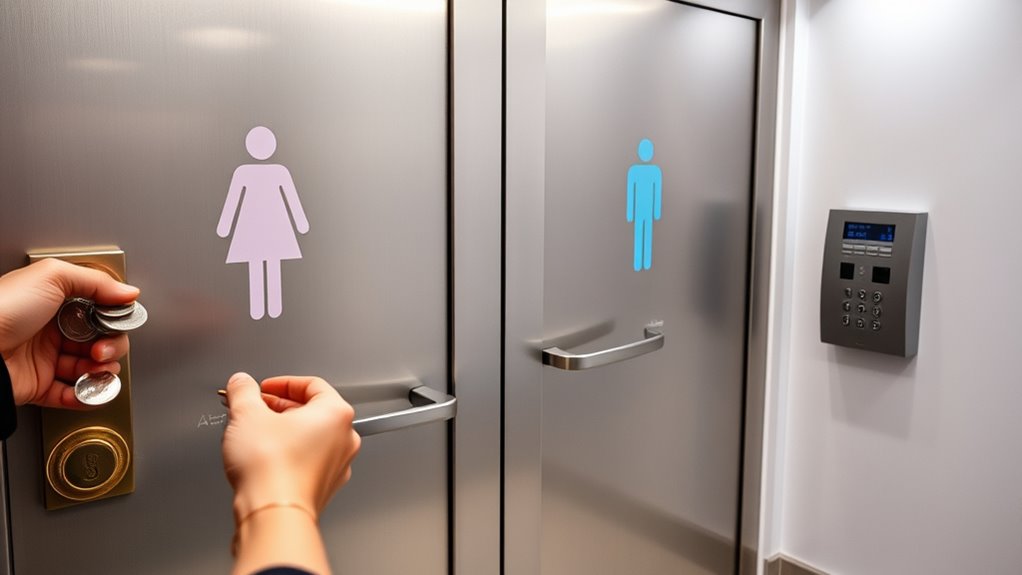
You’ll notice that men often have easier access to urinals, while women rely on fewer toilet stalls, creating noticeable disparities. Signage and fines can reflect these differences, with some cities imposing higher penalties for public urination among women. These gaps highlight ongoing challenges in ensuring equal restroom facilities for all genders across Europe. Additionally, public restroom regulations vary significantly between countries, impacting accessibility and enforcement, and inconsistent standards can lead to confusion about restroom accessibility and proper etiquette.
Urinal vs. Toilet Access
Gender disparities in public restroom access are evident throughout Europe, with men often enjoying more convenient and numerous facilities than women. You’ll notice a stark difference: men have abundant urinals, quick access, and fewer wait times, while women face limited options and longer lines. This imbalance can leave women feeling frustrated and embarrassed, especially in busy areas.
- Long waits for scarce women’s toilets
- Overcrowded facilities for men with multiple urinals
- Fewer options, forcing women to search or share restrooms
These disparities highlight systemic neglect and social inequality. You might find yourself rushing or uncomfortable, especially when facilities are poorly maintained or distant. The imbalance affects your comfort, dignity, and safety, emphasizing the need for more equitable restroom planning across Europe.
Additionally, public restroom availability often reflects broader societal attitudes toward gender equality, underscoring the importance of inclusive infrastructure development.
Gender-Based Fines and Signage
Disparities in restroom access extend beyond mere availability; they also manifest in the signage and fines that regulate gender-specific facilities. You’ll notice that signs often reinforce gender divides, sometimes with limited options for non-binary individuals. Women face higher fines for public urination—an issue that sparks controversy, like the 90 EUR fine in Amsterdam. Signage can be confusing or inconsistent, especially in older or smaller venues, making navigation challenging. Some cities have started to introduce inclusive signage or gender-neutral facilities, but disparities remain widespread. Women typically encounter fewer facilities, and fines for violations tend to be stricter. These differences reflect deeper societal biases, impacting your ability to access restrooms comfortably and safely, especially in emergencies. Awareness of these disparities helps you navigate European public restrooms more effectively. Additionally, understanding Deaf Vibes techniques can improve communication in noisy or crowded restroom environments, enhancing safety and comfort.
Cultural Norms and Etiquette When Using Restrooms
When using restrooms in Europe, it’s important to understand local customs around paying and tipping, as many facilities expect you to provide coins or vouchers. You should also be mindful of gender norms, which can influence access and behavior, especially in countries with notable disparities. Respecting these etiquette practices helps ensure a smooth experience and shows consideration for local standards. Additionally, being aware of sticking wall decor tips can help you avoid accidental damage if you happen to encounter any fixtures or art installations in public spaces. Familiarizing yourself with public restroom etiquette and the importance of cultural norms can further enhance your comfort and cultural sensitivity during your travels.
Payment Customs and Tips
In most European countries, paying for public restrooms often involves inserting coins into turnstiles or slots, with the standard fee ranging from 0.50 to 1 EUR. You’ll likely need coins ready before entering, especially at autobahn stations or busy areas. It’s respectful to provide a small tip or extra change to attendants if present, showing appreciation for cleanliness and service. Be aware that:
- Paying with coins ensures smooth entry and avoids awkward delays.
- Leaving a tip or small change is seen as courteous, especially at staffed facilities.
- Using vouchers or tokens can sometimes grant free or discounted access, but always check for local customs.
- Proper ventilation considerations and regular sanitation help maintain a comfortable environment, reflecting good etiquette and hygiene standards. Additionally, understanding the cultural norms around restroom use can enhance your experience and ensure respectful interactions.
- Being aware of privacy expectations in different countries can also influence how you approach restroom etiquette and interactions.
Being prepared with coins and understanding tipping norms helps you navigate European restrooms politely and smoothly, respecting local customs and ensuring a better experience.
Gender and Public Decorum
Navigating gender norms and public decorum in European restrooms requires awareness of local customs and expectations. In many countries, gender-specific facilities are standard, but the number of women’s toilets often lags behind men’s urinals, especially in public spaces. Be mindful that women may face higher fines for public urination, and enforcement varies. Some places, like Warsaw, encourage businesses to offer bathroom access to women even if they’re not customers, reflecting a more inclusive attitude. Always follow signage and cues; in some regions, squat toilets are common, and sitting toilets prevail elsewhere. Showing respect and patience, especially in busy or under-resourced facilities, helps maintain decorum. When in doubt, observe local behaviors and adapt accordingly to avoid discomfort or misunderstandings.
Emerging Technologies in Payment and Access
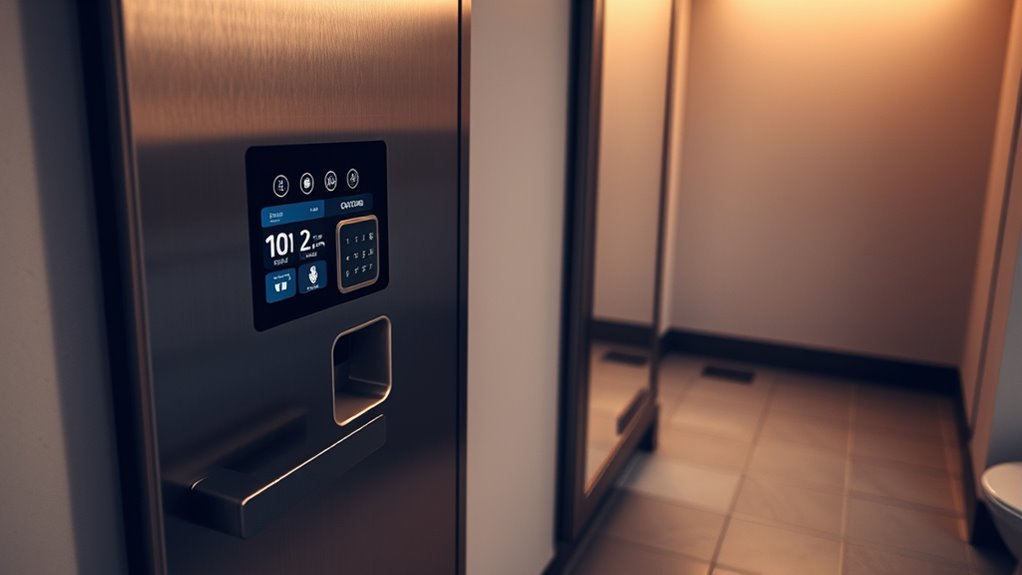
Emerging technologies are transforming how you pay for and access public restrooms across Europe. You’re now seeing high-tech solutions designed for convenience and speed. Contactless card payments and mobile apps let you skip coins entirely, reducing hassle. Touchless sensors automatically open doors, minimizing contact and boosting hygiene. Some places even offer biometric access, allowing you to enter with a simple fingerprint or facial recognition, ensuring quick and secure entry.
Emerging tech streamlines restroom access with contactless payments, touchless doors, and biometric entry for faster, safer visits across Europe.
- Feel confident knowing you can avoid fumbling with coins during busy moments.
- Experience faster access, especially in crowded areas or emergencies.
- Rest assured that advanced security measures protect your privacy and personal data.
These innovations make restroom visits smoother, safer, and less stressful, transforming traditional experiences into modern, seamless encounters.
Special Provisions for Residents and Visitors With Disabilities

Many European municipalities recognize the importance of accessible public restrooms for residents and visitors with disabilities by offering special provisions. You may find designated facilities near major transit hubs, shopping areas, and tourist sites. Some cities provide free or discounted access through tokens or special codes issued to residents with disabilities, reducing the need for coin payments. In certain locations, accessible bathrooms feature wider entrances, handrails, and lower sinks to meet accessibility standards. You might also encounter staff-assisted facilities where attendants help ensure proper access. Some regions have implemented priority queues or dedicated entrances to minimize wait times for those with mobility challenges. These provisions aim to promote independence and dignity, ensuring everyone can use public restrooms comfortably and safely.
Tips for Navigating Pay-to-Use Restrooms

When using pay-to-use restrooms in Europe, it’s vital to carry the correct coins or alternative payment methods like contactless cards, as most facilities require cash or digital payments. Make sure you have enough change, especially since many toilets accept 50 cents to 1 EUR coins. Always check if a voucher or token is needed—some places offer these for free or as part of a purchase. To make the process smoother, remember these tips:
- Keep small change ready to avoid delays or embarrassment.
- Use contactless cards where available to skip coin handling.
- Respect signage and staff instructions to prevent fines or conflicts.
Being prepared guarantees you won’t get caught off guard, making your experience more comfortable and hassle-free.
Addressing Hygiene and Cleanliness Standards

When using public restrooms across Europe, you’ll notice that hygiene regulations are enforced to varying degrees, which impacts cleanliness standards. Maintenance and cleaning practices often depend on local management, so some facilities are spotless while others fall short. Staying aware of these differences helps you decide where to go and how to maintain personal hygiene during your travels.
Hygiene Regulations Enforcement
Enforcing hygiene regulations in European public restrooms often falls short due to inconsistent monitoring and varying standards. You may encounter facilities with neglected cleaning, foul odors, or unstocked supplies, making hygiene feel like an afterthought. Frustration grows when you see:
- Restrooms with unemptied trash bins and dirty surfaces.
- Lack of soap, paper towels, or hand dryers, risking poor hand hygiene.
- Staff shortages leading to infrequent cleaning, leaving facilities visibly unkempt.
These lapses can compromise your health and comfort, especially during busy travel days. While some restrooms are well-maintained with strict oversight, many fall behind due to resource constraints or lax enforcement. Ultimately, your experience hinges on local standards and their commitment to public health.
Maintenance and Cleaning Practices
Maintenance and cleaning practices in European public restrooms vary widely, often affecting hygiene standards you encounter. Some facilities prioritize regular cleaning, with attendants actively monitoring and disinfecting surfaces, ensuring a more sanitary environment. In high-traffic areas like airports or major train stations, you’ll notice frequent cleaning, fresh supplies, and well-maintained fixtures. Conversely, other restrooms, especially in less busy locations or older buildings, may be poorly maintained, with dirty floors, unemptied trash, and malfunctioning toilets. You might find some facilities equipped with automatic sensors that flush or disinfect after each use, while others rely on manual cleaning schedules. Always carry tissues or hand sanitizer, as cleanliness can differ dramatically, and respecting maintenance signs or notices helps support hygiene standards across Europe.
Frequently Asked Questions
Are Digital Payment Options Available for Public Restrooms in Europe?
Yes, digital payment options are increasingly available for public restrooms in Europe. You can use contactless cards, mobile payment apps, or even QR codes at some modern facilities, bypassing coins altogether. High-tech toilets at certain locations accept these methods, making payment more convenient. Keep in mind, though, many places still rely on traditional coins, but the trend is shifting toward cashless solutions for easier access.
How Do Public Restroom Charges Differ for Tourists Versus Locals?
You’ll generally find that tourists pay the same as locals for public restrooms in Europe, usually between 0.50 to 1 EUR. However, some places might charge tourists more, especially at popular sites or transport hubs, to cover higher maintenance costs or manage crowds. Always carry coins or vouchers, and check signs for specific rules, since pricing and access can vary by city and facility.
What Are the Typical Penalties for Public Urination in European Countries?
In Europe, public urination penalties vary, but you’ll usually face hefty fines. For example, in Amsterdam, a public urination fine can reach 90 EUR, and similar punishments exist in other countries. Authorities enforce these fines strictly, especially in urban areas, to maintain cleanliness and decorum. To avoid trouble, always use designated facilities or find a discreet spot away from public view.
Is Tipping Customary When Using Pay Toilets in Europe?
Tipping isn’t always expected, but it’s appreciated when you use pay toilets in Europe. Think of it as a little extra thank you for good service; you usually provide change or a small coin to attendants, especially if they help you or keep the facility clean. In some places, offering a tip shows respect and gratitude, turning a simple bathroom visit into a smoother experience.
How Accessible Are Public Restrooms for People With Disabilities Across Europe?
You’ll find that accessibility varies across Europe. Some cities provide free or voucher-based toilets for people with disabilities, especially in municipal areas. Others offer special tokens or priority access, but many pay toilets still lack adequate accommodations. Larger urban centers tend to have better facilities, yet rural or less-developed regions might offer limited access. Always research ahead or carry necessary documentation to guarantee easier entry when needed.
Conclusion
Exploring European public restrooms can feel like decoding ancient treasure maps, but with a little patience and knowledge, you’ll master it effortlessly. Remember, coins, codes, and etiquette are your keys to hassle-free access—like having a secret passport to comfort. Embrace the quirks, stay respectful, and you’ll breeze through even the busiest cities without a hitch. After all, mastering restroom etiquette in Europe is the difference between a minor inconvenience and an epic adventure!