

When traveling in Europe, you’ll find strict quiet zones in churches, museums, and on public transportation, where loud conversations or music are frowned upon. Many Americans accidentally disrupt these spaces by speaking loudly or playing music without headphones. To show respect, lower your voice, silence your phone, and follow posted rules. Paying attention to these customs helps you blend in and shows cultural awareness. Keep exploring to discover how to navigate these silent expectations smoothly.
Key Takeaways
- Americans often speak loudly in public spaces, disregarding Europe’s quiet zones like churches and museums.
- They may play music without headphones in shared areas, disturbing others’ peace.
- Speaking loudly on public transportation can disrupt local residents and travelers.
- Americans sometimes fail to lower their voices during religious or cultural site visits.
- Not respecting designated quiet areas or following local noise etiquette can offend hosts and locals.

Soundcore by Anker Q20i Hybrid Active Noise Cancelling Headphones, Wireless Over-Ear Bluetooth, 40H Long ANC Playtime, Hi-Res Audio, Big Bass, Customize via an App, Transparency Mode (Black)
Hybrid Active Noise Cancelling: 2 internal and 2 external mics work in tandem to detect external noise and…
As an affiliate, we earn on qualifying purchases.
As an affiliate, we earn on qualifying purchases.
Understanding European Quiet Zones and How to Respect Them
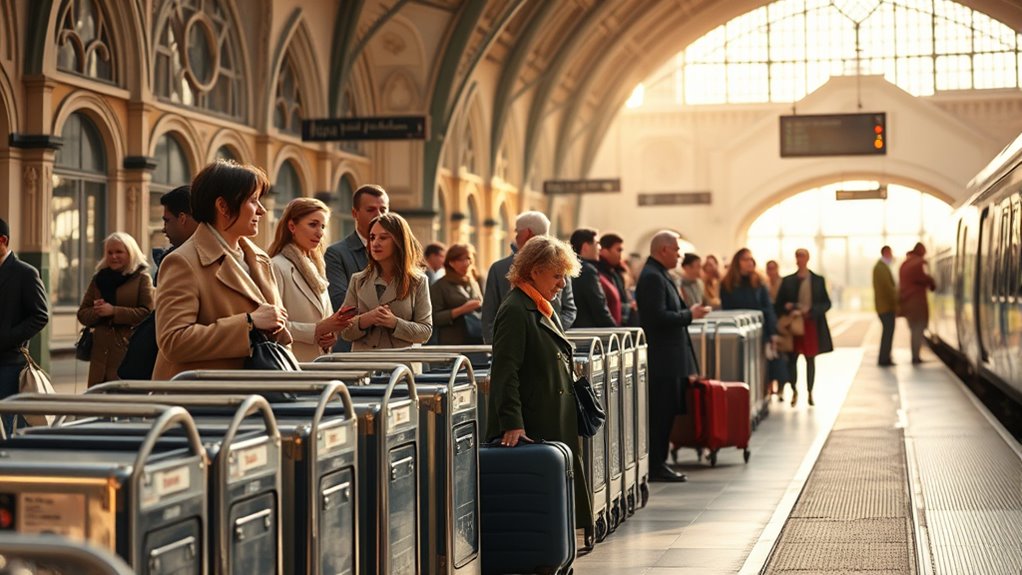
European quiet zones, such as hospitals, libraries, and churches, are places where silence is expected and valued. When you enter these spaces, you should keep noise to a minimum to respect the environment and the people around you. Speak softly and avoid loud conversations, especially in enclosed areas. Refrain from using your phone loudly or playing music without headphones. In churches and religious sites, dress modestly and lower your voice during services or prayer times. Remember, these zones prioritize calm and reflection, so your behavior should mirror that. Disrupting the peace can offend locals and even lead to fines or being asked to leave. By observing these quiet zones, you show respect for local customs and contribute to a more considerate travel experience. Additionally, many European energy-efficient cloud servers are used by local institutions to promote sustainability and reduce noise pollution in urban environments. Being mindful of cultural sensitivities in these areas helps ensure a respectful and enjoyable visit. Recognizing and adapting to these quiet rules demonstrates cultural awareness and enhances your overall experience as a respectful traveler. Maintaining a quiet demeanor can also help you connect more meaningfully with the surroundings and local community. Being aware of these silent protocols can further improve your interactions and show genuine respect for the space.

Amylove 2 Pcs Stroller Phone Holder Portable Cell Phone Holder Stand Universal Stroller Accessories for Parent Baby Toddler Cellphone Clamp with Non Slip Silicone Arm Grip(Black,Novel)
What You Will Get: the package contains 2 pieces of stroller phone holders in black color, and they…
As an affiliate, we earn on qualifying purchases.
As an affiliate, we earn on qualifying purchases.
Common Noise Disruptions and How Tourists Can Avoid Them

Respecting quiet zones is important, but noise disruptions often occur in everyday situations outside these spaces. On public transportation, avoid loud conversations, music, or phone calls, as they disturb fellow passengers. Eating strong-smelling foods can also offend others, so choose milder options or wait until you’re off transit. During peak hours, blocking doorways or standing in vestibules slows movement and frustrates commuters. Always validate your tickets to prevent fines and help conductors manage passenger flow. At restaurants, avoid rushing staff or leaving before requesting the bill, which can seem impolite. Refrain from loud phone use or discussions in cafes and quiet public areas. Additionally, understanding how filtration systems work can help you minimize dust and odor disturbances during your stay, especially in public spaces with ventilation. Being aware of noise ordinances and local customs can further help you adapt your behavior to maintain the peaceful atmosphere Europeans value. Moreover, using aromatherapy with calming essential oils like lavender or chamomile can contribute to a more relaxed environment during your visit. Familiarizing yourself with noise control techniques can also help reduce unintentional disruptions and foster respectful interactions.

Complete Etiquette for Ladies
As an affiliate, we earn on qualifying purchases.
As an affiliate, we earn on qualifying purchases.
The Importance of Maintaining Silence on Public Transit

Maintaining silence on public transit is essential for creating a comfortable environment for all passengers. When you keep your voice low and avoid loud conversations, you help everyone enjoy a peaceful journey. Speaking loudly or using your phone on speaker can disturb others and break local quiet norms. Remember, many Europeans value tranquility in shared spaces, especially during busy commute times. If you need to make a call, find a quiet corner or wait until you’re off the vehicle. Avoid playing music out loud or eating strongly scented foods that might bother nearby passengers. Respecting these silent rules shows consideration and helps maintain the calm atmosphere that many European transit systems promote. Practicing mindfulness about noise levels ensures a more enjoyable experience for everyone on board. Being aware of thermal behavior and ambient noise levels can help you better gauge when it’s appropriate to speak or remain silent. Additionally, understanding cultural norms surrounding noise can prevent unintentional disruptions and demonstrate respect for local customs. Recognizing environmental cues, such as the overall noise level and passenger behavior, can further guide appropriate communication during your journey. Paying attention to social context can also help you decide when silence is most appropriate and when a brief conversation might be acceptable.

EWA Travel Case Packed, A106 Pro Portable Bluetooth Speaker with Custom Bass Radiator, Brief Design, IP67 Waterproof, Perfect Mini Speaker for Shower, Room, Bike, Car (Black)
JUST-RIGHT VOLUME AND BASS – A106Pro mini speaker is conveniently small but able to releasing crystal clear sound…
As an affiliate, we earn on qualifying purchases.
As an affiliate, we earn on qualifying purchases.
Cultural Expectations for Respectful Behavior in Shared Spaces
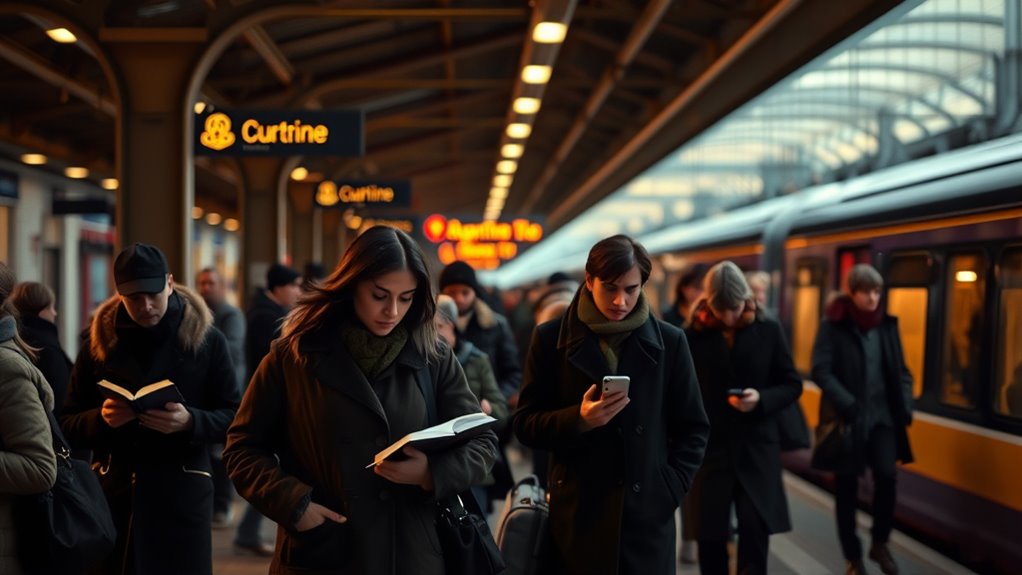
Shared spaces in Europe demand awareness of local customs and social norms to show consideration for others. You should keep noise levels down in residential areas, courtyards, and late-night venues to respect residents’ quiet hours. When using public transportation, avoid loud talking or disruptive behavior, and always validate your ticket to prevent fines. In cafes and restaurants, wait for the server to bring the bill and avoid rushing staff or loud phone conversations. Respect local dress codes at religious sites and upscale venues by dressing modestly and appropriately. Refrain from taking photos of people without permission, especially in markets or private settings. Follow waste separation rules and dispose of trash responsibly. Ensuring good air quality by minimizing noise pollution and respecting environmental norms can significantly enhance your experience. Being mindful of cultural norms in daily interactions further demonstrates your respect for local customs and helps you blend in seamlessly. Additionally, maintaining a calm demeanor and avoiding noise pollution in shared environments can contribute to a more pleasant atmosphere for everyone. Remember that small gestures of courtesy, like greeting locals politely, can go a long way in fostering positive interactions and respecting the social etiquette of the region. Familiarizing yourself with local support breakfast options, such as cozy cafes or breakfast spots, can also enrich your cultural experience.
Tips for Navigating Local Rules and Ensuring Courteous Interactions
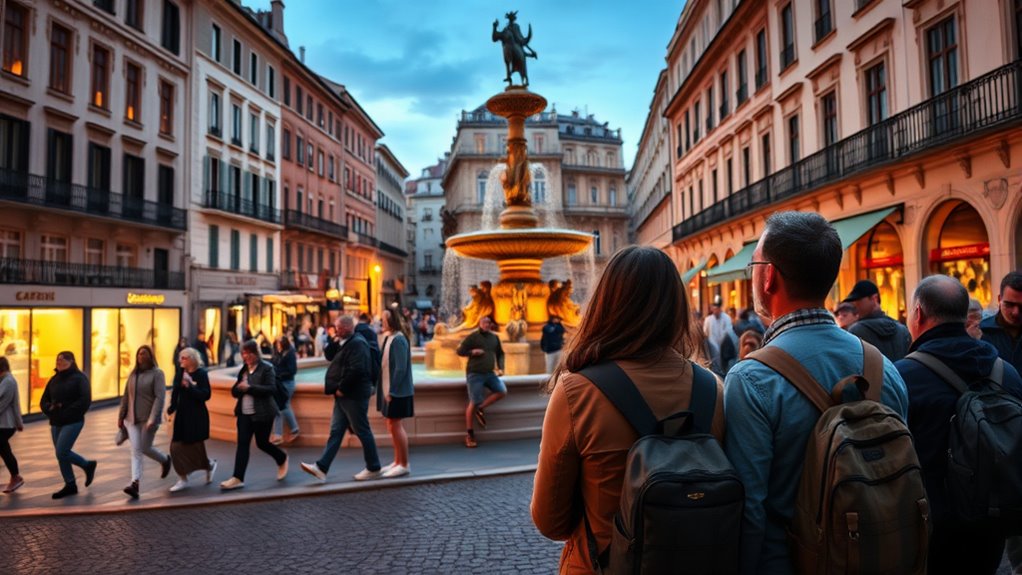
To navigate local rules and guarantee courteous interactions, start by researching customs and regulations before you arrive. Knowing basic etiquette helps you avoid misunderstandings and shows respect. For example, check whether tipping is included or if quiet zones exist. Use local greetings—handshakes or cheek kisses—appropriately, and avoid loud conversations. Be aware of public transportation rules, like validating tickets and keeping aisles clear. When dining, wait for the server’s cue to ask for the bill, and don’t use loud phones in restaurants. Additionally, understanding public space etiquette helps you remain considerate of others in shared environments. Being aware of cultural sensitivities can also prevent unintentional offenses and foster positive interactions. Respecting local customs ensures smoother social exchanges and demonstrates your appreciation for the host country’s traditions. Recognizing the importance of quiet zones in certain areas can help you avoid unintentional disruptions. For instance, maintaining noise levels in shared spaces shows respect for others’ comfort. Here’s a quick guide:
| Situation | Tip |
|---|---|
| Public transport | Validate tickets; keep noise low |
| Dining | Wait for the full party before eating |
| Public spaces | Respect quiet zones; avoid amplified music |
| Cultural sites | Follow rules; dress modestly |
| Interacting with locals | Use local greetings; speak respectfully |
Following these tips helps you blend in and show appreciation for local customs.
Frequently Asked Questions
Are There Specific Times When Quiet Zones Are Strictly Enforced?
You should know that quiet zones are strictly enforced during designated times, often late at night and early mornings, especially in residential areas, hospitals, libraries, and religious sites. Authorities monitor these periods closely to maintain peace. If you’re in these zones, avoid loud conversations, phone calls, or playing music. Respect local rules, and you’ll prevent disturbances, fines, or social friction, making your stay more enjoyable and culturally sensitive.
How Loud Is Considered Acceptable in Public Spaces in Europe?
Remember, silence is golden, especially in Europe. In public spaces, keeping your voice at a moderate level is expected—think of a friendly chat rather than shouting. Avoid loud conversations, mobile phone ringtones, or music that can disturb others. When in cafes, parks, or quiet zones, speak softly and respect local norms. If you’re unsure, err on the side of quiet; it’s better to be respectful than disruptive.
What Are the Penalties for Violating Noise Regulations as a Tourist?
If you violate noise regulations in Europe, you risk fines, warnings, or even legal action, depending on the country and severity of the disturbance. Authorities take noise violations seriously, especially in residential areas or designated quiet zones like hospitals and churches. You might also face social backlash or be asked to leave certain places. To avoid penalties, keep your voice low and respect local quiet hours and rules.
Do European Transit Systems Have Designated Quiet Carriages?
Yes, many European transit systems have designated quiet carriages or zones. You should look for signs or ask staff to locate these areas, as they’re meant for travelers seeking a peaceful environment. When you’re in a quiet carriage, keep your voice low, avoid loud phone calls, and refrain from eating strong-smelling foods. Respect these designated spaces to follow local customs and ensure a comfortable journey for everyone.
How Can I Politely Apologize if I Accidentally Disrupt Quiet Zones?
Imagine a gentle ripple disrupting a calm pond—that’s what an accidental noise in a quiet zone feels like. You can politely apologize by softly saying, “Sorry for the disturbance, I didn’t mean to disrupt the quiet,” with a sincere tone. A smile and a nod show your respect. If needed, briefly lower your voice or move to a less sensitive area, demonstrating your willingness to respect local customs.
Conclusion
Think of Europe’s quiet zones as delicate gardens, where silence is the gentle breeze that keeps everything in harmony. When you respect these unspoken rules, you’re tending these gardens with care, allowing others to enjoy their peaceful beauty. Break the silence, and it’s like trampling delicate blooms. By minding your noise, you become a guardian of tranquility, ensuring your journey blooms with respect and leaves behind a trail of harmony in every shared space.