
If you’re seeking an immersive history experience in Europe, explore well-preserved medieval towns like Carcassonne and Rothenburg ob der Tauber, where cobblestone streets and ancient architecture transport you back in time. Walk through historic streets, marvel at castles, and visit ancient ruins like Greece’s Acropolis or Italy’s Pompeii to connect with past civilizations. Regions rich in layers of history, from Roman baths to Ottoman influences, make you feel truly part of history. Keep exploring to discover even more historic treasures.
Listen free for 30 days with Audible
Thousands of audiobooks and originals — cancel anytime.
As an affiliate, we earn on qualifying purchases.
Key Takeaways
- Visiting well-preserved medieval towns like Rothenburg ob der Tauber or Carcassonne offers authentic walking tours through history.
- Exploring ancient ruins such as Greece’s Acropolis or Italy’s Pompeii immerses visitors in ancient civilizations.
- Experiencing European living museums and historic streets allows for hands-on engagement with past eras.
- Discovering regional layers, like Roman baths in the UK or Ottoman-influenced sites in Eastern Europe, enriches historical understanding.
- Authentic architecture, castles, and artifacts create a tangible sense of history, making the past feel alive.
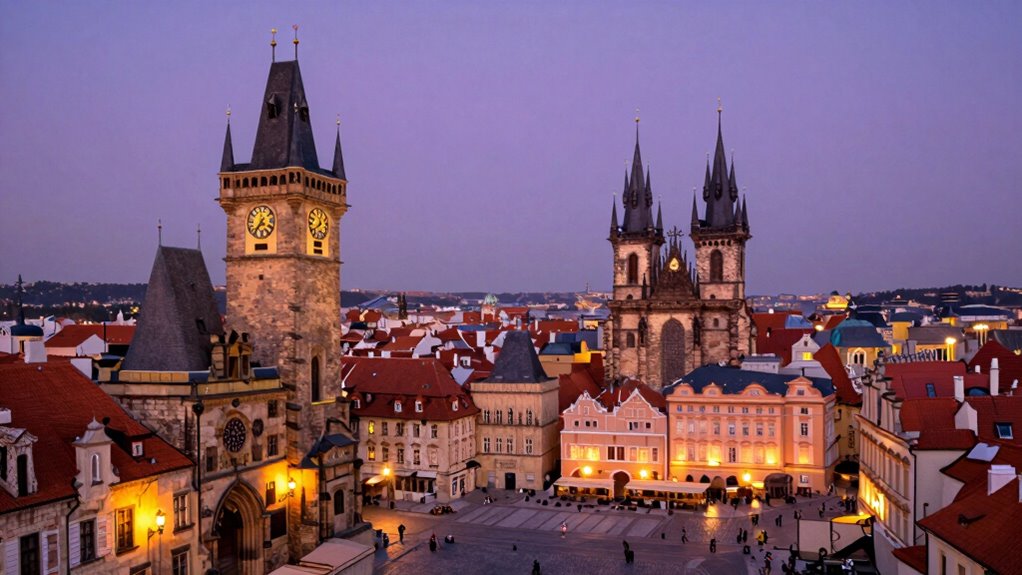
Are you passionate about uncovering the stories that shaped our world? If so, Europe offers a wealth of experiences that make history come alive. When you walk through its streets and sites, you’re stepping into living museums filled with stories of kings, battles, and revolutions. For history lovers, few regions can match the immersive feeling that comes from exploring its ancient landmarks and well-preserved architecture.
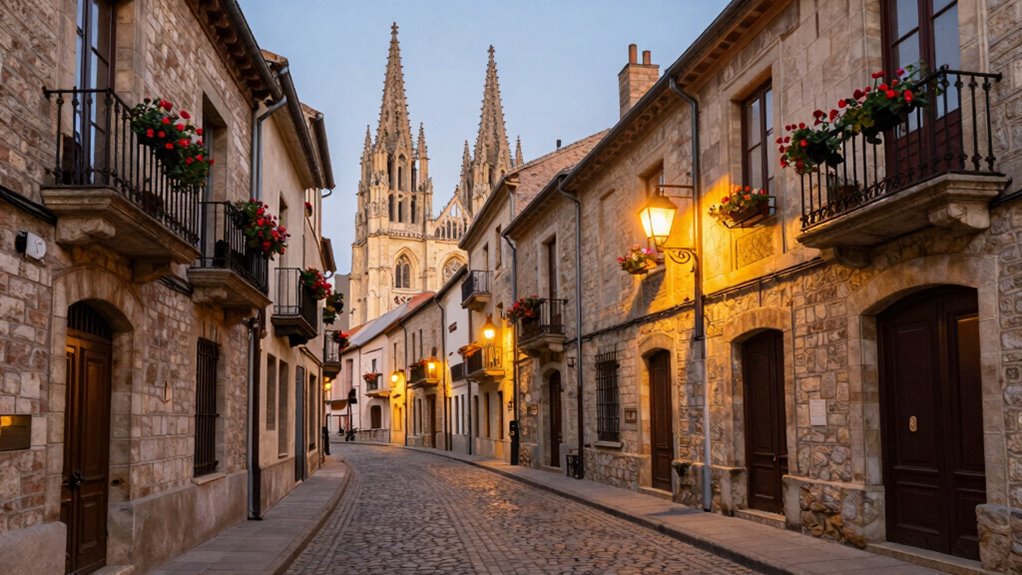
Medieval architecture plays a significant role in creating that sense of immersion. Imagine standing beneath towering cathedrals with intricate stained glass windows, or wandering through fortified castles that once housed royalty and soldiers. The craftsmanship and engineering of medieval structures are awe-inspiring, allowing you to feel connected to a time when such buildings represented the pinnacle of art and power. In places like France’s Carcassonne or Germany’s Rothenburg ob der Tauber, these well-preserved towns and castles let you walk the same streets as medieval villagers and knights, giving you a vivid glimpse into the past.
But it’s not just about the buildings. Ancient ruins scattered across Europe deepen your connection to history. When you explore sites like Greece’s Acropolis or Italy’s Pompeii, you’re walking through remnants of civilizations long gone, yet still vivid in their legacy. These ruins tell stories of societal development, daily life, and monumental events. Standing amidst ancient columns or partially excavated streets, you can almost hear echoes of conversations and footsteps from centuries ago. The sense of discovery is palpable, and it’s easy to imagine the lives of those who built these structures and inhabited these spaces. Exploring archaeological sites further enhances your understanding of historical contexts, especially when you learn about the archaeological methods used to uncover them.
Europe’s diversity guarantees that every corner offers a new historical narrative. In the UK, Roman baths and medieval castles reveal layers of history, while in Eastern Europe, you can explore Ottoman influences and medieval fortresses. Each site invites you to step into a different era, making your experience not just educational but emotionally engaging. Exploring these diverse cultural influences enriches your understanding of Europe’s complex history and the interconnectedness of its civilizations.
Ultimately, the magic lies in the authenticity of these sites. Whether marveling at medieval architecture or wandering among ancient ruins, you’re not just observing history—you’re experiencing it firsthand. Europe’s historical treasures are designed to captivate your senses and ignite your curiosity, making every visit a deeply immersive journey into the past.
medieval town walking tour guide
As an affiliate, we earn on qualifying purchases.
As an affiliate, we earn on qualifying purchases.
Frequently Asked Questions
Which Lesser-Known European Sites Offer the Most Authentic Historical Experiences?
You’ll love exploring hidden ruins in the Albanian city of Gjirokastër, where ancient Ottoman architecture and authentic history await. Visit secret museums like the Museum of the Albanian Secret Service in Tirana for a glimpse into covert operations. These lesser-known sites give you genuine, immersive historical experiences, far from tourist crowds, allowing you to connect deeply with Europe’s rich past through authentic ruins and unique museums.
How Can Travelers Avoid Crowds at Popular Historical Landmarks?
To avoid crowds at popular historical landmarks, you should plan your visit during off-peak travel times, such as early mornings or late afternoons. Booking private early access tours gives you a more intimate experience and lets you explore without the crowds. Additionally, consider visiting lesser-known sites nearby, which often offer authentic experiences without the throngs of tourists. This way, you enjoy history more peacefully and personally.
Are There Guided Tours Suitable for History Enthusiasts With Specific Interests?
Yes, guided tours tailored for history enthusiasts with specific interests are available. You can join specialized tours focusing on medieval architecture or exploring ancient artifacts in museums and archaeological sites. These guided experiences often include expert commentary, allowing you to dive deep into the history behind the structures and artifacts. Book in advance to guarantee access to these specialized tours, giving you an immersive experience that truly satisfies your passion for history.
What Local Customs Should Visitors Respect When Exploring Historical Sites?
Think of visiting historical sites as stepping into someone’s cherished story—treat it with care. You should respect local customs by dressing appropriately, speaking softly, and avoiding disruptive behavior. Follow signs and guidelines, and always ask for permission before taking photos. By practicing cultural etiquette and showing respectful behavior, you honor the history and the community, ensuring these timeless treasures remain meaningful for everyone who visits.
How Accessible Are Europe’s Historical Sites for Travelers With Mobility Challenges?
You’ll find many of Europe’s historical sites increasingly accessible for travelers with mobility challenges. Accessible transportation options like adapted buses and trains make getting around easier, while wheelchair-friendly pathways ensure you can explore sites comfortably. Major cities prioritize inclusivity, but some older sites may have limited access. Planning ahead, verifying specific site accessibility info, and contacting local authorities can help you enjoy Europe’s rich history without hassle.
ancient ruins travel guide Greece Pompeii
As an affiliate, we earn on qualifying purchases.
As an affiliate, we earn on qualifying purchases.
Conclusion
So, if you’re craving a history fix so intense you can almost hear the echoes of the past, Europe’s got you covered. From ancient ruins to medieval castles, it’s practically a history buff’s playground—where every cobblestone has a story and every corner whispers secrets. Just don’t forget your time-traveling hat (or maybe just a really good guidebook). After all, who wouldn’t want to get lost in a continent that’s practically a living, breathing history lesson?
As an affiliate, we earn on qualifying purchases.
European historical architecture book
As an affiliate, we earn on qualifying purchases.
As an affiliate, we earn on qualifying purchases.
Flea & tick season Picks
flea and tick prevention
As an affiliate, we earn on qualifying purchases.