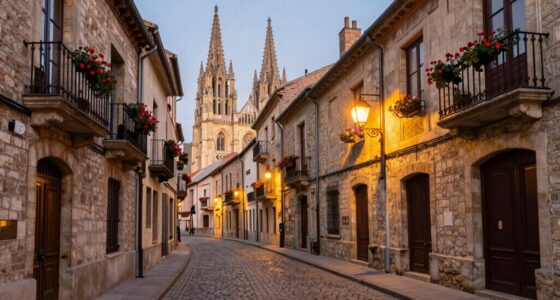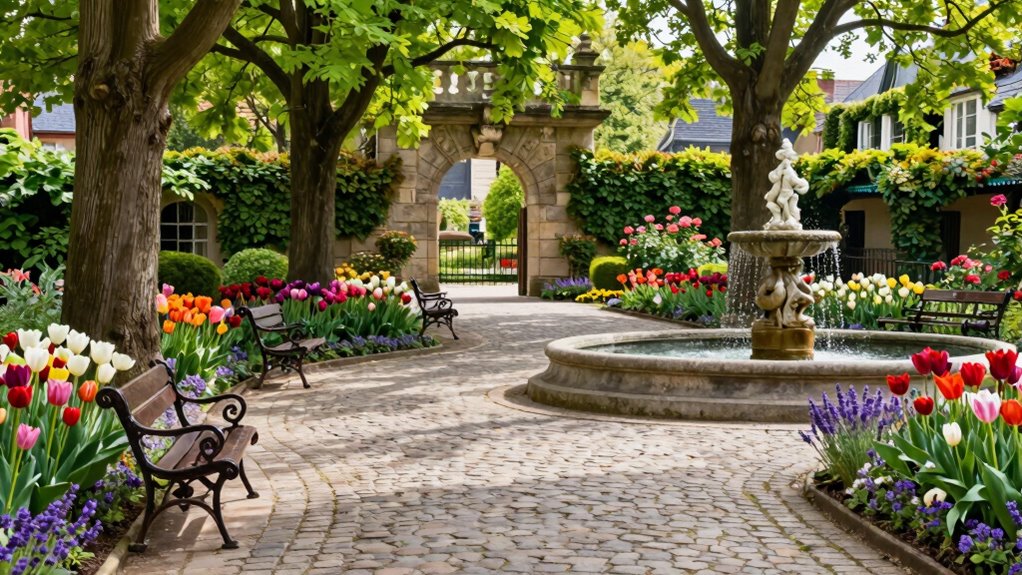

To truly enjoy European parks and gardens, slow down and immerse yourself in their atmosphere. Focus on your senses—listen, feel, smell—and take your time exploring one area deeply. Learn the stories behind the plants and design choices, appreciating their cultural and historical layers. Observe subtle details and layout to understand what makes each space unique. If you continue, you’ll find ways to deepen your connection and experience these beautiful landscapes on a richer level.
Open a free Amazon Business account
Business pricing, bulk buying and tax-exempt orders.
As an affiliate, we earn on qualifying purchases.
Key Takeaways
- Immerse yourself fully by engaging your senses and settling into specific areas to appreciate the atmosphere.
- Learn the historical and botanical stories behind the gardens to deepen your understanding beyond surface-level sightseeing.
- Observe design principles like balance, focal points, and plant placement to appreciate the artistry involved.
- Pay attention to subtle details, layout, and plant arrangements that evoke mood and emotion.
- Approach each visit with curiosity and mindfulness, viewing gardens as living narratives rather than checklists.
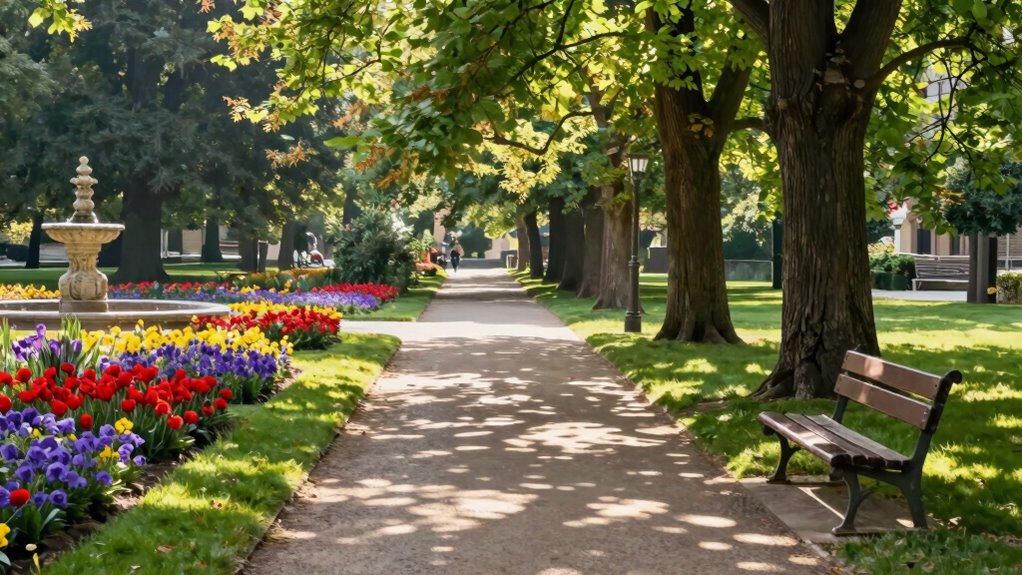
Europe is home to some of the world’s most stunning parks and gardens, offering peaceful escapes and breathtaking scenery. When you visit these spaces, it’s tempting to treat them like a checklist—checking off every famous garden or park on your list. But to truly appreciate their beauty, you need to go beyond simply ticking boxes. Instead, immerse yourself in the experience, allowing yourself to connect with the environment on a deeper level. Understanding the botanical history of these gardens can enrich your visit. Many European parks have roots that stretch back centuries, reflecting the cultural and historical contexts of their time. Learning about how certain plants were cultivated or introduced reveals stories of exploration, trade, and botanical exchange. It’s not just about admiring the greenery but appreciating the stories woven into the landscape. As you wander, pay attention to how different plants are arranged and why. This is where garden design principles come into play—balance, harmony, focal points, and the interplay of textures and colors. Recognizing these elements helps you see the garden as a carefully crafted work of art, not just a collection of plants. Rather than rushing through, take your time to notice how pathways guide your journey, how water features reflect sunlight, or how seasonal blooms transform the scenery. These design choices aren’t accidental; they’re deliberate, meant to evoke emotion and create tranquility. If you focus solely on the highlights, you miss the subtle details that make each garden unique. Approach your visit with curiosity about the garden’s layout and history. Ask yourself why certain plants are placed where they are or how the landscape was designed to lead your eye or evoke a particular mood. By doing so, you turn a simple stroll into an educational experience. Remember, the most memorable visits happen when you allow yourself to slow down and observe. Instead of rushing to see everything, pick a corner or a particular section and settle there for a while. Let your senses guide you—listen to the rustling leaves, feel the textures of bark and petals, smell the fragrant blossoms. Gardens and parks in Europe are more than their visual appeal; they are living narratives of botanical history and design mastery. Recognizing the importance of botanical history can deepen your appreciation for the layers of meaning embedded in these landscapes. Embracing gardening techniques used in historical European parks can also provide insight into the craftsmanship involved. Additionally, understanding how native and exotic plants are integrated into these landscapes can enhance your appreciation for their ecological and aesthetic significance. Exploring the landscape architecture behind these gardens can reveal how space and environment were intentionally shaped to evoke specific feelings or responses. When you approach them with curiosity and mindfulness, you’ll discover their true beauty and leave with a richer appreciation for these natural masterpieces.
As an affiliate, we earn on qualifying purchases.
Frequently Asked Questions
Are There Hidden Gems in European Parks Worth Exploring?
Yes, there are secret spots and lesser-known parks in Europe worth exploring. You might stumble upon hidden gardens tucked away behind historic buildings or quiet parks away from the crowds. These lesser-known parks, like Prague’s Vyšehrad Gardens or the secret courtyards in Florence, offer unique experiences. Exploring these hidden gems allows you to enjoy peaceful moments, discover local charm, and truly immerse yourself in the authentic European park culture.
How Can I Experience Local Culture in Parks?
You can truly experience local culture by immersing yourself in the park’s atmosphere. Attend cultural festivals, watch traditional performances, or join local traditions like dance or craft workshops. Strike up conversations with residents, savor regional snacks, and observe daily routines. These moments help you connect beyond sightseeing, giving you an authentic taste of the community’s way of life and making your visit more meaningful than just ticking off sights.
What Are the Best Times to Visit for Fewer Crowds?
You should visit during shoulder seasons, typically spring and fall, when seasonal variations bring fewer crowds. Weekdays also tend to be quieter, making crowd management easier. Avoid peak summer months and major holidays, as these times draw larger groups. Early mornings and late afternoons are ideal for peaceful exploration. By planning your trip around these times, you’ll enjoy a more relaxed experience and truly connect with the natural beauty and local culture.
Can I Join Guided Tours or Workshops in Parks?
Yes, you can join guided tours and participate in workshops in many European parks and gardens. These experiences often enhance your visit, giving you deeper insights into the history, flora, and design. Check the park’s schedule or visitor center for available guided tours and workshops. Booking in advance is recommended, especially during peak seasons, to secure your spot and fully enjoy the educational and immersive aspects of your visit.
How Do I Respect the Environment While Visiting?
Think of your visit as tending a delicate garden; your actions can nurture or harm. To respect the environment, practice eco-friendly habits like staying on designated paths, avoiding litter, and using reusable items. Embrace responsible tourism by respecting local rules and flora. By doing so, you help preserve these natural treasures, ensuring they thrive for future visitors and remain vibrant reflections of nature’s beauty.
As an affiliate, we earn on qualifying purchases.
Conclusion
Remember, exploring European parks and gardens isn’t just about ticking boxes—it’s about immersing yourself in their beauty and history. Take your time, wander slowly, and let yourself be captivated by each unique landscape. Did you know that the Gardens of Versailles cover over 800 hectares? That’s enough space to lose yourself in nature for days. So, relax, breathe deeply, and truly enjoy every moment—these are the memories that’ll stay with you long after your trip ends.
outdoor picnic blanket waterproof
As an affiliate, we earn on qualifying purchases.
As an affiliate, we earn on qualifying purchases.
portable binoculars for sightseeing
As an affiliate, we earn on qualifying purchases.
As an affiliate, we earn on qualifying purchases.
Flea & tick season Picks
flea and tick prevention
As an affiliate, we earn on qualifying purchases.