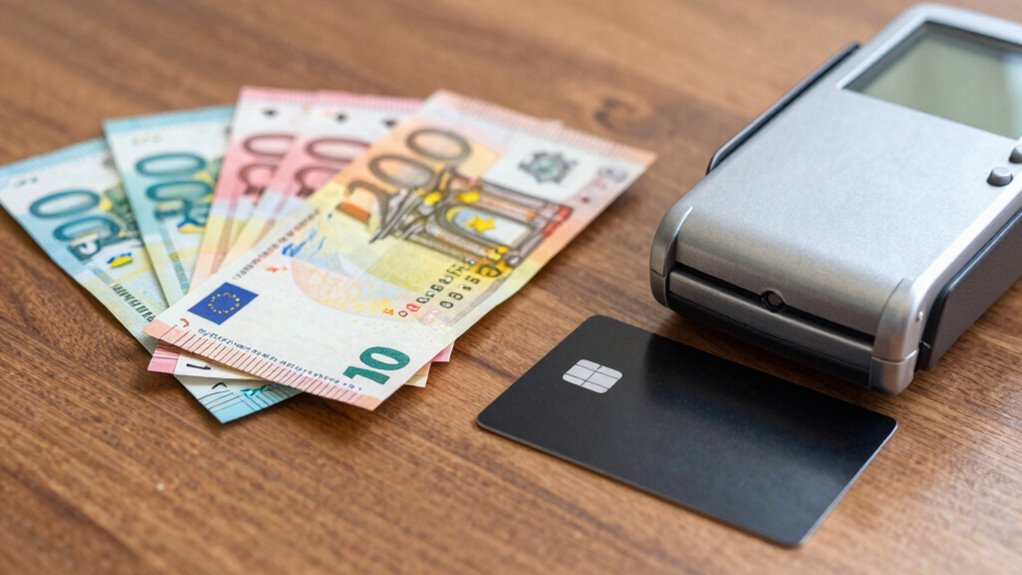

To manage euros, pounds, and cards smoothly across Europe, bring a multi-currency or travel-focused card that offers no foreign transaction fees. Use digital wallets and contactless payments for quick, secure transactions. Know exchange rates and choose the best time to swap currencies or withdraw cash from ATMs with low fees. Ensuring your cards work internationally and understanding the currency landscape helps avoid surprises. Keep exploring for practical tips to streamline your payments even further.
Key Takeaways
- Use a multi-currency travel card to handle euros and pounds without frequent conversions.
- Prefer credit cards with no foreign transaction fees for seamless euro and pound purchases.
- Withdraw cash from ATMs with partner networks to minimize withdrawal fees in both currencies.
- Enable contactless payments like Apple Pay or Google Pay for quick, secure transactions across Europe.
- Monitor exchange rates and fees to choose the most cost-effective payment method during your trip.
multi-currency travel card no foreign transaction fees
As an affiliate, we earn on qualifying purchases.
As an affiliate, we earn on qualifying purchases.
Understanding the Currency Landscape in Europe
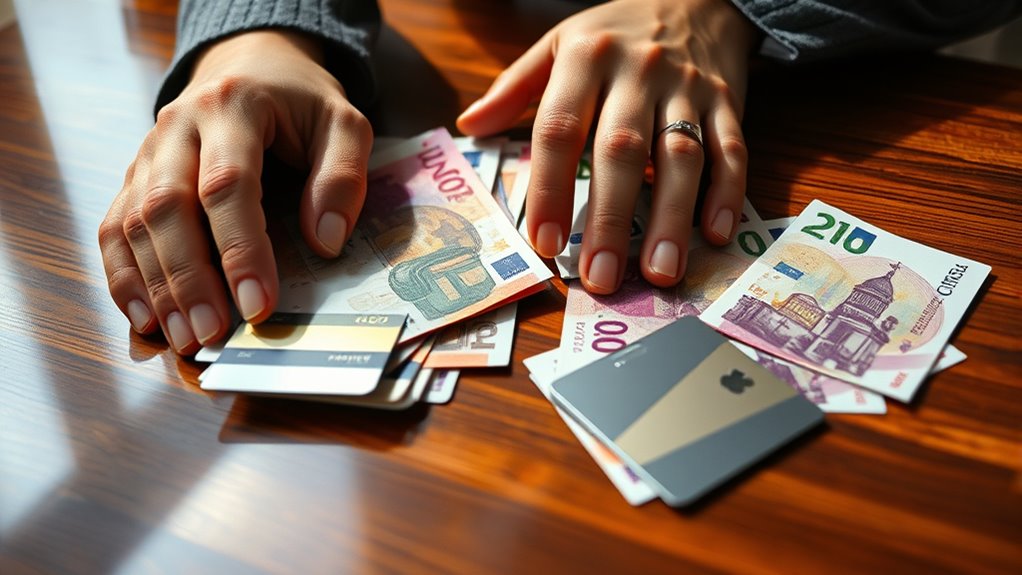
Europe’s currency landscape is diverse, with multiple countries using different monetary systems. In many Euro zones, the euro (€) is the official currency, making travel and transactions straightforward within those countries. However, outside these zones, you’ll encounter currencies like the British pound or Swiss franc, which can lead to currency fluctuations. These fluctuations impact exchange rates, affecting how much your money is worth when converting between currencies. It’s crucial to stay informed about current rates and consider potential changes to avoid surprises during your trip. Recognizing where the euro is accepted and where other currencies are in use helps you plan your finances better. This understanding ensures smoother transactions and helps you avoid unnecessary fees or confusion when dealing with different monetary systems across Europe.

Payment Accepted Decal Bundle | Apple Pay, Google Pay and Contactless Pay
As an affiliate, we earn on qualifying purchases.
As an affiliate, we earn on qualifying purchases.
Choosing the Right Payment Methods for Travel and Business
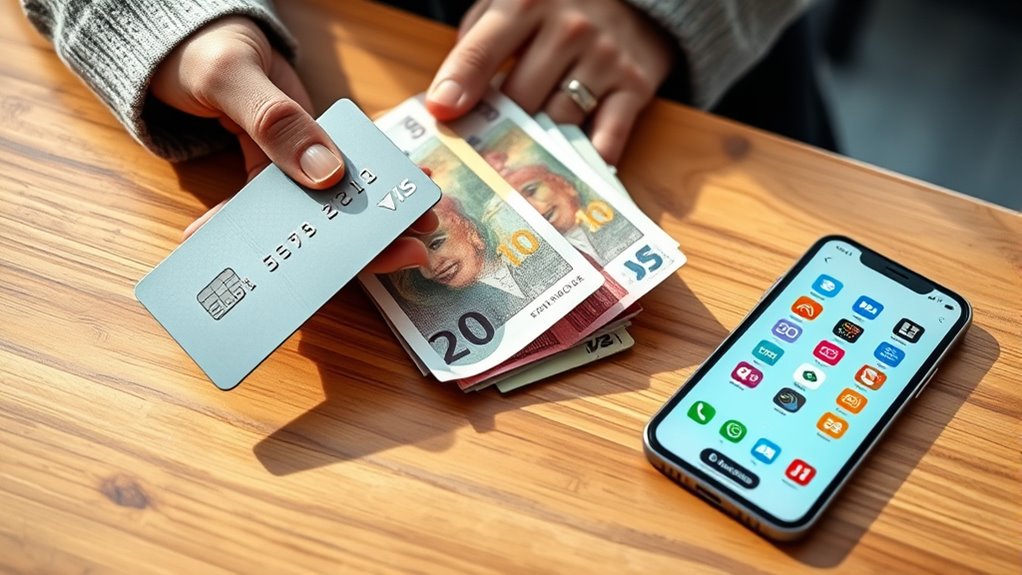
When choosing payment methods for travel and business in Europe, it’s vital to take into account both convenience and security. Mobile payment solutions, like Apple Pay or Google Pay, offer quick, cashless transactions and are widely accepted across many countries. Cryptocurrency adoption is also growing, providing an alternative for secure, borderless payments, especially for those comfortable with digital currencies. Consider using digital wallets that support multiple currencies to simplify currency exchange and reduce fees. Be aware that some businesses and regions may prefer contactless payments over cash, enhancing safety and speed. Additionally, implementing safety guidelines for digital transactions can help ensure your payment data remains protected with sustainable and secure cloud solutions. Understanding the psychology of manipulation can also help you recognize and avoid potential scams or coercive tactics during transactions. Being aware of the importance of consumer awareness can further empower you to make safer and more informed payment choices. Incorporating cybersecurity best practices into your payment habits can further safeguard your financial information. Balancing these options ensures you’re prepared for diverse situations, whether you’re paying for a coffee or a corporate expense. Selecting the right mix of mobile solutions and emerging digital currencies can streamline your European transactions.
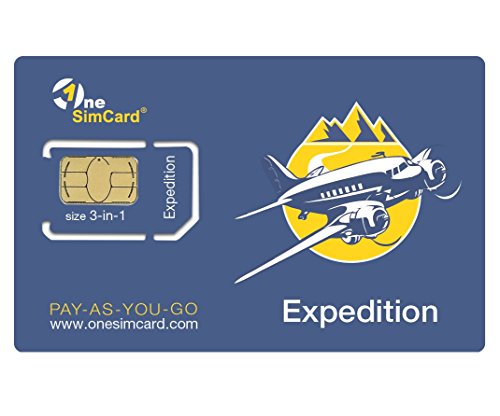
OneSimCard Expedition International SIM Card for Travel in 200+ Countries with $5 Credit – Data from $0.01 per MB. Compatible with All Unlocked GSM Devices & Phones
International SIM card for traveling in over 200 countries
As an affiliate, we earn on qualifying purchases.
As an affiliate, we earn on qualifying purchases.
Setting Up Your International Bank Accounts and Cards
Setting up your international bank accounts and cards is essential for smooth transactions in Europe. You’ll want to choose local banks that offer convenient services, manage currency exchange rates effectively, and guarantee easy access to ATMs worldwide. Taking these steps now will help you avoid unnecessary fees and streamline your financial operations abroad. Additionally, understanding financial regulations in different countries can prevent potential issues during your travels. Being aware of banking security measures can further protect your funds from fraud or theft while abroad. Ensuring your cards are compatible with payment networks used across Europe can also facilitate seamless payments. Familiarizing yourself with digital banking tools can enhance your ability to monitor and control your finances remotely. Moreover, selecting banks that prioritize customer service quality can make resolving any issues more straightforward if they arise.
Choosing Local Banks
Are you unsure how to choose the right local bank for your international accounts? Start by researching local banking options, focusing on regional financial institutions known for their reliability and customer service. Look for banks that offer international-friendly features like multi-currency accounts, low fees, and easy access through online banking. Consider their network coverage, especially if you travel frequently within Europe, to ensure you can withdraw cash and manage accounts effortlessly. Some regional institutions might provide better rates or personalized support tailored for expatriates and international clients. Comparing your options will help you find a bank that aligns with your needs, making managing multiple currencies and payments smoother while avoiding unnecessary costs. Vetted – Grace for Life Designs
Managing Currency Exchange
Once you’ve chosen a suitable local bank, the next step is to set up your international accounts and cards to manage currency exchange effectively. Currency fluctuations can impact your spending power, so it’s crucial to adopt exchange rate strategies. Consider holding accounts in multiple currencies to avoid unnecessary conversions. Use the table below to compare options:
| Strategy | Benefits | Drawbacks |
|---|---|---|
| Holding multi-currency accounts | Minimize exchange fees | May have maintenance costs |
| Timing transactions | Pay when rates are favorable | Requires monitoring |
| Using hedging tools | Protect against fluctuations | Complex and sometimes costly |
Being aware of affiliate relationships and how they support website operations can help you make informed financial decisions when setting up your accounts. Additionally, understanding currency exchange mechanisms can further optimize your financial management.
Accessing International ATMs
To access international ATMs smoothly, you need to make sure your bank accounts and cards are properly set up for global use. Check that your ATM accessibility is enabled for international cash withdrawal, and verify any fees or limits before traveling. Contact your bank to confirm your card works overseas and ask about partnerships with local banks to reduce withdrawal costs. Consider carrying multiple cards in case one is declined or lost. Use ATMs affiliated with major networks like Visa or Mastercard for reliable access. Be aware of possible foreign transaction fees and notify your bank of your travel plans to avoid security blocks. Proper setup ensures you can withdraw cash easily and avoid unnecessary inconvenience during your trip. Additionally, understanding your home and small-shop power options can help you manage any electrical needs that arise during travel or stay. Being aware of local currency exchange policies can also facilitate smoother transactions and prevent unexpected costs. Knowing how to identify your bank’s SWIFT/BIC code can further streamline international transfers and communications with financial institutions. Also, verifying your bank’s international customer service options can provide quick assistance if issues occur abroad.
best currency exchange app for Europe
As an affiliate, we earn on qualifying purchases.
As an affiliate, we earn on qualifying purchases.
Managing Currency Exchange and Avoiding Hidden Fees
Managing currency exchange effectively is essential to avoiding unexpected costs when processing payments across Europe. You should always compare exchange rates offered by your bank or card provider with the market rates to ensure you’re getting the best deal. Be aware of fee structures, as some providers add hidden charges for currency conversion or international transactions. Using cards with transparent fee structures helps you avoid surprise costs. Consider opting for a credit card that offers no foreign transaction fees or uses real-time exchange rates without markup. Always check your provider’s policies before making international purchases. Understanding exchange rate fluctuations can help you make smarter financial decisions during your travels. Being aware of exchange rate fluctuations and how they impact costs can help you plan your spending more effectively. By understanding how exchange rates fluctuate and scrutinizing fee structures, you can minimize costs and keep your money working harder during your European travels. Knowing who makes your payment cards can also influence the fees and exchange rates you receive, so choose your provider wisely. Additionally, being aware of market rate comparisons can help you identify the most advantageous options for currency exchanges.
Tips for Using Digital Wallets and Contactless Payments
Using digital wallets and contactless payments can streamline your transactions across Europe, but it’s important to stay vigilant. Make sure to keep your digital wallet security tight by enabling multi-factor authentication and regularly updating your app. Always be aware of your surroundings when making contactless payments to prevent skimming or accidental transactions. Keep your device’s software current to protect against vulnerabilities. When using contactless payment tips, double-check the amount before confirming and avoid sharing your payment information with others. Use secure Wi-Fi networks or cellular data rather than public Wi-Fi to prevent hacking. Additionally, understanding financial security best practices can help you better safeguard your financial information while enjoying quick, hassle-free transactions. Being aware of the types of air pollutants that can affect your environment can also help you make more informed choices about the places you visit and the devices you use. Incorporating security measures like monitoring your account activity can further reduce the risk of fraud.
Ensuring Security and Protecting Your Financial Information
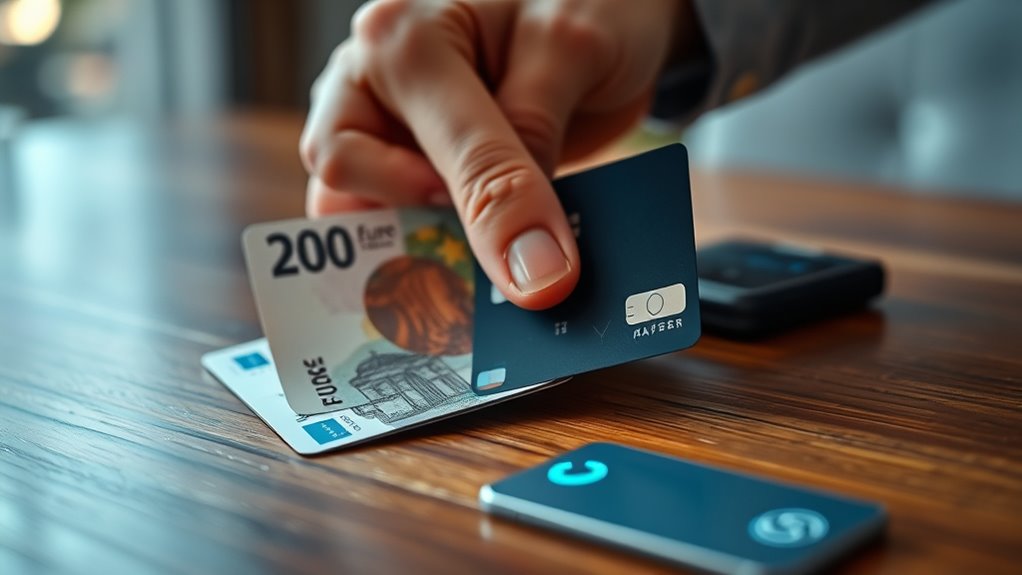
To keep your financial information safe, you should always use secure payment methods that offer strong encryption. Protect your financial data by regularly updating passwords and avoiding sharing sensitive details. Staying vigilant helps prevent fraud and keeps your transactions secure.
Secure Payment Methods
Securing your payment methods is essential to protect your financial information during transactions in Europe. To do this, consider using trusted mobile payment apps that offer encryption and biometric security features, reducing the risk of unauthorized access. These apps often provide multi-factor authentication, adding an extra layer of protection. While cryptocurrency options are gaining popularity, they can be less regulated and pose higher security risks if not managed carefully. If you choose to use cryptocurrencies, ensure you store your private keys securely and use reputable wallets. Combining secure mobile payment apps for everyday transactions with cautious use of cryptocurrency options helps you balance convenience and security. Always keep your devices updated and avoid sharing sensitive information to minimize potential threats.
Protect Financial Data
Protecting your financial data is essential for preventing unauthorized access and fraud during transactions in Europe. To do this, rely on robust encryption protocols that secure your sensitive information. Always use secure networks and avoid public Wi-Fi when making payments. Enable fraud prevention features offered by your bank or card provider, such as alerts for suspicious activity. Keep your devices updated with the latest security patches and antivirus software.
Imagine your data as a vault guarded by high-tech locks, shielding your finances from intruders. Visualize your transactions flowing through encrypted channels, making it nearly impossible for hackers to intercept. Regularly monitor your accounts for unusual activity, ensuring your financial information stays protected at all times.
Practical Strategies for Seamless Transactions Across Borders

Ever wondered how to guarantee smooth transactions across European borders? The key lies in adopting practical strategies that simplify payments. First, leverage international banking solutions that support multiple currencies, reducing conversion fees. Second, embrace cryptocurrency adoption for quick, borderless transfers, especially with peer-to-peer lending platforms. To visualize, consider this approach:
| Strategy | Benefit |
|---|---|
| Multi-currency accounts | Minimize conversion costs |
| Cryptocurrency payments | Enable fast, cross-border transfers |
| Local payment methods | Increase acceptance and convenience |
Frequently Asked Questions
How Do Exchange Rates Fluctuate Between Euros and Pounds?
You’ll notice exchange rate trends between euros and pounds fluctuate due to currency market factors like economic data, political stability, and interest rates. These influences cause rates to rise or fall daily, sometimes rapidly. When you exchange money or make transactions, keep an eye on these trends, as they impact how much you get or pay. Staying informed helps you make smarter decisions in the dynamic currency market.
What Are the Best Digital Wallets for European Travel?
You’re about to discover the top digital wallets for European travel, and it’s essential to choose one with the best features. These wallets offer seamless currency conversion, security, and worldwide acceptance. Look for apps compatible with your device, easy-to-use interfaces, and integrated travel perks. By selecting a wallet that meets your needs, you’ll enjoy hassle-free payments and stay connected wherever your journey takes you. Don’t settle for less—pick the best for your adventure.
How Can I Avoid International ATM Withdrawal Fees?
To avoid international ATM withdrawal fees, you should prioritize ATM fee reduction by choosing banks with no foreign withdrawal charges. Use your digital wallet or credit card that offers favorable currency exchange strategies, such as low or no foreign transaction fees. Always withdraw larger sums to minimize multiple fees, and plan ahead by researching partner ATMs or banks that waive withdrawal fees in your destination. This way, you save money and avoid unnecessary charges.
Are There Specific Security Tips for Using Contactless Cards Abroad?
To stay safe with contactless cards abroad, you should stay alert, shield your card, and monitor your transactions. Be mindful of contactless fraud risks, keep your card close, and regularly check your bank statements. Use security tips like disabling contactless payments when not in use, setting transaction alerts, and avoiding unnecessary exposure in crowded places. These steps help protect your card safety and prevent unauthorized transactions.
How Do I Handle Currency Conversions During Online Shopping?
When handling currency conversions during online shopping, you should compare dynamic pricing options offered by your bank or payment provider. Use tools with currency hedging to lock in favorable rates and avoid surprises. Always check if the website displays prices in your local currency or if you’ll be charged in the purchase currency, as this affects the final amount. Staying informed helps you save money and avoid hidden fees.
Conclusion
By understanding the currency landscape, choosing the right payment methods, and managing your accounts wisely, you can navigate Europe’s financial scene with confidence. Embrace digital wallets and contactless payments to simplify your transactions, while remaining vigilant about security and hidden fees. With these strategies, you’ll enjoy seamless, secure, and stress-free financial experiences across borders, making your travel and business endeavors smoother, smarter, and more enjoyable at every step.