For a memorable Meteora day trip, plan your transportation ahead—options include coach, train, or guided tours, with travel times ranging from 4 to 11 hours. Wear sturdy shoes and modest clothing to respect the monasteries. Don’t miss sunset views at Sunset Rock and explore lesser-known caves. Be mindful of cultural traditions and safety. If you keep exploring, you’ll discover helpful tips to make your visit smoother and more enjoyable.
Key Takeaways
- Allocate at least 4-5 hours for travel from Athens or Thessaloniki, including time to explore monasteries.
- Dress modestly (shoulders and knees covered) and wear sturdy shoes for uneven paths and stairs.
- Prioritize key monasteries like Great Meteoron and Varlaam, and visit scenic viewpoints such as Sunset Rock.
- Respect religious sites: speak softly, follow guides’ instructions, and avoid touching sacred objects.
- Capture photos early at sunset or from less crowded vantage points for unique scenic shots.
Travel Options and Timeframes for Visiting Meteora
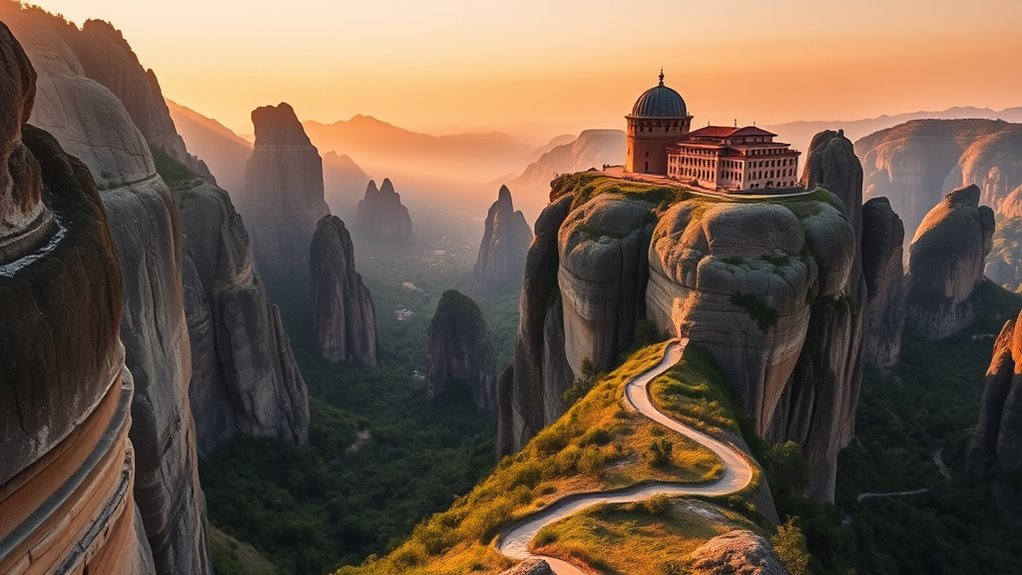
Wondering how to make the most of your trip to Meteora? There are several travel options to fit your schedule. If you’re coming from Athens, a day trip totals around 11 hours, arriving in Kalabaka by about 12:30 pm. Traveling from Thessaloniki takes roughly 3 to 3.5 hours, with coffee stops along the way. You can opt for a luxury coach or bus from Athens, which takes 4 to 5 hours each way, including refreshment breaks. Alternatively, a direct train from Athens’ main station offers a convenient morning route, though schedules vary. Sunset tours run from Kalabaka from November to mid-February, giving you a chance to enjoy the stunning scenery at dusk. Choose the option that best matches your timetable and preferred comfort level.
Key Monasteries to Explore and Their Highlights
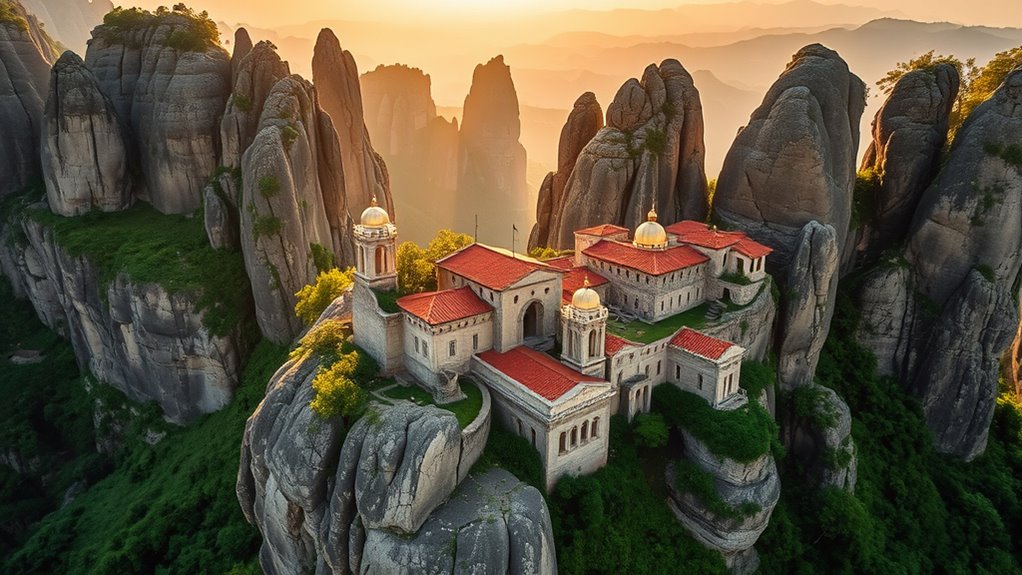
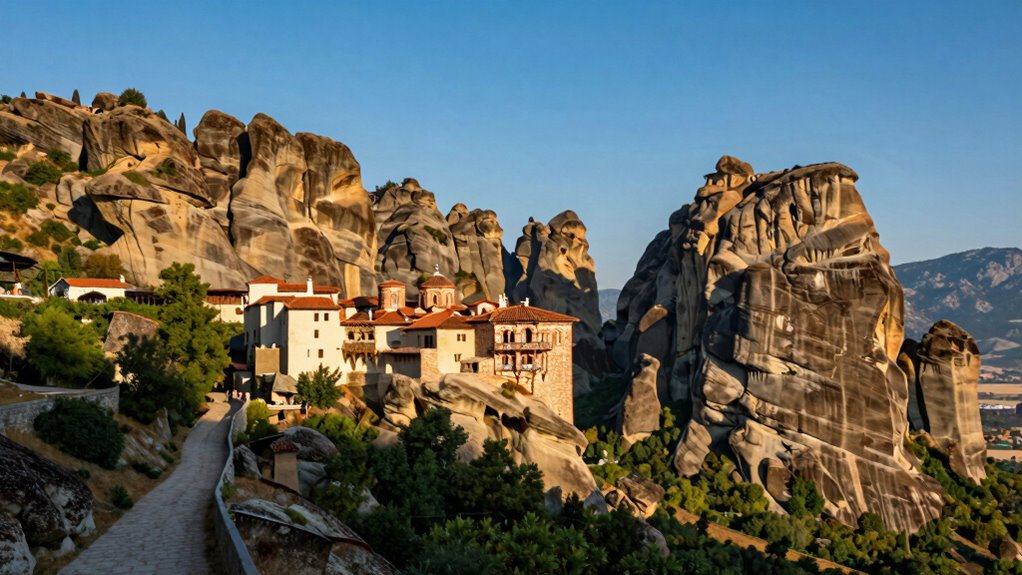
Meteora’s six active monasteries are perched atop towering sandstone pillars, each offering unique highlights and breathtaking views. The Great Meteoron, the oldest, features Byzantine architecture and a museum. Varlaam boasts a preserved rope net tower, terraced gardens, and impressive frescoes. Roussanou sits on a narrow pinnacle, known for vibrant frescoes and a warm atmosphere. Holy Trinity offers panoramic views and a peaceful setting, while Agios Stefanos is easily accessible with a wood-carved iconostasis. The monasteries vary in accessibility, architecture, and art, and understanding their Monastic significance can enrich your visit. Exploring their historical importance can deepen your appreciation of their spiritual legacy, as each monastery reflects a different aspect of Orthodox monastic tradition. Gaining insight into the monastic lifestyle can also enhance your experience of their daily routines and spiritual practices.
Tour Packages and Itinerary Variations

Tour packages to Meteora offer a variety of itinerary options tailored to different interests and schedules. Whether you want a quick overview or an immersive experience, there’s a package for you. Some focus on visiting the main monasteries and viewpoints, while others include secret spots like hermit caves. You can choose between half-day, full-day, or multi-day tours, each with options for guided commentary or self-guided exploration. Many packages incorporate scenic photo stops, local lunch experiences, and sunset viewing opportunities. Some tours from Athens last 4-5 hours, while Thessaloniki trips include monastery visits and lunch breaks. VIP small-group tours provide personalized attention, whereas bus options prioritize comfort. Tailoring your trip guarantees you get the most meaningful experience based on your time and interests. Additionally, choosing a sustainable tourism approach can help preserve Meteora’s unique landscape and cultural heritage for future visitors. Incorporating ethical considerations in your planning ensures responsible travel that benefits local communities and protects the environment. Understanding ethical tourism principles can enhance your overall experience and contribute positively to the destinations you visit. Being aware of the importance of cultural preservation can help travelers make respectful choices that support Meteora’s heritage. Engaging with local community initiatives can further enrich your visit and promote sustainable development in the area.
Practical Tips for Accessing the Monasteries
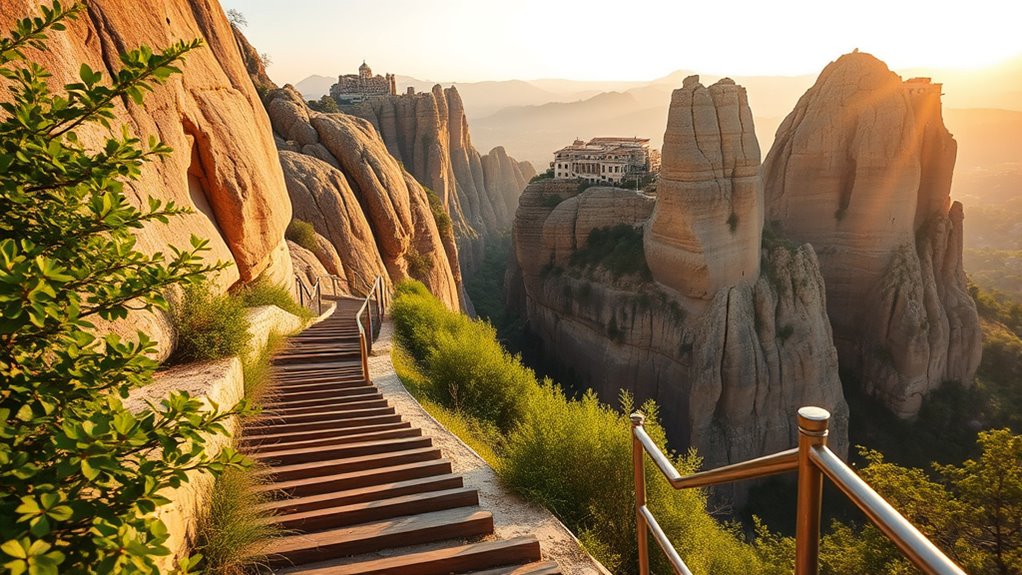
When planning your visit, keep in mind that accessing the monasteries involves some physical effort due to the many stairs and uneven pathways. Be prepared for steep climbs, especially at Great Meteoron and Holy Trinity, which require about 300 steps. The other monasteries typically involve around 140 stairs. Wear comfortable, sturdy shoes that provide good grip, as pathways can be uneven or slippery. Dress appropriately with covered shoulders and knees, since modest attire is required for entry. Entry fees apply to two monasteries per tour, and some sites may be closed on certain weekdays. Use the roads from Kalambaka to reach upper monasteries, which usually take about 30 minutes. Staying hydrated and taking breaks will make the experience more enjoyable and less tiring. To enhance your visit, consider researching the monasteries’ history and architecture beforehand so you can appreciate their cultural significance during your trip. Additionally, understanding the monasteries’ significance in Greek history can enrich your overall experience. Familiarizing yourself with the accessibility and physical demands of the sites can help ensure a comfortable and safe visit. Exploring the preservation techniques used in maintaining these historic sites can give you insights into their ongoing conservation efforts. Being aware of the sticking wall decor techniques used in these historic sites can also give you insights into their preservation efforts.
Best Viewing Spots and Photo Opportunities
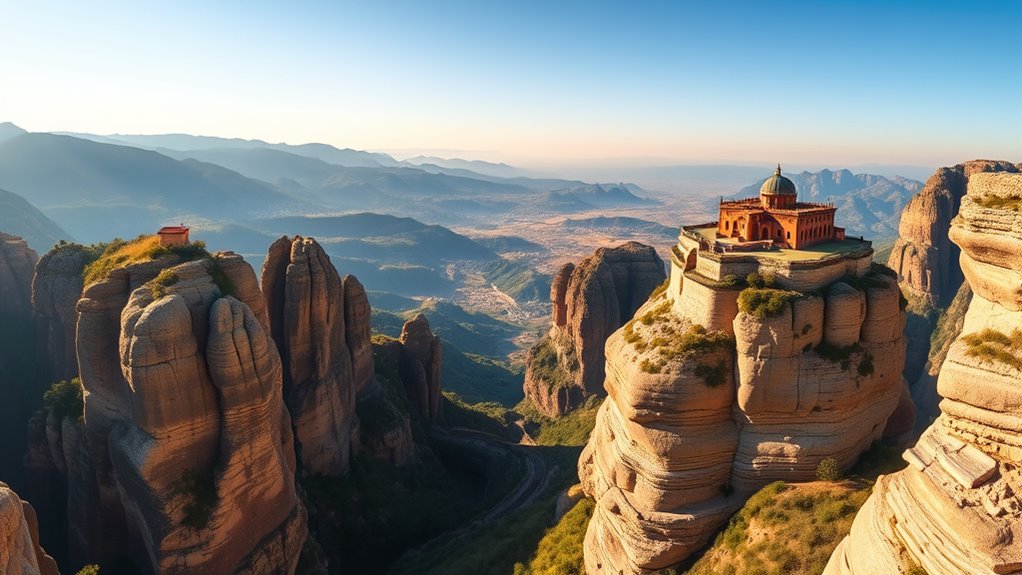
You’ll find incredible photo opportunities at the panoramic viewpoints, where the sweeping vistas of rock formations and monasteries unfold. Sunset Rock is perfect for capturing stunning twilight shots of the three monasteries illuminated by the setting sun. Don’t miss the hidden secret nooks and lesser-known spots that offer unique angles and a more intimate connection with Meteora’s breathtaking landscape. Exploring viewpoint significance and understanding the importance of each viewpoint can help you better appreciate the landscape’s natural beauty. Taking time to learn about geological formations enhances your appreciation of the rugged terrain and its formation over millions of years. Recognizing the geological history of Meteora can deepen your understanding of how these incredible rock pillars came to be. Additionally, exploring rock formations can provide insights into the natural processes that shaped this stunning landscape over countless millennia.
Panoramic Viewpoints
Are you looking for the best spots to capture stunning panoramic views of Meteora’s iconic rock formations? You’ll want to visit key viewpoints that highlight the area’s rugged beauty. Sunset Rock is a top choice for breathtaking vistas of multiple monasteries and towering pillars. The main road along the monasteries offers several accessible vantage points for wide-angle shots. For a more secluded experience, explore lesser-known spots like the Hermit Caves of Badovas. The terraces at Agios Stefanos provide sweeping views of the surrounding landscape, perfect for photos. Finally, the scenic drive from Kalabaka to the upper monasteries reveals stunning perspectives of the geological wonder. These viewpoints offer the perfect backdrop for memorable photos and a deeper appreciation of Meteora’s dramatic scenery. Additionally, understanding the geological formations helps visitors appreciate the natural history behind these spectacular rocks. Recognizing the indigenous geological features enhances the overall experience by connecting visitors to the area’s natural heritage. Being mindful of safety precautions when visiting these viewpoints ensures a secure and enjoyable experience while capturing the incredible scenery. Learning about the best time for photography can also help visitors plan their trips for optimal lighting conditions.
Sunset Photo Spots
Sunset photo spots in Meteora showcase some of the most breathtaking views you can capture during your visit. One prime location is Sunset Rock, where you get a panoramic vista of the towering monasteries illuminated by the warm glow of evening light. From here, you can photograph the dramatic sandstone pillars and the silhouette of the monasteries against the colorful sky. Another excellent spot is along the main monastery road, where you can frame the peaks and spires with the setting sun as your backdrop. For a more intimate shot, head to the Hermit Caves of Badovas, offering unique angles of the cliffs and hidden monk paths. Arrive early to set up and enjoy the changing colors, ensuring you capture the magic of Meteora’s sunset scenery.
Hidden Secret Nooks
To uncover Meteora’s best-kept photo opportunities, explore its hidden secret nooks that many visitors overlook. These spots reveal breathtaking views and unique angles you won’t find on standard tours. Venture off the beaten path to discover secluded terraces, narrow passageways, and vantage points behind monasteries. These hidden nooks often offer unobstructed shots of the towering rock formations and distant monasteries framed by nature. Exploring these secret spots allows you to capture the essence of Meteora away from crowds.
- Behind the Holy Trinity Monastery for panoramic views
- Narrow pathways near Roussanou for intimate shots
- Hidden terraces overlooking Kalabaka town
- Caves near Badovas with views of the rocks
- Elevated spots along the monk paths for sunset photos
Cultural Etiquette and Dress Code Requirements
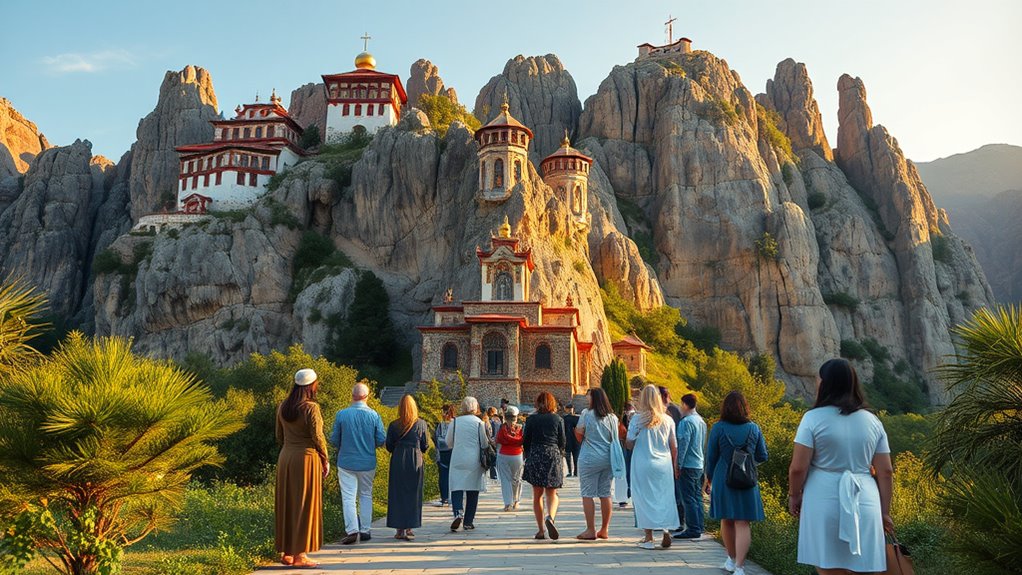
When visiting Meteora’s monasteries, you should dress modestly to show respect for the sacred site. Make sure your shoulders and knees are covered, and avoid sleeveless tops or shorts. Remember to behave respectfully, keeping noise levels down and refraining from disruptive actions during your visit.
Appropriate Attire Expectations
Visiting the monasteries of Meteora requires respectful attire that aligns with their religious and cultural significance. You should dress modestly to show respect for the sacred environment. Wear clothing that covers your shoulders and knees; sleeveless tops and shorts are not appropriate. Women are advised to bring a shawl or scarf to cover their shoulders if needed. Men should avoid tank tops or short shorts. Comfortable, closed-toe shoes are recommended for climbing stairs and uneven paths. Avoid overly casual or revealing outfits to honor the spiritual atmosphere. Remember, dress codes may be strictly enforced, and entry could be denied if you’re not appropriately dressed.
- Wear long skirts or pants and modest tops
- Carry a scarf or shawl for shoulders
- Avoid sleeveless shirts and shorts
- Opt for comfortable walking shoes
- Dress neatly and respectfully
Respectful Behavior Guidelines
Showing respect for the religious sites of Meteora is essential, and that begins with observing proper behavior and etiquette. When visiting the monasteries, speak softly and avoid disruptive behavior to honor monks and fellow visitors. Dress modestly, ensuring your shoulders and knees are covered, as this shows respect and aligns with the dress code. Refrain from loud conversations, taking photos where prohibited, or touching sacred objects. Always follow posted signs and listen to guides’ instructions. If you’re visiting during prayer times, be especially mindful and discreet. Respect the monks’ privacy and the spiritual atmosphere of the sites. By practicing these guidelines, you help safeguard the sanctity of Meteora’s monasteries and ensure a meaningful experience for everyone.
Additional Activities and Scenic Spots to Enhance Your Visit
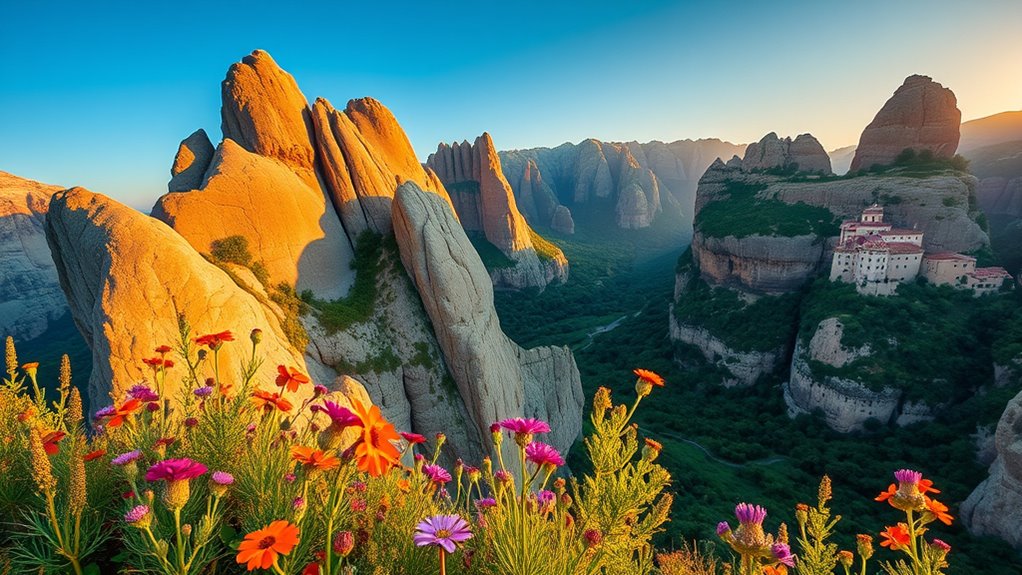
To make your Meteora trip even more memorable, consider exploring the surrounding natural and cultural sites that extend beyond the monasteries. These spots add depth to your experience and reveal the area’s rich history and stunning landscapes. You can hike through scenic trails leading to hidden caves or panoramic viewpoints, visit the Hermit Caves of Badovas for a glimpse into monastic solitude, or enjoy breathtaking vistas from Sunset Rock, perfect for photos. Don’t miss the chance to explore the local villages of Kastraki and Kalabaka, where traditional Greek cuisine awaits. Additionally, you can learn about Meteora’s geological marvels at designated viewpoints, or take a short drive to nearby natural parks. These activities deepen your understanding and appreciation of Meteora’s unique blend of nature, history, and spirituality.
Explore scenic trails, hermit caves, sunset views, charming villages, and natural parks for a richer Meteora experience.
- Scenic hiking trails with panoramic views
- Hermit Caves of Badovas and secret monk paths
- Sunset Rock for stunning sunset photos
- Village visits for local cuisine and crafts
- Geology-focused viewpoints and natural parks
Frequently Asked Questions
Are There Any Age Restrictions for Visiting Meteora Monasteries?
You can visit Meteora monasteries at any age, but keep in mind that climbing stairs is required, with some monasteries having up to 300 steps. Children need supervision, and elderly visitors should be cautious due to the steep ascent and uneven paths. If you’re traveling with young kids or seniors, consider tours that include easier access or plan for extra time to explore comfortably and safely.
Can I Visit Meteora Independently Without a Guided Tour?
You can definitely explore Meteora on your own, but it’s like stepping into a storybook without a map. The area’s well-marked paths and clear signage help you navigate, yet a guided tour enriches your experience with local insights, secret spots, and historical details. If you prefer independence, plan ahead for transportation and entrance logistics, and consider hiring a local guide for a deeper connection to this extraordinary landscape.
Is It Possible to Visit All Six Monasteries in One Day?
Yes, you can visit all six monasteries in one day, but it’s tight. You’ll need an early start and a well-planned schedule, as some monasteries require climbing hundreds of stairs and have limited opening hours. To maximize your visit, consider hiring a local guide or joining a tour that covers all sites efficiently. Keep in mind, rushing may limit your experience and the chance to enjoy each monastery’s unique atmosphere.
Are There Wheelchair-Accessible Paths or Facilities at Meteora?
Wondering if you can access Meteora’s monasteries in a wheelchair? While some monasteries, like Agios Stefanos, offer easier access with ramps and level paths, most involve steep stairs and uneven surfaces, making full accessibility difficult. You might enjoy the panoramic viewpoints and outside areas, but expect limited access inside the more historic monasteries. Planning ahead and checking with tour providers can help you maximize your visit comfortably.
What Are the Best Months for Avoiding Crowds at Meteora?
You’ll want to visit Meteora during late spring (May and June) or early fall (September and October) to avoid crowds. During these months, the weather remains pleasant, and popular spots are less busy. Summer months tend to be crowded with tourists, especially in July and August. Winter can also be quieter, but check accessibility and weather conditions beforehand. Traveling during these shoulder seasons lets you enjoy the stunning views with fewer visitors around.
Conclusion
As you stand amidst the towering rock formations of Meteora, you’ll feel immersed in a landscape straight out of a fairy tale. With every step through ancient monasteries and every panoramic view at scenic lookout points, you’ll create unforgettable memories. Embrace the blend of history, spirituality, and nature that surrounds you. Your day trip will leave you inspired, with breathtaking images etched into your mind, forever capturing the magic of Meteora’s mystical landscape.