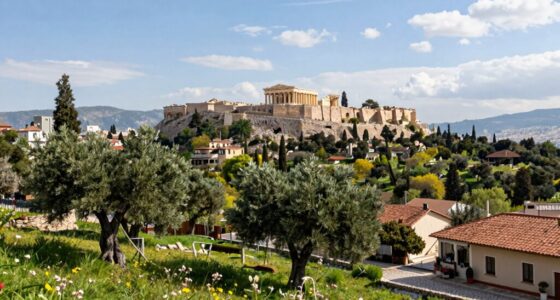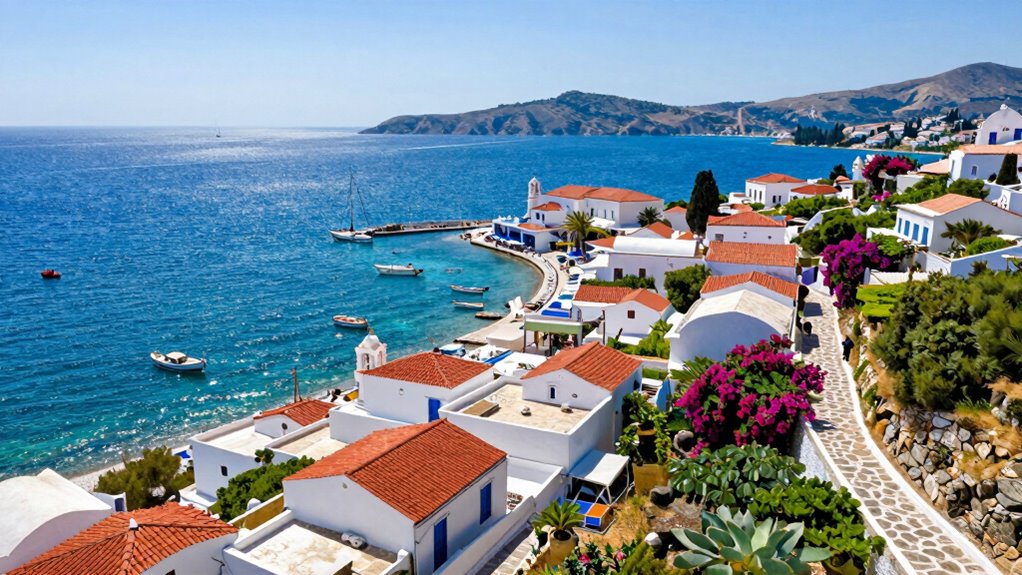

To choose Greek islands without FOMO, focus on what suits your travel style and interests. If you love history, Crete’s ancient sites might be perfect. For romance and stunning views, Santorini is ideal. If you want lively nightlife, Mykonos has you covered. For relaxing beaches and family fun, Rhodes or Corfu work well. Consider the best time to visit and your budget, and remember that each island offers a unique vibe—keep exploring to find your perfect match.
Key Takeaways
- Identify your main interests: history, beaches, nightlife, or nature, and choose islands that align with those preferences.
- Consider visiting during shoulder seasons (May, September) to avoid crowds and enjoy better deals.
- Assess infrastructure and accessibility to ensure convenient travel and sustainable tourism options.
- Match the island’s atmosphere—vibrant, romantic, family-friendly, or tranquil—to your vacation style.
- Research natural and cultural attractions to select islands offering authentic experiences without FOMO.
Top picks for "greek island basic"
Open Amazon search results for this keyword.
As an affiliate, we earn on qualifying purchases.
Understanding the Key Differences Among the Islands
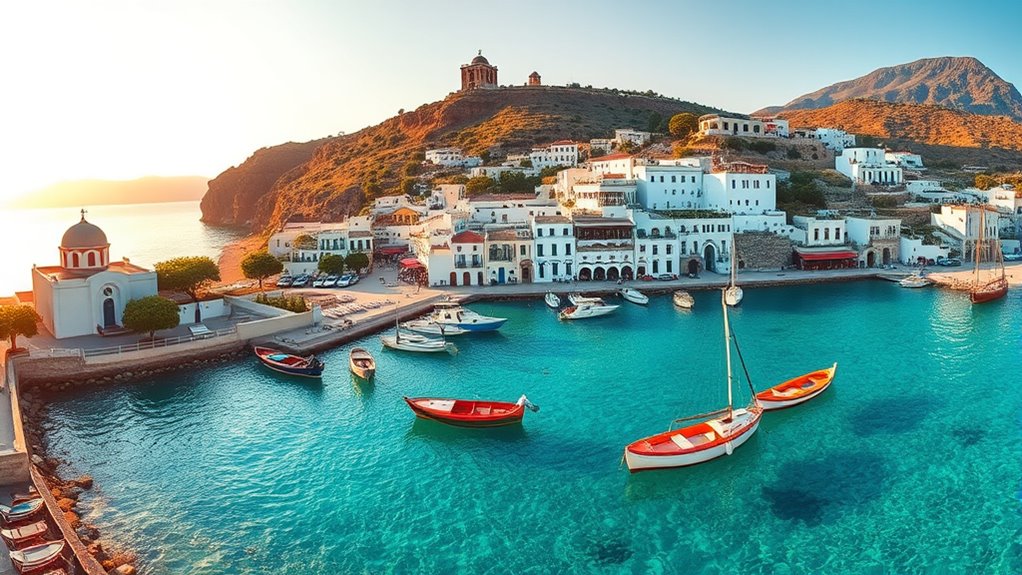
Greek islands each offer unique experiences shaped by their geography, history, and local culture, making it essential to understand their key differences. Crete, the largest island, combines ancient ruins, vibrant cities, and diverse landscapes, perfect for history buffs and nature lovers. Rhodes boasts medieval castles and beautiful beaches, ideal for history and relaxation. Corfu features lush greenery, Venetian architecture, and lively nightlife, appealing to those seeking a mix of culture and entertainment. Santorini’s iconic caldera views and romantic ambiance attract honeymooners and photographers. Mykonos offers lively parties, luxury accommodations, and stunning beaches for a vibrant, upscale experience. Recognizing these distinctions helps you choose the island that aligns with your interests, ensuring a personalized and memorable Greek island getaway. Additionally, understanding the market fluctuations of gold prices can help investors make informed decisions when selecting and managing their Gold IRAs. Being aware of the local customs and traditions can further enrich your experience and help you connect authentically with each destination. Exploring piercing care and hygiene practices can also enhance your understanding of personal health and safety while traveling or considering body modifications. To better appreciate each island’s character, consider exploring their cultural heritage and how it influences local festivals and daily life, just as understanding responsible use and privacy in smart home technology can enhance your safety and enjoyment.
Considering the Best Time to Visit for Your Interests

Choosing the right time to visit depends on your interests and what kind of experience you want. Peak season from June to August offers lively festivals and vibrant beaches, but it can also mean crowded spots and higher prices. Visiting in the off-peak months lets you enjoy quieter islands and better deals, though some attractions might have limited hours. For environmentally conscious travelers, visiting during the shoulder seasons aligns with European cloud innovation efforts to promote sustainable tourism practices. Additionally, traveling during these times can reduce your environmental footprint and support local communities seeking to balance tourism with preservation. Understanding contrast ratio and how it affects image quality can help you choose destinations with visually stunning scenery that enhances your experience. Being mindful of sustainable travel practices can further enhance your positive impact on the destination and its residents.
Peak Season Dynamics
Understanding the peak season dynamics helps you plan your visit for the best experience. From June to August, the islands hit their busiest, with over 20% more travelers and a 25% increase in spending. Expect crowded beaches, busy ferries, and lively nightlife. If you thrive on vibrant energy, this is ideal, but be prepared for higher prices and limited availability. Shoulder months like May and September offer milder crowds, pleasant weather, and better deals. Winter months see a shift toward niche attractions, like cultural festivals and off-season tours, attracting a different type of visitor. Keep in mind that tourism continues year-round, especially with the rise of winter tourism and events. Additionally, understanding seasonal visitor patterns can help tailor your plans to avoid crowds or find unique experiences. Being aware of yarn for scarves trends can also inspire unique souvenirs or crafts during your visit, especially in local markets.
Off-Peak Advantages
Have you considered visiting during the off-peak months to enjoy a more relaxed and authentic experience? Traveling outside the busy summer season means fewer crowds, allowing you to explore iconic sites like the Acropolis or local villages without the rush. Plus, you’ll benefit from lower prices on accommodations and activities, making your trip more budget-friendly. The islands also experience milder weather, perfect for hiking or enjoying local cuisine without the summer heat.
Here are some benefits:
- Fewer tourists—more intimate encounters with local culture.
- Lower costs—cheaper hotels, flights, and tours.
- Authentic experiences—participate in seasonal festivals and events.
- Better infrastructure access—less strain on resources and better service quality.
Assessing Infrastructure and Accessibility
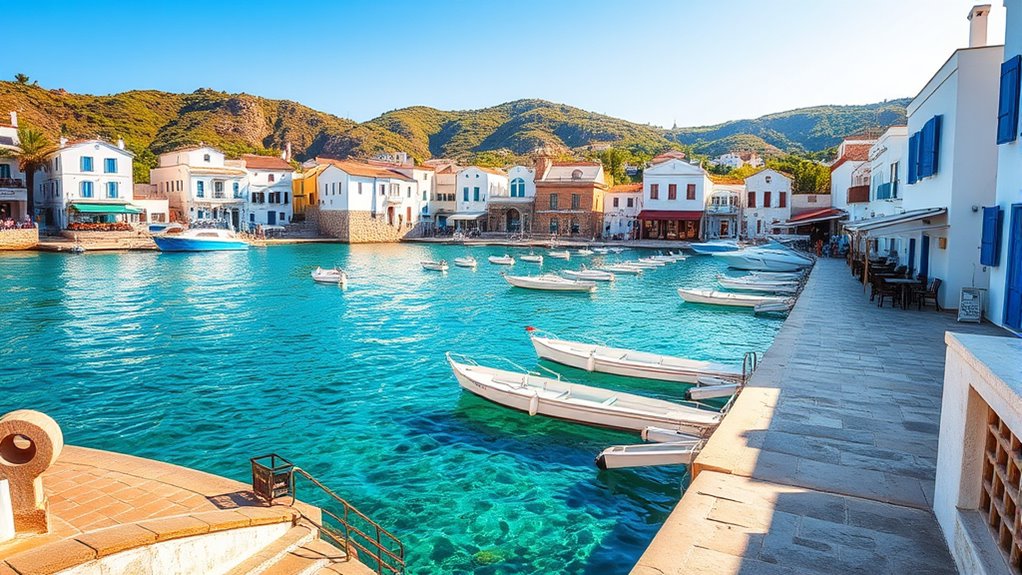
The rapid growth in Greek island tourism has exposed critical gaps in infrastructure and accessibility that threaten to undermine the sector’s sustainability. You’ll find that some islands struggle with limited transport options, aging ports, and uneven connectivity. To navigate effectively, assess each island’s transportation networks—are ferries frequent? Are airports modern and reachable? Consider local infrastructure—do roads, water, and waste systems support increased visitors? Here’s a quick comparison:
| Island | Transport Access | Infrastructure Quality | Accessibility Score |
|---|---|---|---|
| Crete | Well-developed ports | Modern hotels | High |
| Rhodes | Frequent ferries, airport | Improving facilities | Moderate |
| Santorini | Limited roads | Overcrowded ports | Low |
| Corfu | Reliable ferries | Good tourism services | High |
| Mykonos | Compact, walkable | Overburdened infrastructure | Moderate |
Prioritize islands with dependable transport and robust infrastructure to ensure a smoother trip. Additionally, understanding the infrastructure quality of each destination can help you plan for potential disruptions and enjoy a more comfortable stay, especially considering the growth of tourism in recent years. Being aware of current accessibility challenges can also help you choose the best time to visit or prepare for possible delays. Recognizing the importance of transportation networks can further improve your travel experience and reduce frustration during your trip. Moreover, considering the power and utilities available on each island can be crucial for a comfortable visit, especially if you rely on certain electronic devices or need reliable electricity during your stay.
Exploring Unique Cultural and Natural Attractions
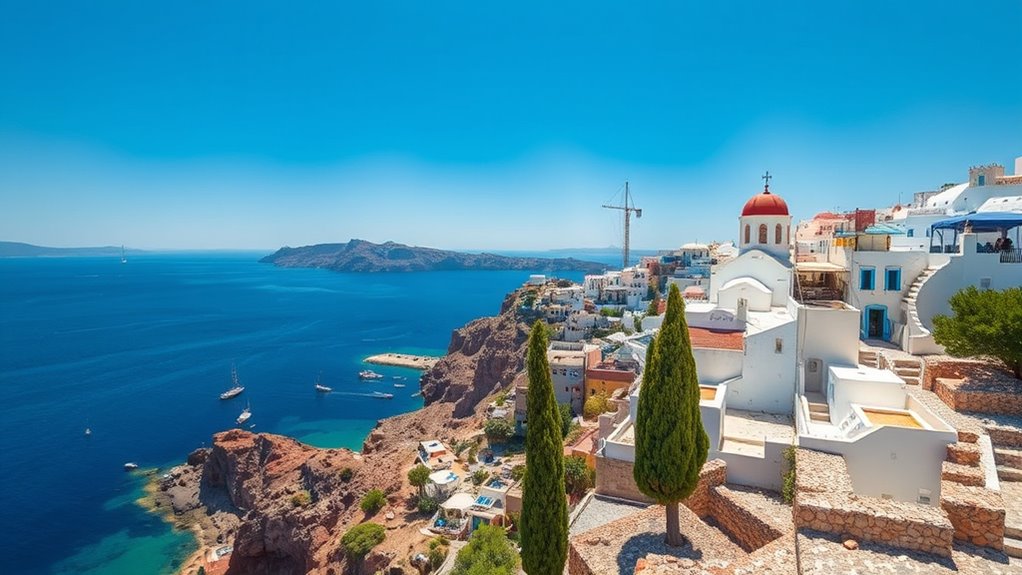
Greek islands boast a rich tapestry of cultural and natural attractions that captivate visitors year-round. You can immerse yourself in history, nature, and local traditions at every turn. Exploring easy document management can help you organize your travel plans and memories efficiently, ensuring you don’t miss out on these experiences. 1. Ancient Ruins: Explore sites like Knossos on Crete or the Temple of Apollo in Delphi that reveal Greece’s storied past. 2. Vibrant Festivals: Experience lively local festivals featuring music, dance, and traditional cuisine, especially during summer months. 3. Breathtaking Landscapes: Hike through Santorini’s volcanic caldera or kayak around Corfu’s lush coastline for stunning natural beauty. Additionally, learning about cultural preservation can deepen your understanding and appreciation of the enduring traditions that make these islands unique. Preserving wave and wind has helped maintain the pristine natural settings that define many of these destinations. 4. Authentic Villages: Wander narrow streets in villages like Oia or Lindos, where colorful houses and local craftsmanship create a charming atmosphere. To fully appreciate these attractions, understanding the importance of preservation of cultural heritage can enhance your respect for local traditions. Recognizing how local communities actively participate in conservation efforts can also enrich your travel experience.
Matching Island Atmospheres to Your Vacation Style
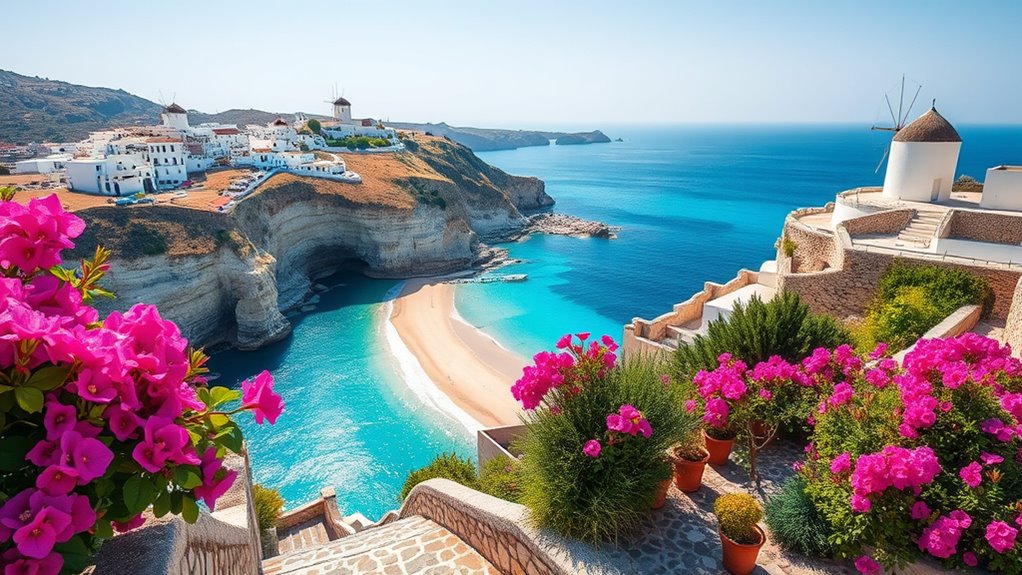
Choosing the right island in Greece depends on your vacation style and what kind of experience you’re seeking. If you want vibrant nightlife, lively beaches, and bustling towns, Crete or Mykonos are perfect. For a romantic escape, consider Santorini’s dramatic sunsets or Naxos’s charming villages. Families might prefer Rhodes or Corfu, with their family-friendly resorts and calm waters. Nature lovers and hikers will find serenity on islands like Karpathos or Amorgos, offering rugged landscapes and quiet beaches. Culture enthusiasts should explore Delphi or Delphi-inspired islands, rich in history and archaeological sites. If you’re seeking tranquility and authentic local life, look at less touristy islands like Folegandros or Serifos. Understanding the local atmosphere of each island ensures you select the perfect match for your preferences and creates a truly memorable, tailored Greek getaway. To refine your choices, consider the distinctive features that set each island apart, ensuring a memorable and personalized experience.
Planning for Sustainable Tourism and Local Impact
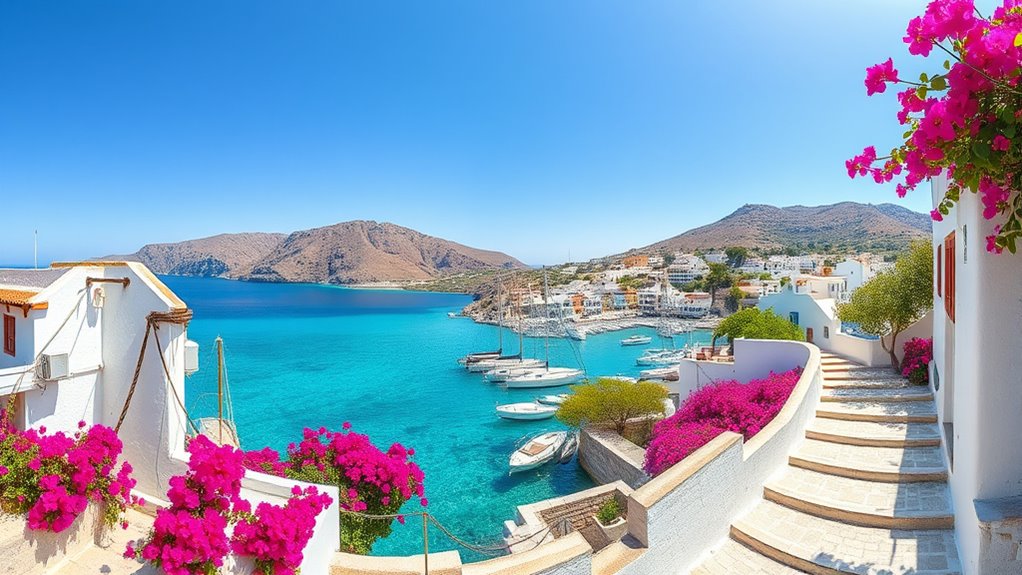
As tourism continues to grow, you’ll need to find ways to balance expanding visitor numbers with safeguarding local resources. Supporting communities means implementing strategies that benefit residents and protect the environment. Managing these impacts ensures that the islands remain vibrant and sustainable for future generations. Considering sustainable tourism practices and community engagement can further help preserve the unique character of each island. Understanding the influence of waves and wind can also be key in promoting eco-friendly transportation options and protecting natural landscapes. Monitoring market trends and new regulations, such as the emerging crypto frameworks, can also help local businesses adapt and thrive sustainably. Additionally, integrating study techniques and exam preparation strategies into community education initiatives can raise awareness about sustainable practices among residents and visitors alike.
Balancing Growth and Resources
Balancing the rapid growth of tourism with the need to preserve local resources has become a critical challenge for the Greek islands. You must find ways to support economic benefits without overburdening infrastructure or damaging the environment. To do this effectively:
- Invest in sustainable infrastructure that minimizes ecological impact.
- Implement visitor caps during peak seasons to prevent overcrowding.
- Promote eco-friendly tourism practices among visitors and businesses.
- Develop community-led initiatives that prioritize local needs and heritage.
Supporting Local Communities
Supporting local communities is essential for ensuring that tourism benefits everyone without causing long-term harm. When you choose responsible travel, you help sustain livelihoods, preserve culture, and protect resources. Contributing by staying in locally owned accommodations, dining at family-run restaurants, and participating in community-led activities makes a real difference. Planning your visit mindfully supports initiatives aimed at boosting local economies and reducing environmental impact.
| Action | Impact |
|---|---|
| Stay in local accommodations | Supports local jobs and businesses |
| Dine at family-run restaurants | Preserves local culture |
| Buy handcrafted souvenirs | Encourages artisans and tradition |
| Join community tours | Promotes authentic experiences |
| Respect local customs | Maintains cultural integrity |
Managing Environmental Impact
Effective management of environmental impact is essential for ensuring that Greece’s thriving islands can sustain tourism without damaging their natural resources or local communities. To achieve this, you should focus on strategic planning and responsible practices.
- Promote eco-friendly transportation options like ferries, bikes, and electric vehicles to reduce emissions.
- Support local businesses that follow sustainable practices, including waste reduction and water conservation.
- Respect protected areas by sticking to designated paths and avoiding littering.
- Encourage visitors to participate in environmental awareness programs and eco-tours.
Balancing Budget and Experience Expectations
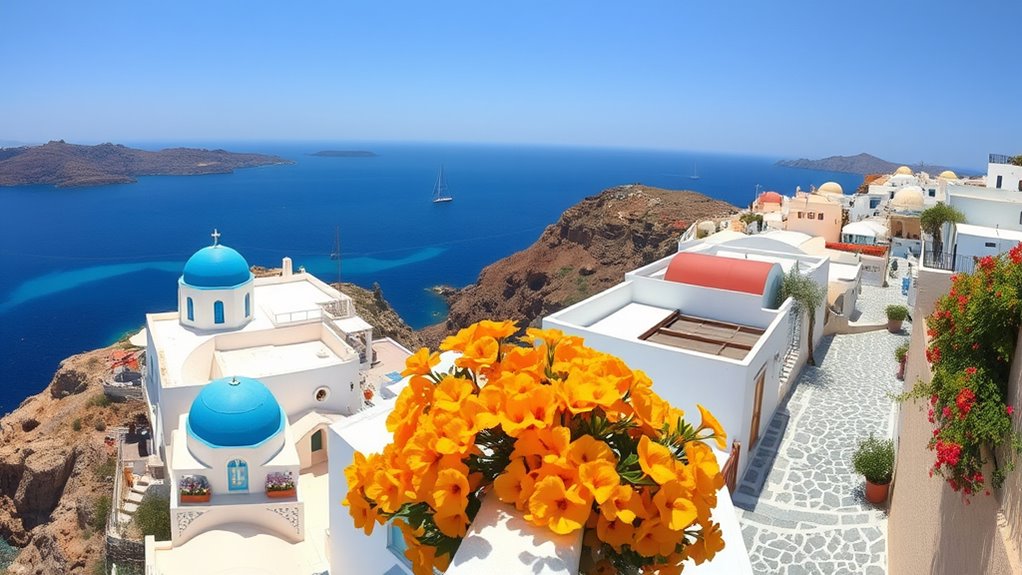
As tourism continues to grow rapidly across Greek islands, managing the delicate balance between maintaining high-quality visitor experiences and keeping budgets in check becomes essential. You’ll want to prioritize must-see sights like the Acropolis or local beaches without overspending. Opt for mid-range accommodations instead of luxury resorts to save money while still enjoying comfort. Use local transportation and eat at tavernas instead of pricey tourist spots to get authentic flavors and lower costs. Planning your activities ahead helps avoid last-minute expenses. Keep in mind that peak season prices spike, so visiting during shoulder months can offer better value. Staying flexible and realistic about what you want from your trip ensures you enjoy memorable experiences without breaking the bank.
Frequently Asked Questions
Which Greek Islands Are Best for Solo Travelers?
You’ll love Santorini, Mykonos, and Naxos as a solo traveler. Santorini offers stunning sunsets and vibrant nightlife, perfect for socializing. Mykonos is lively with friendly crowds, great for meeting new people. Naxos provides a relaxed vibe and affordable options, ideal for exploring at your own pace. These islands have welcoming atmospheres, abundant activities, and plenty of spots to connect with fellow travelers, making your solo trip memorable.
How Do Weather Patterns Affect Island Visits Year-Round?
Weather patterns certainly keep you on your toes. In the Greek islands, mild winters and warm summers mean you can visit almost any time—except when unexpected storms or heavy rain roll in, especially from late autumn to early spring. Ironically, these unpredictable weather shifts might tempt you to think twice about off-season visits. But with flexible plans, you’ll enjoy fewer crowds and authentic island experiences year-round.
Are There Eco-Friendly Accommodation Options Available?
Yes, eco-friendly accommodations are available on Greek islands. You can find eco-resorts, eco-lodges, and sustainable hotels that prioritize renewable energy, water conservation, and local materials. Many properties actively seek green certifications and support local communities. When booking, look for places with eco-labels or sustainability initiatives, and consider staying in smaller, locally-run accommodations to reduce your environmental impact while enjoying authentic island experiences.
What Transportation Options Connect the Islands Efficiently?
Wondering how to hop between islands smoothly? Ferries are your best bet, offering frequent routes connecting major islands like Crete, Rhodes, and Corfu. High-speed ferries cut travel time and add comfort. You can also rent boats or join organized cruises for a more flexible experience. Do you prefer a scenic journey or quick transfer? Planning ahead guarantees you select the most efficient and enjoyable transportation options for your island adventures.
How Can Visitors Support Local Communities Sustainably?
You can support local communities sustainably by choosing eco-friendly transportation options like ferries, biking, or walking whenever possible. Shop at local markets, eat at family-owned restaurants, and buy handmade crafts to boost small businesses. Respect local customs and avoid over-touristing fragile sites. Also, consider staying in locally operated accommodations, which directly benefits residents. Your mindful choices help preserve the islands’ natural beauty and cultural heritage for future visitors.
Conclusion
So, now that you’re armed with all the insider info, go ahead and pick your Greek island. Just remember, the real adventure isn’t in ticking off the most famous spots — it’s in embracing the quirks, respecting the locals, and resisting FOMO. After all, if you chase every shiny tourist trap, you might miss the magic of discovering something truly authentic. Happy island-hopping, and don’t forget to leave some room for serendipity!