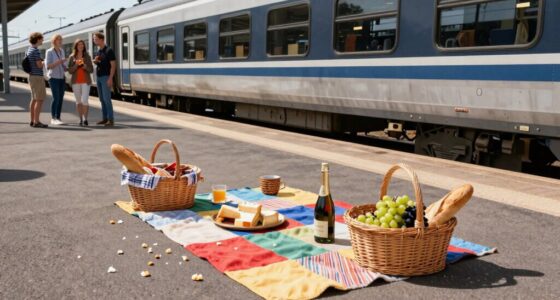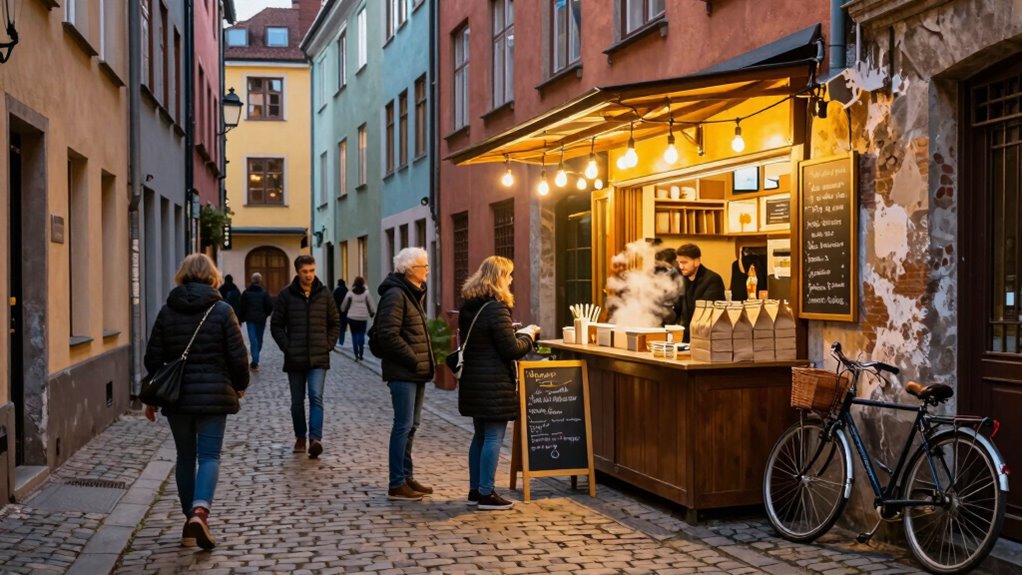

Across Europe, takeaway varies because of deep cultural traditions and modern influences. In countries like Italy and France, people prefer sit-down meals and gourmet options, using takeaway mainly for convenience. Meanwhile, in the UK and Germany, fast, reliable delivery fits busy lifestyles with quick foods. Urban areas also integrate technology, making delivery more efficient. If you want to discover how these cultural and technological differences shape takeaway experiences, there’s plenty more to explore.

Get travel and outdoor gear delivered free with Prime
- Fast, free delivery on millions of items
- Prime Video, Amazon Music and more included
- Member-only deals all year
Key Takeaways
- Cultural dining customs, such as traditional sit-down meals, influence the frequency and style of takeaway in different countries.
- Western European focus on quick, convenient delivery aligns with urban, fast-paced lifestyles, contrasting with more formal dining norms elsewhere.
- Countries like France and Italy prioritize high-quality, gourmet takeaway options, reflecting their culinary standards.
- Eastern Europe balances traditional dining practices with growing demand for quick, modern delivery services.
- Technological advancements and digital platforms enable diverse delivery options, shaping regional differences in takeaway practices.
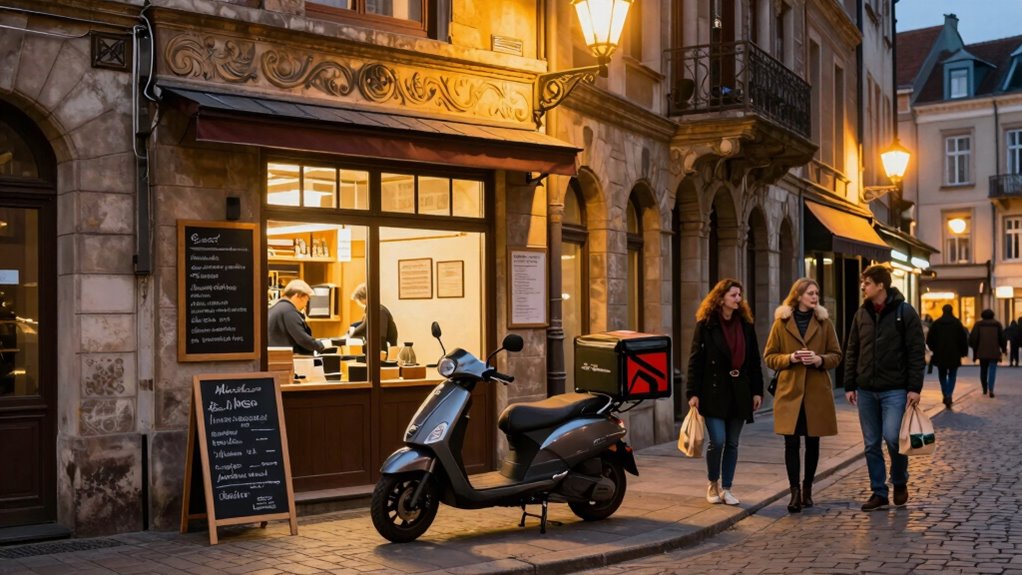
Have you ever wondered why takeaway services seem to operate so differently across Europe? It all comes down to the diverse cultural dining habits and varying delivery service preferences that shape each country’s approach. In some places, grabbing a quick meal on the go is part of daily life, while in others, meals are more of a sit-down affair, making takeaway less central. These differences influence everything from the types of food people order to how they prefer to get it delivered.
Cultural dining habits shape how Europeans approach takeaway, from quick bites to sit-down meals and gourmet preferences.
In countries like Italy and France, traditional dining customs place a strong emphasis on sitting down for meals, often with family or friends. Takeaway here is usually reserved for convenience, not a regular part of the dining routine. People prefer to dine at home or in cafes, which means delivery services might not be as deeply ingrained in the culture. When they do use delivery, they tend to favor high-quality, gourmet options that match their culinary standards. This creates a preference for specialized delivery services that focus on quality over speed.
On the other hand, in the UK or Germany, there’s a different mindset. Quick, convenient meals fit well into busy lifestyles, and delivery services cater to that need. People in these countries often choose fast-food outlets or apps that emphasize speed and variety, from pizza to Asian cuisine. Delivery service preferences lean toward efficiency and reliability, with many opting for apps that offer real-time tracking and fast turnaround times. These countries have integrated takeaway into their daily routines, making it a common, almost expected way to eat during busy weekdays or late nights. The cultural significance of mealtime also influences how and when takeaway is used. Additionally, the rise of digital platforms has further normalized the delivery experience as an essential part of modern urban living. As technology advances, urban areas are becoming increasingly digitally connected, which supports the growth of diverse delivery options.
Eastern European nations, like Poland or Hungary, strike a balance between these approaches. Traditional dining customs coexist with a growing demand for quick, convenient options, especially in urban areas. Delivery services here are expanding, often combining local flavors with international fast-food chains. People appreciate the flexibility, choosing takeaway for its convenience but still valuing the social aspect of sharing a meal. Moreover, the cultural dining habits influence the types of foods that are most popular and how delivery is perceived and used. As technology continues to evolve, these regions are increasingly adopting digital platforms to enhance their food delivery options, blending tradition with modern convenience.
As an affiliate, we earn on qualifying purchases.
Frequently Asked Questions
How Do Cultural Differences Influence Takeaway Preferences in Europe?
Cultural differences shape your takeaway preferences through unique rituals and dining customs. In some countries, you might prefer quick, casual options, while others value traditional meals and communal eating. These cultural rituals influence your choice, with some prioritizing local flavors or specific meal times. By understanding these customs, you can better cater to regional tastes, ensuring your takeaway offerings resonate and meet the diverse expectations across Europe.
What Role Does Language Play in Takeaway Branding Across Countries?
Language leads the lively landscape of takeaway branding across countries, shaping how you perceive and connect with brands. You notice that branding consistency is essential, yet language localization tailors messages, making them more meaningful and memorable. When brands adapt their language to local dialects and cultural cues, you feel a stronger, more personal pull. This linguistic layering ensures your favorite takeaway stays relevant and relatable, no matter where you are in Europe.
Are There Specific Regulations Affecting Takeaway Services in Different European Nations?
You’ll find that regulatory variations and licensing requirements greatly impact takeaway services across European countries. Some nations impose strict health and safety standards, requiring specific licenses for food handling and delivery. Others have more relaxed rules, but still demand adherence to local advertising laws. These differences mean you need to tailor your approach to each country’s regulations, ensuring compliance while maintaining quality and efficiency in your takeaway operations.
How Do Payment Methods Vary for Takeaway Orders Throughout Europe?
You might be surprised how payment methods vary across Europe for takeaway orders. In some countries, digital wallets and contactless payments dominate, offering quick, secure transactions. Elsewhere, cash remains king, and card payments are more common. This diversity keeps you on your toes, as you never quite know what payment options you’ll encounter. Embracing these differences can make your takeaway experience smoother, no matter where you are.
What Impact Does Local Cuisine Have on Takeaway Menu Offerings?
You’ll notice that local cuisine heavily influences takeaway menus across Europe. Regional flavors shape the dishes offered, making them authentic and appealing to local tastes. Ingredient sourcing also plays a vital role, as businesses prioritize fresh, locally available ingredients to enhance flavor and authenticity. This focus on regional flavors and ingredient sourcing guarantees that takeaway options reflect the cultural palate, creating a unique experience for each area.
As an affiliate, we earn on qualifying purchases.
Conclusion
You’ve seen how takeaway tastes and trends shift across Europe, influenced by local culture and regulations. Remarkably, over 60% of Europeans prefer ordering takeaway for convenience rather than dining out, highlighting its growing popularity. As you explore these differences, remember that understanding local preferences can transform your experience. So, whether you’re in Italy or Sweden, adjusting to these nuances makes your takeaway experience more enjoyable and authentic. Embrace the diversity—it’s what makes European food culture so vibrant.
As an affiliate, we earn on qualifying purchases.
As an affiliate, we earn on qualifying purchases.
Columbus Day / Indigenous Peoples' Day Picks
long weekend sales
As an affiliate, we earn on qualifying purchases.