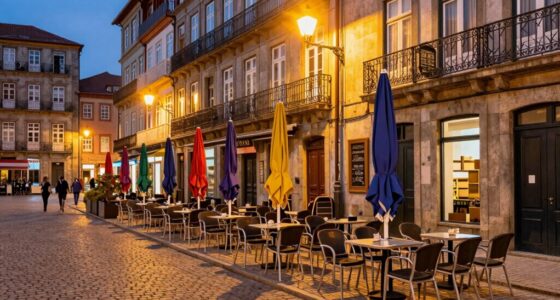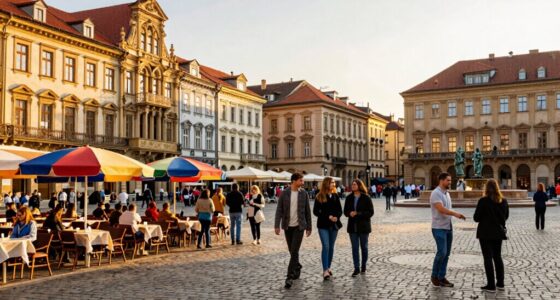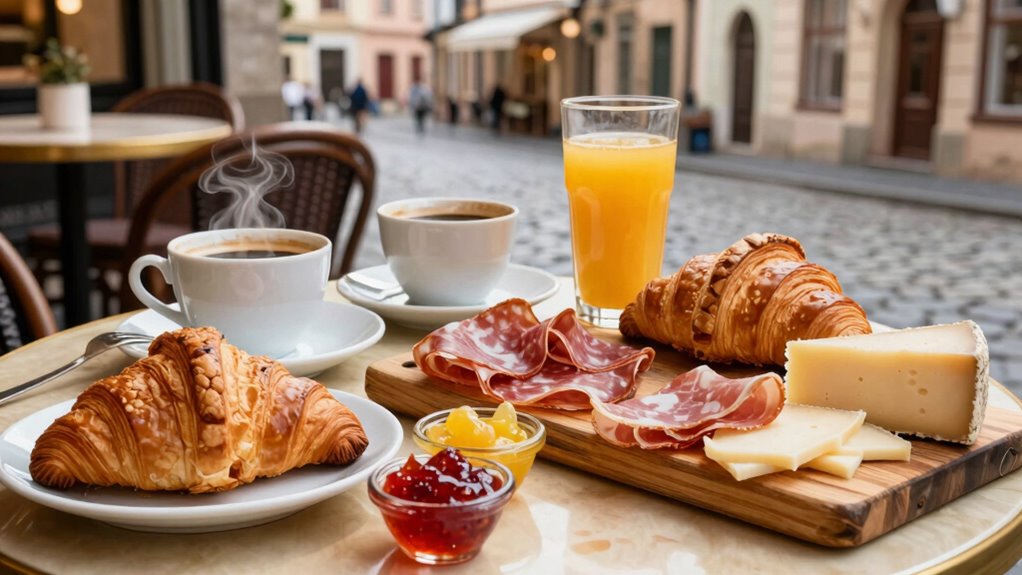

European breakfast and brunch customs focus on leisure, quality ingredients, and regional traditions, which often clash with Americans’ quick, grab-and-go routines. In Europe, mornings are a calm social ritual, sometimes lasting hours, emphasizing authenticity and sustainability. Brunch blends these cultural practices, but regional differences still shine through. If you want to understand why the U.S. approach doesn’t always fit, exploring Europe’s unique breakfast culture offers valuable insights that can enhance your experience.

Get travel and outdoor gear delivered free — and shop member deals
- Fast, free delivery on millions of items
- Access to Prime Big Deal Days deals on October 6–7
- Prime Video, Amazon Music and more included
Key Takeaways
- European breakfasts are typically slow, social rituals emphasizing quality and regional ingredients, unlike the quick, on-the-go American style.
- Brunch in Europe maintains regional culinary traditions, often featuring local dishes, which differ from the more standardized American brunch.
- European mornings prioritize leisure and authenticity, making the expectation of a quick, casual breakfast from the U.S. less appropriate.
- Sustainability and local sourcing influence European breakfast customs, contrasting with the American focus on convenience and mass-produced options.
- The cultural significance of breakfast as a meaningful, extended ritual in Europe does not align with the U.S. tendency for faster, less formal morning meals.
Have you ever wondered how breakfast and brunch differ across Europe? You might assume that mornings in Europe follow a uniform pattern, but in reality, European dining customs and breakfast traditions vary widely from country to country. While the United States often treats breakfast as a quick, straightforward meal, many European nations place a greater emphasis on leisurely mornings, socializing, and rich culinary traditions. This difference shapes how locals approach their first meal of the day and influences what you might expect when you travel there.
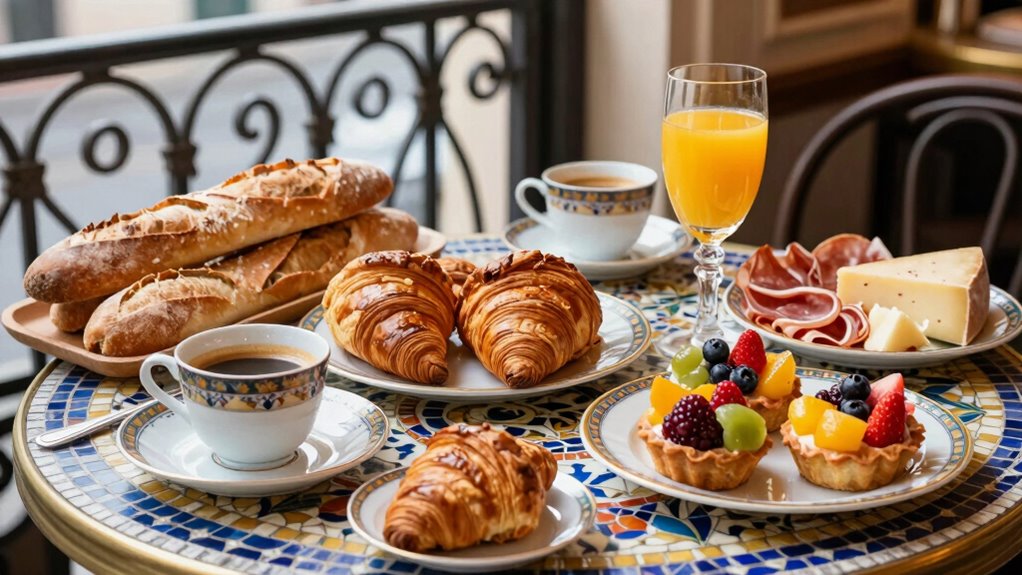
In many parts of Europe, breakfast is not just about fueling up but also about enjoying a moment of calm and connection. For example, in France, breakfast typically features fresh baguette, butter, jam, and perhaps a café au lait. It’s a simple, yet refined affair that emphasizes quality ingredients and a relaxed pace. Across Italy, breakfast might consist of a croissant paired with espresso, highlighting the country’s love for quick, yet flavorful mornings. Meanwhile, in Germany, you might find a hearty breakfast with bread, cold cuts, cheese, and boiled eggs, reflecting a more substantial start to the day. These breakfast traditions are deeply rooted in local customs, emphasizing balance and tradition over convenience. Additionally, local ingredients and regional culinary practices greatly influence these customs, making each country’s approach to breakfast uniquely authentic. Recognizing these differences can help travelers better appreciate and adapt to local culinary customs.
Compared to American expectations—where breakfast is often a quick bite or a grab-and-go meal—European breakfast customs promote a more deliberate, often social ritual. In many countries, breakfast isn’t rushed; it’s an important part of the day that can last for an hour or more, especially on weekends. Slow-paced mornings are highly valued, and this approach contributes to a greater appreciation for the meal’s cultural significance. Recognizing the cultural importance of breakfast helps travelers avoid misunderstandings and shows respect for local traditions. Brunch, which blends breakfast and lunch, has gained popularity in European cities, but it still retains its own regional character. In Spain, for instance, brunch might include churros or a light tapas-style spread, while in Scandinavian countries, it could involve open-faced sandwiches with smoked fish and fresh vegetables. These traditions highlight how different cultures value their morning meal differently, emphasizing quality, presentation, and social interaction. Furthermore, sustainable sourcing and local ingredients play an important role in shaping these breakfast customs, underscoring the significance of regional food practices and environmental consciousness. This emphasis on sustainability further enhances the cultural and regional authenticity of European breakfast traditions.
As an affiliate, we earn on qualifying purchases.
Frequently Asked Questions
How Do European Breakfast Times Vary Across Countries?
European breakfast times vary across countries, influencing your morning routines and meal timings. In Spain, breakfast tends to be light and eaten later, around 9 or 10 AM. In France, it’s usually quick and early, around 7 or 8 AM. Meanwhile, in Germany, breakfast happens by 7 or 8 AM, often with hearty options. These differences mean you should adjust your expectations based on the country’s cultural norms.
Are There Traditional European Brunch Dishes?
European brunch dishes often feature delightful regional breakfasts, showcasing a variety of European pastries like croissants, pain au chocolat, or sweet brioche. You might indulge in a hearty, savoury tart or a cheese platter paired with fresh bread. These dishes highlight local ingredients and traditions, creating a relaxed, communal vibe that’s quite different from typical American brunch. Each region offers its unique twist, elevating your brunch experience with authentic, flavorful touches.
How Do Cultural Norms Influence Breakfast and Brunch Customs?
Cultural norms shape your breakfast and brunch customs through specific social etiquette and rituals. In Europe, you might find that traditional meals reflect local ingredients and social expectations, influencing how you eat and socialize. These cultural rituals dictate whether you enjoy a quick coffee or a leisurely brunch, emphasizing manners and shared experiences. Understanding these norms helps you appreciate different customs, making your interactions more respectful and authentic in diverse European settings.
Is Alcohol Commonly Served During European Brunch?
You might be surprised, but alcohol consumption during European brunch is quite common, especially with drinks like champagne or wine. Unlike in the U.S., where brunch often involves mimosas or Bloody Marys, European brunch follows different customs, blending breakfast and social drinking seamlessly. Brunch etiquette here encourages moderation, and alcohol is often enjoyed as part of the laid-back, social experience, making it a delightful, culturally rich tradition.
How Has the Rise of International Cuisine Affected European Breakfast Habits?
You’ll notice that the rise of international cuisine has enriched European breakfast habits with fusion dishes, blending local flavors with global influences. This culinary evolution allows you to enjoy diverse options, catering to dietary restrictions like gluten-free or vegan needs. As a result, breakfast becomes more customizable, making it easier for you to indulge in familiar or adventurous flavors while respecting your dietary choices.
As an affiliate, we earn on qualifying purchases.
Conclusion
So, next time you wander through Europe’s bustling cafés, remember that breakfast and brunch aren’t just meals—they’re cultural stories served on a plate. The U.S. might chase endless brunches like a sunrise that never sets, but in Europe, these meals are more like a quiet morning symphony—rich, nuanced, and beautifully unique. Embrace the differences, and let each bite be a journey through a landscape of flavors and traditions.
As an affiliate, we earn on qualifying purchases.
As an affiliate, we earn on qualifying purchases.
Halloween Picks
halloween
As an affiliate, we earn on qualifying purchases.