
When traveling through Europe with kids, many Americans forget to plan for essentials like suitable accommodations, transportation logistics, and weather changes. You might overlook bringing the right gear, maneuvering stroller restrictions, or securing required documents and healthcare info. Managing daily schedules and ensuring flexibility can also be challenging. If you want to keep your trip smooth and enjoyable, understanding these overlooked details will make all the difference—stay tuned for expert tips to help you prepare better.
Key Takeaways
- Americans often overlook Europe’s specific stroller, car seat compatibility, and voltage requirements, leading to travel delays or gear issues.
- Many forget to pre-arrange child-friendly accommodations and essential amenities like cribs, high chairs, and kitchenettes.
- Travelers tend to underestimate the importance of flexible scheduling, balancing activities with rest to prevent fatigue and meltdowns.
- They may not research local transportation policies, such as stroller restrictions or car seat standards, affecting mobility and safety.
- Many neglect carrying comprehensive healthcare documentation, prescriptions, and emergency info tailored to European medical systems.

Momcozy Car Seat Adapters Only for ChangeGo Baby Stroller
- Compatible Car Seat Models: Maxi Cosi, Nuna, Joie, Cybex, Bugaboo
- Designed for ChangeGo Stroller: Fits only Momcozy ChangeGo stroller
- Suitable for Newborns: Allows use with infant car seats
As an affiliate, we earn on qualifying purchases.
As an affiliate, we earn on qualifying purchases.
Packing Essentials Often Overlooked for Young Travelers

When packing for a European trip with kids, it’s easy to overlook some essential items that can make your journey smoother. Strollers and car seats often aren’t compatible with European public transport or compact cars, so bringing adapters or travel-specific models is smart. Don’t forget medication and prescriptions—carry originals, translations, and EU-friendly quantities to avoid issues at borders or pharmacies. Child comfort items like familiar blankets, sound machines, or outlet-friendly nightlights are often left behind but can prevent sleep disruptions. Universal plug adapters and voltage converters are vital for chargers, monitors, and bottle warmers, as Europe runs on 230V mains. Also, pack spare clothing and quick-dry layers to handle unexpected weather shifts, especially across different regions. Incorporating ownership essentials, such as reliable travel gear and safety equipment, can further enhance your trip experience. Being aware of local regulations and safety standards can help you avoid unexpected issues during your travels. Including aromatherapy items like calming essential oils can help soothe children during travel stress. Additionally, considering sleep solutions for young travelers, like portable white noise machines or familiar comfort objects, can significantly improve your child’s rest during the trip. To ensure compatibility with European electronics, researching and testing your devices with voltage converters and adapters beforehand can save time and hassle. These overlooked essentials keep your trip stress-free and enjoyable.
child-friendly European accommodation amenities
As an affiliate, we earn on qualifying purchases.
As an affiliate, we earn on qualifying purchases.
Choosing Accommodations That Suit Family Needs

Choosing accommodations that meet your family’s needs can substantially improve your European trip experience. Look for family-rated properties that offer connecting rooms, larger bathrooms, and child-friendly amenities. Pre-book cribs, high chairs, and other essentials to avoid last-minute surprises. Consider apartments or rentals with kitchenettes, so mealtime becomes easier, especially for picky eaters or infants. Be mindful of public spaces—historic sites and narrow streets may limit stroller access, so pack lightweight strollers or use carriers. Verify availability of child-specific features like laundry, changing tables, and play areas. Research property policies on children’s ages and extra beds. Additionally, selecting accommodations that prioritize a supportive environment can help reduce stress and create a more welcoming atmosphere for your kids. By choosing accommodations suited to your family’s routines and comfort, you’ll reduce stress and enjoy a more relaxed, engaging European adventure.

220V to 110V Voltage Converter US to Europe with 2 USB A 2 USB C Fast Charging, Power Converter for European Travel Universal International Travel Adapter for Italy Germany France Spain
- European Voltage Compatibility: Supports 25W-600W devices in Europe
- 6-in-1 Travel Adapter: 2 AC outlets, 2 USB, 2 USB C ports
- Compact and Lightweight Design: Small size and light weight for travel
As an affiliate, we earn on qualifying purchases.
As an affiliate, we earn on qualifying purchases.
Navigating European Transportation With Kids and Gear
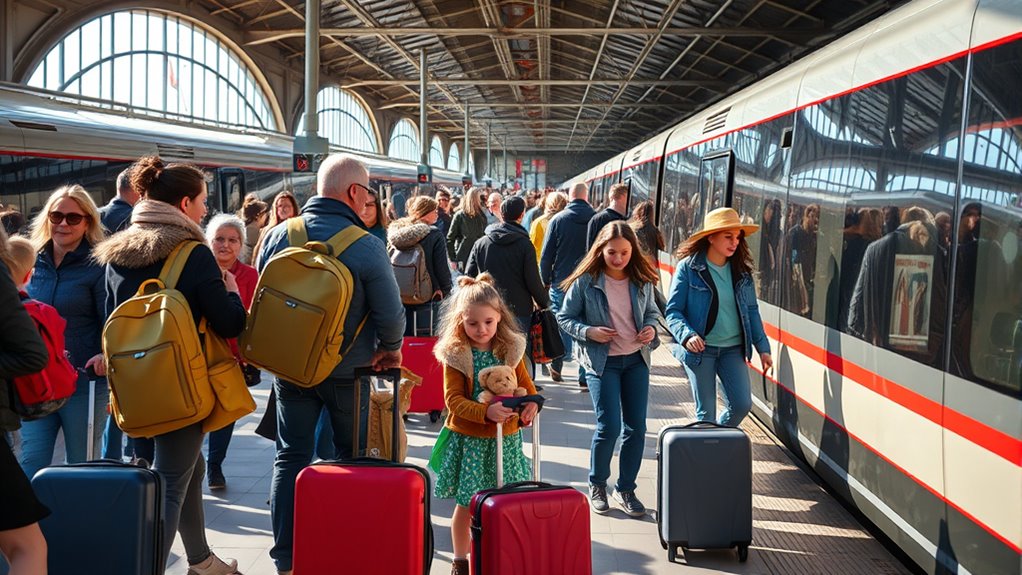
Traveling European transportation with kids and gear requires careful planning because local rules and infrastructure can differ considerably from those you’re used to. European transit systems often have specific regulations for strollers, child seats, and luggage storage. Research each country’s policies beforehand—some trains and buses require collapsible strollers or have designated areas for gear. Narrow streets, cobblestones, and historic sites may restrict stroller access, so bring lightweight, compact models or carriers. When renting cars, ensure the child safety seats meet local standards, and consider bringing your own if options are limited. Airport transfers can take longer due to security checks, so build in extra time. Planning ahead helps you navigate crowded stations, busy streets, and different transport rules smoothly, keeping your family comfortable and stress-free.

Sound Machine Mini White Noise Machine with 30 Soothing Sounds 4 Timers Memory Function for Newborn Baby Kids Adults Portable Rechargeable Sleep Brown Noise Machine for Travel Camping Home Office
- Compact Size: 1.87 x 1.87 x 1.71 inches, lightweight
- Powerful Speaker: High volume for a mini device
- Long Battery Life: Up to 32 hours on a single charge
As an affiliate, we earn on qualifying purchases.
As an affiliate, we earn on qualifying purchases.
Planning Kid-Friendly Meals and Snacks Abroad

Planning kid-friendly meals and snacks abroad requires careful preparation because food options and dining customs vary widely across Europe. You’ll want familiar snacks to prevent hunger-induced meltdowns and ensure your child eats safely. Pack non-perishable favorites like granola bars, dried fruit, or baby snacks, and bring allergy-safe options if needed. Research local markets and child-friendly restaurants with high chairs and quick service. Keep in mind regional mealtime patterns—like late dinners in Spain or early closures in Northern Europe. To help you stay organized, here’s a quick reference:
| Region | Typical Meal Times | Snack Tips |
|---|---|---|
| Western Europe | 12-2 pm, 7-9 pm | Pack portable, familiar snacks |
| Mediterranean | Late lunches, dinners | Carry allergy-safe options |
| Northern Europe | 11 am-1 pm, 5-7 pm | Use local markets for fresh snacks |
Additionally, understanding regional mealtime customs can help you plan better for your child’s eating schedule. Being aware of local dining etiquette can also improve your overall experience with children and make mealtimes smoother. Knowing local food safety practices can further ensure your child’s health while traveling. It’s also helpful to learn about regional dietary restrictions that might affect what foods are available or appropriate for your child. Moreover, consulting local health guidelines can provide extra reassurance on food safety standards during your trip.
Managing Documentation and Healthcare Preparedness

Ensuring your family’s travel documents and healthcare needs are in order is essential for a smooth trip through Europe. Double-check that everyone’s passports are valid for at least six months beyond your travel dates, and verify visa requirements for each country you’ll visit. Carry original prescriptions, translated if necessary, along with a list of medications and dosages. Bring extra supplies to avoid pharmacy runs or border issues. Map out nearby hospitals, clinics, and pharmacies, especially those with English-speaking staff. Confirm your health insurance covers international emergencies, or purchase supplemental travel insurance with pediatric coverage. Keep digital and printed copies of important documents, including vaccination records and parental consent forms for minors. Being prepared minimizes surprises and keeps your focus on enjoying your trip. Additionally, understanding essential oils for health support can be helpful in managing minor ailments while abroad. Familiarizing yourself with travel health tips can further enhance your preparedness and peace of mind during your journey. To optimize your health safety, consider reviewing the quality of local healthcare facilities in each destination ahead of time. Conducting thorough research on local healthcare standards can help you better understand what to expect in case of emergency. Incorporating expert advice from healthcare professionals can also ensure your family’s safety during international travel.
Adjusting Itinerary Pacing for Little Travelers
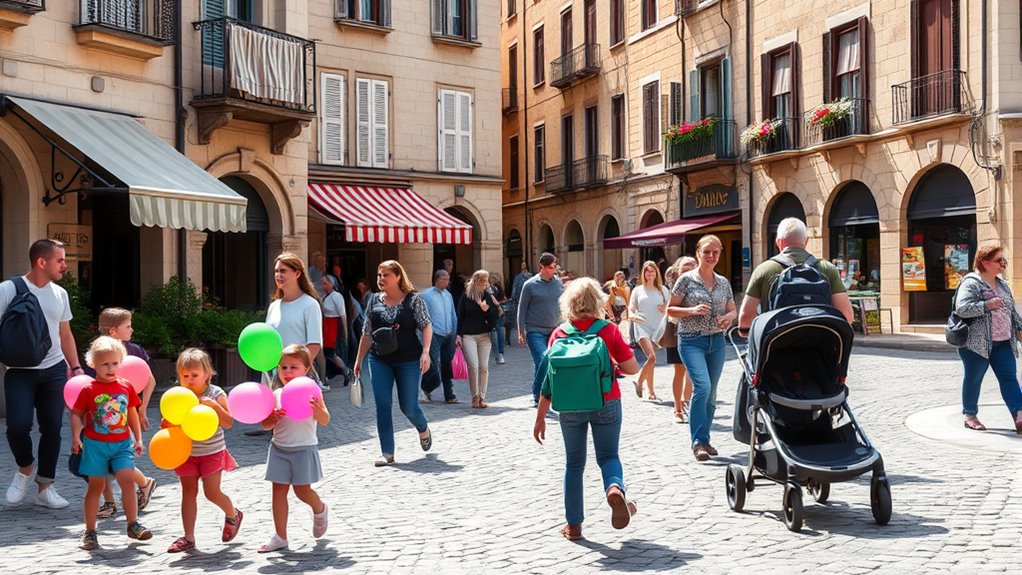
A well-paced itinerary can make all the difference when traveling with young children. Instead of packing your days with back-to-back activities, build in plenty of downtime for naps, play, and rest. Kids tire easily, especially in unfamiliar environments, so allow for flexible schedules. Focus on one or two key attractions each day, and plan visits early in the morning or late afternoon to avoid crowds and heat. Incorporate outdoor breaks in parks or green spaces to help little ones burn off energy. Remember to keep travel times manageable—long car rides or train journeys can be draining. By adjusting your pace, you reduce stress, prevent meltdowns, and ensure that your children enjoy the trip as much as you do. Considering child-friendly travel tips can further enhance the experience for everyone. Additionally, factoring in rest periods throughout the day can significantly improve everyone’s mood and energy levels, making the journey more enjoyable.
Ensuring Compatibility of Baby Gear With European Infrastructure

To navigate European infrastructure smoothly with baby gear, you need to verify compatibility with local public transport, accommodations, and accommodations. First, check if your stroller fits narrow cobblestone streets and tight spaces—compact or lightweight strollers work best. Second, confirm that your car seat is compatible with European vehicles or if you’ll need adapters or travel-specific models. Third, verify that your baby monitor, chargers, and appliances can handle Europe’s 230V voltage with the appropriate converters and adapters. Fourth, ensure your baby gear can be stored easily on trains, buses, and in small hotel rooms without hassle. Additionally, considering smart home technology options like portable smart cameras or voice assistants could help you keep an eye on your little one from anywhere, making your travel experience smoother and more enjoyable with your little one. Being aware of electrical standards and plug types can prevent unnecessary complications during your trip planning. Moreover, researching portable baby gear options can save space and weight in your luggage, simplifying travel logistics. Furthermore, understanding the availability of baby amenities at your destinations can help ensure comfort and convenience for your family. Planning ahead for these aspects prevents last-minute surprises, making your travel experience smoother and more enjoyable with your little one. Also, reviewing local regulations and healthcare facilities can provide peace of mind in case of emergencies or health concerns during your trip.
Preparing for Weather Changes and Unexpected Shifts

You need to be ready for sudden weather changes, so packing layered clothing is essential to keep your kids comfortable across different regions. Don’t forget weather-resistant gear like rain jackets and quick-dry layers to handle unexpected storms or cool evenings. Planning flexible activities allows you to adapt your schedule when the weather shifts, keeping your trip enjoyable and stress-free. Additionally, understanding weather adaptations can help you choose suitable gear and activities to ensure a smooth travel experience. Being aware of climate considerations can further improve your packing and planning strategies for diverse European environments. Recognizing seasonal variations can also help you anticipate specific weather patterns and prepare accordingly, especially since regional climate differences often influence daily weather unpredictability during travel.
Layered Clothing Strategies
Because European weather can shift unexpectedly, packing layered clothing is essential for traveling with kids. It allows you to adapt quickly and keep your little one comfortable. Here are four key tips:
- Pack lightweight, breathable base layers like t-shirts and long underwear for temperature regulation.
- Include insulating middle layers such as fleece or sweaters for added warmth during chilly mornings or evenings.
- Bring waterproof or windproof outer shells to shield against sudden rain or wind gusts.
- Use accessories like hats, gloves, and scarves to provide extra protection when needed.
This strategy helps you respond to weather changes on the fly, reducing the need for last-minute shopping or bulky packing. Layering ensures your child stays cozy and dry, no matter what the day brings.
Weather-Resistant Gear Essentials
European weather can be unpredictable, especially when traveling with kids, so packing weather-resistant gear is vital. Bring lightweight, quick-drying jackets and rain ponchos for everyone, as sudden showers are common. Pack waterproof footwear or sturdy shoes with good grip to keep little feet dry and safe on slick surfaces. Consider compact umbrellas for quick shelter during unexpected downpours. A foldable, water-resistant blanket can provide comfort during outdoor breaks or chilly evenings. Don’t forget hats and UV-protection sunglasses to shield from sun exposure, which can be strong even on cloudy days. Packing these essentials ensures your family stays comfortable, dry, and prepared for weather shifts without disrupting your plans or causing discomfort.
Flexible Activity Planning
Flexibility is essential when planning activities in Europe, as weather conditions can change unexpectedly and disrupt even the best-laid schedules. To stay adaptable, consider these tips:
- Have backup options like museums, indoor play areas, or cafes ready for rainy days or sudden temperature drops.
- Adjust your itinerary by leaving open-ended days or flexible time slots to accommodate weather shifts or child fatigue.
- Bring versatile gear such as lightweight rain jackets, umbrellas, and quick-dry clothing to quickly adapt to weather changes.
- Monitor local forecasts daily, and be prepared to shift outdoor plans to indoor activities or vice versa.
Staying flexible helps you keep your trip enjoyable, even when weather or unexpected shifts throw plans off course.
Understanding Local Rules and Regulations for Children
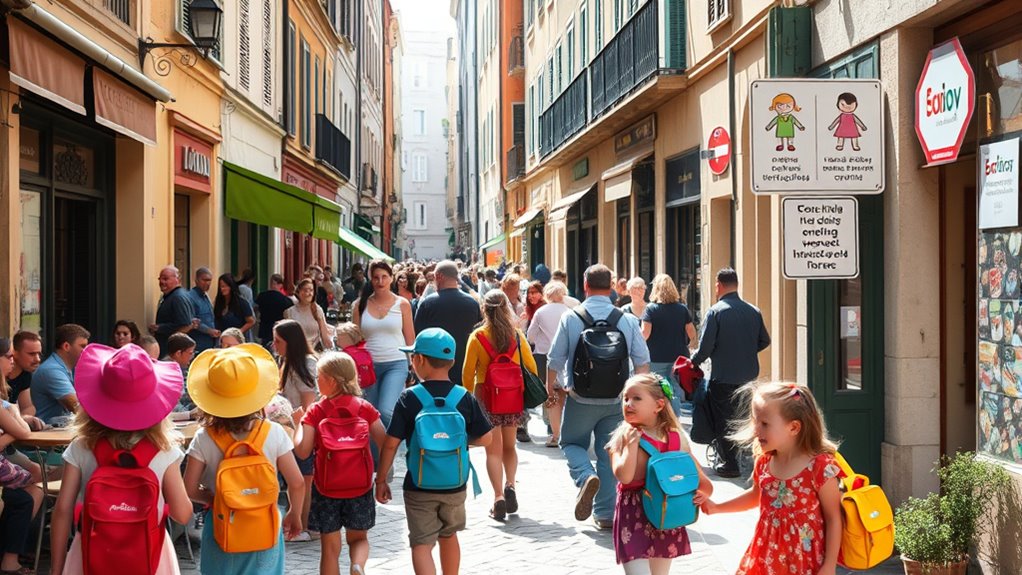
Understanding local rules and regulations for children is essential to guarantee a smooth trip across Europe. You need to familiarize yourself with each country’s child safety laws, such as car seat requirements and stroller restrictions at attractions. Some places require specific restraint types or limit stroller access in historic sites with cobblestones or narrow passages. Regulations around minors’ identification, parental consent for minors traveling alone, and vaccination documentation vary too—check these details beforehand. Be aware of local emergency numbers and healthcare options, especially in rural areas. Carry copies of your children’s passports, visas, and vaccination records in case of emergencies. Knowing these rules helps you avoid fines, delays, or denied access, making your trip safer and more enjoyable for the entire family.
Finding Balance Between Sightseeing and Rest for Kids
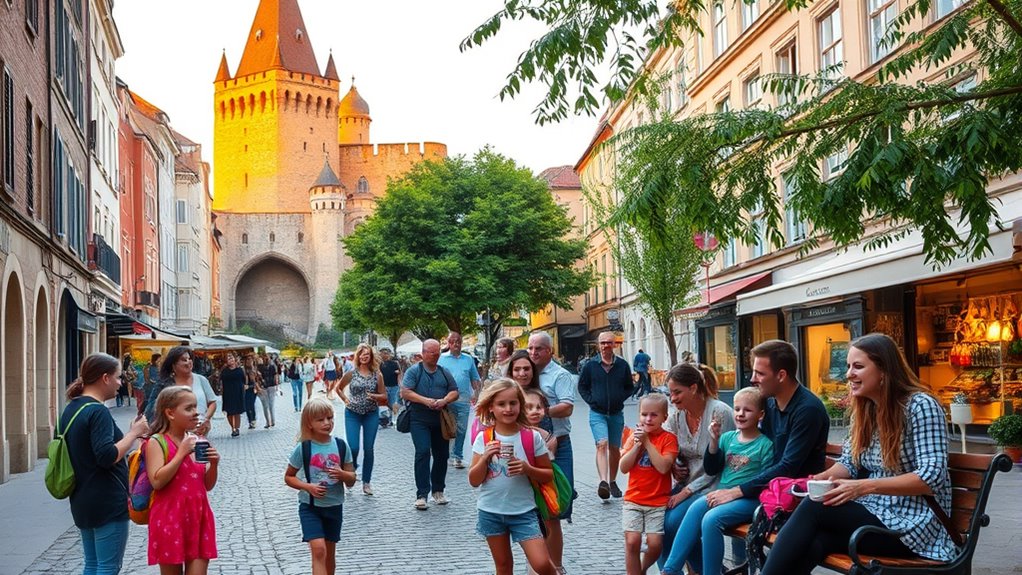
Balancing sightseeing with rest is key to keeping your kids happy and energized during your trip. If you push too hard, they’ll get cranky and overwhelmed. To avoid that, consider these strategies:
- Schedule regular breaks in parks or quiet spots to recharge.
- Limit daily sightseeing to 2-3 major attractions to prevent exhaustion.
- Incorporate downtime in your itinerary, like afternoon naps or relaxed meals.
- Use child-friendly activities, such as playground visits or short boat rides, to break up busy days.
This approach keeps energy levels steady and prevents meltdowns. Remember, slower days with a mix of activities and rest help everyone enjoy the trip more. Flexibility and listening to your kids’ cues are essential for a smooth, memorable adventure.
Frequently Asked Questions
How Do I Ensure My Child’s Car Seat Is Compatible With European Rental Cars?
To make certain your child’s car seat fits European rental cars, check the seat’s compatibility with the car’s size and anchoring system beforehand. Bring an approved portable seat if needed, and verify that it meets European safety standards. Contact rental companies in advance to confirm seat availability or consider bringing your own. This way, you prevent surprises and keep your child safe and secure during your trip.
What Are the Best Ways to Find Family-Friendly Accommodations Across Europe?
Finding family-friendly accommodations in Europe is like searching for a hidden gem—patience and research pay off. Start by filtering options on trusted booking sites for family-rated properties, ensuring they offer essentials like cribs and kitchenettes. Read reviews from other travelers with kids, and reach out directly to confirm amenities. Prioritize apartments or rentals in quieter neighborhoods with easy stroller access, giving your family a cozy base to explore comfortably.
How Can I Navigate Public Transport With Strollers and Gear Efficiently?
To navigate public transport efficiently with strollers and gear, research each city’s stroller policies and accessibility options beforehand. Use lightweight, compact strollers suitable for cobblestones and narrow entrances. Always carry universal adapters and portable chargers for devices. Avoid rush hours, plan routes with fewer transfers, and consider using baby carriers for crowded or inaccessible stops. Keep your gear organized and ready for quick boarding to minimize delays and stay flexible during your travels.
Which Essential Medications and Documents Should I Carry for My Child Abroad?
You should carry your child’s prescription medications, along with original prescriptions and translations, to avoid pharmacy delays. Don’t forget to pack extra in case of travel disruptions. Bring important documents like passports, health insurance cards, and any necessary consent forms for minors. Having vaccination records and emergency contacts on hand is vital. These essentials ensure you’re prepared for medical needs and border checks, giving you peace of mind during your European adventure.
How Do I Adjust Our Travel Itinerary to Keep Kids Happy and Rested?
You should modify your itinerary by allowing more time between activities to prevent overstimulation and fatigue. Focus on fewer destinations to reduce travel stress and ensure your kids get enough rest. Incorporate relaxed breaks in parks or green spaces, schedule early or off-peak visits to popular attractions, and keep daily routines consistent. Flexibility is key—be ready to adapt plans based on your children’s energy levels and mood.
Conclusion
Traveling with kids in Europe might seem overwhelming, but with proper planning, you’ll create unforgettable memories. Don’t let worries about missed essentials or unfamiliar rules hold you back—imagine strolling through charming streets, kids happily exploring, snacks in hand, and everyone relaxed. When you anticipate challenges and pack smart, your family adventure becomes a seamless, joyful journey. So, embrace the chaos, and let Europe’s magic turn your worries into wonderful stories to tell.