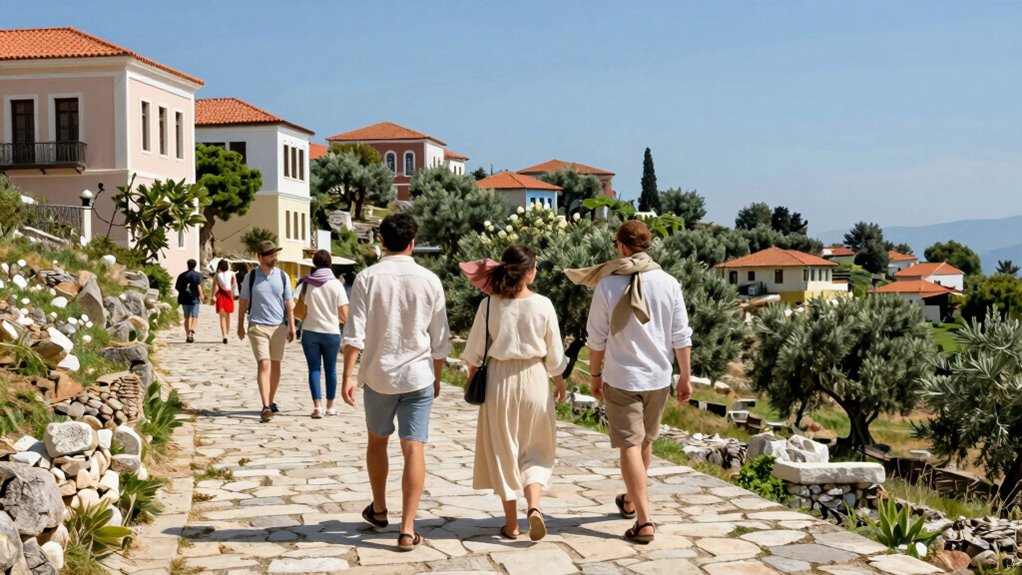

In Greece in March, temperatures typically range from 10°C to 18°C during the day, with cooler evenings around 5°C to 10°C. While it’s starting to warm up, you’ll want to pack lightweight layers like T-shirts and blouses for daytime, along with warm sweaters or jackets for the evenings. Be prepared for variable weather, including some rain and bright sunshine. To stay comfortable and enjoy your trip, it’s best to layer up—you’ll find all the tips you need right here.

Get travel and outdoor gear delivered free — and shop member deals
- Fast, free delivery on millions of items
- Access to Prime Big Deal Days deals on October 6–7
- Prime Video, Amazon Music and more included
Key Takeaways
- Pack lightweight layers like T-shirts and blouses for daytime, and include warm sweaters for cooler evenings.
- Bring a waterproof jacket or small umbrella to handle unpredictable rain showers.
- Wear comfortable walking shoes and sandals suitable for outdoor exploration and changing weather.
- Accessorize with hats, sunglasses, and scarves to protect against sun and add warmth when needed.
- Be prepared for temperature fluctuations with layering, as daytime temperatures can reach 18°C, but evenings are cooler.
women's lightweight travel jacket
As an affiliate, we earn on qualifying purchases.
As an affiliate, we earn on qualifying purchases.
Understanding Greece’s Climate in March
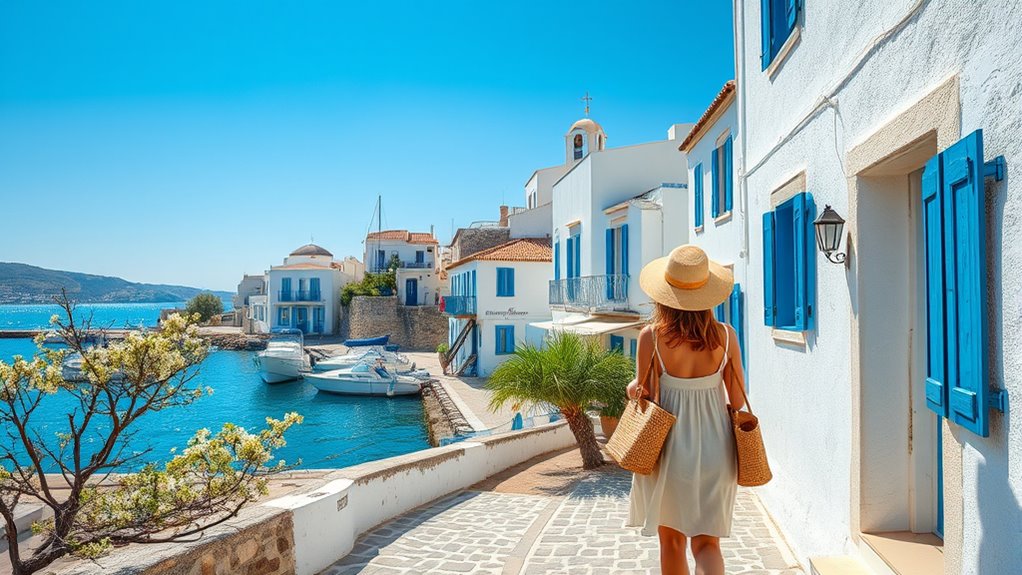
Greece’s climate in March is characterized by mild temperatures and noticeable regional variations. During the day, you’ll typically see temperatures between 10°C and 18°C (50°F to 61°F), but evenings can drop to around 5°C to 10°C (41°F to 50°F), so layering is essential. Southern regions like Crete and Rhodes tend to be warmer than northern areas, often several degrees higher. Expect more rain and cooler temperatures in northern Greece, with increased rainfall and cloud cover. In contrast, southern parts experience less rain and sunnier days. The weather can be unpredictable, with some days offering clear sunshine while others bring scattered showers. Overall, the climate is mild but varies markedly across regions, so plan accordingly. For those planning outdoor activities, herbal infusion tools and lightweight layers can help adapt to changing conditions. Additionally, choosing appropriate clothing layers can make your experience more comfortable as temperatures fluctuate throughout the day. Being aware of regional climate differences can help you better prepare for varying weather patterns during your trip.
As an affiliate, we earn on qualifying purchases.
Essential Clothing for Day and Night

When packing for Greece in March, it’s important to choose clothing that can adapt to the fluctuating temperatures between day and night. During the day, lightweight layers like t-shirts and blouses work well, but evenings can be quite chilly, dropping to around 5°C to 10°C. You’ll need extra layers to stay comfortable. Consider packing:
Packing layered clothing for Greece in March ensures comfort from warm days to cool evenings.
- Light jackets or sweaters for daytime outings
- Warm sweaters or cardigans for evenings
- A coat or heavier jacket for nighttime
- Scarves to add warmth and style
- Comfortable shoes suitable for walking and cooler weather
These items ensure you’re prepared for variable conditions, whether you’re exploring ruins or enjoying seaside sunsets. Flexibility is key, so layering helps you stay comfortable no matter how the temperatures shift. Incorporating layering techniques can also help manage unexpected weather changes more effectively.
comfortable walking shoes for travel
As an affiliate, we earn on qualifying purchases.
As an affiliate, we earn on qualifying purchases.
Preparing for Rain and Sunshine
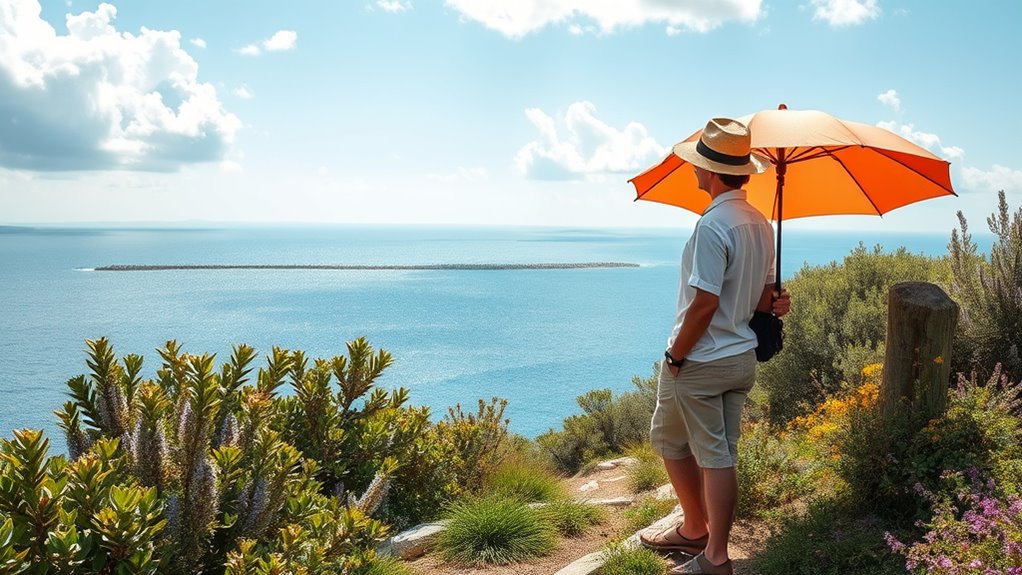
While packing layers for changing temperatures is important, you should also prepare for Greece’s unpredictable rain and sunshine. March weather can shift quickly, so carry a small umbrella or a lightweight raincoat in your bag. Scattered showers are common, especially in northern regions, but they usually pass quickly. To stay comfortable, layer your clothing—t-shirts with a light jacket or cardigan gives you flexibility. Don’t forget sunglasses and a hat for sunny days, which can be bright and invigorating. Keep in mind that sunshine hours increase as the month progresses, so plan outdoor activities accordingly. Weather patterns can vary significantly, so staying adaptable is key. While the sun provides warmth and brightness, always be ready for sudden rain by having waterproof gear handy. This way, you’ll enjoy Greece’s beautiful scenery regardless of the weather surprises. Additionally, understanding climate variability can help you better anticipate and adapt to these rapid changes.
sun protection hat and sunglasses set
As an affiliate, we earn on qualifying purchases.
As an affiliate, we earn on qualifying purchases.
What to Wear for Outdoor and Beach Activities
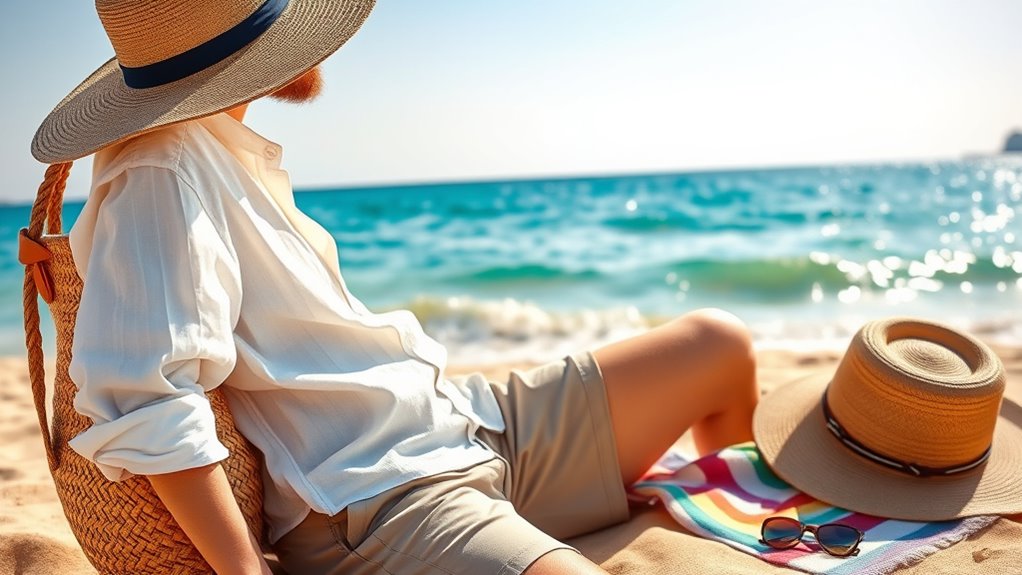
If you’re planning outdoor or beach activities in Greece in March, dressing in lightweight, flexible layers is essential. The weather varies throughout the day, so you’ll want options that adapt to changing conditions. During the day, you can enjoy sunshine and milder temperatures, but mornings and evenings tend to be cooler. Pack items that can be easily added or removed as needed. Consider bringing:
- Breathable T-shirts or tank tops for daytime comfort
- A lightweight jacket or windbreaker for breezy moments
- A hat and sunglasses for sun protection
- Comfortable sandals or walking shoes for exploring
- An extra layer like a cardigan or sweater for cooler evenings
This approach keeps you comfortable during outdoor adventures and beach visits, regardless of fluctuating temperatures. Being aware of seasonal weather patterns can help you better prepare for varying conditions.
Tips for Layering and Staying Comfortable
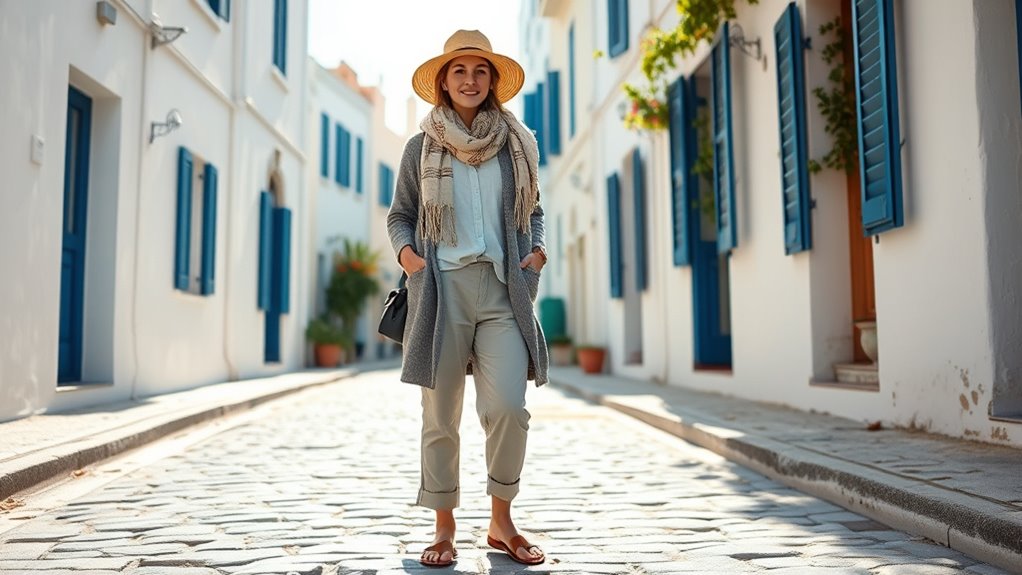
To stay comfortable during Greece’s variable March weather, focus on layering your clothing so you can easily adjust as temperatures change throughout the day. Start with lightweight, breathable T-shirts or blouses for daytime, then add a sweater or cardigan for cooler moments. A light jacket or waterproof layer helps during rain or chilly evenings. Use the table below to plan your outfits:
| Daytime Layer | Evening/ Cooler Layer |
|---|---|
| T-shirt or blouse | Sweater or cardigan |
| Light jacket | Coat for late evenings |
| Sunhat & sunglasses | Hat for warmth & sun protection |
Layering allows flexibility, so you stay comfortable whether the sun shines or clouds roll in. Incorporating energy-efficient cloud solutions into your travel planning can also help you access useful weather updates and travel tips for Greece. Additionally, considering climate variability can help you better prepare for unexpected weather shifts during your trip. Being aware of existential themes can enhance your experience by encouraging reflection on the cultural and historical significance of your surroundings. Moreover, understanding seasonal changes can help you anticipate the weather patterns typical for March in Greece, ensuring you pack appropriately. Recognizing local weather patterns can further improve your packing strategy and daily planning during your stay.
Frequently Asked Questions
Is It Suitable to Swim in the Sea During March?
You can swim in Greece during March, but don’t expect warm water. Sea temperatures hover around 15°C (59°F), which is quite chilly for most people. If you enjoy brisk, invigorating swims or water sports, it’s doable. Just make sure to wear a wetsuit if you plan extended time in the water. Otherwise, it’s perfect for short dips or boat trips around the islands, especially on sunnier days.
How Do I Dress for Sudden Temperature Drops at Night?
Imagine your evening plans as a delicate dance, requiring the right steps to stay warm. You should layer up with a warm sweater or cardigan over your daytime clothes, and bring a coat or heavier jacket for extra warmth, especially if temperatures drop to around 5°C to 10°C. Don’t forget a hat and scarf for added protection, so you can enjoy Greece’s enchanting nights without shivering.
Are There Any Regional Clothing Differences Across Greece?
Yes, you’ll notice regional clothing differences in Greece during March. In northern areas like Thessaloniki, layer up with warmer jackets and waterproof gear due to cooler temperatures and frequent rain. In contrast, southern regions like Crete and Rhodes are milder, so light layers and sun protection suffice. Always carry a raincoat or umbrella, especially in northern regions, and adjust your clothing based on local weather patterns for comfort.
Can I Wear Shorts Comfortably During Daytime Outings?
Yes, you can wear shorts comfortably during daytime outings in Greece in March, especially in the southern regions like Crete and Rhodes, where temperatures are warmer. However, keep a light jacket or sweater handy for early mornings, late afternoons, or cooler evenings. Layering is key, so combine shorts with breathable tops and bring an extra layer to stay comfortable as temperatures fluctuate.
What Accessories Are Recommended for Sun Protection?
You should bring sunglasses and a wide-brimmed hat for sun protection, as Greece enjoys 6 to 8 hours of sunshine daily in March. With a 65% chance of sunny days, these accessories shield your eyes and face from UV rays, making outdoor activities more comfortable. Plus, sunglasses help reduce glare during island-hopping or sightseeing, ensuring you stay protected while enjoying Greece’s early spring sunshine.
Conclusion
As you pack your suitcase, imagine stepping into Greece’s evolving March landscape—warm sun on your face, cool breezes brushing past, and the promise of unexpected showers. With the right layers and essentials, you’ll be ready for anything this enchanting country throws your way. But as the days grow longer, will you find yourself craving even more—perhaps a surprise sunset or a hidden cove? Prepare well, and let Greece’s mysteries unfold before you.
Halloween Picks
halloween
As an affiliate, we earn on qualifying purchases.