When you see Spanish menu words, they tell you exactly what you’re ordering. For starters, look for *sopa*, *ensalada*, or *tapas*. Main courses often mention proteins like *pollo*, *pescado*, or *carne*, along with cooking styles like *asado* or *guiso*. Vegetables or sides include *judías verdes* or *setas*. Desserts such as *flan* or *tarta* finish things off. Understanding these terms helps you order confidently—keep going to learn more about deciphering the menu!
Key Takeaways
- Recognize menu sections like *De primero* (starters) and *De segundo* (main courses) to understand meal progression.
- Identify common dish terms such as *sopa*, *ensalada*, and *tapas* to know what you’re ordering.
- Understand protein references like *pollo*, *pescado*, and *mariscos* to select main courses.
- Learn descriptive words for sauces and cooking styles, e.g., *salsa de tomate* or *a la plancha*, to grasp dish preparations.
- Use key phrases like “¿Tiene opciones vegetarianas?” or “sin gluten” to communicate dietary restrictions effectively.
Spanish Grammar: a QuickStudy Laminated Reference Guide
- Learn Spanish grammar basics: Easily accessible reference guide
- Master tricky Spanish rules: Helpful for difficult grammar rules
- Updated with more examples: Includes additional information for clarity
As an affiliate, we earn on qualifying purchases.
As an affiliate, we earn on qualifying purchases.
Understanding the Structure of a Spanish Menu
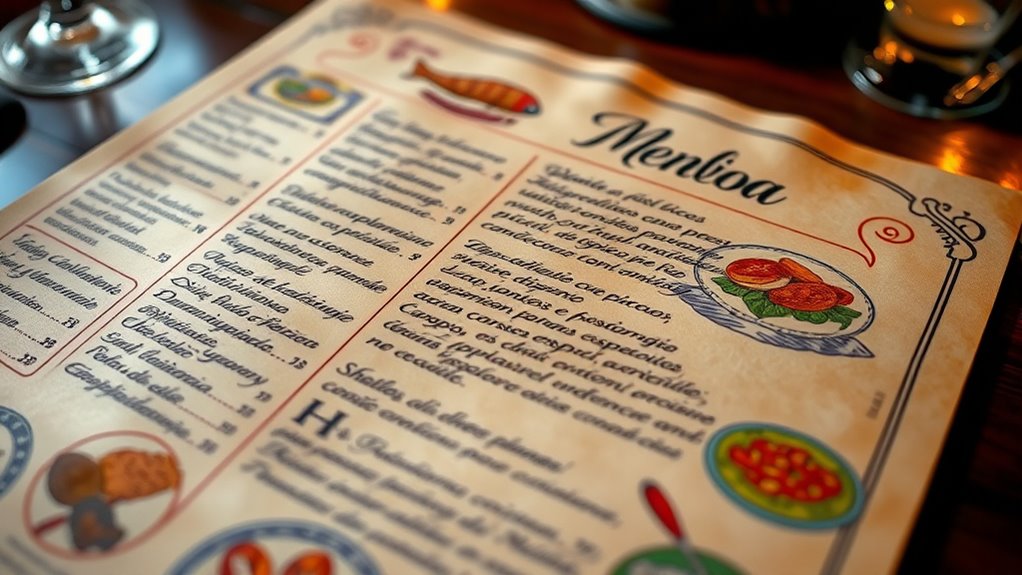
Understanding the structure of a Spanish menu helps you navigate your dining experience with confidence. Typically, menus are divided into sections like *De primero* or *Primeros platos*, which include soups or salads as starters. Next is *De segundo* or *Segundos platos*, featuring main proteins like meats, chicken, fish, or seafood. Afterward, you’ll find *Postre*, the dessert section with sweets and fruits. Some menus also have *Entrantes* or *Entremeses*, which are appetizers or small bites, often overlapping with starters. Recognizing these sections helps you choose dishes more easily. Pay attention to labels like *Ensaladas y sopas* for salads and soups, and understand that each part guides your meal progression. Being familiar with menu structure concepts can also help you better appreciate the natural flow of a traditional Spanish menu, making your ordering process more intuitive and enjoyable. Additionally, understanding the menu layout can assist you in making healthier or more sustainable choices by identifying options aligned with your preferences. Knowing this layout makes ordering smoother and your dining experience more enjoyable.

June Street Market 10 Piece Essentials Kitchen Starter Gift Set: Spices with Trilingual Labels (English, Spanish, Arabic) Includes Recipe Cards, Perfect for Cooking, Baking, or Gifting
- Includes 10 essential spices: Garlic, onion, chili, paprika, and more
- Trilingual labels for easy identification: English, Spanish, Arabic
- Compact 4-inch tall bottles: Fits well in pantry or spice rack
As an affiliate, we earn on qualifying purchases.
As an affiliate, we earn on qualifying purchases.
Recognizing Common Starters and Salads
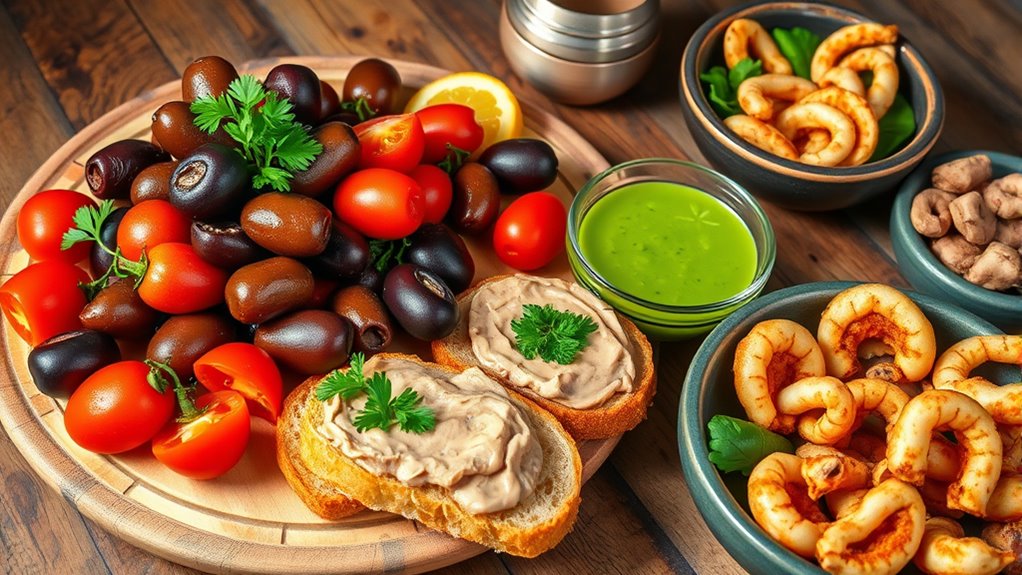
| Dish Type | Description | Typical Example |
|---|---|---|
| Sopa | Soup, usually served hot or cold. It can be flavored with various herbs and spices, making it a comforting starter. Recognizing the different types of soups can help you choose the right one for your palate. | Gazpacho, caldo |
| Ensalada | Salad, often fresh and simple. Recognizing common ingredients can help you identify these dishes more easily. Incorporating visual cues such as colors and textures can enhance your understanding of salads. | Ensalada mixta, de tomate |
| Tapas | Small plates, shared. These are perfect for tasting a variety of flavors in one meal. The presentation of tapas often reflects cultural traditions, adding to their appeal. | Tortilla, albondigas |
| Vegetales | Vegetable-based starters. Incorporating visual cues can help in understanding the presentation and appeal of these dishes. Recognizing typical vegetable preparations, such as marinated or grilled, can enhance your appreciation of these dishes. | Setas, judías verdes con jamón |

Tapas: and other Spanish plates to share
As an affiliate, we earn on qualifying purchases.
As an affiliate, we earn on qualifying purchases.
Identifying Main Course Proteins
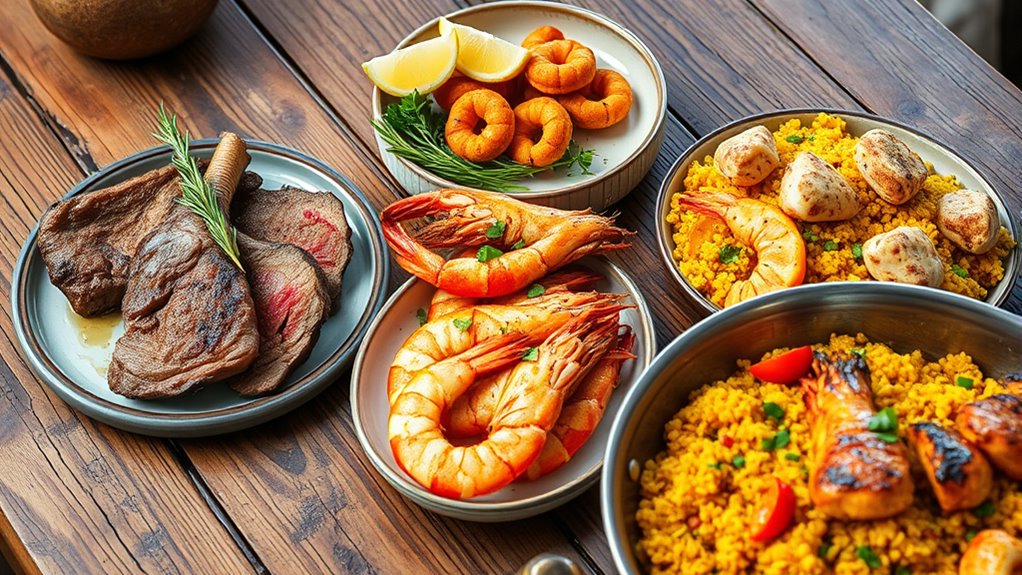
Main course proteins are the focal point of many Spanish meals, often ordered after starters like salads or soups. When browsing the menu, look for words like “carnes” for meats such as beef or pork, “pollo” for chicken, “pescados” for fish, and “mariscos” for shellfish. These terms help you identify the main protein in a dish. Sometimes, dishes specify the cut or preparation, like “filete de ternera” (veal steak) or “pollo asado” (roast chicken). Embutidos, or cured meats like jamón or chorizo, also serve as main courses. Knowing these key words allows you to understand what protein you’re ordering and helps you choose dishes that match your preferences. Developing strong attention to detail can assist in decoding menu descriptions more effectively, especially since many dishes specify preparation methods that influence flavor and texture. Additionally, understanding cooking terminology can help you better interpret how the dish will taste and be prepared. Recognizing menu layout and common patterns in how dishes are described can further improve your ordering experience and confidence.

vancasso Simi 6-Piece Rectangular Ceramic Plates Set, 8.5" x 5.1" Small Dessert & Sushi Plates, Bohemian Appetizer Serving Plates, Microwave & Oven Safe Porcelain Plates
- Unique Bohemian Design: Elegant ceramic plates with intricate patterns
- Compact Size: Ideal for desserts and appetizers
- Raised Edges: Prevents spills and keeps food in place
As an affiliate, we earn on qualifying purchases.
As an affiliate, we earn on qualifying purchases.
Exploring Vegetables and Side Dishes
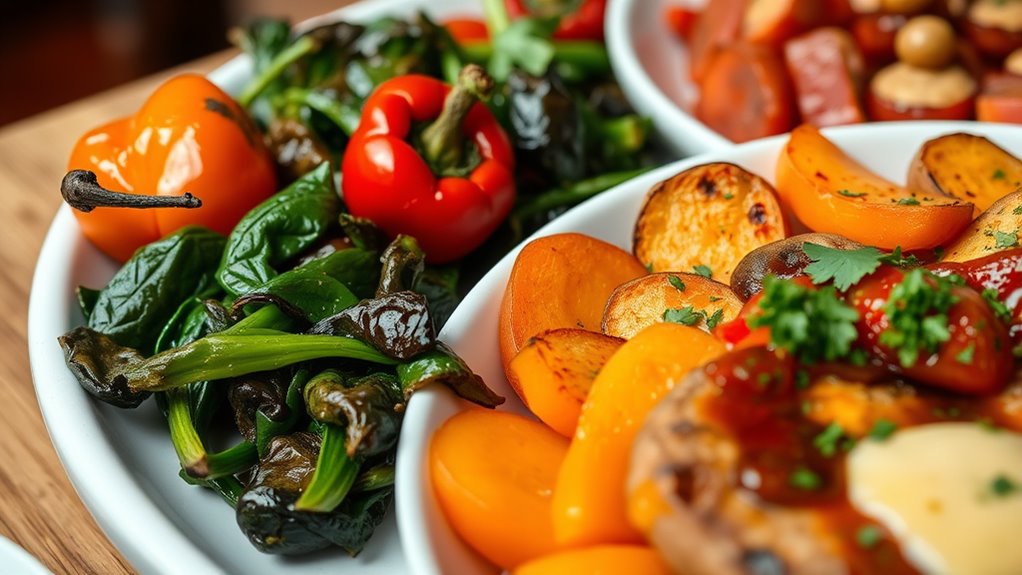
When ordering in Spain, you’ll notice a variety of vegetables and side dishes listed on the menu. Common options include verduras, setas, and judías verdes con jamón, which add flavor and texture to your meal. Exploring these choices helps you enjoy authentic flavors and complete your dining experience.
Vegetables in Spanish Menus
Vegetables play an essential role in Spanish menus, often featured as side dishes or ingredients in main courses. When browsing, you’ll see options like verduras or vegetales, which include green beans, mushrooms, or spinach. Dishes like judías verdes con jamón combine green beans with ham, adding flavor and texture. Mushrooms, or setas, are common as a side or part of stews. You might also find gazpacho, a cold tomato and cucumber soup, perfect as a revitalizing vegetarian starter. Lentils with chorizo, lentejas con chorizo, blend legumes with cured sausage, offering a hearty vegetable option. These vegetables balance proteins and add variety to your meal, showcasing Spain’s rich vegetable traditions and fresh ingredients. Additionally, a free online tool can instantly convert text into various capitalization styles, making it easier to emphasize or format your culinary descriptions. Understanding Spanish vegetable terminology can help you better navigate menus and appreciate the diversity of ingredients used in traditional dishes, especially when considering reliable translation resources for accurate comprehension. Moreover, incorporating wave and wind concepts can help you understand how environmental factors influence the freshness and availability of these vegetables. Recognizing seasonal produce can further enhance your appreciation of Spain’s culinary diversity and ingredient freshness.
Common Side Dishes
Are you curious about the most common side dishes in Spanish cuisine? These dishes often complement main courses and highlight fresh ingredients. You’ll find vegetables like judías verdes con jamón (green beans with ham) and setas (mushrooms). Cold soups like gazpacho serve as invigorating sides, especially in summer. Sometimes, side dishes are simple yet flavorful, such as lentejas con chorizo (lentils with sausage). Here’s a quick overview:
| Vegetable/Sides | Description |
|---|---|
| Judías verdes con jamón | Green beans cooked with ham |
| Gazpacho | Cold tomato-cucumber soup |
| Setas | Mushrooms, often sautéed |
These sides add variety, color, and taste to your Spanish meal. Additionally, essential oils for diffusion can create a relaxing ambiance that complements your dining experience, enhancing the overall atmosphere. Incorporating traditional Spanish ingredients can further elevate your culinary experience, ensuring authentic flavors. Being aware of cultural culinary customs can also enrich your understanding of traditional dining practices. Recognizing the regional variations in side dishes can help you appreciate the diversity of Spanish cuisine across different areas.
Deciphering Sauces and Cooking Styles
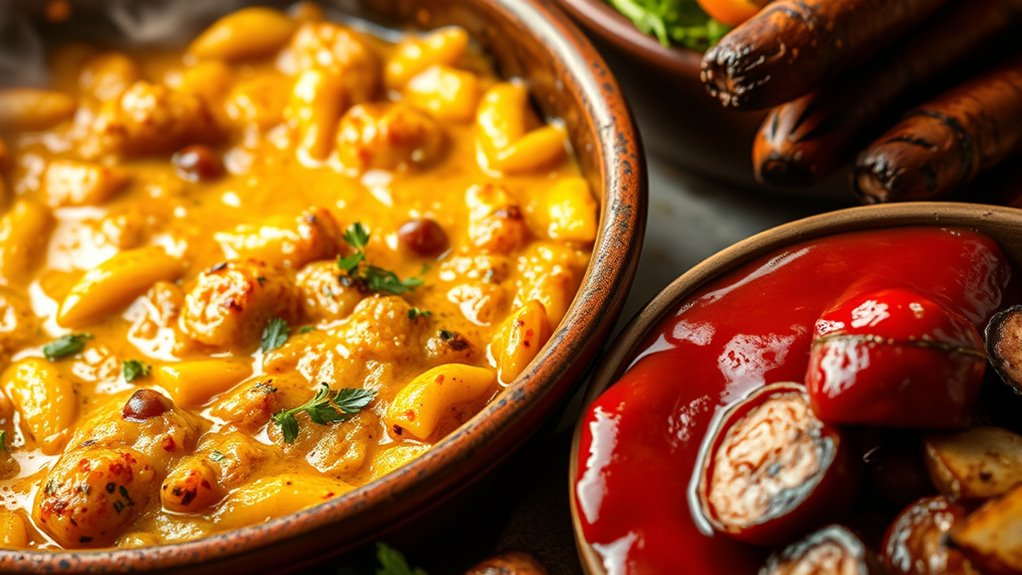
Understanding Spanish sauces and cooking styles can greatly enhance your dining experience, as they reveal how flavors are built and dishes are prepared. When you see terms like “salsa de tomate,” it indicates a tomato-based sauce that adds richness and tang to a dish. “Crema de verduras” suggests a smooth, creamy vegetable sauce, often used in soups or as a topping. Cooking styles such as “poco hecho” and “muy hecho” specify how well meat is cooked, from rare to well-done, giving you control over texture and flavor. Knowing these terms helps you imagine the dish’s taste and preparation method. Whether it’s a “guiso” (stew) or “asado” (roast), recognizing these styles allows you to select dishes that match your preferences precisely. Additionally, understanding meal descriptions can help you better communicate with restaurant staff about your preferences and dietary needs. Being familiar with cookie categories can also inform you about how your browsing experience is tailored and what options you have for customization.
Navigating Menu Types and Daily Specials
| Menu Type | Best For |
|---|---|
| Menú del día | Budget-friendly, quick meals |
| A la carta | Custom choices, special occasions |
Knowing these options helps you navigate the restaurant confidently and enjoy your meal exactly how you like it.
Useful Phrases for Ordering Your Meal
When you’re ready to order, knowing how to ask for courses helps streamline your meal. You can simply say, “¿Qué va a tomar de primero?” to choose your starter, or specify your main dish with “Para mí, de segundo…” If you have dietary preferences or restrictions, don’t hesitate to ask, “¿Tiene opciones vegetarianas?”
Phrases to Ask for Courses
Are you ready to order your meal in a Spanish restaurant? To ask about the first course, say, “¿Qué va a tomar de primero?” This way, you’ll find out what options are available for your starter. When you’re ready to order your main dish, ask, “¿Qué recomienda para el segundo?” or “¿Qué hay para el plato principal?” If you want to specify a particular dish, you can say, “Me gustaría el pollo” or “Voy a pedir la sopa de pescado.” For desserts, ask, “¿Qué postres tienen?” or “¿Qué sugerencias de postres?” Remember, using these phrases helps you navigate the menu confidently and shows your interest in local dining customs. Don’t hesitate to ask your server for recommendations or clarification—most are happy to help!
How to Request Special Diets
If you have specific dietary needs or preferences, it’s helpful to know how to communicate them clearly when ordering. You can start by asking, “¿Tiene opciones vegetarianas?” (Do you have vegetarian options?) or “¿Puedo pedir sin gluten?” (Can I order it gluten-free?). To specify ingredients you want to avoid, say, “Por favor, sin cebolla” (Please, without onion) or “Sin azúcar, por favor” (No sugar, please). If you need a vegan meal, ask, “¿Es un plato vegano?” (Is this a vegan dish?). For allergies, say, “Soy alérgico a los frutos secos” (I’m allergic to nuts). Most restaurants are happy to accommodate your needs; just communicate clearly and politely.
Interpreting Dessert and Fruit Options
Dessert and fruit options on a Spanish menu are typically listed under the section labeled “Postre.” This section includes a variety of sweet treats such as cakes, custards, and traditional Spanish desserts like flan or tarta de Santiago. You might see options like “Fruta del tiempo,” meaning seasonal fresh fruit, or “Fruta en almíbar,” which indicates fruit preserved in syrup. If you see “Helado,” it’s ice cream, often available in multiple flavors. “Yogur” refers to yogurt, sometimes served with honey or fruit. Look for “Tarta,” which means cake, often with specific flavors like chocolate or almond. Understanding these terms helps you select a satisfying ending to your meal and enjoy the traditional flavors of Spain.
Tips for Making the Most of Your Dining Experience
To make the most of your dining experience at a Spanish restaurant, start by familiarizing yourself with the menu structure and common words. Knowing where to find de primero, de segundo, and postres helps you navigate confidently. Don’t hesitate to ask the server questions about unfamiliar dishes or ingredients; they’re there to help. When ordering, use phrases like “¿Qué va a tomar de primero?” to show interest and clarify your choices. Consider trying the daily menu (“menú del día”) for a complete meal at a good value. Be aware of whether the service charge is included (“servicio incluido”) and if you should leave a tip. Finally, enjoy your meal and don’t forget to say “buen provecho” to fellow diners—it’s polite and friendly.
Frequently Asked Questions
How Do I Know if a Dish Is Vegetarian or Vegan?
You can tell if a dish is vegetarian or vegan by looking for specific labels or descriptions on the menu. Vegetarian options often mention vegetables, salads, or vegetarian-friendly ingredients, while vegan dishes exclude any animal products like cheese, eggs, or dairy. If you’re unsure, don’t hesitate to ask the staff directly; they can clarify which dishes meet your dietary needs and help you make the right choice.
What Does “A La Carta” Mean Exactly?
“A la carta” means you’re ordering individual dishes from the menu, not a set meal. When you choose “a la carta,” you pick each item separately, allowing you to customize your meal. This option offers more flexibility and variety, letting you select exactly what you want without committing to a fixed menu. It’s perfect if you want to try different dishes or share plates with others.
Are Service Charges Always Included in the Bill?
About 80% of restaurants include service charges in the bill, but it varies. You should always check whether the menu says “servicio incluido” or ask directly. In some places, tips are optional, while in others, they’re expected. If you’re unsure, it’s polite to ask, “¿Está incluido el servicio?” so you avoid confusion and know whether to tip extra. Always clarify to verify a smooth dining experience.
How Can I Ask for My Meat Cooked Rare or Well Done?
You can ask how you want your meat cooked by saying, “¿Poco hecho?” for rare or “Muy hecho” for well done. If you prefer something in between, you might say “a punto” for medium. Just tell the waiter your preference when ordering, and they’ll know how to prepare it. Using these phrases guarantees your meat is cooked just the way you like it.
What Are Common Spanish Desserts Not Listed on the Menu?
Sure, the elusive Spanish desserts not listed might include flan, a caramel custard that’s as iconic as a siesta, or tarta de Santiago, an almond cake from Galicia hiding under a powdered sugar disguise. You could also find churros with thick hot chocolate, or arroz con leche, a comforting rice pudding. Sometimes, the best treats are the ones you politely ask for, outside the menu’s limited imagination.
Conclusion
Now that you know the Spanish menu words, you’ll navigate the dining experience with confidence—no need for a time machine to understand what’s on your plate. Whether you’re ordering tapas or a hearty paella, use these tips to make informed choices and enjoy every bite. Remember, even the most seasoned explorers once needed a map—consider this your culinary compass to savor Spain’s flavors fully. Bon appétit!