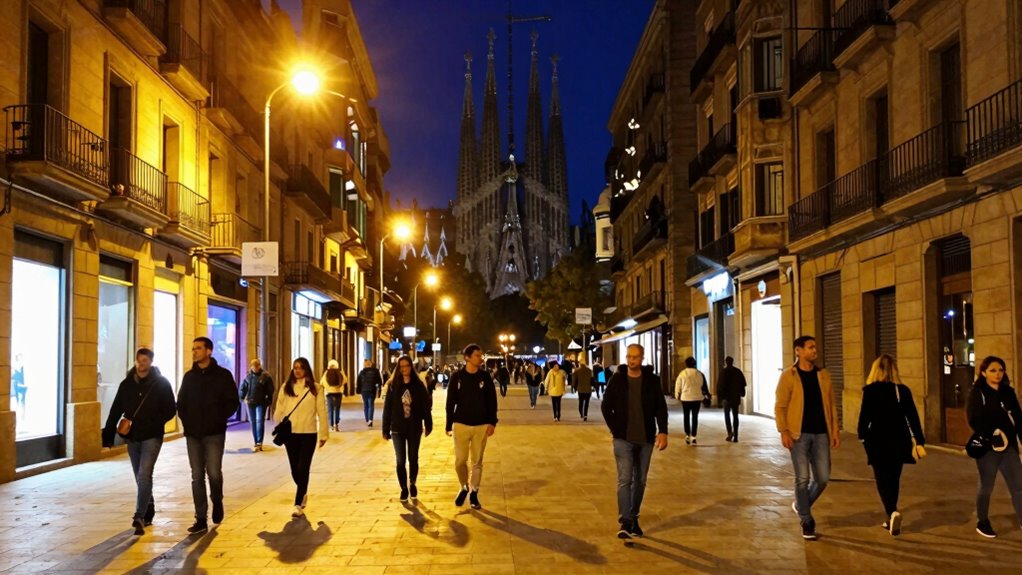

Barcelona is generally safe for nightlife, especially in well-lit, busy areas like Passeig de Gràcia, Plaça Catalunya, El Born, Port Olímpic, and Barceloneta, where you’ll find lively spots and a good vibe. Stay cautious near side streets, Gothic alleys, and crowded tourist hotspots like La Rambla, especially late at night. Keep your belongings secure, avoid isolated areas, and trust your instincts. If you want tips on staying safe and hotspots to watch out for, keep exploring.
Prime for Young Adults — start your free trial
Fast free delivery, streaming and member deals for eligible 18–24 year olds.
As an affiliate, we earn on qualifying purchases.
Key Takeaways
- Well-lit, busy areas like Passeig de Gràcia and Plaça Catalunya are generally safe for night strolling.
- Avoid side streets in Gothic Quarter and isolated alleys late at night to reduce theft risk.
- Be cautious in nightlife zones such as Port Olímpic and Barceloneta, especially near crowded venues.
- Keep belongings secure, use zipped bags, and stay alert to prevent pickpocketing, especially on La Rambla.
- Trust your instincts, use reputable transport, and avoid isolated areas to ensure nighttime safety.
As an affiliate, we earn on qualifying purchases.
Understanding Barcelona’s Nighttime Crime Landscape

To understand Barcelona’s nighttime crime landscape, it’s important to recognize that while the city offers vibrant nightlife and popular tourist spots, certain areas pose higher risks for visitors. The overall crime index is 51.71, with property crimes making up 84%, mainly pickpocketing and theft. Violent crimes are less common but still present, especially in busy zones like La Rambla and Gothic Quarter side streets. Crime has decreased somewhat in recent years, with a 5% drop in recorded crimes and lower rates of pickpocketing in key districts. Still, many crimes happen late at night, often involving distraction techniques such as maps or newspapers. Staying alert, securing valuables, and avoiding isolated spots can considerably reduce your risk while enjoying Barcelona after dark.
As an affiliate, we earn on qualifying purchases.
Safe Areas for Night Strolling and Nightlife
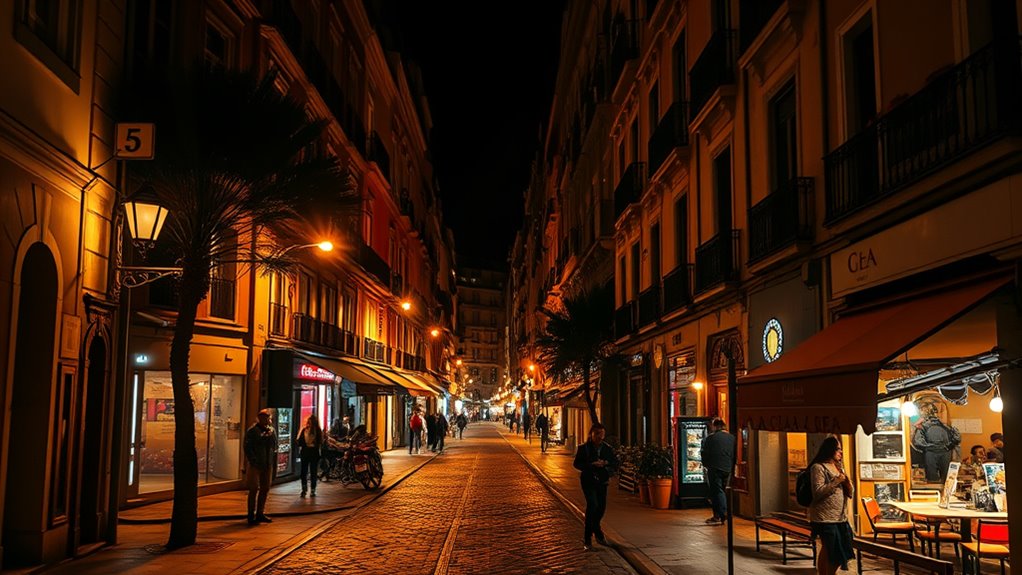
While certain areas in Barcelona are best avoided after dark, many neighborhoods offer safe and enjoyable spots for night strolling and nightlife. Passeig de Gràcia and Plaça Catalunya are popular for their lively atmosphere and are relatively safe, especially in well-lit areas. El Born remains a favorite for its vibrant nightlife scene, with many bars and restaurants frequented by locals and tourists alike. The Gothic Quarter’s main streets tend to be safer, though you should stay alert in side alleys. Port Olímpic and Barceloneta are lively at night, with waterfront venues that attract crowds. Always stay aware of your surroundings, avoid isolated spots, and stick to well-populated areas. Proper caution and awareness of drone safety while enjoying Barcelona’s nightlife can greatly enhance your safety and experience. Using well-lit areas as your guide can help you navigate the city more securely after dark. Being familiar with safe zones and knowing where to find help can further improve your security during nighttime outings. Additionally, understanding wave and wind conditions can be beneficial if you plan to enjoy waterfront activities, ensuring a safer experience.
As an affiliate, we earn on qualifying purchases.
High-Risk Spots to Approach With Caution
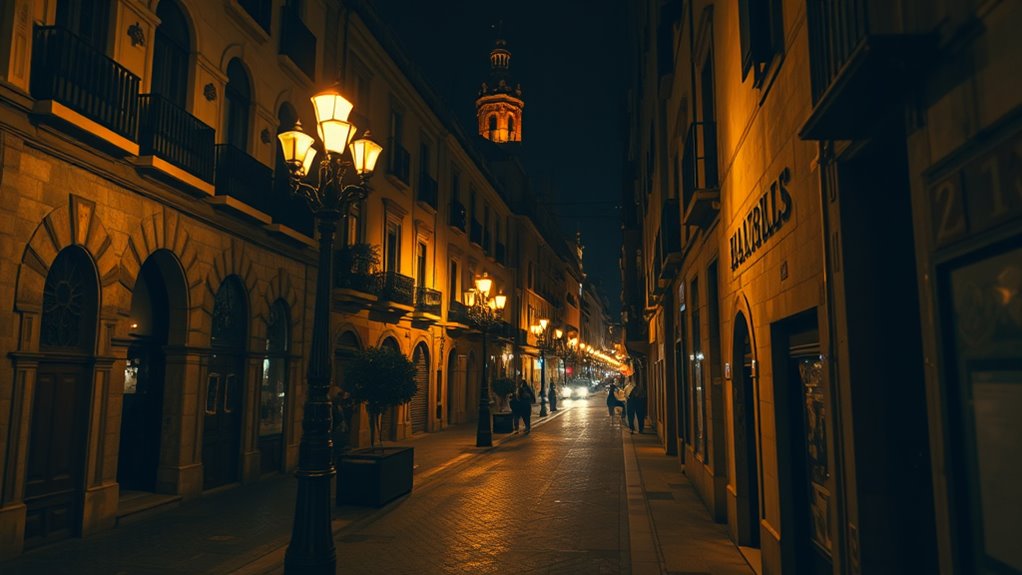
Certain areas in Barcelona demand extra caution after dark due to elevated risks of pickpocketing and other petty crimes. La Rambla remains a hotspot, especially around crowded stalls and street performers, where thieves target distracted tourists. The Gothic Quarter’s side streets, while charming, can become risky late at night, as pickpockets often lurk in quieter corners. Port Olímpic and Barceloneta’s nightlife zones are lively, but they attract criminals looking to exploit intoxicated crowds. Ciutat Vella and Eixample have seen a decrease in pickpocketing but still require vigilance, particularly near clubs and busy streets. Always stay alert, keep your belongings secure, and avoid displaying valuables openly. Additionally, understanding water safety tips can help you stay safe around the city’s beaches and pools, especially at night when supervision is limited. Being aware of security measures can further reduce your chances of falling victim to petty thefts or scams. For added safety, consider carrying a discreet bag to minimize the risk of theft during late-night outings. Employing home security awareness can also help you feel safer when returning to your accommodation after a night out, especially in unfamiliar areas. Recognizing the importance of personal vigilance can significantly enhance your safety in these environments. These areas demand heightened awareness to avoid falling victim to petty thefts or scams.
As an affiliate, we earn on qualifying purchases.
Common Nighttime Offenses and How to Avoid Them
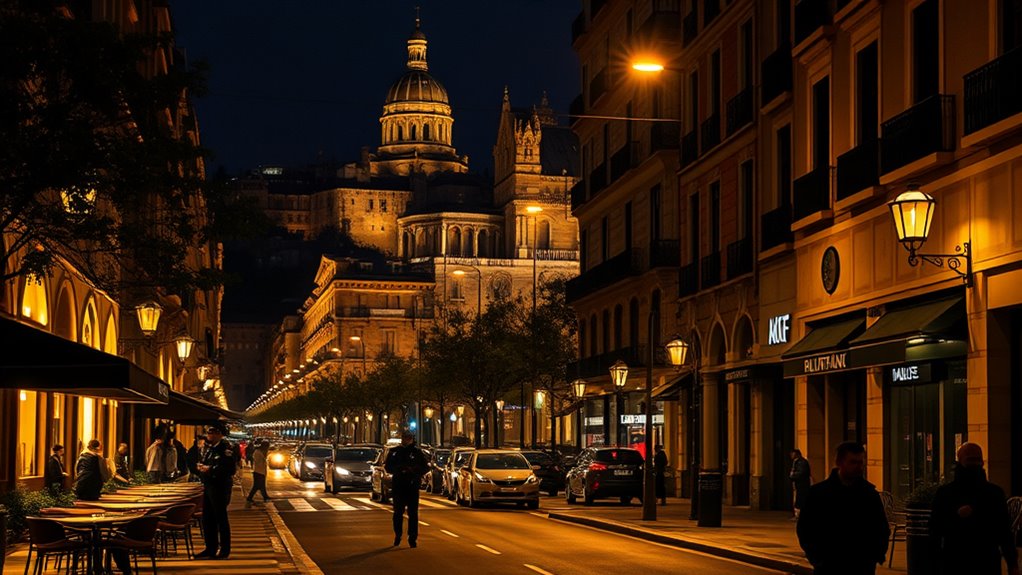
Nighttime offenses in Barcelona mainly consist of petty crimes like pickpocketing and larceny, which target tourists and locals alike. These crimes often happen in busy streets, parks, and public transport, especially in tourist hotspots like La Rambla and the Gothic Quarter. Criminals use distraction techniques such as dropping items or asking for directions to divert your attention. To avoid falling victim, keep your valuables secure and stay alert. Never display expensive phones or jewelry openly, and be cautious when approached by strangers. Be especially vigilant late at night around bars and clubs, where street muggings can occur between 1 AM and 4 AM. Staying aware and avoiding risky areas will considerably reduce your chances of becoming a target. Additionally, familiarizing yourself with smartphone security tips can help protect your device from theft or misuse. Being aware of common criminal tactics can further enhance your safety and help you recognize suspicious behavior early. Incorporating a mindful energetic awareness approach can also help you stay alert to your surroundings and potential threats. Maintaining a situational awareness mindset is crucial in unfamiliar environments to promptly identify and avoid danger. Remember that local police are available to assist if you find yourself in trouble, so keep emergency numbers handy.
Practical Tips for Staying Safe After Dark
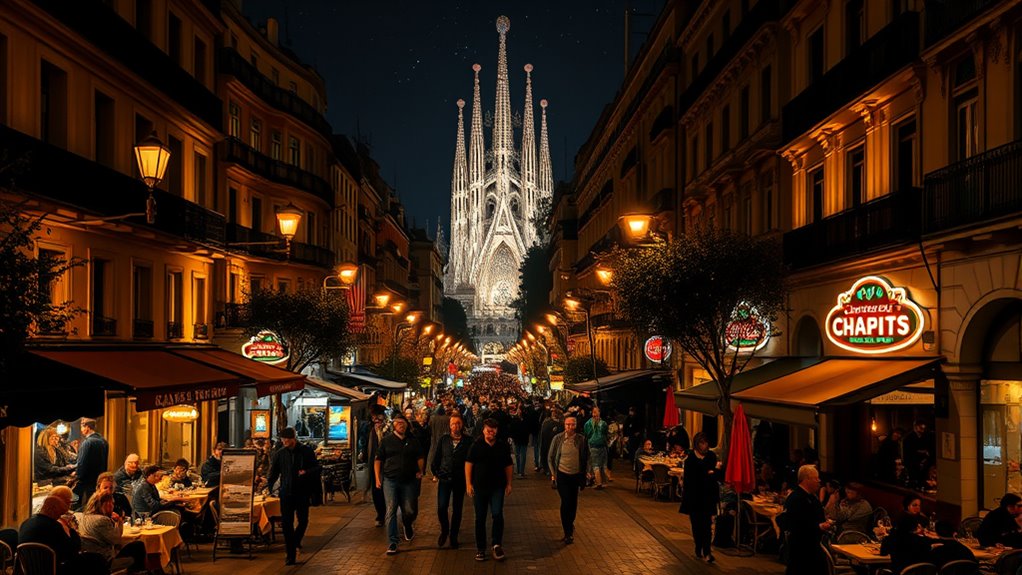
To stay safe after dark in Barcelona, you need to stay alert and prepared. Keep your belongings close, like wallets and phones, tucked securely in front pockets or bags zipped shut. Be cautious around crowded areas, especially street performers or distracted tourists. When walking, stick to well-lit streets and avoid isolated alleyways. Use designated crossings, check both ways, and watch for cyclists or scooters. In busy spots, stay aware of your surroundings, avoiding distractions like your phone or loud conversations. Remember, criminals often target distracted or isolated individuals. Additionally, consider sauna safety tips and safety precautions when utilizing wellness facilities to ensure your overall well-being. Walking confidently and purposefully, avoiding hesitation, can also help deter potential threats. Staying in groups or with a trusted companion, and avoiding flashing valuables in public, enhances your safety. Use reputable transport options instead of unlit side streets. Trust your instincts—leave if something feels off and be aware of personal safety awareness to better recognize suspicious behavior. Being familiar with electric bike safety can also help prevent accidents if you decide to rent a bike for transportation during your stay. Remember that crowded places often offer a safer environment, so try to stay within busy areas. Staying informed about current local safety advisories can provide additional peace of mind during your visit.
Recent Trends and How They Affect Your Safety
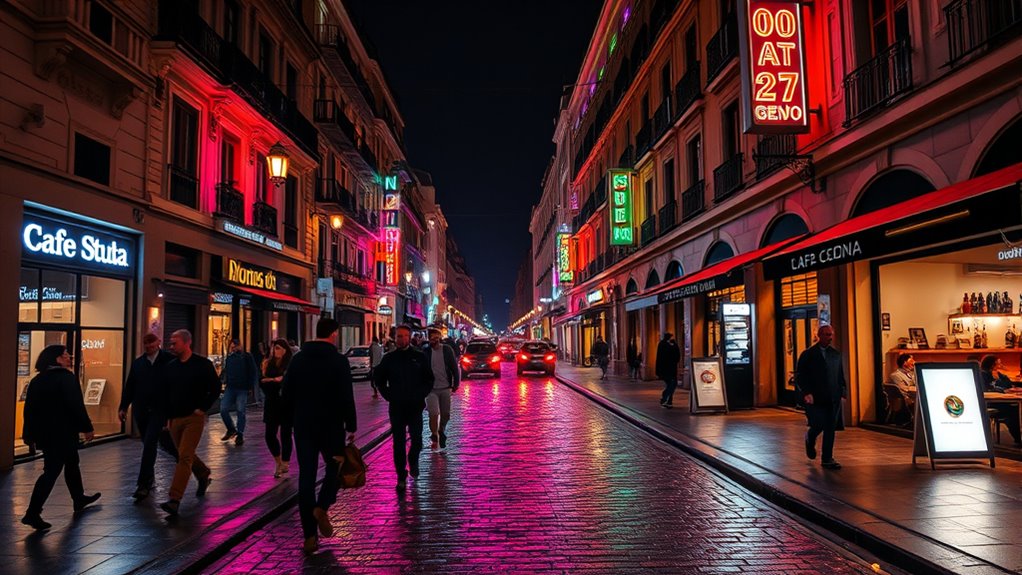
Recent trends show that overall crime in Barcelona is gradually declining, making the city somewhat safer at night than in previous years. Crime dropped 4.7% by February 2025, with arrests increasing by 4.5%. Pickpocketing decreased markedly—18% in Ciutat Vella and 33% in Eixample since 2019. Compared to London’s higher crime rate, Barcelona’s 112 crimes per 100,000 residents show a safer environment. Yet, hotspots like La Rambla and Gothic side streets still require caution. Urban vigilance remains key, especially near clubs and tourist areas. Incorporating outdoor safety strategies can further enhance your security during nighttime outings. Staying aware of crime trends and practicing common sense can help prevent incidents and ensure a pleasant experience in the city. Additionally, understanding urban safety measures can help visitors navigate the city more confidently, especially when aware of specific crime hotspots.
Frequently Asked Questions
Is It Safe to Walk Alone in Barcelona at Night?
Walking alone in Barcelona at night is generally moderate in safety, especially in popular areas like Passeig de Gràcia, Plaça Catalunya, and El Born. However, you should stay alert, avoid isolated streets, and keep your valuables secure. Be cautious around La Rambla and Gothic Quarter side streets, where pickpocketing and petty theft are more common. Trust your instincts, stay in well-lit areas, and exercise common safety measures to enjoy your night out.
Which Areas Should I Avoid After Dark?
Stick to well-lit, busy areas and steer clear of the darker side streets after dark. Avoid La Rambla’s side alleys, Port Olímpic’s nightlife zones, and the Gothic Quarter’s quieter corners, especially near clubs and bars. These spots have higher risks of pickpocketing and petty theft. If you’re cautious and stay in popular, crowded places, you can enjoy your night out without running into trouble.
How Common Are Violent Crimes Like Assaults?
Violent crimes like assaults are relatively uncommon but do happen, especially late at night between 1 AM and 4 AM near Port Olímpic bars, where street muggings can occur. Most violent incidents involve street theft or muggings with force, often in high-traffic areas like La Rambla or the Gothic Quarter’s side streets. Stay vigilant, avoid risky areas after dark, and keep your belongings secure to reduce your chances of becoming a victim.
What Precautions Can Tourists Take to Prevent Pickpocketing?
To prevent pickpocketing, stay alert and keep your belongings secure. Use a money belt or bag worn close to your body, and avoid carrying large amounts of cash. Be cautious in crowded areas like La Rambla or tourist hotspots, especially near street performers or distracted tourists. Don’t leave valuables unattended in restaurants or on the beach, and always watch your bags when using public transport. Your vigilance keeps you safer.
Has Crime in Barcelona Increased or Decreased Recently?
Crime in Barcelona has decreased recently. Data shows a 4.7% drop in overall crimes in early 2025, with arrests rising by 4.5%. Specifically, pickpocketing and thefts have fallen markedly—by 18% in Ciutat Vella and 33% in Eixample since 2019. Although some areas still experience incidents, the overall trend is toward safer conditions, so stay cautious but enjoy your visit confidently.
Conclusion
Now that you know where to go—and where to steer clear—you’re better prepared to enjoy Barcelona’s vibrant nights safely. But remember, the city’s rhythm can change quickly, and new risks might emerge when you least expect them. Stay alert, trust your instincts, and keep an eye on your surroundings. The magic of Barcelona after dark is yours to explore, but only if you stay one step ahead. Will you uncover its secrets safely? The night awaits.
Fall Picks
fall essentials
As an affiliate, we earn on qualifying purchases.